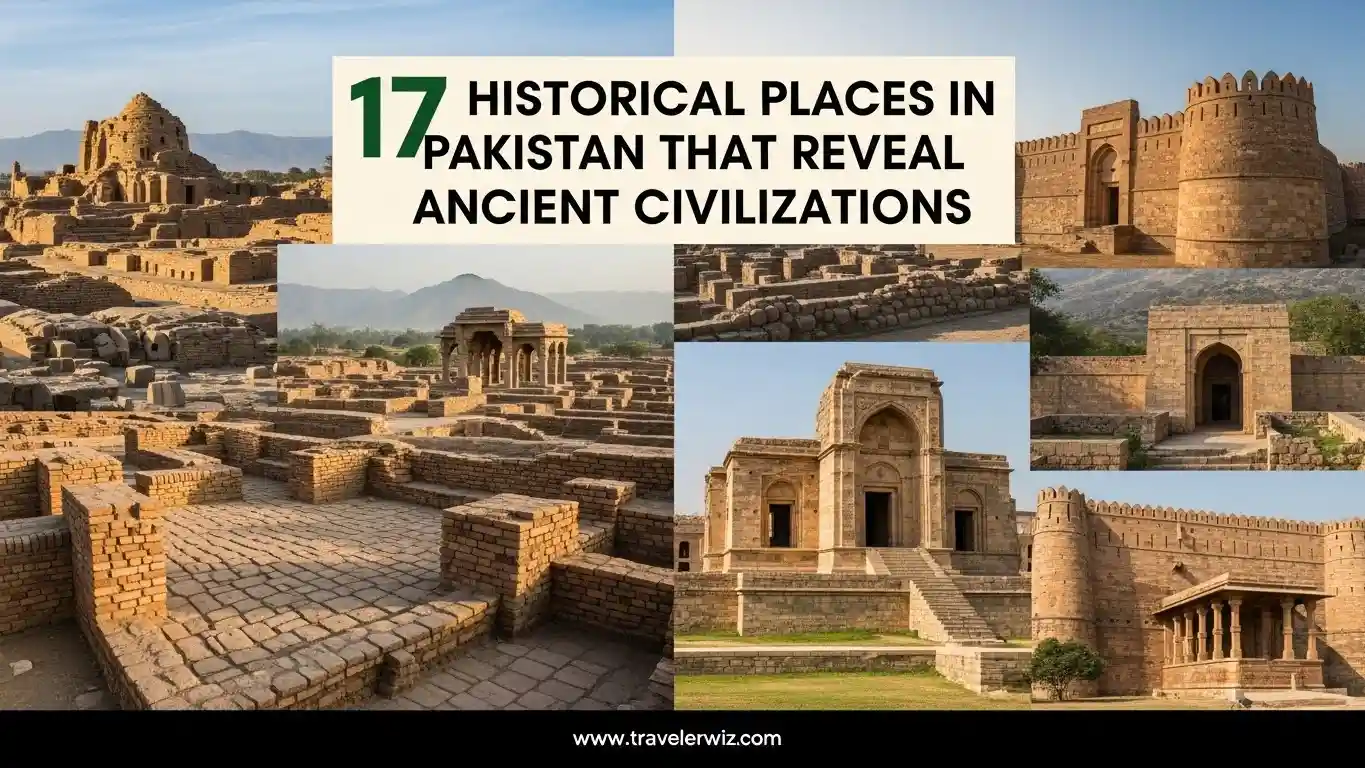
17 Historical Places in Pakistan That Reveal Ancient Civilizations

Pakistan has a long and rich history. People have lived here for thousands of years. Ancient cities, trade routes, and empires shaped the land. You can still see their marks today.
Early civilizations built planned cities and strong systems. Later cultures added temples, forts, and mosques. Many of these places are now UNESCO World Heritage sites. National landmarks linked to the Pakistan Movement, such as the Pakistan Monument, also reflect this long journey
Historical Places in Pakistan: 17 Unmissable Heritage Attractions
This article explores 17 important historical places in Pakistan. Each site helps you understand how people lived, learned, and built in the past. Together, they explain Pakistan’s cultural and architectural story.
1. Mohenjo-Daro
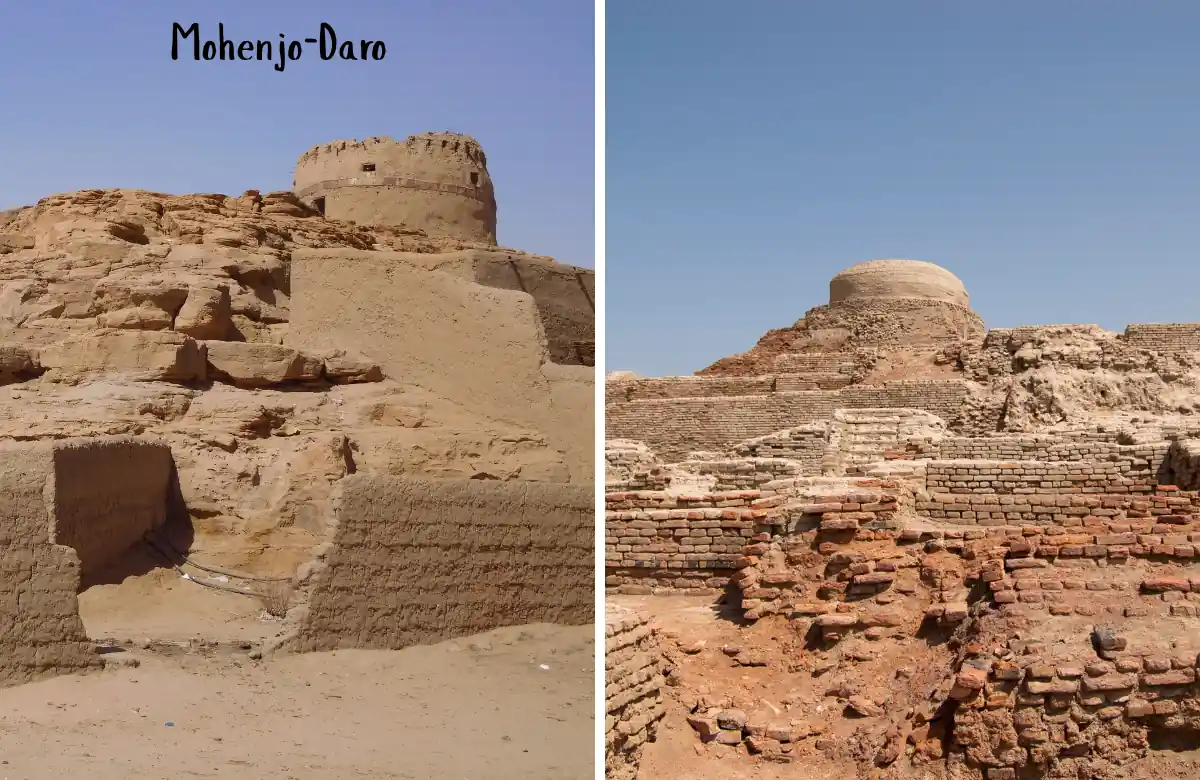
Mohenjo-Daro was a major city of the Indus Valley Civilization. People built it around 2500 BC. It shows one of the world’s earliest examples of urban planning.
The city had straight roads and brick houses. Builders added covered drains and clean water systems. Each home connected to proper drainage. This shows strong planning and care for public health.
Mohenjo-Daro is a UNESCO World Heritage site. It helps historians understand early city life and organized society in ancient Pakistan.
2. Harappa

Harappa was another important Indus Valley city. It lies in present-day Punjab. The city played a big role in trade and crafts.
Archaeologists found seals, tools, jewelry, and pottery here. They also found weights used for trade. These items show a well-managed economy and long-distance trade.
Harappa explains how ancient people planned homes and work areas. Along with Mohenjo-Daro, it proves the Indus Valley Civilization was highly advanced.
3. Taxila
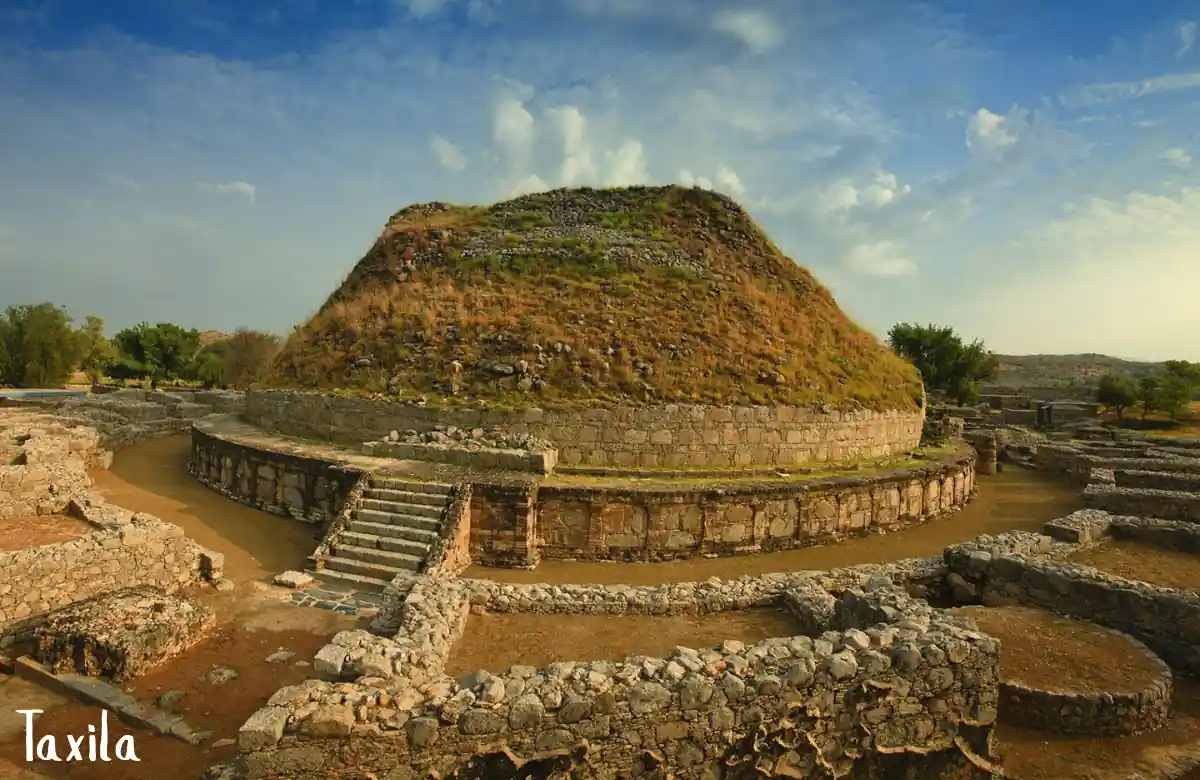
Taxila was a famous center of learning and trade. It sits near modern Islamabad. Traders and students traveled here from many regions.
The site has monasteries, stupas, temples, and schools. Students studied medicine, philosophy, and mathematics. Many historians call it an early university.
Taxila shaped Buddhist culture and Gandhara art. Greek and local styles mixed in sculptures and buildings. Taxila is also a UNESCO World Heritage site and a key part of ancient Pakistan’s history.
4. Bezeklik Caves
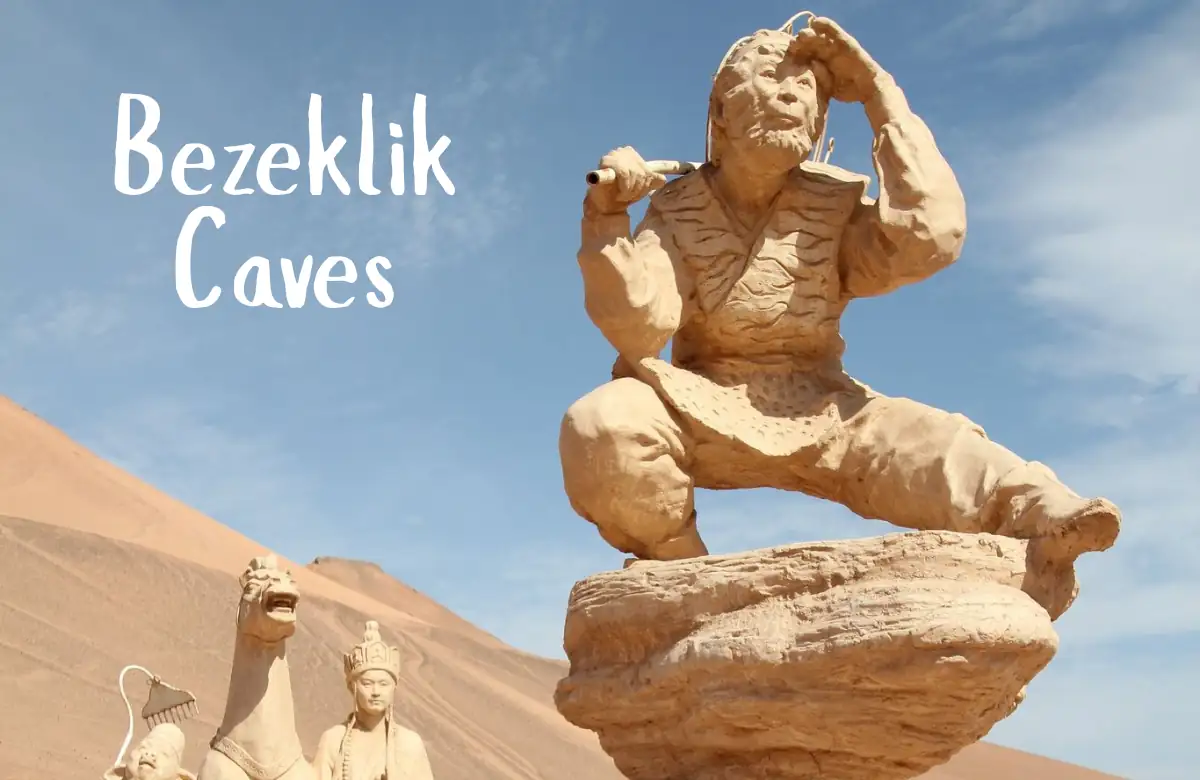
The Bezeklik Caves connect to the ancient Silk Road. Monks and traders once stopped here to rest and pray. These caves spread Buddhist ideas across Asia.
Artists painted bright wall frescoes inside the caves. The paintings show monks, donors, and daily life. Clothes and faces in the art show cultural exchange between regions.
The Bezeklik Caves explain how religion, trade, and art moved together. They show how stories and beliefs traveled without books.
5. Gandhara

Gandhara was an ancient civilization in northern Pakistan. It grew strong in areas of today’s Khyber Pakhtunkhwa and Punjab. Many cultures shaped it.
The region is famous for Buddhist statues. Sculptors carved Buddha figures with Greek-style faces and robes. This mix came from Greek and Persian influence.
Gandhara became a bridge between civilizations. Its art helped spread Buddhism and shaped religious architecture across Asia.
6. Lahore Fort
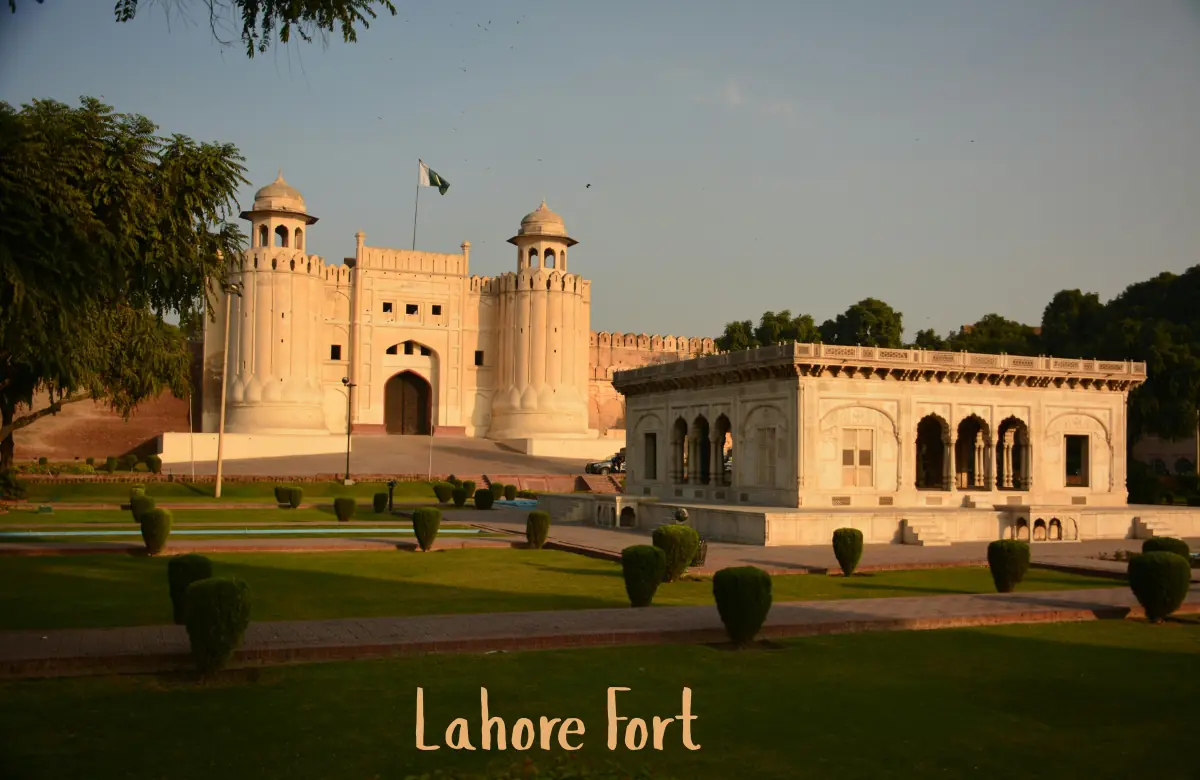
Lahore Fort is a major historical landmark in Pakistan. Mughal rulers built and expanded it over many years. It stands near the Badshahi Mosque, Wazir Khan Mosque, Begum Shahi Mosque, and Shalimar Gardens.
The fort includes marble halls, gardens, and the Sheesh Mahal. Builders used Islamic architecture with strong defensive design. Skilled landmark architects shaped its layout.
Lahore Fort is a UNESCO World Heritage site. It also links Mughal, Sikh, and British history in one place.
7. Shalimar Gardens
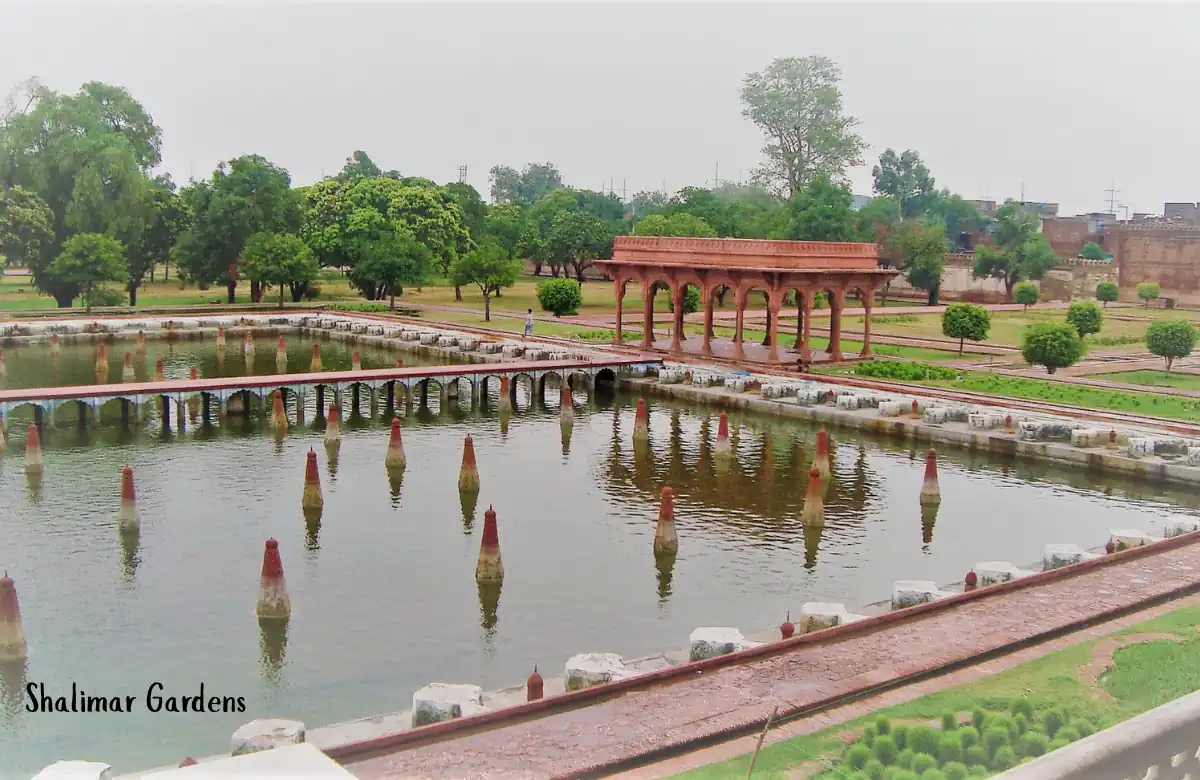
Shalimar Gardens show classic Mughal garden design. Shah Jahan ordered their construction. The gardens were made for rest and royal events.
Designers used terraces, fountains, and water channels. Trees and shade areas follow perfect balance. This design style influenced gardens across South Asia.
Shalimar Gardens are a UNESCO World Heritage site. Their location near Lahore Fort and the Badshahi Mosque adds to their cultural importance.
8. Rohtas Fort
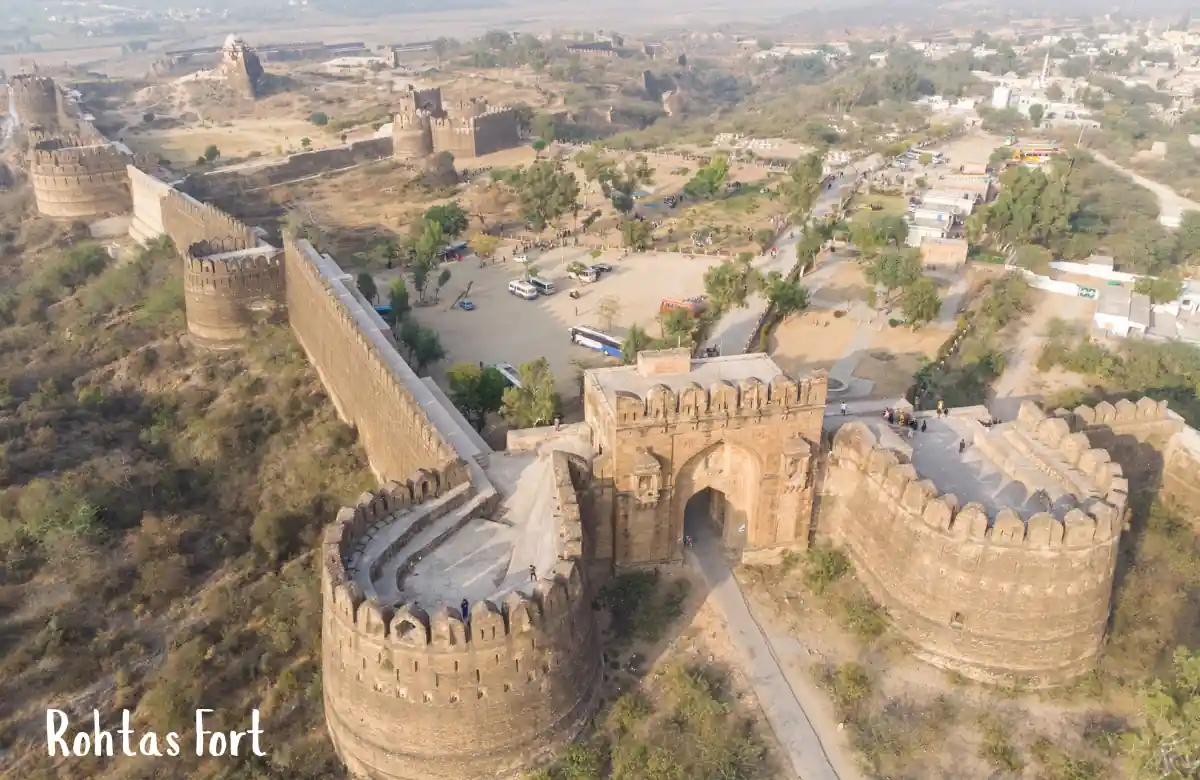
Rohtas Fort stands near Jhelum. Sher Shah Suri built it in the 16th century. He wanted to control key routes and stop enemy attacks.
The fort has thick stone walls and strong gates. Builders focused on defense, not beauty. The design shows pure military planning and Islamic architecture.
Rohtas Fort is a UNESCO World Heritage site. It helps visitors understand war strategy and power in medieval Pakistan.
9. Multan
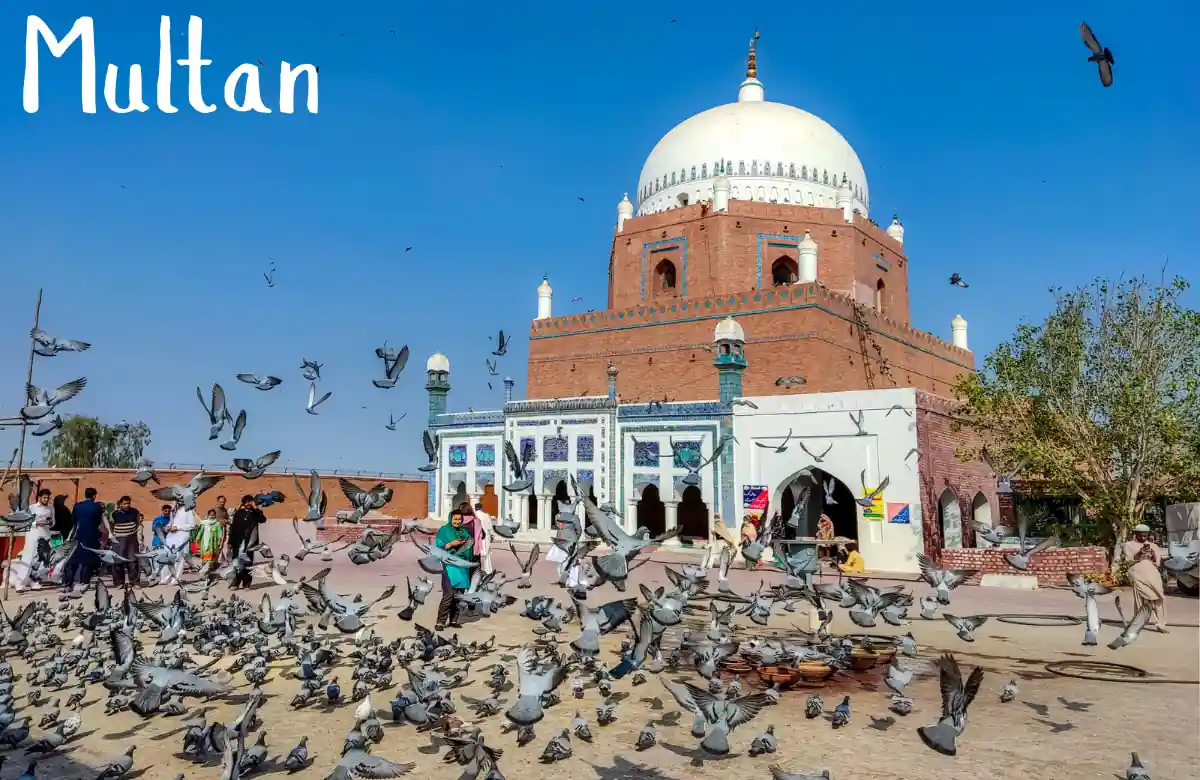
Multan is called the City of Saints. It has been a religious and trade center for centuries. Traders and scholars once passed through this city.
The city holds famous Sufi shrines. Shah Rukn-e-Alam and Bahauddin Zakariya rest here. These shrines spread peace, poetry, and faith.
Multan shows how religion shaped daily life. Its culture still reflects deep spiritual roots.
10. Takht-i-Bahi
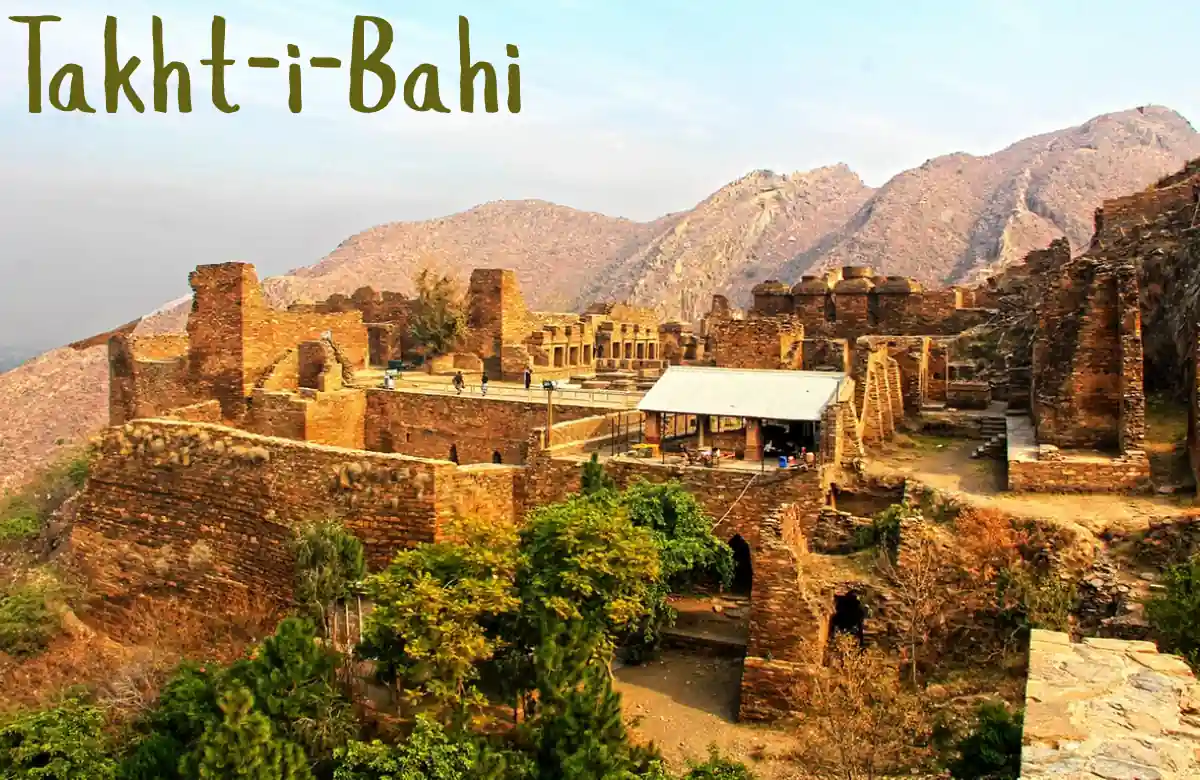
Takht-i-Bahi is an ancient Buddhist monastery. It sits on a hill near Mardan. The high ground kept it safe from damage.
The site has stupas, halls, and small monk rooms. Monks lived, studied, and meditated here. The layout shows discipline and order.
Takht-i-Bahi is a UNESCO World Heritage site. It explains how Buddhism grew in ancient Pakistan.
11. Makli Necropolis
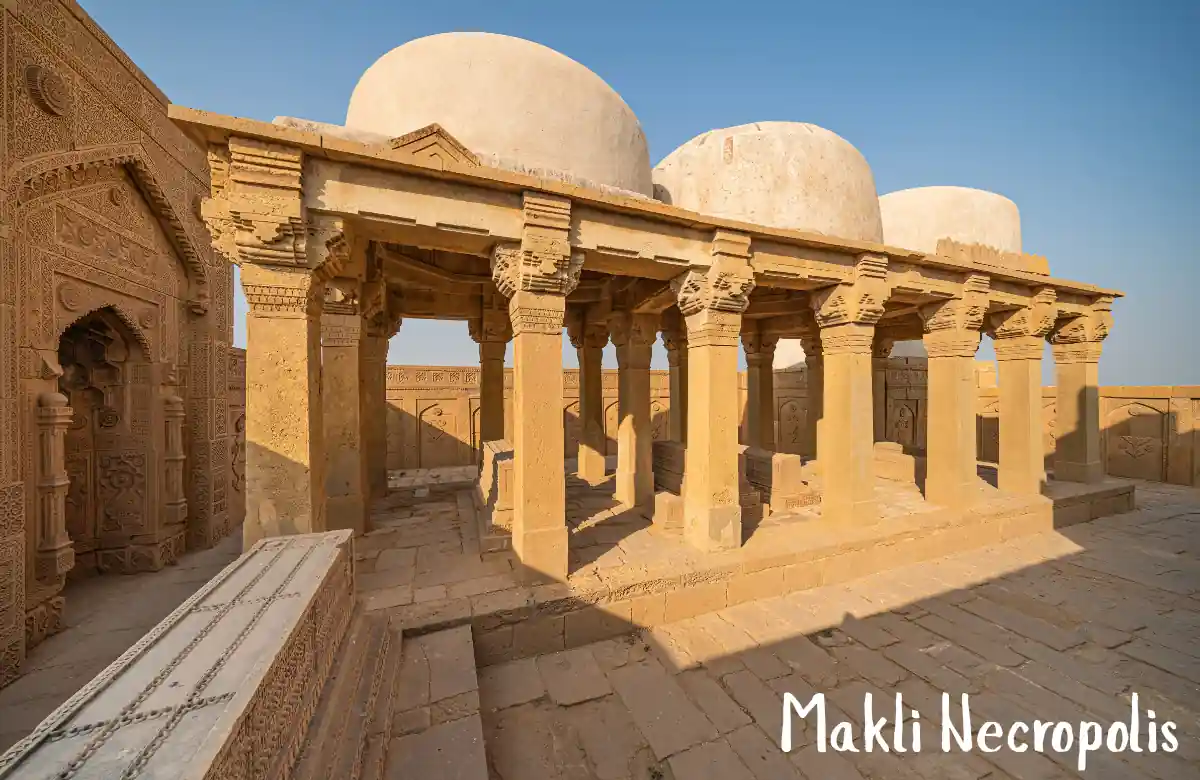
Makli Necropolis lies near Thatta in Sindh. It is one of the largest burial sites in the world. Thousands of tombs spread across the hills.
The tombs show many styles of Islamic architecture. Builders used stone carvings, calligraphy, and patterns. Kings, saints, and scholars rest here.
Makli is a UNESCO World Heritage site. It preserves centuries of history, art, and belief.
12. Chaukhandi Tombs
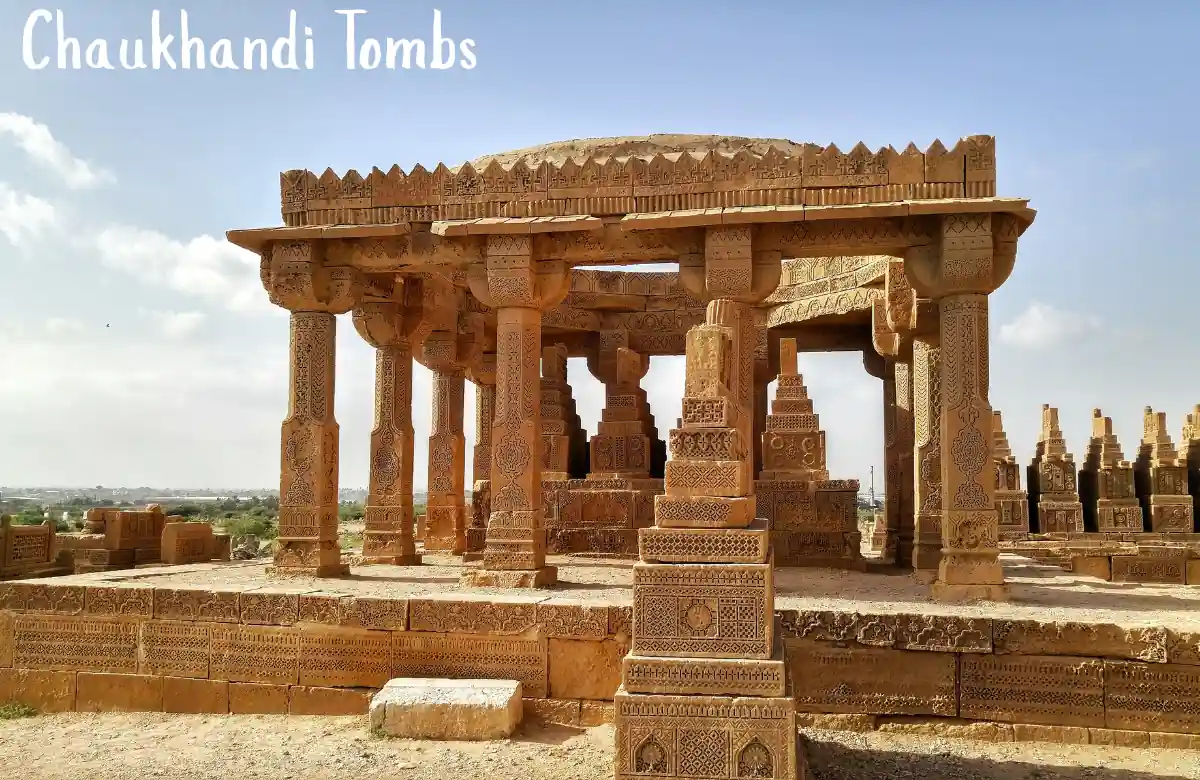
Chaukhandi Tombs sit near Karachi. They date back several hundred years. Local tribal communities built them.
The tombs use sandstone and stacked shapes. Carvings show flowers, patterns, and symbols. These designs often show family status or identity.
The site helps explain old burial customs. It also shows how art preserved memory in early societies.
13. Skardu
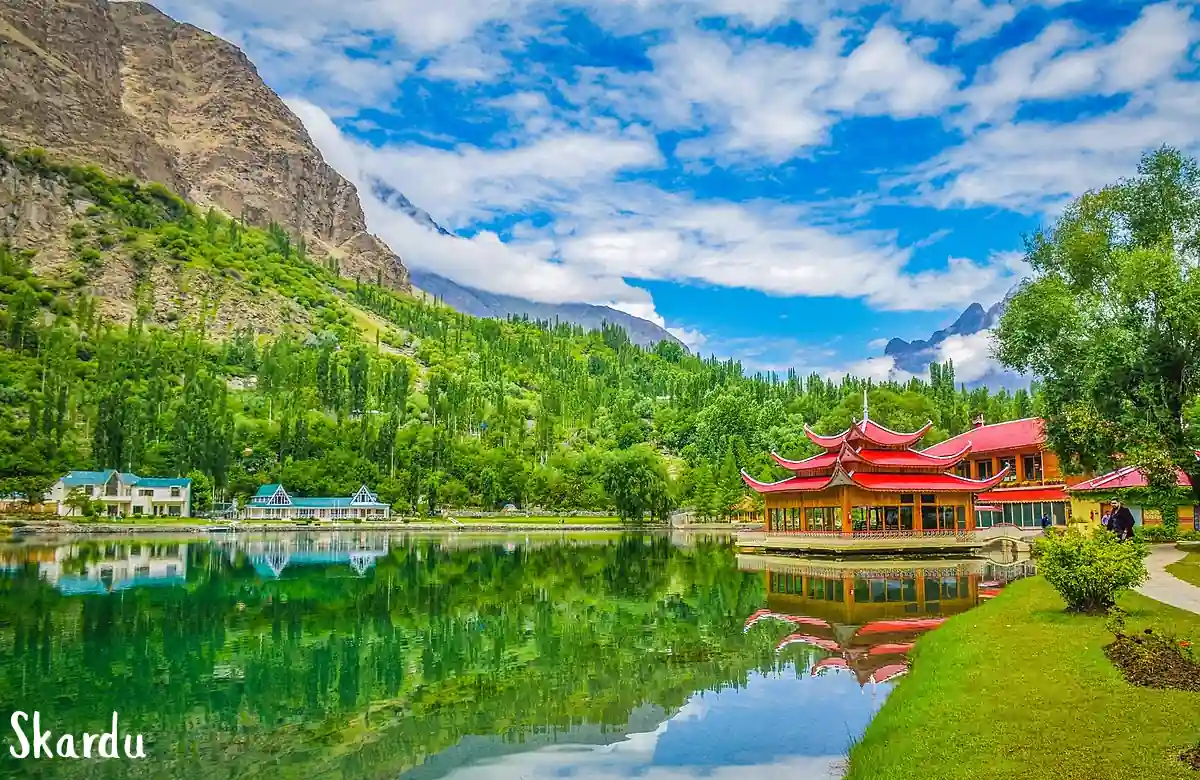
Skardu played a key role on ancient trade routes. Traders crossed this region to reach Central Asia and China. Armies also passed through these mountain paths.
Important sites include Khaplu Palace, Shigar Fort, and old rock carvings. The carvings show animals, hunters, and symbols from early life. Forts reflect strong defense design.
Skardu blends Tibetan and Kashmiri culture. You can see this mix in buildings, language, and traditions.
14. Haroonabad
Haroonabad lies in southern Punjab. Archaeologists link it to early Indus Valley settlements. It supported larger ancient cities.
Findings include pottery, tools, and building remains. These show farming and organized village life. Small communities helped feed and support cities.
Haroonabad explains how people adapted to land and climate. It fills gaps in ancient history.
15. Chanhu-Daro
Chanhu-Daro sits in Sindh. It connects to the Indus Valley Civilization. The site worked more like a factory town.
Archaeologists found beads, shells, seals, and tools. Skilled workers made goods for trade. This shows early job specialization.
Chanhu-Daro explains daily work and industry. It proves trade powered ancient cities.
16. Sirkap
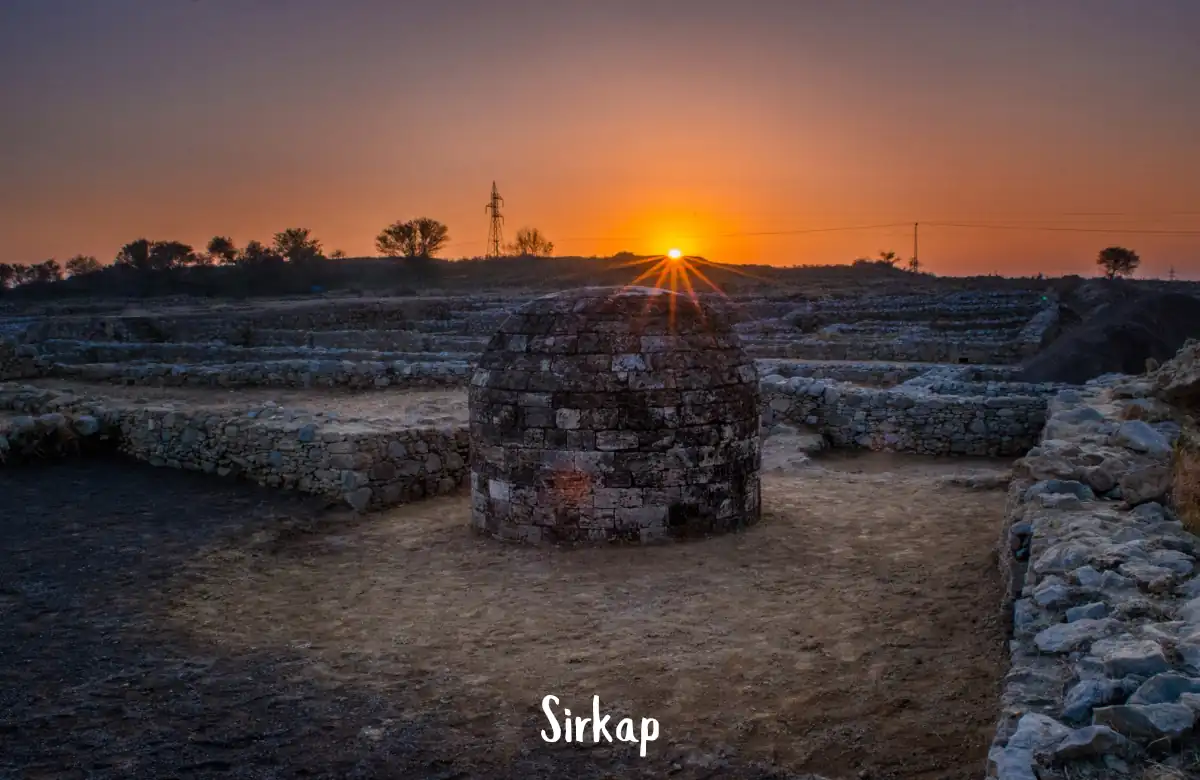
Sirkap was an ancient city near Taxila. Indo-Greek rulers built it. The city shows planned urban planning.
Streets ran in straight lines. Homes, temples, and markets followed a grid layout. Traders used routes linked to the Khyber Pass.
Sirkap shows how cultures mixed. Greek, Central Asian, and local ideas shaped daily life and buildings.
17. Bhit Shah
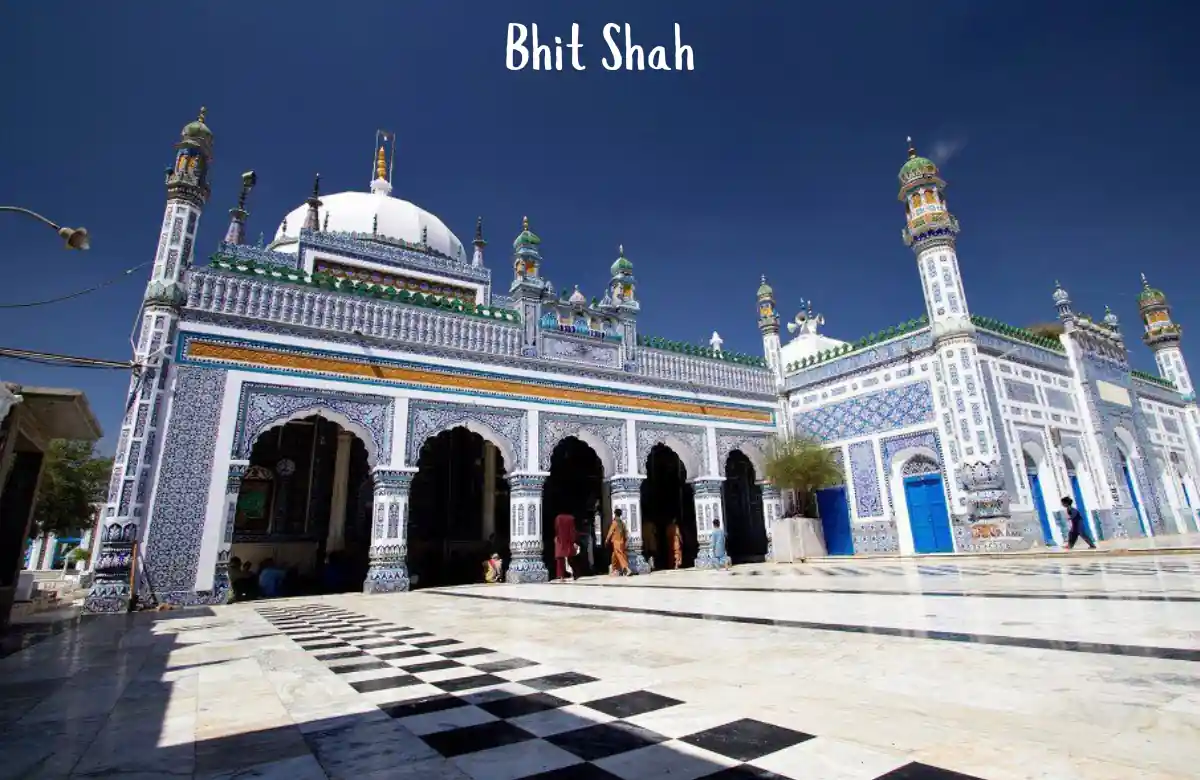
Bhit Shah is linked to the Sufi poet Shah Abdul Latif Bhittai. The town holds strong spiritual value in Sindh.
The shrine sits at the center of the city. People visit to hear poetry and music. These traditions teach peace and unity.
Bhit Shah shows how Sufism shaped culture. Faith, poetry, and music still guide local life.
Conclusion
Pakistan’s historical places tell a long human story. Ancient cities like Mohenjo-Daro and Harappa show early urban planning. Forts, gardens, and mosques show later Islamic architecture.
Sites such as Lahore Fort, Shalimar Gardens, and Makli Necropolis explain how empires ruled and built. Landmarks near the Pakistan Monument reflect ideas from the Pakistan Movement.
Protecting these places matters. Forts like Ranikot Fort, ancient ruins, and shrines connect past and present. Visiting them helps you understand Pakistan’s deep cultural roots.
Frequently Asked Questions
1. Why aren’t there many large Hindu historical sites in Pakistan?
Many Hindu temples were left after 1947. Some sites like Katas Raj still exist, but others faded due to migration and neglect.
2. What are some lesser-known places in Pakistan worth visiting?
Takht-i-Bahi, Chaukhandi Tombs, Haroonabad, and Bhit Shah offer rich history with fewer crowds.
3. Are there safe and unsafe places in Pakistan for foreigners?
Most cities and tourist areas are safe with normal care. Border regions may need permits and guides.
4. What is meant by Ancient Pakistan?
It refers to lands shaped by the Indus Valley, Gandhara, and early Buddhist cultures.
5. What are some great historical places in Pakistan?
Lahore Fort, Taxila, Mohenjo-Daro, Rohtas Fort, and Makli Necropolis are top sites.
6. Why don’t more tourists visit Pakistan despite its history?
Visa concerns, weak promotion, and old safety views affect tourism.
7. Which historical places in Pakistan are UNESCO World Heritage sites?
Mohenjo-Daro, Taxila, Takht-i-Bahi, Lahore Fort, Rohtas Fort, and Makli Necropolis.
8. Why are historical places important in Pakistan’s culture?
They preserve faith, history, and identity built over thousands of years.
9. How does Mohenjo-Daro compare to other ancient sites?
It stands out for advanced drainage and city planning.
10. What role do historical sites play in tourism?
They attract history lovers and researchers. Better access can grow tourism.
11. What challenges do these sites face?
Weather damage, funding limits, and urban growth threaten preservation.
12. Would you recommend visiting Pakistan for historical landmarks?
Yes. Pakistan offers deep history, diverse cultures, and rare ancient sites.