Best Museums in Berlin (2026-27 Updated Top Picks)

Best museums in Berlin sit at the center of the city’s identity, shaped by war, division, art, and constant reinvention. After years of returning to Berlin for research trips, press visits, and long stays, one thing stays clear.
No other European capital packs this much history and creative range into its museum scene.
Berlin has more than 170 museums, covering ancient civilizations, WW2 history, Cold War life, modern design, and experimental art. This guide focuses on quality, not volume.
Every pick reflects real visits, current exhibits, and practical lessons learned on the ground. These are the best museums in Berlin worth your time in 2026, not a rushed checklist of names.
Best Museums in Berlin You Should Not Miss
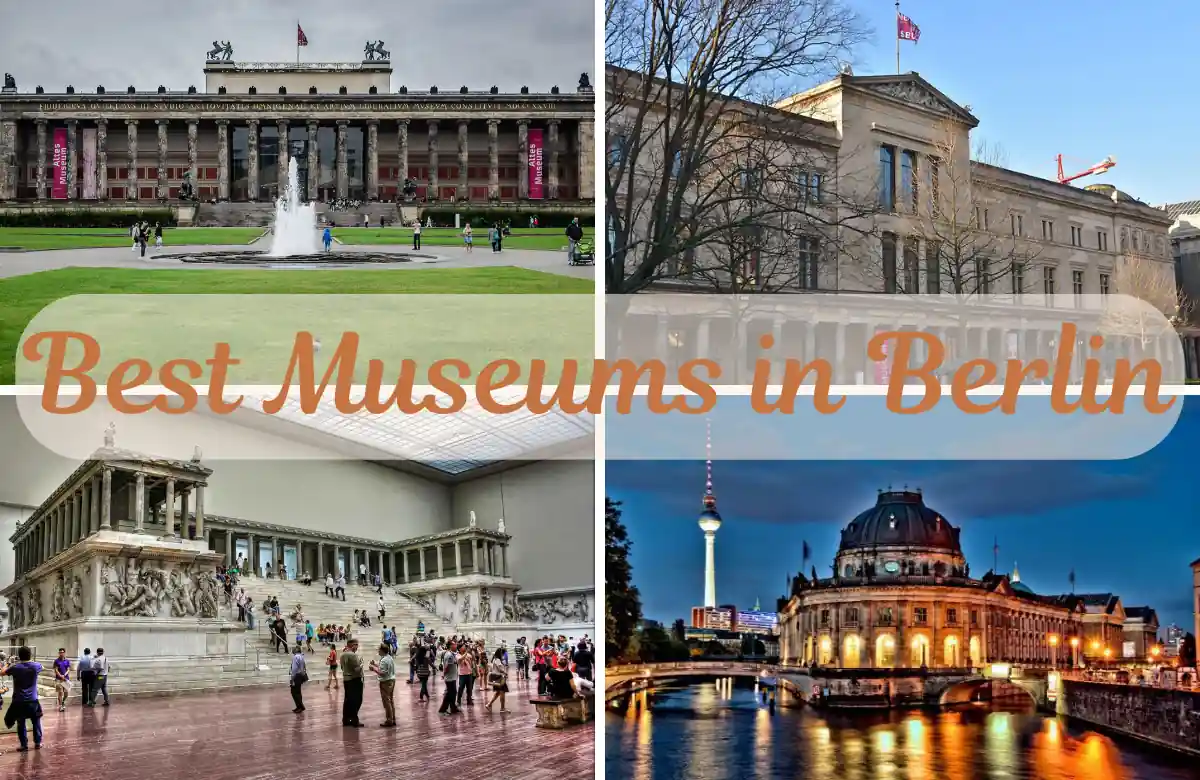
The best museums in Berlin fall into clear categories once you understand the city. Some sit on Museum Island, the cultural core near Berlin Cathedral and the River Spree. Others spread across districts like Mitte, Kreuzberg, and Charlottenburg, each tied to a different chapter of history.
This list works for first-time visitors, history focused travelers, and art lovers with limited time. I have grouped museums by theme, not popularity alone. You will find world icons like the Pergamon Museum alongside places locals quietly recommend.
If you are scanning Reddit threads about the best museums in Berlin, this structure mirrors how experienced travelers plan their days. Start with the essentials, then add depth based on your interests, energy level, and season.
Museum Island Berlin | UNESCO World Heritage

Museum Island is where Berlin’s museum story comes together. Sitting between the Spree and Kupfergraben, this compact area holds five major institutions managed by Staatliche Museen zu Berlin. I usually plan a full day here, with breaks along the river or near Hackescher Markt.
The setting matters. You are steps from Berlin Cathedral, the Humboldt Forum, and the Reichstag Dome. This concentration makes Museum Island one of the best museum districts in Europe, especially for short trips.
Pergamon Museum
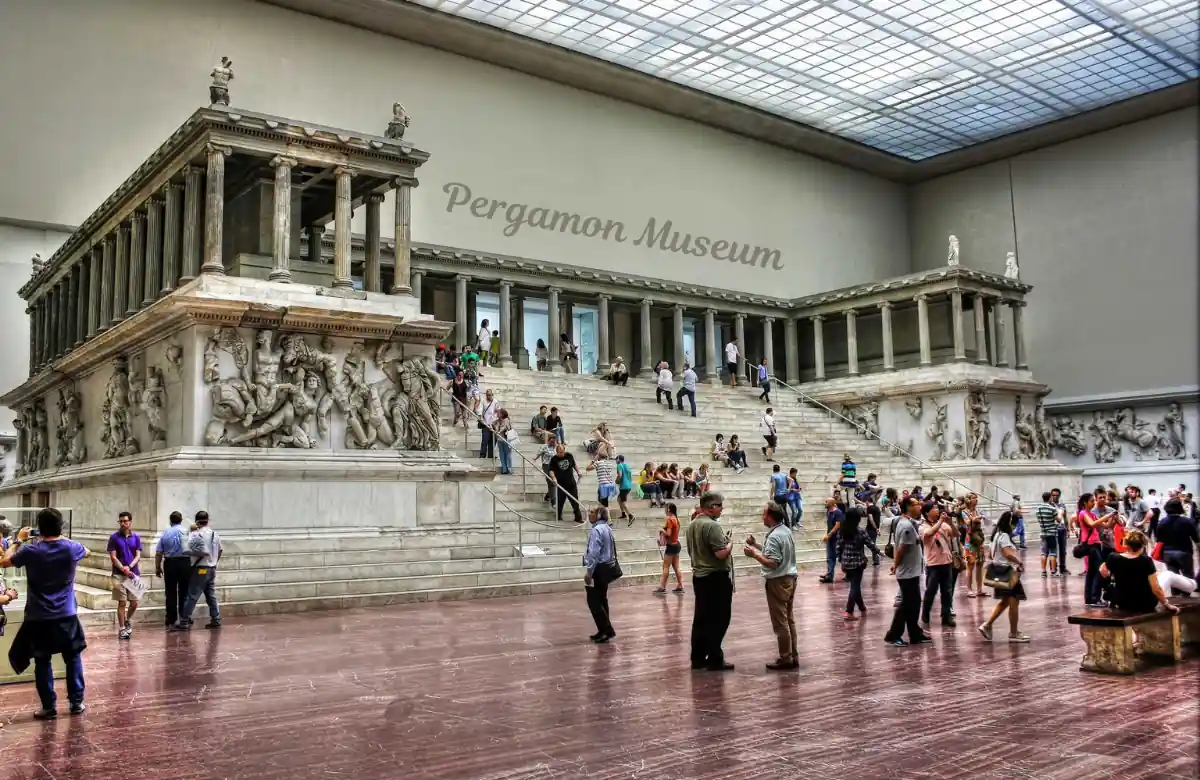
The Pergamon Museum is famous for scale and drama. Walking past the Pergamon Altar and Babylon’s Ishtar Gate still stops me every time, even after repeat visits. The Market Gate of Miletus adds another layer of ancient power.
Parts of the building remain under renovation in 2026, but key collections of Islamic art and ancient architecture stay accessible.
Check the official website before arriving, as timed entry slots sell out fast. This museum suits travelers who want iconic pieces, not quick browsing.
Neues Museum

Neues Museum balances elegance and emotion. Its Egyptian collection draws visitors for Queen Nefertiti, displayed with controlled lighting and quiet respect. I prefer visiting early morning when tour groups thin out.
Beyond Egypt, the prehistoric and early history sections add depth many visitors skip. The building itself tells a story, restored with visible traces of war damage that add context without explanation panels.
Altes Museum
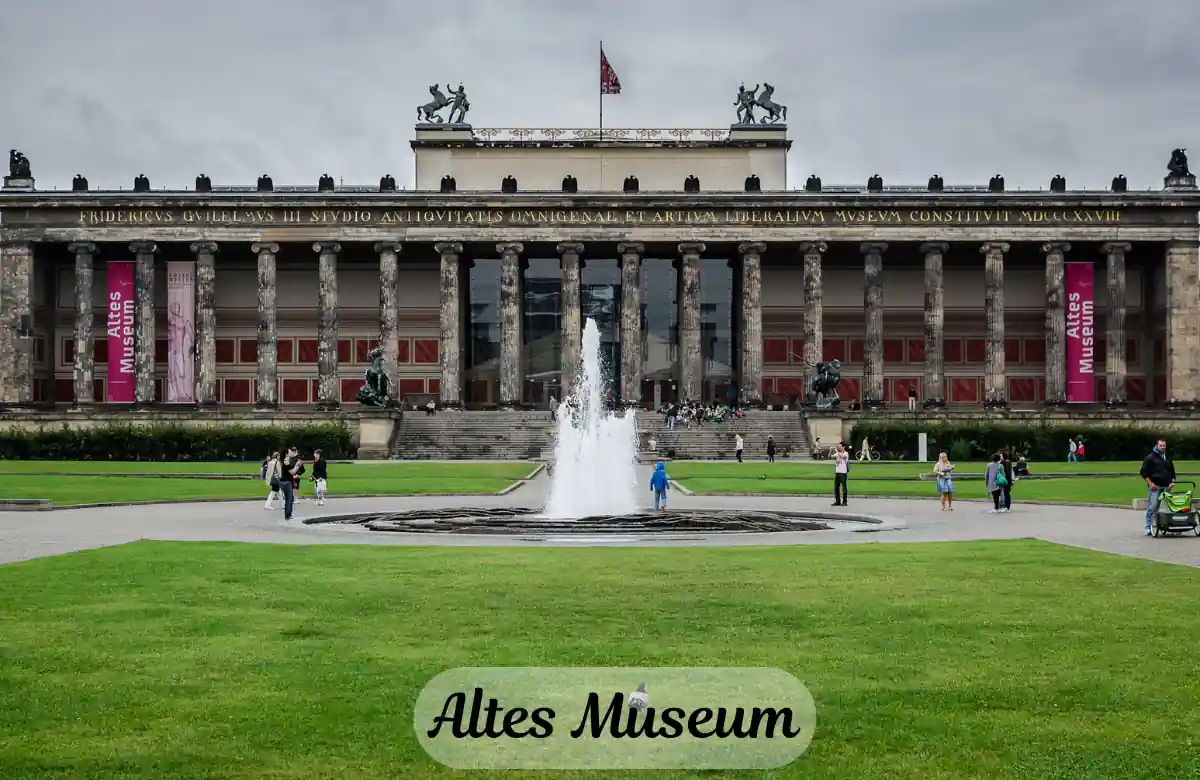
Altes Museum works best as a shorter stop. Its classical antiquities feel calm after the intensity of Pergamon and Neues Museum. I often recommend it late afternoon, when energy dips but curiosity stays.
Visitor tips for Museum Island
Buy a combined Museum Island ticket or the Museum Pass Berlin if you plan multiple days. Enter early or after 3 pm to avoid peak crowds. Budget at least four to five hours to do the island justice without rushing.
Best History Museums in Berlin
Berlin’s history is layered, uncomfortable at times, and impossible to ignore. These museums explain Germany’s past without gloss or drama. After multiple research visits and long conversations with local guides, these are the places I return to when I need context, not spectacle.
German Historical Museum
The German Historical Museum sits near Unter den Linden, a short walk from the Brandenburg Gate. It covers Germany’s story from medieval roots to modern reunification in a clear, chronological flow.
Exhibits are well translated into English, which makes it ideal for first-time visitors. I often suggest starting here before visiting WW2 or Cold War sites. It provides grounding that makes everything else make sense.
Topography of Terror
Topography of Terror stands on the former Gestapo and SS headquarters. It is one of the most direct WW2 museums in Berlin. There is no soft language here, only documents, photos, and facts.
Entry is free, and the outdoor section runs along a preserved stretch of the Berlin Wall. I usually recommend visiting mid-morning, then walking toward Potsdamer Platz afterward to decompress.
Berlin Wall Museum at Checkpoint Charlie
The Berlin Wall Museum near Checkpoint Charlie focuses on escape attempts and Cold War tension. Some displays feel dense, but the personal stories stay with you.
Crowds build fast here. Arrive early or late afternoon. Pair this visit with a walk to the East Side Gallery to see how the Wall shifted from barrier to canvas.
Optional mentions
The DDR Museum offers hands-on insight into daily life in East Germany. The Allied Museum adds depth for travelers interested in post-war military presence.
Best Art Museums in Berlin
Berlin’s art scene reflects contradiction. Classical galleries coexist with raw contemporary spaces, often a few subway stops apart. This balance is why Berlin remains essential for serious art travelers.
Alte Nationalgalerie
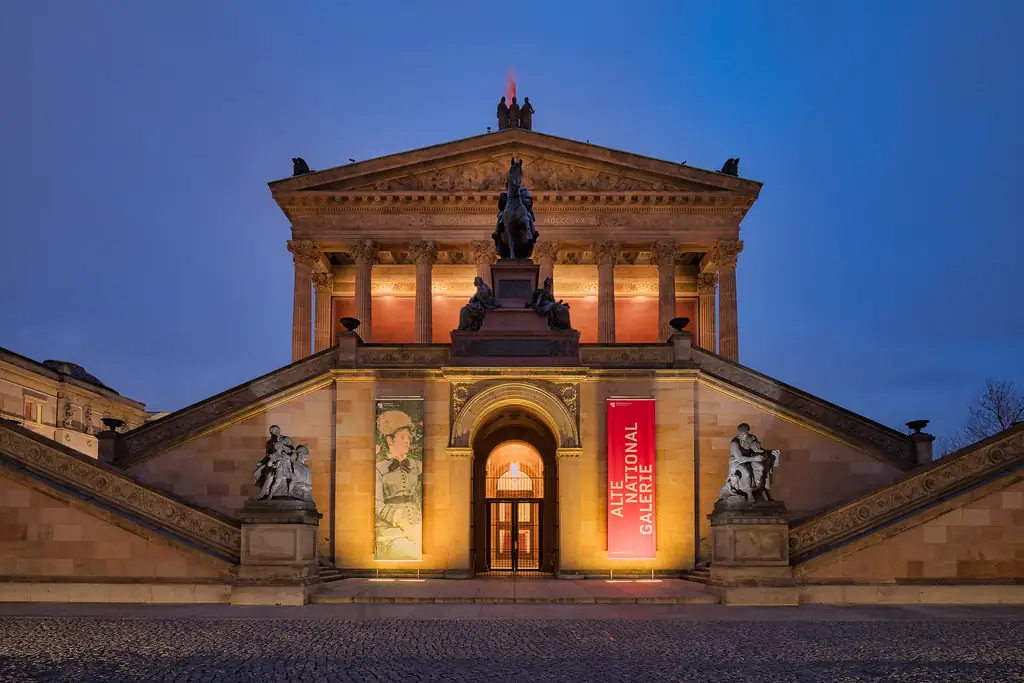
Alte Nationalgalerie, also called the Old National Gallery, stands out on Museum Island for 19th-century European art. Caspar David Friedrich’s landscapes anchor the collection.
I usually visit late morning when light fills the upper floors. The scale is manageable, and even non-art specialists find the storytelling accessible.
Hamburger Bahnhof
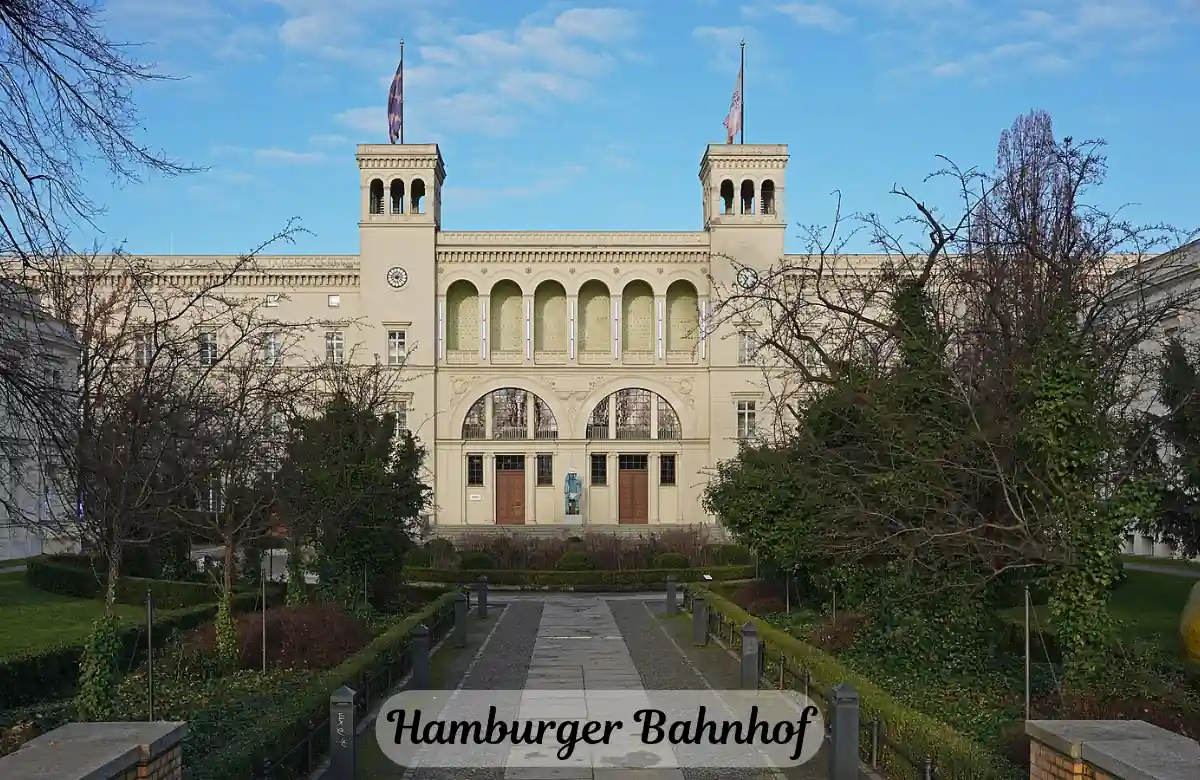
Hamburger Bahnhof focuses on contemporary art, housed in a former train station near Berlin Hauptbahnhof. Exhibits change often, which keeps repeat visits fresh.
This museum works best for travelers who enjoy conceptual pieces and large installations. I have seen work here that stayed in my notebooks for weeks afterward.
Berlinische Galerie
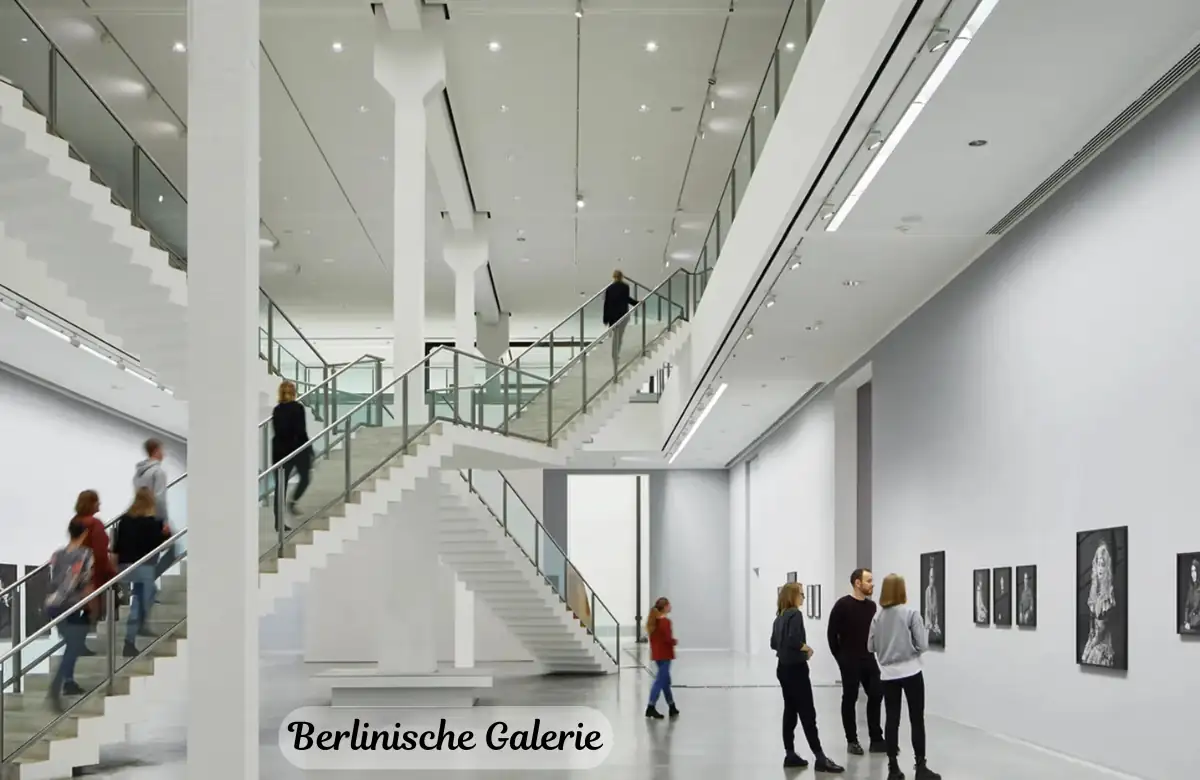
Berlinische Galerie highlights local artists, photography, and modern design. It offers insight into Berlin’s creative identity beyond global names.
Located near Kreuzberg, it pairs well with neighborhood exploration. I often combine it with a café stop along Lindenstraße.
Practical notes
Photography rules vary by exhibition. Check signs carefully. Temporary shows rotate frequently, so expectations should stay flexible.
Unique and Unusual Museums in Berlin
Berlin’s personality shows most clearly in its unusual museums. These places reflect curiosity, memory, and humor, often missed by rushed itineraries.
Jewish Museum Berlin
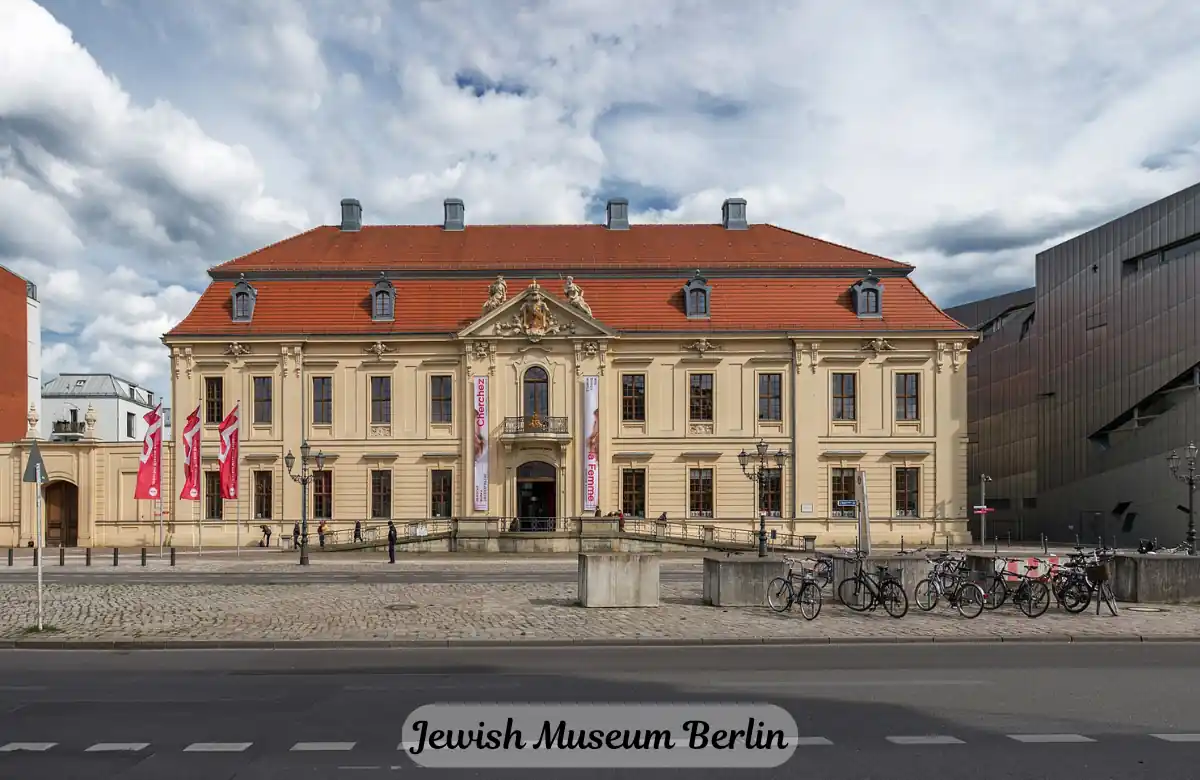
Jewish Museum Berlin is as much an architectural experience as a historical one. Designed to unsettle, it succeeds quietly. The voids and corridors create emotional pauses you cannot rush.
I recommend allowing extra time here. Reactions vary, but the impact feels personal every visit. Pair it with a walk toward the Memorial to the Murdered Jews of Europe afterward.
Spy Museum Berlin
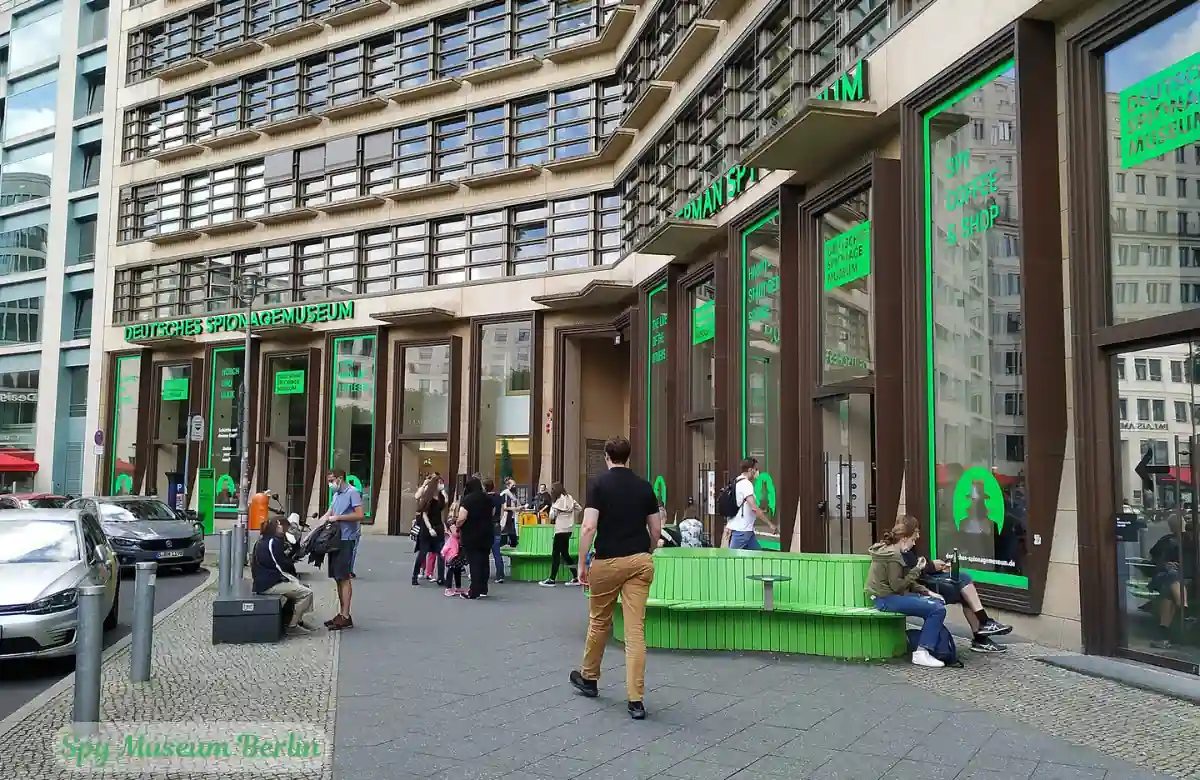
The Spy Museum near Leipziger Straße dives into Cold War espionage with interactive displays. It balances serious history with engaging storytelling.
Expect about 90 minutes inside. It works well for travelers curious about intelligence tactics without wanting academic depth.
Museum of Things
The Museum of Things focuses on everyday design objects, from packaging to furniture. It is small, thoughtful, and surprisingly sharp.
This is a quick visit, often under an hour. I suggest it as a lighter stop between heavier history museums.
Best Museums in Berlin for Families
Berlin works surprisingly well for families, especially when museums include space to move, touch, and explore. I have visited these spots with friends traveling with kids, and the difference in energy is clear. These museums reduce fatigue instead of adding to it.
German Museum of Technology
The German Museum of Technology sits near Gleisdreieck and feels built for curiosity. Trains, planes, ships, and early machines fill massive halls with room to roam.
Hands-on exhibits keep kids engaged, while adults still get real historical context. Ages six and up usually handle this museum well without boredom.
Natural History Museum
Museum für Naturkunde remains one of the strongest family museums in the city. The dinosaur skeletons create instant excitement, especially the towering Brachiosaurus.
Interactive science zones help balance spectacle with learning. I recommend visiting earlier in the day, before school groups arrive.
Tips for parents
Most family-focused museums offer stroller access, but elevators can get busy. Plan one major museum per half day. Pushing past that usually leads to burnout.
Practical Tips for Visiting Museums in Berlin
Good planning changes everything in Berlin. I learned this after wasting time in ticket lines during my early visits. A few small decisions save hours.
The Museum Pass Berlin pays off if you visit three or more major museums over consecutive days. It includes Museum Island and many state-run institutions.
Many museums offer free entry on the first Sunday of each month. Expect crowds, but it works well for flexible travelers.
Tuesdays and Wednesdays stay quieter than weekends. In 2026, ticket prices average €12 to €19, depending on exhibitions. Two museums per day is realistic without rushing.
How to Plan a Museum Day in Berlin
A strong museum day mixes focus with movement. I avoid stacking similar themes back to back.
One-day plan
Morning at Museum Island, lunch near Hackescher Markt, afternoon at the German Historical Museum. Evening walk toward the Spree.
Half-day option
Neues Museum followed by a neighborhood café and a short walk to Berlin Cathedral.
Museum Island only plan
Choose two museums, not three. Pergamon Museum plus Neues Museum works best.
Museum plus walking combo
Topography of Terror paired with a walk from Checkpoint Charlie toward the East Side Gallery keeps energy balanced.
Final Thoughts
Berlin’s museums reward curiosity, patience, and intention. After years of returning, I have learned that depth matters more than volume here. Choose museums that match your interests, not trends.
Whether you focus on Museum Island, Cold War history, or modern art, the best museums in Berlin reflect a city still questioning itself. That honesty is why Berlin remains one of Europe’s most compelling museum cities in 2026.
Frequently Asked Questions
1. What is the most visited museum in Berlin?
The Pergamon Museum draws the highest visitor numbers, even during partial renovations.
2. Are museums free in Berlin?
Some museums offer free entry on the first Sunday of each month. Others, like Topography of Terror, are always free.
3. How many museums are on Museum Island?
Museum Island has five major museums managed by Staatliche Museen zu Berlin.
4. Which Berlin museum is best for history?
The German Historical Museum offers the clearest overview for first-time visitors.
5. Which museum is best for kids?
The German Museum of Technology and the Natural History Museum work best for families.
6. Is the Berlin Museum Pass worth it?
Yes, if you plan to visit multiple museums over two or three days.
7. How much time do you need for Museum Island?
Plan at least four hours. A full day works better for deeper visits.
8. Are Berlin museums open on Sundays?
Most museums stay open on Sundays, often with shorter hours. Always confirm ahead.