Day Trips From Athens: 12 Secret Adventures Locals Love

Athens is one of those cities where history never sits still. Its energy, the rhythm of café chatter, and the hum of scooters echo through narrow lanes that lead toward adventure. From this capital, countless day trips from Athens open paths to secret ruins, sleepy coastal villages, and quiet islands where the pace slows.
When locals talk about escaping for a day, they mention hidden beaches near Lavrio, the peaceful fishing harbors of Kea, or the ancient stones of Delphi glowing in late afternoon light. These aren’t crowded tourist stops but places where the Greek spirit still feels untouched.
This guide collects 12 of those escapes, the kind that reward curiosity and planning. You’ll find practical routes, local food stops, and photography tips drawn from years of exploring the region myself. I’ve grouped them by direction and distance, so you can plan smartly—whether you have a car, rely on ferries, or prefer public transport.
Before diving in, here’s a quick way to use this guide:
• Trips under 1 hour: ideal for half-day escapes
• Coastal or island options: check ferry timetables early
• Mountain or inland sites: leave before 8 a.m. for fewer crowds
• Always carry water, light snacks, and a charged phone
By the end, you’ll see why day trips from Athens are the secret rhythm of Greek weekends.
Strategic Day-Trip Planning Fundamentals
Choosing where to stay in Athens affects everything. If your base is near Syntagma Square, you’ll have easy metro access and a quick link to the Piraeus Port for island ferries. Staying around Koukaki or Plaka offers early access to the Acropolis Museum and quick taxi connections toward the coast.
Transport Options
You can move efficiently with a mix of buses, trains, and ferries.
- KTEL buses reach major archaeological sites like Delphi and Corinth.
- Trains connect to Chalkida and northern towns, though schedules can be slow.
- Ferries from Piraeus Port reach the Saronic Islands and beyond.
- Private transfers or rentals give flexibility for sunset routes to Cape Sounion or the Peloponnese Peninsula.
Timing and Season
Spring and autumn are perfect. Summer heat and long queues near the Temple of Zeus can be tough. Shoulder seasons mean open skies, green hills, and fair ferry prices. Check for updates through Ferry Hopper before booking, since smaller routes shift with wind conditions.
Budget and Gear
Expect to spend between 40 and 90 euros per day, including transport and food. Add more for entry fees to sites like Ancient Corinth or the Temple of Apollo. Pack light—water, sunscreen, camera, portable charger, and spare clothes for island detours.
Contingency Tips
If your ferry gets canceled, take the E22 bus to Cape Sounion instead of staying idle. When rain hits, indoor stops like the Acropolis Museum or Roman Agora make good backups. Always check return timetables twice—especially for the last water taxi from smaller harbors.
Smart planning turns these side adventures into smooth, rewarding escapes from Old Athens.
12 Secret & Beloved Day Trips Locals Love
1. Daskalio & Lavrio Coastline – Forgotten Mines and Sea Caves
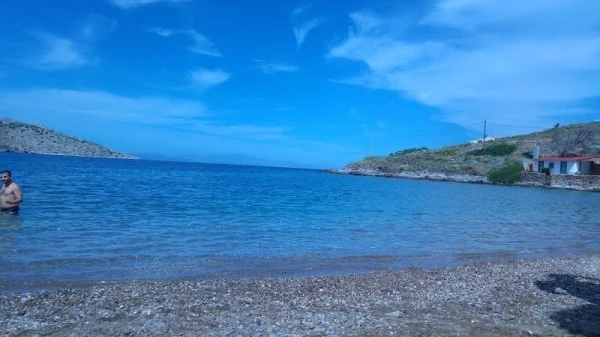
Less than 90 minutes from the city, the Lavrio coast hides a rugged beauty that few visitors reach. The area once fueled Athens’ prosperity with its silver mines. Today, you can still walk among rusted shafts and explore the turquoise coves that stretch toward Cape Sounion.
I followed the coastal road early one morning, stopping near Thorikos to visit the ancient amphitheater carved from stone. Locals were fishing quietly below the cliffs. The route ends at Temple of Poseidon, where the sea wind feels electric. If you pack a snorkel, explore the underwater rock tunnels nearby.
Grab a late Greek Lunch in Lavrio’s harbor before returning. Buses run hourly, but driving lets you linger longer at sunset.
2. Kea (Tzia) Island – Hikes, Beaches, and Simple Life
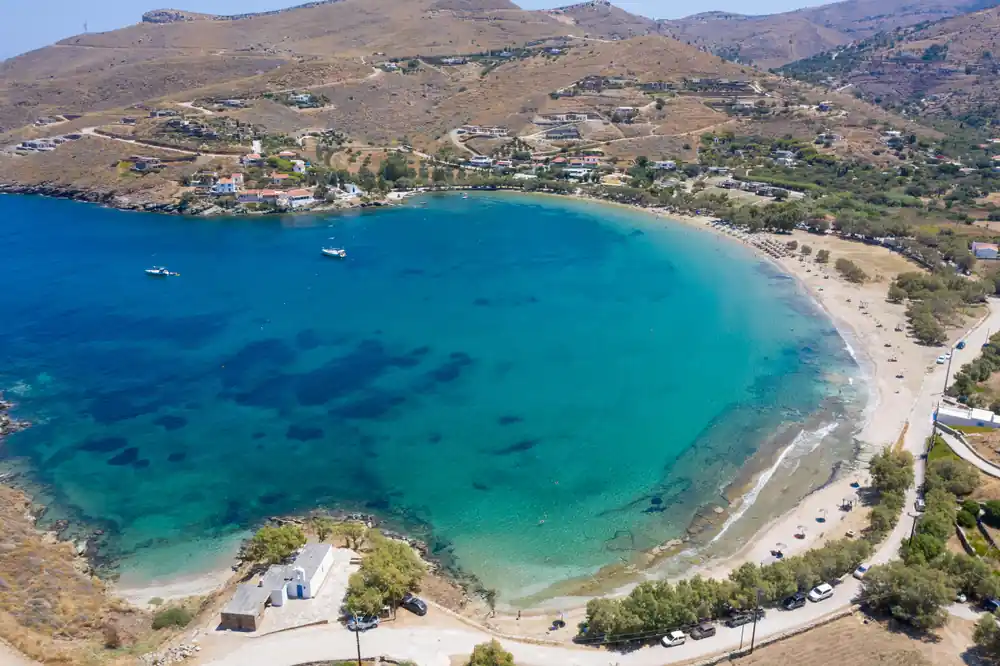
From Piraeus Port, a short ferry brings you to the Saronic Gulf, but for Kea, you’ll need to head to Lavrio. Morning ferries take about an hour. I always take the 8 a.m. crossing—it gives time to explore the island’s spine before the afternoon heat sets in.
The main town, Ioulis, climbs gracefully over terraced hills. Follow the old stone trails linking chapels and olive groves. Stop by the Temple of Aphaia site for a quiet moment and coastal views. Most visitors stick to the beach, but hiking to Koundouros reveals secret coves with crystal-clear water.
End your day with grilled fish and chilled wine at a local taverna before catching the return ferry. If delays happen, a quick water taxi ride to the next ferry is an easy fix.
3. Hydra & Dokos Loop – Whitewashed Calm and Secluded Bays

Among all Greek Islands, Hydra holds a special charm: no cars, only donkeys and sea paths. Ferries from Piraeus Port reach it in under two hours. I’ve taken this trip over a dozen times, and each visit feels like stepping into a painting.
Wander through narrow alleys lined with stone mansions from the Venetian occupation, then take a small boat to Dokos. It’s mostly uninhabited, a perfect escape for quiet swimming. The local bakery near Hydra harbor serves the best cheese pies before your return.
Evening ferries back to Athens reveal one of the most photogenic sunsets in Greece, rivaling any scene from the Cyclades Islands.
4. Sounion + Hidden Sea Caves – The Edge of the Aegean
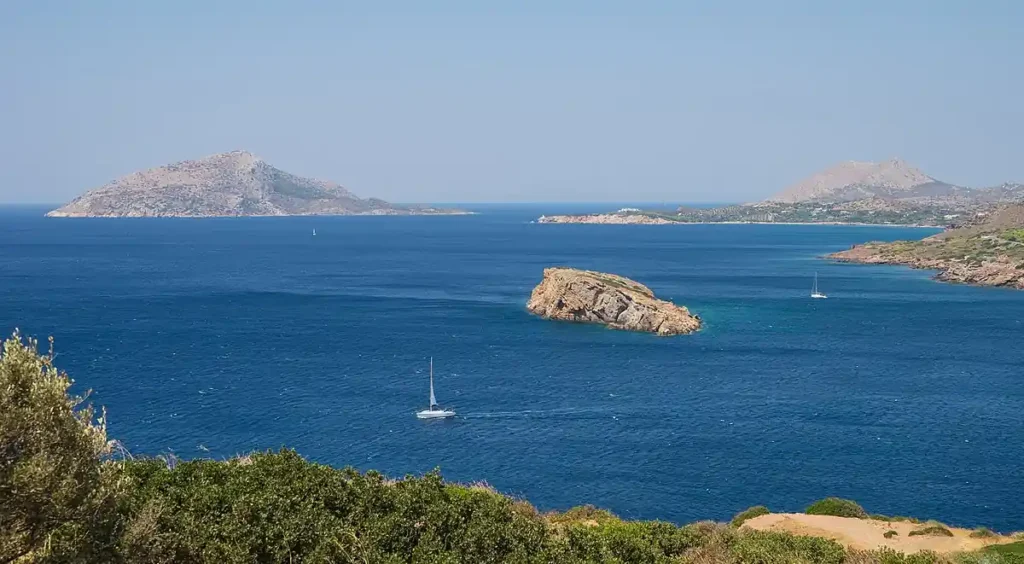
Every time I take the coastal drive south toward Cape Sounion, I’m reminded why locals love this road. It’s not only about the destination but the rhythm of waves brushing the cliffs along the way. Small beaches, turquoise inlets, and lookout points make it ideal for a short trip outside the city.
The highlight is the Temple of Poseidon, one of Greece’s most recognizable landmarks. Visit an hour before sunset when the columns turn golden against the Saronic Islands horizon. Beneath the cape, hidden sea caves are reachable by kayak or path. Locals swim there in late afternoons when tour buses start heading back.
On clear evenings, you can even see the faint glow of Kea and Kythnos across the Saronic Gulf. For dinner, nearby tavernas serve fresh octopus and chilled wine, a fitting Greek Lunch turned seaside feast.
5. Delphi via Arachova – Mountain Spirits and Timeless Stone
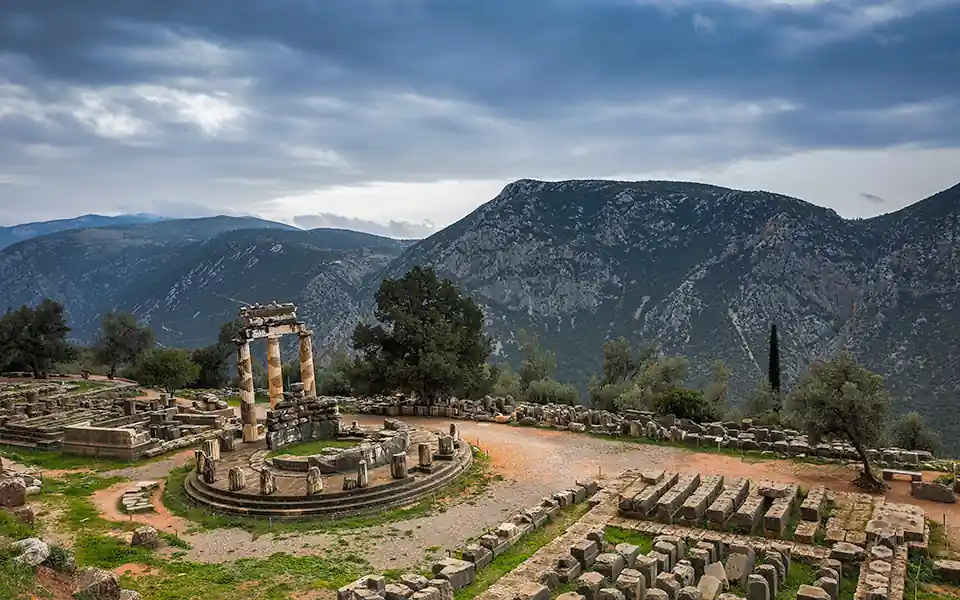
If you take only one inland trip from Athens, make it Delphi. It’s both scenic and deeply spiritual. Leaving early, the bus climbs past Thebes and the orchards of the Peloponnese Region, reaching the foot of Mount Parnassus. From there, the ancient sanctuary feels suspended between sky and stone.
The Temple of Apollo still dominates the slopes, surrounded by terraces that once hosted festivals and pilgrimages. Many travelers rush through, but I always take the side trail above the Athenian Treasury, where the valley opens dramatically toward the Gulf of Corinth.
Don’t miss the Castalian Spring, a quiet place where pilgrims once purified themselves before visiting the oracle. The site is a UNESCO World Heritage treasure and deserves unhurried exploration. Stop in nearby Arachova for coffee and mountain views before heading back.
6. Nafplio + Karathona Beach + Hidden Hill Villages
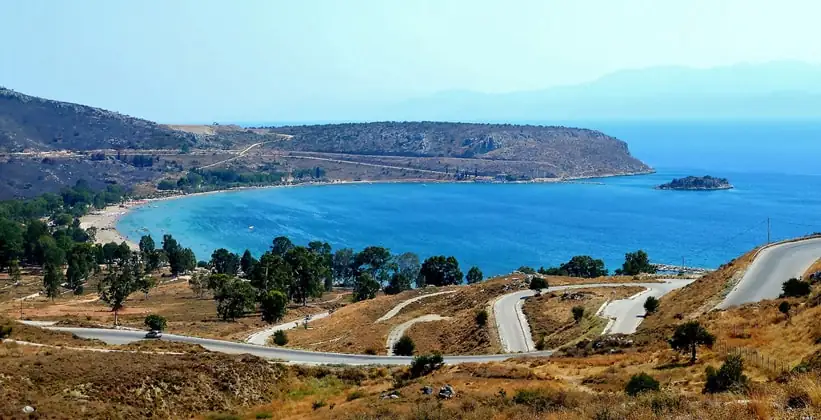
Few day trips from Athens combine romance, history, and coastline like Nafplio. Once the capital of modern Greece, it’s now one of the most graceful towns in the Argolis Peninsula. I first visited during winter, and the lack of crowds let me appreciate its layered history in peace.
Climb the Palamidi Fortress for panoramic views that stretch across the sea. Below it lies Bourtzi Castle, floating like a guard post in the bay. Wander through the Old Town, where narrow streets hide gelato shops and shaded squares.
For an extra adventure, rent a bike to follow the seaside path to Karathona Beach. If you have time, add a detour to the Mycenae Archaeological Site or the Sanctuary of Asklepios at Epidaurus—both easily reachable from here. The Treasury of Atreus nearby is another must-see, with its beehive structure linked to King Agamemnon and the Trojan War.
End your day at a taverna overlooking the harbor, watching lights reflect on the water. For me, Nafplio always feels like the perfect short trip that gives a taste of Greece’s heart.
7. Marathon & Schinias Wetlands – History Meets Coastal Calm

Every Athenian student grows up hearing about the Battle of Marathon, but few visitors go beyond the museum. A day trip from Athens here reveals how past and present merge. I started my morning at the Marathon Tomb, walking the ancient field where soldiers once stood. It’s quiet now, marked by olive trees and soft wind.
A few kilometers east lies Schinias National Park, a rare mix of pine forest, lagoon, and dunes. It’s ideal for a cycling loop or easy hike. You can spot herons and flamingos near the wetlands if you visit early. The Fountain of Peirene replica near the small museum adds a symbolic touch to the route.
Along the coast, small tavernas serve fresh fish with a view. If you don’t drive, buses from the Municipality of Athens run twice daily. Bring swimwear, snacks, and a light jacket—the sea breeze gets cooler toward evening.
Quick Tips for Non-Drivers
• Public bus: About 90 minutes from central Athens
• Bike rental: Near Marathon town center
• Food stop: Marathon Bay Taverna for grilled calamari
8. Evia Island (Kymi Side) – Waterfalls, Ceramics, and Sea Roads
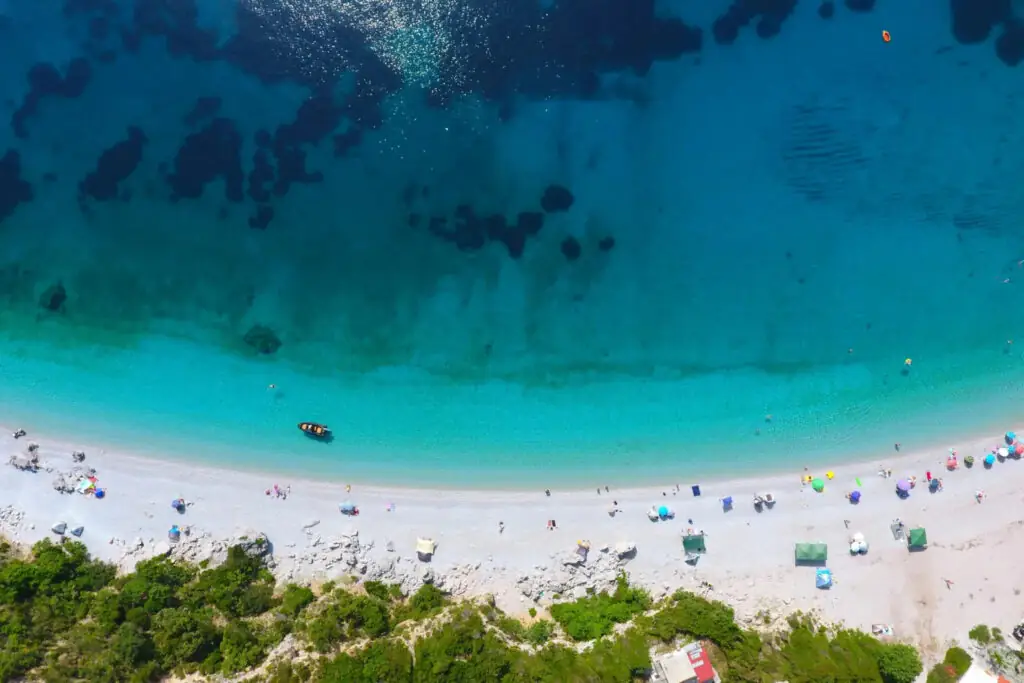
Evia feels like a mainland secret. From Athens, you can cross via bridge at Chalkida or take a small ferry. The route toward Kymi on the east coast passes through dense forests and old villages. I often take this as a day trip from Athens by car, but it’s doable with an early start and ferry return.
Hidden trails near Koutsouras lead to waterfalls tucked in lush greenery. The air here smells of pine and sea salt. Stop in small workshops that still produce hand-thrown ceramics—a quiet tribute to the island’s local culture.
Lunch at a family-run restaurant overlooking the cliffs is the reward after the drive. Roads curve dramatically, offering wide sea views of the Aegean. Ferry schedules can shift, so checking them through Ferry Hopper avoids surprises.
If weather changes, the Parnitha National Park north of Athens makes a great backup option for nature walks closer to the city.
9. Andros – Quiet Bays and Mountain Trails
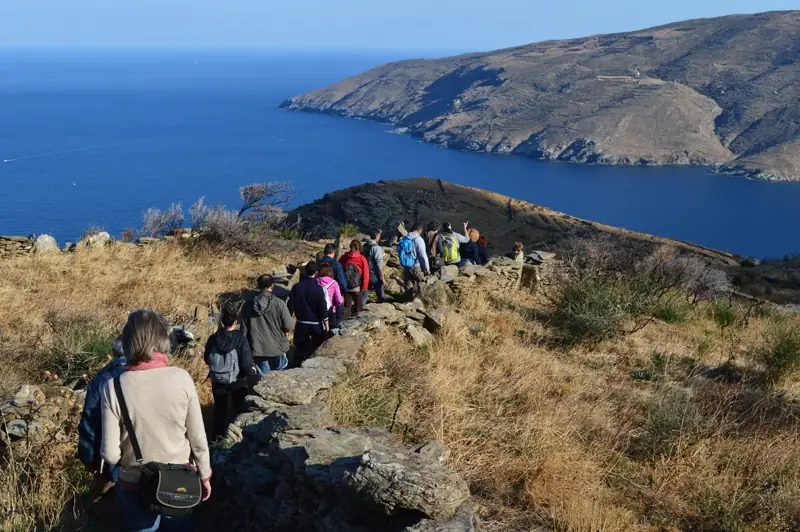
Among the Cyclades Islands, Andros stands apart. It’s greener, quieter, and perfect for hikers. I took the first ferry from Rafina at sunrise—two hours across calm seas. Once there, I joined a local walking group tracing old mule paths between mountain villages. The mix of olive terraces and stone bridges reminded me of Tuscany with a Greek heart.
Villages like Apikia and Menites have freshwater springs and tiny chapels shaded by plane trees. One path leads to a lookout over the Argolis Peninsula across the water, often clear on bright days.
For lunch, try stuffed vine leaves at a taverna in Chora before exploring secluded beaches like Achla or Vitali. Returning to Rafina by evening is easy, but I always stay a night—the silence of Andros after dark feels sacred.
10. Corinth, Acrocorinth & Inland Villages
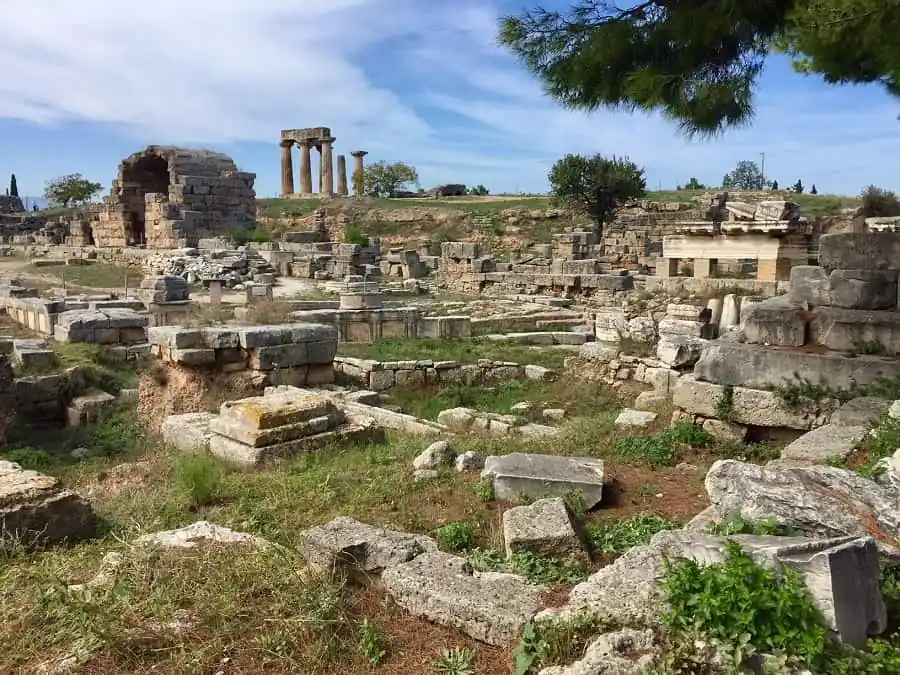
Driving west toward Corinth feels like entering another world. The flat plains give way to rugged hills before opening to the sparkling Corinth Canal, an engineering marvel that splits the mainland from the Peloponnese Peninsula. I still remember standing on the bridge, watching ships glide through the narrow limestone walls—it’s a sight that humbles every traveler.
A short climb leads to Ancient Corinth, where the Temple of Apollo stands against the skyline. Wander through the Fountain of Peirene, once a sacred spring that supplied the city. The small museum nearby displays fragments that trace life back to Linear A inscriptions and early trade days.
Above the town, Acrocorinth fortress rewards you with wide sea views and medieval towers. I stopped in the nearby village of Koutsi for a rustic Greek Lunch—olive oil, grilled meat, and local wine from family vineyards.
For travelers without a car, this is one of the easiest day trips from Athens by train, with taxis waiting at the station for the short ride up.
11. Poros + Troizina – Myths and Island Calm
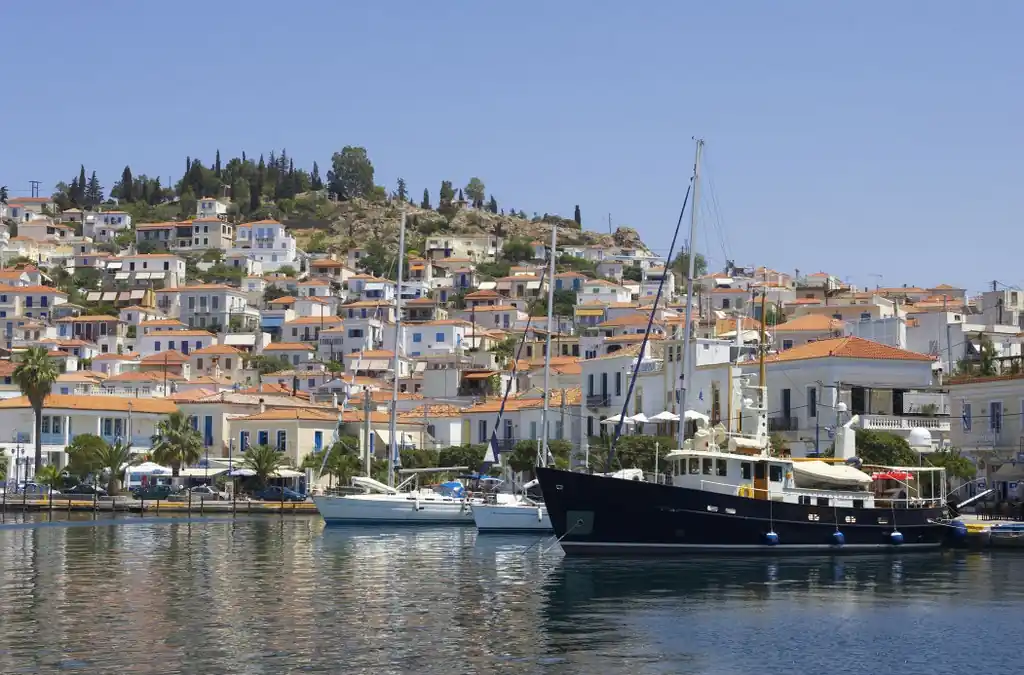
Poros sits close enough to the mainland to feel both island and peninsula. Ferries from Piraeus Port take about an hour, gliding across calm waters toward the Saronic Gulf. I usually combine this with a visit to Troizina, a short inland ride where Greek mythology lingers in the ruins.
Troizina is said to be the birthplace of Theseus, hero of the Argonautic expedition. Walk among olive groves to the Sanctuary of Asclepius, a quiet corner few tourists find. The silence there feels timeless. On Poros itself, the Neoclassical Aegina Town-style architecture adds a nostalgic charm.
Don’t miss a stroll around the Roman Agora area near the harbor, now a gathering place filled with cafés. If you’re exploring independently, Ferry Hopper is your best tool for checking multiple routes or pairing Poros with nearby Aegina or Hydra.
A short Greek Food Tour here easily fills the afternoon, ending with sunset coffee near the clock tower.
12. Kifissia Hills & Penteli Caves – Nature Near the City
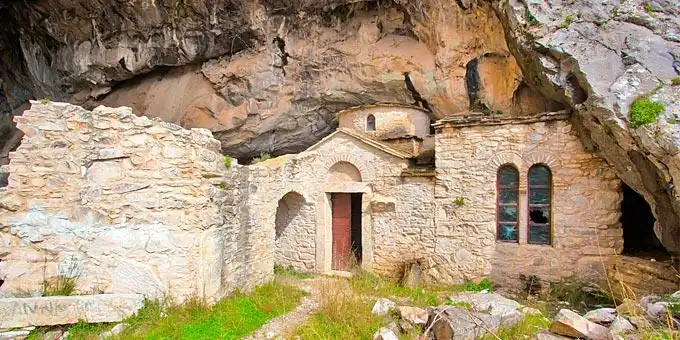
Not every escape needs a ferry ticket. The northern suburbs hide some of the easiest half-day adventures for those who prefer day trips from Athens without a car. Kifissia’s leafy streets lead to Mount Pendeli, home to old quarries and the mysterious Davelis Cave system.
The cave’s cool air and flickering candlelight give it an otherworldly feel. Nearby monasteries still carry Byzantine frescoes, especially around the Palamidi Castle-inspired hilltop chapels built during the Venetian occupation. Hike the forest loop or stop at a viewpoint that overlooks the city—locals often picnic here on weekends.
I usually end my day at a small café in Kifissia’s center before taking the metro back to Syntagma Square. It’s a reminder that you don’t always need long drives to feel far from city noise.
Nearby Alternatives:
• Ancient Ramnous – quiet ruins near Marathon coast
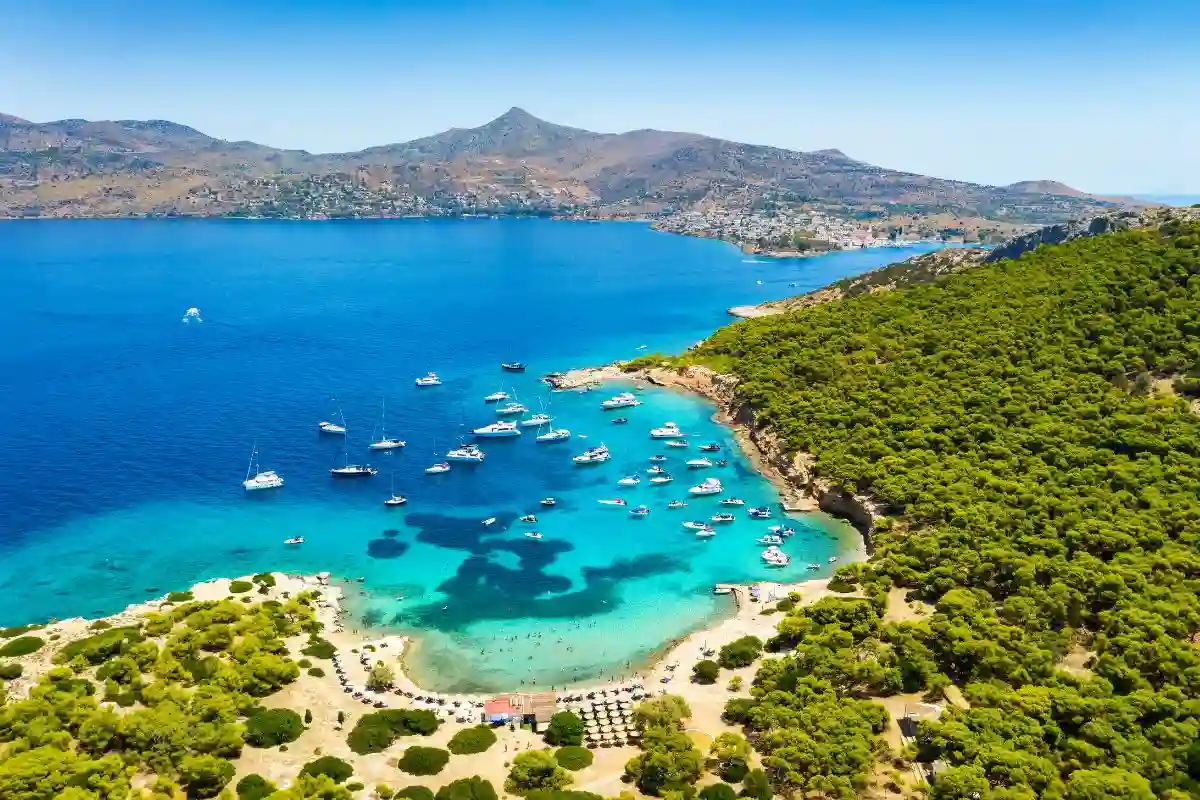
• Porto Germanos – remote bay, clear water, ideal for summer swimming
• VR Guide apps now include these as virtual previews before you go
For solo travelers or digital nomads, this area feels completely safe. It’s especially ideal for Solo Woman Traveling who want a balance of quiet exploration and city access.
Route Clusters & Multi-Stop Sequencing
Planning your day trips from Athens in clusters saves time and energy. Many of these routes connect by road, ferry, or short bus rides. With smart sequencing, you can explore two or three destinations in one outing without feeling rushed.
1. The Southern Coastal Circuit
Best for: Seaside scenery, archaeology, and local tavernas.
Start early from the city center and follow the coastal road toward Cape Sounion. Stop at Lavrio’s harbor, then continue to the Temple of Poseidon before noon. Afterward, relax in hidden coves or visit Porto Germanos for a swim in clear waters.
A perfect short trip combination if you only have one free day.
Suggested Route Table
| Stop | Travel Time (each leg) | Highlights | Notes |
|---|---|---|---|
| Athens → Lavrio | 1 hr drive | Ancient mines, small port | Optional ferry to Kea |
| Lavrio → Cape Sounion | 30 min | Temple of Poseidon, sea caves | Go for sunset light |
| Cape Sounion → Porto Germanos | 50 min | Quiet bay, swimming | Excellent tavernas nearby |
Tips: Take snacks and plan dinner along the coast. Public buses (E22) cover part of this route if you don’t drive.
2. The Myth & Mountain Trail
Best for: History lovers, mountain views, and ancient sites.
This circuit connects the heart of Greek mythology. Start with Ancient Corinth and the Corinth Canal, then continue north toward Delphi through scenic farmland. Along the way, you’ll pass vineyards, stone villages, and even stop for coffee near Mount Parnassus.
Add a quick side visit to the Sanctuary of Asclepius or the Mycenae Archaeological Site if you have two days. The entire route feels like a living museum, dotted with reminders of heroes from the Trojan War and the era of King Agamemnon.
Route Breakdown
| Destination | Distance from Athens | Best For | Travel Tip |
|---|---|---|---|
| Corinth Canal | 85 km | Landmark photo stop | Arrive early, fewer buses |
| Ancient Corinth | 90 km | Temple of Apollo, museum | Combine with Acrocorinth hike |
| Delphi | 180 km | UNESCO World Heritage site | Take mountain route for views |
| Mycenae | 120 km | Treasury of Atreus, beehive tomb | Great midday break |
Insider note: if you’re using affiliate links or booking resources online, check combo tours through platforms integrated with Amazon Services LLC—they often include both Delphi and Corinth at fair prices.
3. The Island Hopping Triangle
Best for: Ferry lovers, seaside lunches, and culture seekers.
From Piraeus Port, you can link three Greek Islands easily in one or two days: Aegina, Poros, and Hydra. They’re connected through local ferries and water taxi services.
Morning ferries take you to Aegina, where you can visit the Temple of Aphaia. Continue to Poros for a Greek Food Tour, then spend the evening wandering Hydra’s harbor. Return to Athens on the last ferry by 9 p.m.
One-Day Ferry Plan (via Ferry Hopper)
| Time | Route | Duration | Activity |
|---|---|---|---|
| 7:30 AM | Athens → Aegina | 1 hr | Visit Temple of Aphaia |
| 10:30 AM | Aegina → Poros | 1 hr 15 min | Café stop near Roman Agora |
| 1:00 PM | Poros → Hydra | 1 hr | Stroll old lanes, local art shops |
| 6:30 PM | Hydra → Athens | 2 hr | Sunset views at sea |
The Saronic Gulf crossings are calm, and island schedules appear weekly under New Releases on ferry apps. Always double-check before boarding.
For travelers seeking unique souvenirs, browse the small shops on Aegina’s pier. Many carry handmade jewelry and pottery ideal for Gifts & Inspiration back home.
Best Times of Day, Light & Photography Strategy
Travel photography around Athens rewards patience and timing. Whether you’re visiting mountain ruins or island ports, the right light changes everything. After years of exploring these routes, I’ve found that the magic usually happens in the first and last hours of the day.
Morning Light
Start early for quiet streets and soft shadows. Around Syntagma Square, the sunrise reflects off marble façades, giving even everyday scenes a glow. The same goes for the slopes near the Temple of Zeus, where morning light enhances details often lost by midday.
If you’re visiting the Acropolis Museum, go right at opening. Crowds are light, and sunlight filters gently through its glass walls, creating clear angles for interior shots. For mountain destinations like Delphi or Meteora monasteries, the morning haze often lingers just long enough for dreamy landscapes.
Best Morning Photo Spots:
• Temple of Poseidon – sun rises behind the cliffs
• Corinth Canal – catch the ships’ reflections before traffic builds
• Mount Parnassus – fog in valleys below Delphi
• Ancient Mycenae – soft gold over beehive tombs
Midday Clarity
While midday light is harsh, it’s ideal for photographing beaches and bright villages. Use this time in the Peloponnese Region or Saronic Islands, where color and contrast look best under a clear sky. The Palamidi Fortress and Bourtzi Castle both photograph beautifully when the sea turns deep blue.
If you’re carrying gear, pack a polarizing filter to cut glare and enhance water tones. Always carry extra batteries, especially on long day trips from Athens to islands, where charging spots are rare.
For food photographers, midday is perfect for capturing traditional meals. I often shoot during Greek Lunch hours when tavernas plate colorful mezze and seafood. Ask permission first—it’s part of respecting local hospitality and culture.
Golden Hour & Twilight
Evening light transforms Greece. As sunset nears, head for Cape Sounion or the Argolis Peninsula. The Temple of Poseidon becomes fiery orange against the Aegean backdrop. Locals often bring picnics or light snacks while waiting for the last rays to hit the marble columns.
In cities, twilight reflects beautifully on wet pavements after light rain—especially near Old Athens and Roman Agora, where lamps begin to glow. If you’re photographing people, avoid flash and let the soft ambient tones guide your frame.
Evening Highlights Table
| Location | Best Time | Notes |
|---|---|---|
| Nafplio (Palamidi Fortress) | 7:30–8:30 PM | Sunset behind Bourtzi, long exposures |
| Delphi | 6:00–7:00 PM | Golden shadows on terraces |
| Hydra Harbor | 8:00 PM | Reflections on still water |
| Meteora monasteries | 6:30–8:00 PM | Silhouettes over stone pinnacles |
Always carry a lightweight tripod for low light. For ferry travelers, stand near the deck railing during return trips from Aegina or Hydra—you’ll catch the skyline of Athens framed against orange skies.
Food, Local Culture & Hidden Delights
Greek cuisine is inseparable from its geography. Every day trip from Athens opens a new taste of the country’s regional character. Whether it’s a seaside plate in Poros or a mountain meal near Delphi, food here always reflects the land and season.
I’ve learned that locals rarely rush meals. A Greek Lunch is more than eating; it’s a ritual. You’ll see families linger for hours over grilled fish, bread soaked in olive oil, and chilled retsina. In small towns like Nafplio or Ancient Corinth, the owner usually joins you for a chat about local wine or village life.
Typical Dishes Worth Trying
• Fresh octopus or sardines along the Saronic Gulf
• Roasted lamb and oregano potatoes in the Peloponnese Peninsula villages
• Cheese pies from Hydra or Andros bakeries
• Honey and thyme yogurt from mountain towns near Mount Parnassus
Street food in Old Athens still carries tradition too. Try souvlaki near Monastiraki or koulouri bread rings early morning from vendors near Syntagma Square. If you have a few hours before your ferry at Piraeus Port, grab spanakopita from a small bakery opposite Gate E8—it’s one of the best I’ve found in years of passing through.
Local art tells Greece’s quieter stories. Many villages still rely on handcraft traditions shaped by centuries. Pottery in Evia, olive oil presses in the Argolis Peninsula, and weavers in Arachova keep these alive. The Venetian occupation influenced architecture, especially in port towns where neoclassical façades line the harbor.
During festivals, food and culture merge perfectly. If you time your visit around Orthodox Easter or summer feasts, you’ll witness music, dancing, and endless plates of roast lamb and sweets passed among strangers. These moments reveal what guidebooks often miss—the warmth that defines Greek hospitality.
Locals also value conversation. If someone invites you to join a family meal or village celebration, accept. Even basic phrases from language guides show respect and spark smiles.
Markets are another window into local life. I never skip the weekend markets near Roman Agora or the fish stalls around Kallithea. Here, I’ve met cooks who share recipes and fishermen explaining daily catches. It’s where you find authenticity—people living their culture, not performing it.
For travelers collecting keepsakes, choose sustainable crafts. Small co-ops often promote fair-trade ceramics and handmade textiles. Supporting them not only preserves tradition but strengthens the local culture that gives Greece its soul.
And if you’re looking for new products or travel accessories for your next journey, explore the New Releases sections of trusted travel stores linked through verified affiliate links. Many are part of Amazon Services LLC, offering quick access to quality gear used by travelers across Greece.
Safety, Accessibility & Tips for Non-Drivers
Traveling around Greece is safe and welcoming, but a few small details can make your day trips from Athens easier and smoother. Years of riding local buses, ferries, and taxis have taught me what to expect and how to adapt.
Public Transport & Navigation
Athens has reliable public systems, though schedules vary by season.
- For seaside routes, the E22 bus runs directly from Syntagma Square to Cape Sounion. It’s one of the cheapest and most scenic transfers to reach the Temple of Poseidon without driving.
- For inland travel, KTEL buses cover most historic sites like Delphi and Ancient Corinth.
- Trains link to Chalkida and northern towns, but ferries remain the best for Greek Islands and Saronic Islands day routes.
When ferries are full, small water taxi services often fill the gap between ports. They’re fast, cash-only, and ideal if you miss the last scheduled ferry.
Apps like Ferry Hopper and Google Maps help plan transfers easily. Always download offline routes in case you lose signal in rural areas like the Peloponnese Region.
Safety on Roads & Trails
Greek roads are generally well maintained, but mountain routes near Mount Pendeli or Parnitha National Park can get slippery after rain. Drive defensively and avoid rushing curves.
If you rent a car, check insurance coverage for ferry crossings, as some companies restrict island travel.
For solo travelers, especially women, Greece is one of Europe’s safest destinations. I’ve traveled through dozens of small towns and islands alone, and locals are protective and kind. Still, share your route when hiking or exploring late. This advice matters most for Solo Woman Traveling, especially around remote beaches or rural roads after dark.
Accessibility & Comfort
Historic sites like Ancient Mycenae and Bourtzi Castle often have uneven surfaces. Wear sturdy shoes and bring a walking stick if you have balance concerns. Larger museums, including the Acropolis Museum and the UNESCO World Heritage complex at Delphi, offer wheelchair ramps and lifts.
Public ferries provide accessible seating, though smaller island docks might require assistance. In those cases, local crew are quick to help. I’ve seen this firsthand when elderly passengers disembarked at Aegina and Hydra—there’s always a helping hand.
If you prefer not to manage logistics, join an organized tour from Athens. Many operators combine multiple sites like the Temple of Artemis, Venizelos Airport pickup, and return transfers at fair prices. It saves planning stress and ensures timing with connecting ferries.
Essentials for Safe Travel
• Copy of ID and hotel address (many small ports lack signal)
• Sunscreen, hat, and refillable bottle — Greece’s heat dehydrates fast
• Small first-aid kit for hiking routes near Ancient Ramnous or Porto Germanos
• Cash in small notes for cafés or Greek Food Tour stops in rural towns
Every journey becomes easier when you prepare a little in advance. Respect local pace, follow road signs carefully, and you’ll experience the country with calm confidence.
Sample Itineraries & Time Budgets
Planning day trips from Athens can feel overwhelming at first, but timing makes everything easier. After dozens of routes tested over the years, these itineraries balance exploration with rest. They work whether you drive, join an organized tour, or rely on ferries.
One Perfect Full-Day Escape – Sounion Coastline Loop
Start early from Syntagma Square around 7 a.m. Grab a light breakfast and follow the coastal road south. Stop briefly in Vouliagmeni for coffee before continuing to Cape Sounion. Spend an hour exploring the Temple of Poseidon before midday crowds arrive.
By noon, drive or bus toward Porto Germanos for a swim and Greek Lunch at a seaside taverna. Afternoon hours are best for walking the cliffs or snorkeling near sea caves. Head back to Athens by sunset and end your evening near Old Town, where you can photograph the Temple of Zeus glowing under city lights.
This route is perfect for first-time visitors who want history, views, and relaxation without ferry schedules.
Two-Destination Combo – Delphi & Arachova Highlands
This itinerary blends myth with mountain beauty. Depart at 6:30 a.m. for Delphi, passing Ancient Corinth and the Corinth Canal along the way. Arrive at the UNESCO World Heritage site before 10:30 a.m. Spend two hours at the Temple of Apollo and nearby Athenian Treasury.
After lunch, stop in Arachova for local wine and a view of Mount Parnassus. If time allows, visit Saint Nektarios Monastery or a nearby crafts market. Drive back to Athens in the evening with golden light across the mountains.
Travelers without cars can book this through a local organized tour, which includes return transfers, guide commentary, and often a short detour to the Sanctuary of Asclepius.
Quick Essentials
• Carry snacks and water; roadside cafés can be sparse
• Wear layers — mountain weather shifts fast
• Keep camera batteries charged for mountain light
Easy Half-Day Option – Penteli Hills & Local Monasteries
For those tight on time, this is one of the simplest short trips from the capital. Take the metro or a local bus to Kifissia, then ride uphill toward Mount Pendeli. The caves and forest trails stay cool even in summer. Nearby monasteries hold fragments of frescoes from the Venetian occupation era.
If you prefer something closer, try Parnitha National Park north of Athens for a picnic and short hike. You’ll find trails suitable for families or older travelers. End the day with coffee in Kifissia before heading back to the city for dinner.
The route is quiet, affordable, and ideal for testing new travel gear or photography accessories from New Releases in online stores linked through verified affiliate links.
Cost Breakdown & Budget Templates
Knowing what to expect helps you plan smarter. Costs for day trips from Athens depend on distance, transport type, and whether you travel independently or join an organized tour. Over time, I’ve learned to plan for small surprises — an extra ferry snack, museum ticket, or irresistible dessert at a village taverna.
Typical Daily Costs
Low Budget (40–60 EUR)
Ideal for travelers using public transport or shared transfers.
- KTEL bus or E22 bus to Cape Sounion or Corinth
- Simple Greek Lunch or street food in Old Athens
- One museum ticket (usually under 10 EUR)
- Coffee or ice cream during breaks
Moderate Budget (70–120 EUR)
Balanced comfort with flexibility.
- Round-trip ferry ticket from Piraeus Port to nearby Saronic Islands
- Lunch at a mid-range taverna with sea view
- Entry to major sites like the Temple of Poseidon or Temple of Apollo
- Optional local taxi or water taxi
- Small souvenirs or local products
Premium Budget (150–250 EUR)
For travelers seeking private guides, rental cars, or organized tours.
- Car rental or private transfer to Delphi or Peloponnese Peninsula
- Dining with wine and dessert at a quality restaurant
- Extra activities like kayaking or local Greek Food Tour
- Optional overnight stay or guided add-on such as a UNESCO World Heritage museum visit
These ranges reflect typical 2025 prices across the Peloponnese Region and coastal islands. Ferries to Greek Islands vary seasonally; summer months are highest.
How to Save Without Cutting Experience
Over the years, I’ve found simple habits that keep travel affordable without missing the real charm of Greece.
- Travel midweek. Ferry and train tickets drop in price outside weekends.
- Bring snacks and refillable bottles; beach cafés charge double for water.
- Skip high-end souvenirs. Local crafts in Evia and Nafplio cost half the price of tourist shops.
- Visit major sites early or late to avoid guided group surcharges.
- Use reward programs from travel retailers under Amazon Services LLC for gear and electronics.
- Check affiliate links on official tourism portals; they sometimes include discount bundles for site passes.
Budgeting for Cultural Stops
Many travelers underestimate small entry fees. Always keep some cash for:
• Churches and chapels around Delphi or Saint Nektarios Monastery
• Local buses between villages near Ancient Mycenae
• Ferry transfers among Saronic Islands via Ferry Hopper
And don’t forget Athens itself. Visiting the Temple of Zeus, Olympian Zeus, or the Acropolis Museum can fill an entire day before venturing outward.
Museums sometimes feature special exhibits. In 2025, one collection displayed artifacts from the Naxian Sphinx, originally from Delphi — a rare chance to see such pieces outside their home site. Keep an eye on local calendars for those seasonal highlights.
Seasonality & Calendar Considerations
The best day trips from Athens depend on timing. Greece’s landscape shifts with the seasons — spring’s soft colors, summer’s sharp light, autumn’s calm seas, and winter’s crisp air. Knowing when to go helps you see each place at its finest.
Spring (March to May)
Spring is my favorite time to explore. Wildflowers bloom across the Peloponnese Peninsula, and ferry routes to the Saronic Islands resume regular schedules. Temperatures stay mild, between 18°C and 25°C, perfect for hikes around Mount Parnassus or picnics near Ancient Ramnous.
Local festivals start, too. Villages celebrate Easter with fireworks, music, and endless plates of lamb. If you plan early, book ferry tickets through Ferry Hopper before prices rise. Many routes release New Releases of summer timetables in April, which fill fast.
Essential spring gear includes sunscreen, a windbreaker, and sturdy shoes for uneven paths near ruins like Ancient Corinth and the Temple of Apollo.
Summer (June to August)
Summer brings energy but also heat. Expect 33–37°C in Athens, sometimes higher near Cape Sounion. Early starts matter — reach the Temple of Poseidon or Temple of Zeus before 9 a.m. and swim by noon.
Island trips peak now. Ferries to the Greek Islands and Cyclades Islands sell out quickly, especially on weekends. If you prefer quiet, aim for smaller escapes like Porto Germanos or Neoclassical Aegina Town, which stay lively but not crowded.
I always pack two essentials: a hat and refillable bottle. Summer winds, known as meltemi, can delay ferries. Always check updates from Venizelos Airport or the official coast guard channels before returning to Piraeus Port.
Autumn (September to November)
Autumn feels like Greece exhaling. The crowds thin, the sea stays warm, and prices drop by nearly 30%. This is when I revisit places like Nafplio, Hydra, and Delphi. Trails around Palamidi Fortress glow with golden light, and vineyards on the Argolis Peninsula begin harvest.
For culture lovers, it’s the ideal time to enjoy museum exhibitions or join a Greek Food Tour inland. Athens’ humidity fades, and evenings in Old Town fill with live music again.
Pack light layers. Autumn rain showers pass quickly, but mountain roads can get slippery — especially near Mount Pendeli or Parnitha National Park. Ferry schedules slowly reduce after mid-October, so plan routes ahead.
Winter (December to February)
Winter strips Greece back to its essence. The air feels clear, and even busy sites like the Acropolis Museum or Roman Agora turn peaceful. You can visit Meteora monasteries or Ancient Mycenae without queues, and hotel prices drop by half.
If you enjoy solitude, drive north to the Peloponnese Region or take a misty hike around Delphi. Cafés near Syntagma Square stay open year-round, serving hot chocolate and loukoumades — a sweet local comfort after a cold morning.
The only limitation is reduced ferry service. Routes to Saronic Islands remain, but smaller Greek Islands cut frequency. Keep an eye on affiliate links from major booking platforms for discounted winter organized tour bundles.
Final Thoughts
Athens rewards those who look beyond its busy streets. The ruins, cafés, and hilltop views are only half the story. The real magic lies in the quiet corners just beyond — places where locals escape for fresh air, food, and calm. These day trips from Athens show how close that balance is.
From the cliffs of Cape Sounion to the vineyards of Ancient Corinth, every route reveals something different about Greece’s heart. The islands bring simplicity, the mountains bring silence, and the villages bring hospitality that feels timeless. After years of traveling these paths, I still find surprises — a hidden chapel, a fisherman’s café, a trail that ends with the sea stretching endlessly ahead.
Plan with care, but leave room for spontaneity. Ferries may change, weather might shift, yet Greece always gives back more than expected. Respect local rhythm, greet strangers, and carry curiosity wherever you go.
If you’re preparing your own journey, pick one or two themes — coastlines, ruins, or island life. Download maps, check Ferry Hopper, and pack lightly. Whether you stand before the Temple of Apollo, walk through Old Athens, or watch sunset from the Palamidi Fortress, each moment adds another layer to your understanding of this country.
And when you return to the city lights, you’ll carry that quiet contrast with you — proof that adventure doesn’t always require distance, only attention. That’s the secret every local already knows.
FAQs & Traveler Concerns
1. Can I do all 12 day trips in one trip?
Technically yes, but it would take at least three weeks. Choose four or five that match your interests instead. If you love coastlines, focus on Cape Sounion, Hydra, Poros, and Kea. History fans should plan for Delphi, Corinth, and Ancient Mycenae.
2. Which trips are easiest without a car?
The simplest day trips from Athens without a car include Cape Sounion via the E22 bus, Aegina or Poros by ferry from Piraeus Port, and Delphi by organized tour. For close nature escapes, Parnitha National Park and Mount Pendeli are reachable by metro and taxi.
3. What happens if a ferry is canceled?
Greek ferry delays are common in summer when meltemi winds rise. Always have a backup like Porto Germanos or Old Athens strolls. Apps such as Ferry Hopper post live schedule updates and refund links.
4. Is it safe to return late at night?
Yes. Most areas around Syntagma Square, Roman Agora, and Old Town stay lively until midnight. On islands, ports are well-lit, and water taxi crews often wait for late ferries. Still, confirm your last ride before dark.
5. How early should I leave Athens for longer routes?
For Delphi or Nafplio, leave by 6:30 a.m. For Cape Sounion, 8 a.m. is fine. The Temple of Poseidon gets crowded fast, and reaching early rewards you with golden light and silence.
6. Are these trips kid-friendly?
Yes. Kids enjoy Hydra’s car-free streets, Bourtzi Castle, and beaches around Saronic Islands. Bring hats, water, and snacks for longer transfers. Many museums like the Acropolis Museum and UNESCO World Heritage sites now include interactive exhibits for families.
7. Are guided tours worth it?
For first-time visitors, yes. Local guides reveal details you’d miss — myths tied to King Agamemnon, the structure of the Treasury of Atreus, or carvings on temple stones. Private organized tours also manage transfers, making complex routes easier.
8. What’s the best season for photography?
Spring and autumn. The Saronic Gulf waters are calm, hills stay green, and ruins like the Temple of Apollo and Palamidi Fortress glow under soft light. Summer is better for beaches, but midday glare can flatten photos.
9. Are there religious or cultural etiquette tips I should know?
Yes. Dress modestly when entering monasteries like Saint Nektarios Monastery or smaller chapels. Avoid loud conversation during services. Locals appreciate quiet respect more than perfect Greek — polite greetings and smiles go far.