Cascada de Tamul: Best Time and Routes You Need to Know

Some places earn their reputation quietly, others announce themselves long before you arrive. Cascada de Tamul does the second. You hear it before you see it. A deep, constant roar rolling through the Huasteca Potosina, bouncing off limestone walls and thick jungle.
The first time I paddled up the Río Tampaón with a local boatman from Tanchachín, he cut the engine and said nothing. He let the sound explain the rest.
I have visited cascada de tamul more than once, in different seasons, with different water levels, and different moods in the river. Each visit taught me something new about timing, access, and expectations.
Cascada de tamul is not a quick roadside stop. It demands effort, patience, and respect for the river. That is also why it stays memorable long after you leave San Luis Potosí.
This guide is built from real visits, local conversations, and mistakes I learned from the hard way. It covers when to go, how to reach it, what to expect on the canoe ride, and how to decide if cascada de tamul fits your travel style.
Where Is Cascada de Tamul Located in Mexico?
Cascada de Tamul sits in eastern Mexico, in the state of San Luis Potosí, within the lush Huasteca Potosina region. The nearest practical base is Ciudad Valles, a working city that acts as the gateway to most cascada huasteca potosina attractions.
From Ciudad Valles, you travel southwest toward the small rural community of Tanchachín. This village matters. It controls river access, canoe operations, and local guiding. Most visitors overlook this detail, but building good rapport here changes your experience.
On my second visit, the same family ran our canoe as the year before. They remembered us, adjusted the pace, and pointed out calmer eddies most tourists never notice.
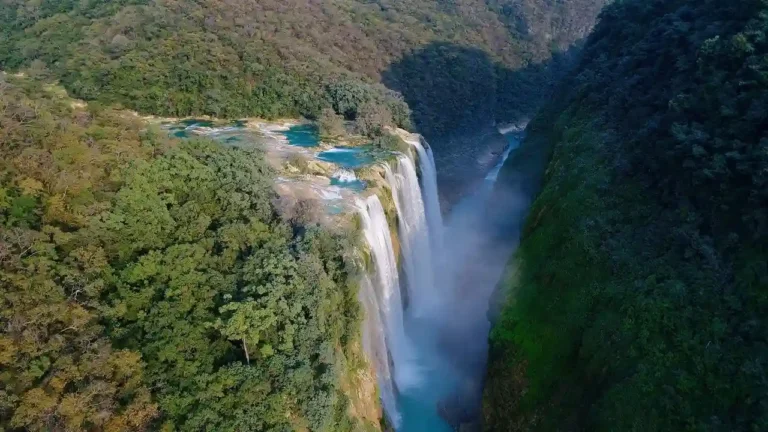
The waterfall itself is formed where the Río Gallinas drops dramatically into the Río Tampaón. That meeting point explains the powerful flow and the deep turquoise color that shows up so clearly in cascada de tamul photos.
How Tall Is Cascada de Tamul?
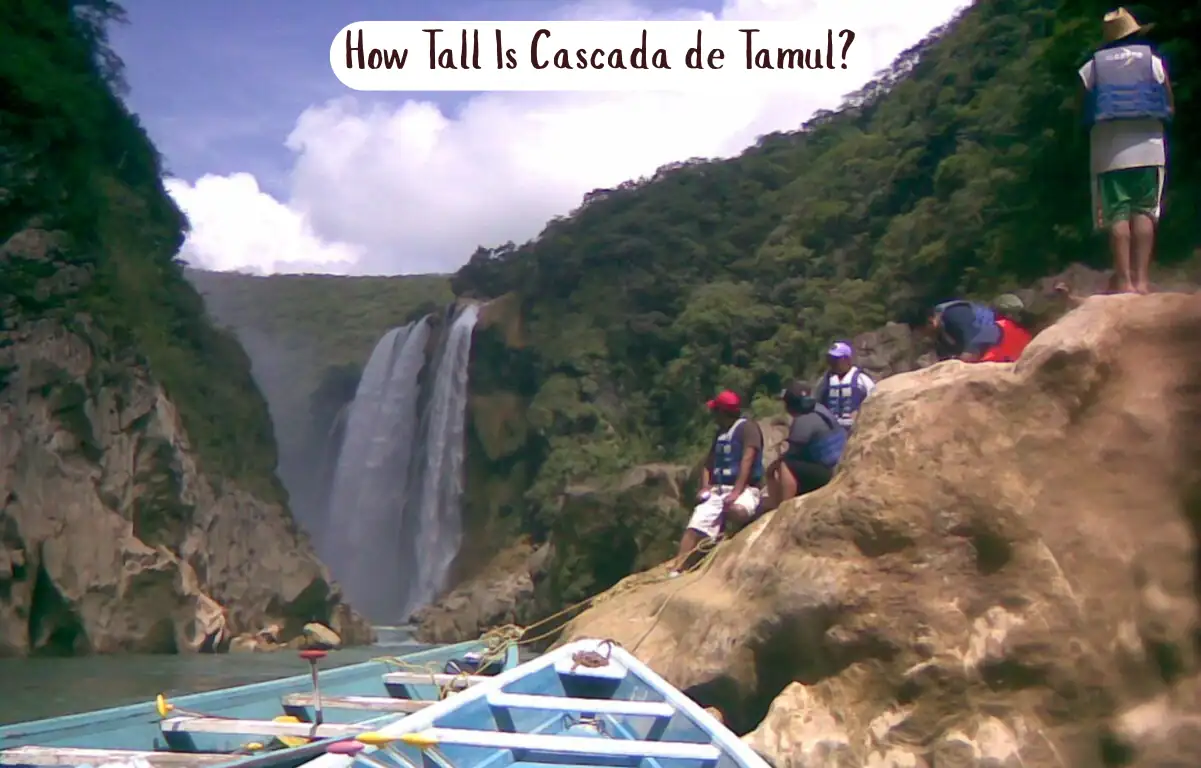
Cascada de Tamul stands at roughly 105 meters, around 344 feet. That makes it the tallest waterfall in San Luis Potosí and one of the most imposing in eastern Mexico.
Numbers help, but scale matters more. Standing at the base during the rainy season feels humbling. The mist pushes outward with force, soaking you before you get close.
During drier months, the vertical rock face becomes more visible, and you can clearly see how the river carves its way down the canyon.
I have visited cascada el meco and Tamasopo Falls, both beautiful in their own way. Neither delivers the same sense of raw power. Tamul feels less curated and more elemental, especially when the river runs high.
Read more: 17 Best Safest Cities in Mexico for First-Time Travelers – Ranked 2026
Why Cascada de Tamul Is One of Mexico’s Most Famous Waterfalls
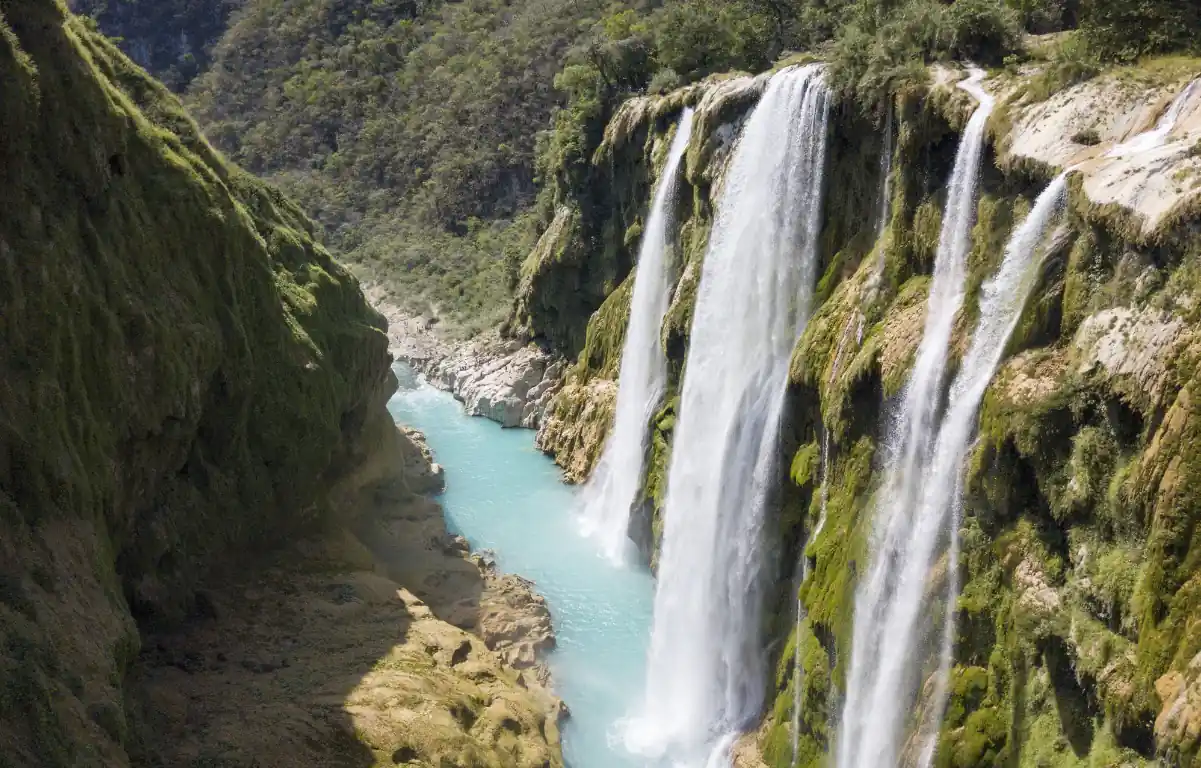
Several things set cascada de tamul waterfall apart.
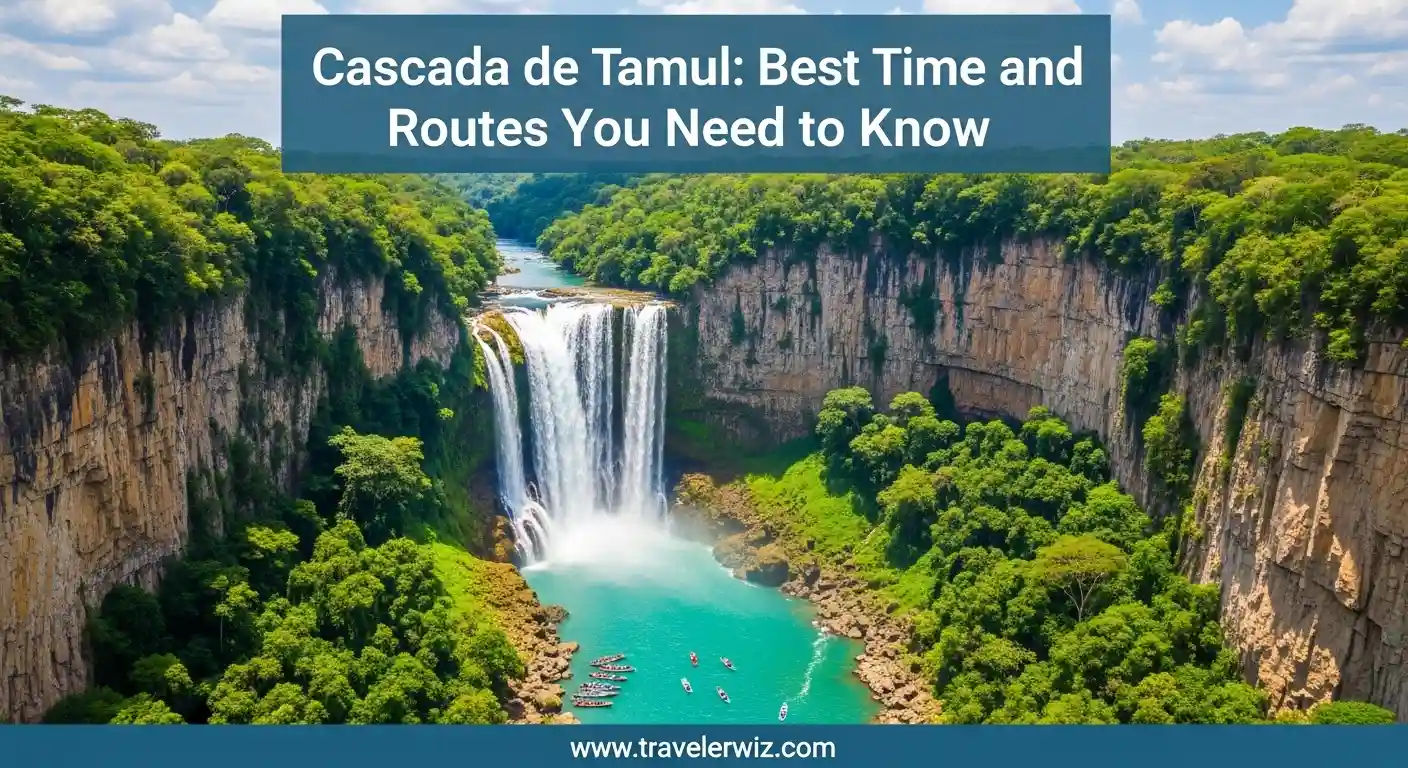
First, access. You do not walk in casually. You approach by canoe, paddling upstream against a steady current. That journey builds anticipation and filters out rushed visitors. It also explains why cascada de tamul tours vary so much in quality. A skilled boatman makes the ride smooth and safe. An inexperienced one turns it into work.
Second, water color. The Río Tampaón carries mineral-rich water that shifts between deep emerald and bright turquoise, depending on light and season. This is why photographers chase cascada de tamul photos during late morning when the sun hits the canyon walls directly.
Third, scale within context. The surrounding jungle, steep limestone cliffs, and relative lack of commercial development give Tamul a wild feel that many better-known waterfalls have lost.
Locals often refer to the area as La Morena Tamul, a name tied to regional folklore and the darker tones of the canyon during high water. These cultural layers are easy to miss if you rush, but they surface naturally if you take time to talk with guides and families in Tanchachín.
Best Time to Visit Cascada de Tamul
Timing changes everything here. I learned this after visiting in both peak rain and late dry season.
Cascada de Tamul in the Rainy Season
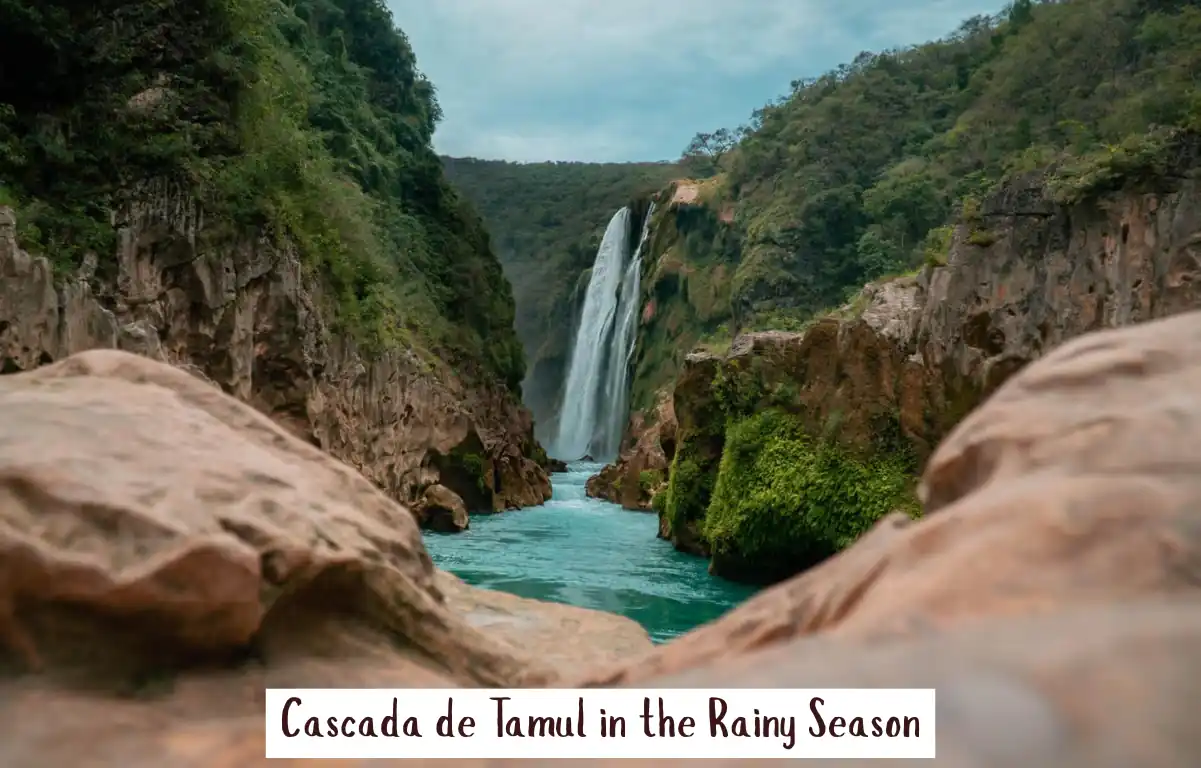
Rainy season runs roughly from June through September. This is when cascada de tamul is at its most dramatic. The waterfall is wide, loud, and powerful. Canoe rides take more effort, and swimming is usually restricted near the base.
Pros
• Maximum water volume
• Strong visual impact
• Best for dramatic photography
Cons
• Strong currents
• Limited swimming access
• Occasional closures after heavy storms
Cascada de Tamul in the Dry Season
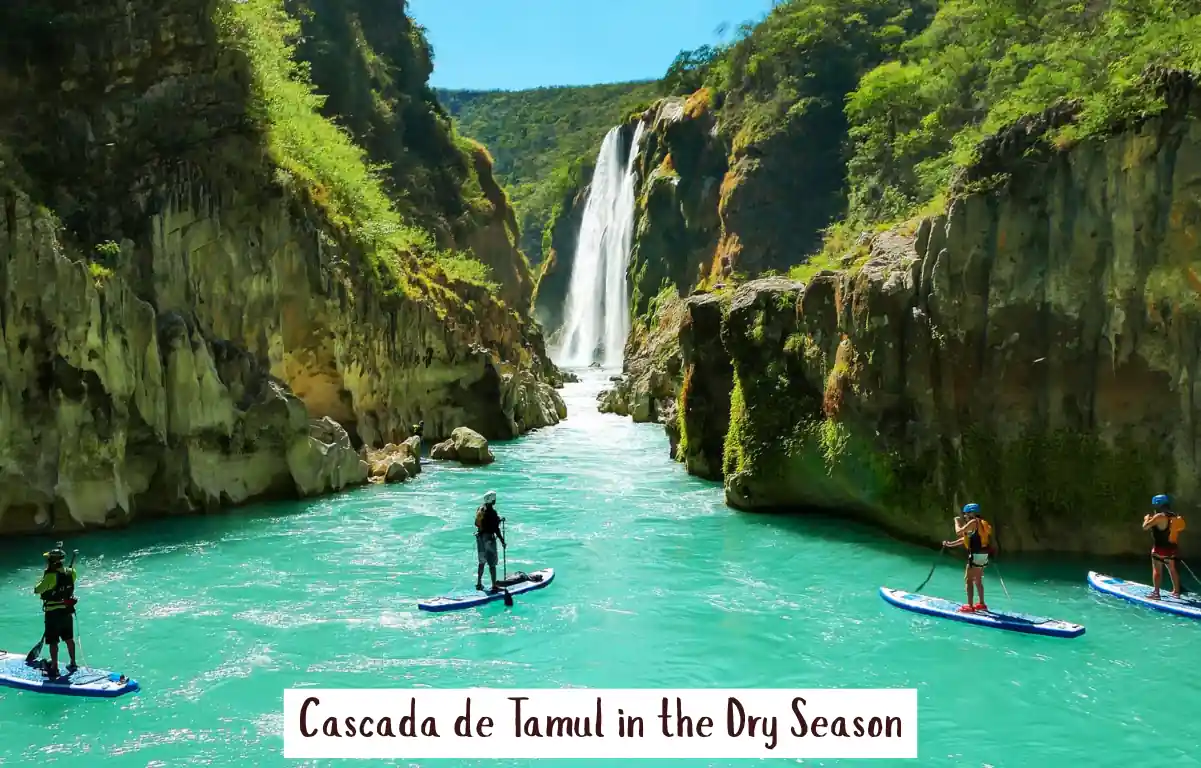
Dry season typically spans November through April. The water flow drops, but visibility improves. On my March visit, the cliff formations stood out clearly, and the canoe ride felt calmer and more controlled.
Pros
• Safer river conditions
• Better views of rock formations
• More relaxed pace
Cons
• Reduced waterfall volume
• Less dramatic sound and spray
Worst Time to Visit Cascada de Tamul
Late October can be unpredictable. Transitional weather brings sudden rain without the full infrastructure readiness of peak season. I once arrived after an overnight storm to find river access temporarily closed. Plan flexibility into your schedule if visiting during shoulder months.
How to Get to Cascada de Tamul From the USA
Reaching this part of San Luis Potosí takes planning, but it is straightforward if you break it into stages. After multiple routes tested over the years, this is the approach that causes the fewest surprises.
Flying to San Luis Potosí or Nearby Airports
Most travelers from the USA fly into one of three airports.
• San Luis Potosí International Airport. Smaller airport, fewer connections, but closer to the region.
• Tampico International Airport. Often cheaper from Texas hubs, about four hours by road.
• Querétaro International Airport. Useful if you plan a longer Mexico road trip.
I usually choose Tampico when traveling from the southern US. Rental cars are reliable, and the drive inland offers a gradual transition from coastal lowlands to jungle-covered hills.
Driving to Cascada de Tamul From Ciudad Valles
Ciudad Valles is your operational base. Stock up here. ATMs, fuel, snacks, and phone signal all become unreliable afterward.
From Ciudad Valles, follow signs toward Aquismón, then continue toward Tanchachín. The final stretch narrows, with occasional potholes and livestock crossings. Drive slowly. Locals expect it, tourists who rush stand out fast.
Parking in Tanchachín is informal but organized. Families manage the lots, and a small fee supports the community. Pay it without negotiating. It sets the tone for the rest of your visit.
Canoe Ride to Cascada de Tamul Explained
The canoe ride is not optional. It is the experience.
Canoes are long, narrow, and built for river control. Depending on water levels, two or three paddlers manage the boat. On my last visit, our guide adjusted the route midstream to avoid a newly formed current line after recent rain.
Expect 20 to 30 minutes upstream. The return trip is faster. Listen to instructions. Paddling technique matters more than strength, especially near the final approach.
Cascada de Tamul Entrance Fee and Canoe Cost
Costs fluctuate slightly by season and water conditions.
Typical expenses
• Canoe fee, charged per boat
• Local guide fee, sometimes included
• Parking fee in Tanchachín
On my most recent visit, the total cost per person landed in a reasonable mid-range compared to other Huasteca attractions. Bring cash. Small bills help. Do not expect card payments or digital transfers.
If a price feels unclear, ask politely for a breakdown. Locals appreciate transparency more than haggling.
Do You Need a Guide for Cascada de Tamul?
Yes. In practice and in spirit.
Local guides are not just paddlers. They read river conditions, know when swimming is allowed, and understand how weather upstream affects safety downstream. On one visit, a guide canceled trips early after noticing a subtle water color change that signaled incoming runoff. Tourists grumbled. Two hours later, the river surged.
Trust that judgment. It comes from years on the water, not guesswork.
What to Expect When Visiting Cascada de Tamul
The visit unfolds in stages.
• Arrival and parking in Tanchachín
• Short wait while boats are assigned
• Canoe ride upstream
• Final approach with mist and increasing noise
• Time at the base and viewpoints
• Return paddle downstream
Plan two to three hours total. Do not rush. Some of my favorite moments came while drifting quietly on the return, watching swallows skim the river surface.
Can You Swim at Cascada de Tamul?
Swimming depends entirely on conditions.
During the dry season, swimming is sometimes allowed at a safe distance from the base. Life jackets are mandatory. During the rainy season, swimming is usually restricted due to strong currents and falling debris.
Never argue this point. River dynamics here change fast. I have seen calm water turn aggressive within minutes after upstream rainfall.
Is Cascada de Tamul Safe for Tourists?
With basic awareness and respect for local guidance, yes.
Key safety notes
• Wear the life jacket properly
• Follow guide instructions without delay
• Avoid visiting after heavy overnight rain
• Secure cameras and phones
This is not a theme park attraction. Treat it as a working river in a rural region, and it rewards you with a far better experience.
What to Wear and Bring to Cascada de Tamul
What you pack affects comfort more than people expect.
Recommended items
• Quick-dry clothing
• Secure water shoes or sandals
• Waterproof bag for electronics
• Sun protection
• Small towel
Avoid loose hats and flip-flops. I have watched both disappear into the river.
How Long Does It Take to Visit Cascada de Tamul?
From arrival in Tanchachín to departure, plan half a day.
• Travel from Ciudad Valles: 1.5 to 2 hours
• On-site experience: 2 to 3 hours
• Return drive and recovery time
This pairs well with an afternoon visit to calmer spots like Tamasopo Falls or time reviewing cascadas de tamasopo photos over dinner back in town.
Best Photography Tips for Cascada de Tamul
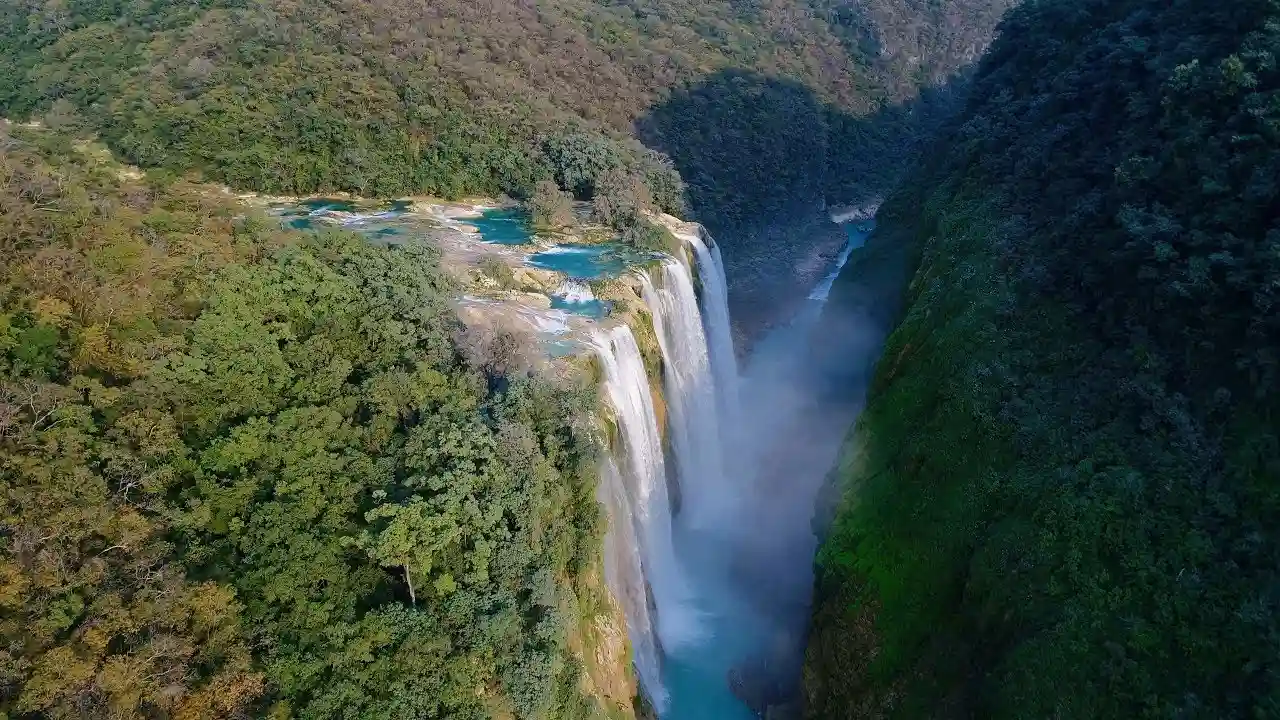
Light and season matter more than gear.
• Late morning offers the best canyon light
• Rainy season creates dramatic spray and motion
• Dry season reveals cliff textures and depth
• Waterproof protection is essential
If you are mapping shots, download a cascada de tamul map before leaving Ciudad Valles. Signal near the river is unreliable.
Cascada de Tamul vs Other Huasteca Potosina Waterfalls
Travelers often ask how cascada de tamul compares with other well-known waterfalls in the region. After years of moving through Huasteca Potosina with local guides, the differences are clear.
Cascada de Tamul
• Tallest waterfall in San Luis Potosí
• Access by canoe only
• Strong seasonal variation
• Best for travelers who enjoy effort and scale
Cascada El Meco
• Easier access
• Strong flow in rainy season
• Less physical effort
• Popular with short-stay travelers
Tamasopo Falls
• Tiered pools and calmer water
• Easy walking access
• Better for families
• Ideal for swimming and relaxed time
Cascada huasteca potosina sites each offer something different. Tamul stands out because it feels earned. You arrive with wet clothes, tired arms, and a deeper appreciation for the river.
Is Cascada de Tamul Worth Visiting?
After repeated visits, my answer stays the same. Yes, if your travel style matches the experience.
Cascada de tamul is worth it if you:
• Enjoy nature that feels raw
• Appreciate local-led experiences
• Are comfortable with physical activity
• Value scenery over convenience
You may want to skip it if you:
• Prefer quick stops
• Travel with mobility limitations
• Dislike water-based access
• Expect resort-style facilities
On my second visit, I brought a friend who usually prefers urban travel. He said little on the paddle upstream. On the way back, he asked how many waterfalls like this still exist without concrete railings. That question answered itself.
Final Thoughts
Cascada de Tamul rewards patience, preparation, and respect for local knowledge. Each visit has reminded me why some destinations should never be rushed or simplified. The canoe ride, the changing river moods, the conversations in Tanchachín, all of it forms the experience.
If you want polished convenience, this may not be your highlight. If you want to understand why San Luis Potosí holds such a strong place in Mexico’s natural landscape, cascada de tamul delivers that understanding clearly.
Travel conditions change, rivers shift, and access rules evolve. I always recommend checking locally, listening carefully, and allowing extra time. When you do, Cascada de Tamul gives back more than photos. It gives perspective.
Cascada de Tamul FAQs for First-Time Visitors
1. Is Cascada de Tamul open year round?
Yes, but access depends on river conditions. Heavy rain can suspend canoe operations temporarily. Always check locally in Ciudad Valles before driving out.
2. Can kids visit Cascada de Tamul?
Children can visit if water levels are low and guides approve. Life jackets are required. I recommend this for older kids who follow instructions well.
3. Do you need to book in advance?
Usually no. Canoes are arranged on arrival in Tanchachín. During holidays or peak summer weeks, arriving early helps.
4. Is Cascada de Tamul crowded?
Crowds fluctuate. Weekends and national holidays are busiest. Early morning visits tend to be quieter and calmer.
5. How physically demanding is the canoe ride?
Moderate. You paddle upstream for about 20 to 30 minutes. Guides handle most navigation, but basic effort is required.
6. Can you hike to Cascada de Tamul?
There is no true cascada de tamul hike to the base. Canoe access is the standard and safest route.
7. Are Cascada de Tamul tours worth it?
Organized tours work well for first-time visitors without a car. Independent visits offer more flexibility if you are comfortable navigating locally.
8. Is there a viewpoint without taking a canoe?
Yes, an upper viewpoint exists, but it lacks the scale and immersion of the river approach.
9. What is the water temperature like?
Cool year round. Refreshing in heat, cold during long swims.
10. Can you combine Tamul with other waterfalls in one day?
Yes. Pair it with calmer spots like Tamasopo Falls for balance.