Where Do the Locals Go in Cabo San Lucas? 12 Hidden Spots Revealed

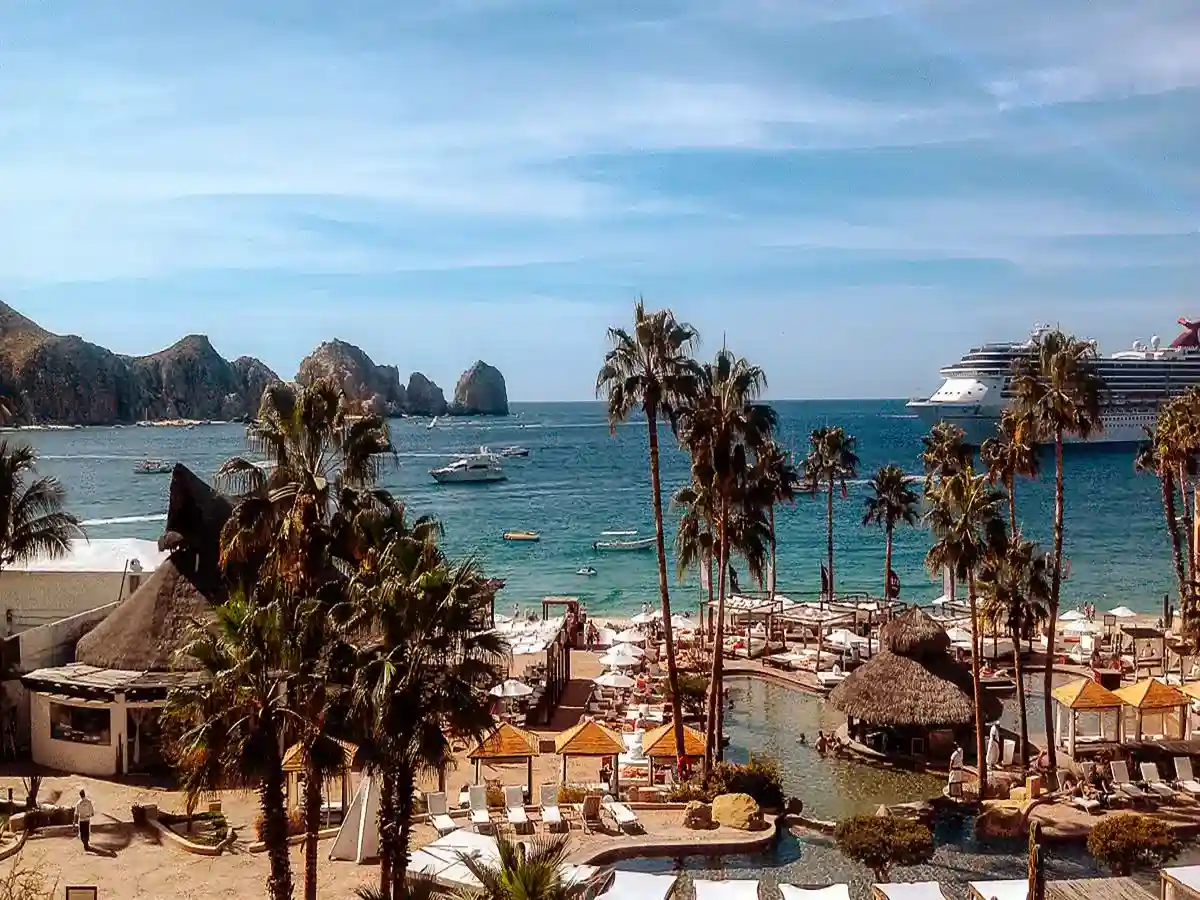
Most travelers arrive in Los Cabos with a certain picture in mind—glitzy all-inclusive resorts, crowded cruise ship docks, and a sunburned line of beach chairs along Médano Beach. But if you’ve ever asked yourself where do the locals go in Cabo San Lucas, you’ll find a very different side of this Baja California Sur paradise.
The locals aren’t spending their weekends fighting for a poolside cabana or lining up at overpriced tourist restaurants. They’re tucked away in quiet coves, grabbing late-night tacos at family-run stands, and wandering the artsy streets of San José del Cabo.
After several extended visits, I realized that the real heart of Cabo beats far away from the tourist corridor. Exploring the neighborhoods where locals live in Cabo San Lucas taught me more about Mexican culture than any glossy brochure ever could.
If you’ve ever wondered where do the locals go in Cabo San Lucas, this guide will pull back the curtain and take you beyond the surface.
From secret snorkeling beaches to family-run eateries and vibrant cultural traditions, I’ll share 12 authentic spots that locals truly love. By the end, you won’t be asking where do the locals go in Cabo San Lucas—you’ll be right there beside them.
Why Listen to the Locals?
Locals carry the map of Cabo in their bones. They know which stretch of sand is safest when the Pacific Ocean swells turn rough, where the best casual restaurants in Cabo San Lucas serve tacos that rival Michelin stars, and which nights the Art Walk in San José del Cabo really comes alive.
During my time consulting with the Los Cabos Tourism Board, I learned quickly that guidebooks only scratch the surface—locals live the rhythm of this place every day.
Traveling like a local doesn’t just lead to better food or quieter beaches, though those are big perks. It’s also about showing cultural respect.
When you buy handmade crafts directly from artists at Plaza Artesanos or share a talega coffee with a fisherman before dawn, you’re contributing to the community instead of just passing through it. And the experience shifts—you’re no longer just a tourist, but a temporary participant in Cabo life.
12 Hidden Spots Locals Love
This guide pulls together insider knowledge across food, beaches, nightlife, culture, and outdoor adventure. Think of it as a way to balance the comfort of your resort stay with moments that feel spontaneous, human, and deeply rooted in Baja California Sur.
Because when you understand where locals eat in Cabo San Lucas and where they escape on weekends, you start to experience the region the way it was meant to be lived.
1. Playa Santa María – A Snorkeler’s Paradise
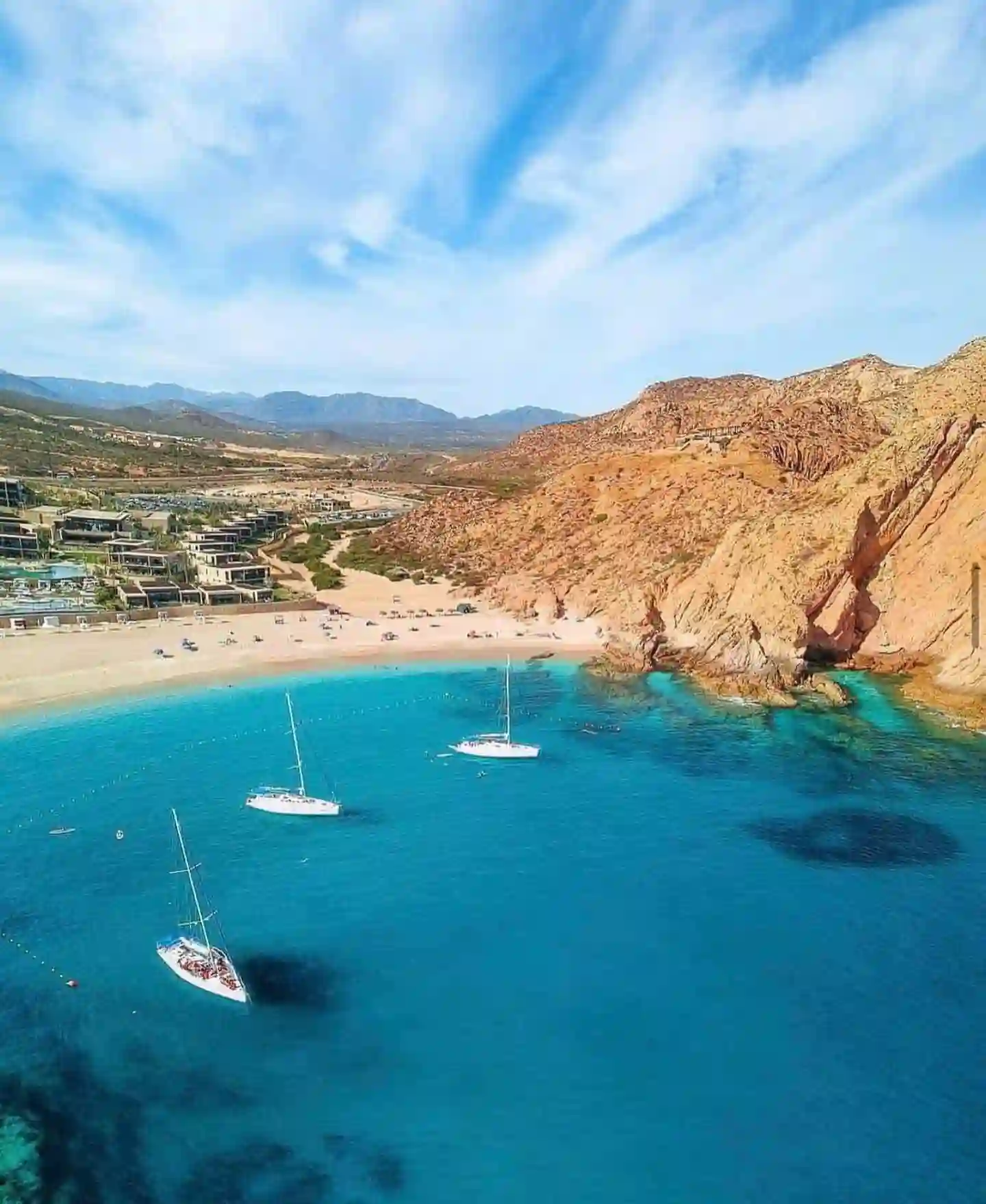
If Médano Beach is the postcard, Playa Santa María is the hidden note on the back. This quiet horseshoe-shaped cove sits just off the Tourist Corridor between Cabo San Lucas and San José del Cabo, yet it feels worlds apart from the noisy jet skis and beach clubs. I first swam here after a local guide mentioned it’s where Cabo families go when they want calmer waters for their kids.
The beach is protected as a marine sanctuary, which means snorkeling here reveals schools of tropical fish darting through the coral without the heavy boat traffic you’ll see at Chileno Beach.
Bring your own mask and fins, and you can spend hours floating alongside parrotfish and even the occasional manta ray. Weekends are popular with locals, so arrive early if you want a shady palapa.
Practical Tip: There are basic facilities, but no restaurants. Pack a picnic like the locals do—fresh ceviche from Mariscos La Palmita makes the perfect beach lunch.
2. Taquería El Paisa – Street Tacos Done Right
Long before Cabo became famous for celebrity chef restaurants, locals were lining up at Taquería El Paisa after sunset. Tucked away on Calle Miguel Hidalgo in downtown Cabo San Lucas, this taco stand has been my go-to for years.
I still remember a late night here after a fishing trip, devouring al pastor tacos dripping with pineapple-tinged salsa, surrounded by taxi drivers, students, and families grabbing dinner on the go.
What sets this spot apart from the tourist-heavy restaurants near the marina is its consistency. The tortillas are made fresh, the salsas pack real heat, and the aguas frescas are a refreshing antidote to the Baja sun.
Forget the white tablecloths—you’ll eat standing or at plastic tables, just like everyone else. And honestly, that’s the beauty of it.
Budget-wise, you can feast here for under $10—a far cry from resort prices. If you’re wondering where the locals eat in Cabo San Lucas, this is the answer every guide misses.
3. Art Walk in San José del Cabo
Every Thursday night from November through June, the historic district of San José del Cabo transforms into a lively street festival. Locals stroll the cobblestone streets, sipping mezcal cocktails and stopping at open-air galleries.
I first stumbled onto the Art Walk after following a stream of families into Plaza Mijares, and it became one of the most memorable evenings of my stay.
Here’s the insider tip: skip the souvenir shops along the Tourist Corridor. Instead, buy directly from the artists who set up along Calle Álvaro Obregón.
You’ll find everything from contemporary Mexican paintings to traditional crafts made in Baja California Sur’s mountain villages. Street musicians fill the air with ranchera ballads, and food stalls serve everything from spicy chapulines (crickets) to homemade tamales.
It’s not just an art market—it’s a cultural ritual where locals and travelers mingle freely. For me, the Art Walk captures the essence of what makes San José del Cabo different from its louder twin city: it’s slower, more soulful, and rooted in community.
4. Chileno Bay – Calm Waters for Kayaking
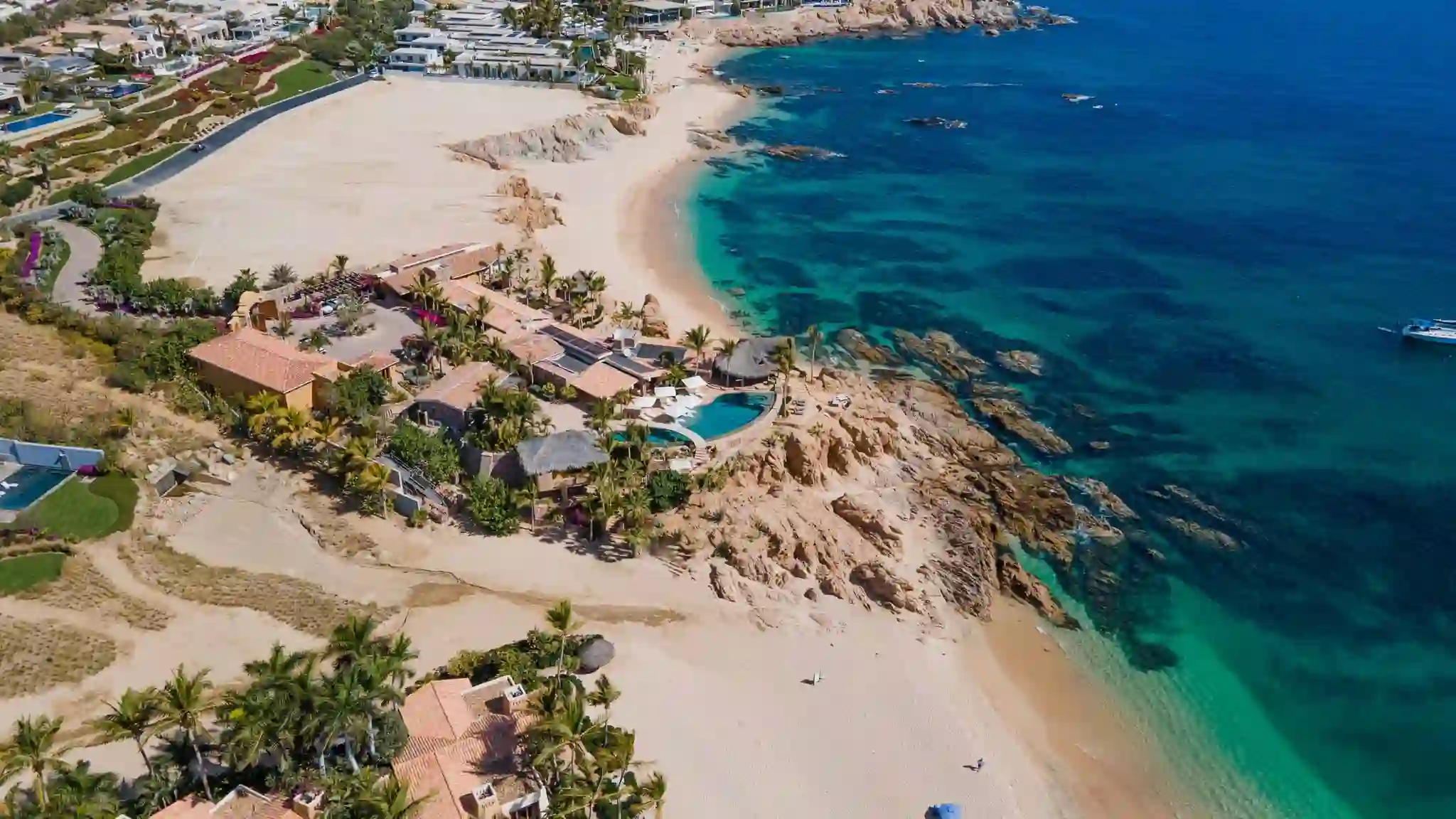
If you ask where do the locals go in Cabo San Lucas when they want a family-friendly beach day, Chileno Bay almost always comes up. Nestled between Cabo San Lucas and San José del Cabo along the Tourist Corridor, this Blue Flag-certified beach is prized for its crystal-clear waters and safe swimming conditions.
I’ve spent several lazy Sundays here with Cabo families who bring coolers packed with ceviche, tortillas, and talega coffee. The water is usually calmer than at Médano Beach, making it a favorite for kayaking and paddleboarding. Once, a local friend invited me to paddle out at sunrise, and we watched manta rays gliding beneath us—a moment that felt straight out of the Sea of Cortez documentaries I’d seen as a kid.
Bring snorkeling gear too, because the rocky reefs shelter a variety of marine species. You may even spot a sea turtle if you’re lucky. Unlike the commercial vibe of downtown Cabo San Lucas, Chileno feels like Baja at its most relaxed. Parking is free, but space fills up quickly on weekends, so go early.
5. El Merkado – Local Gourmet Food Hall
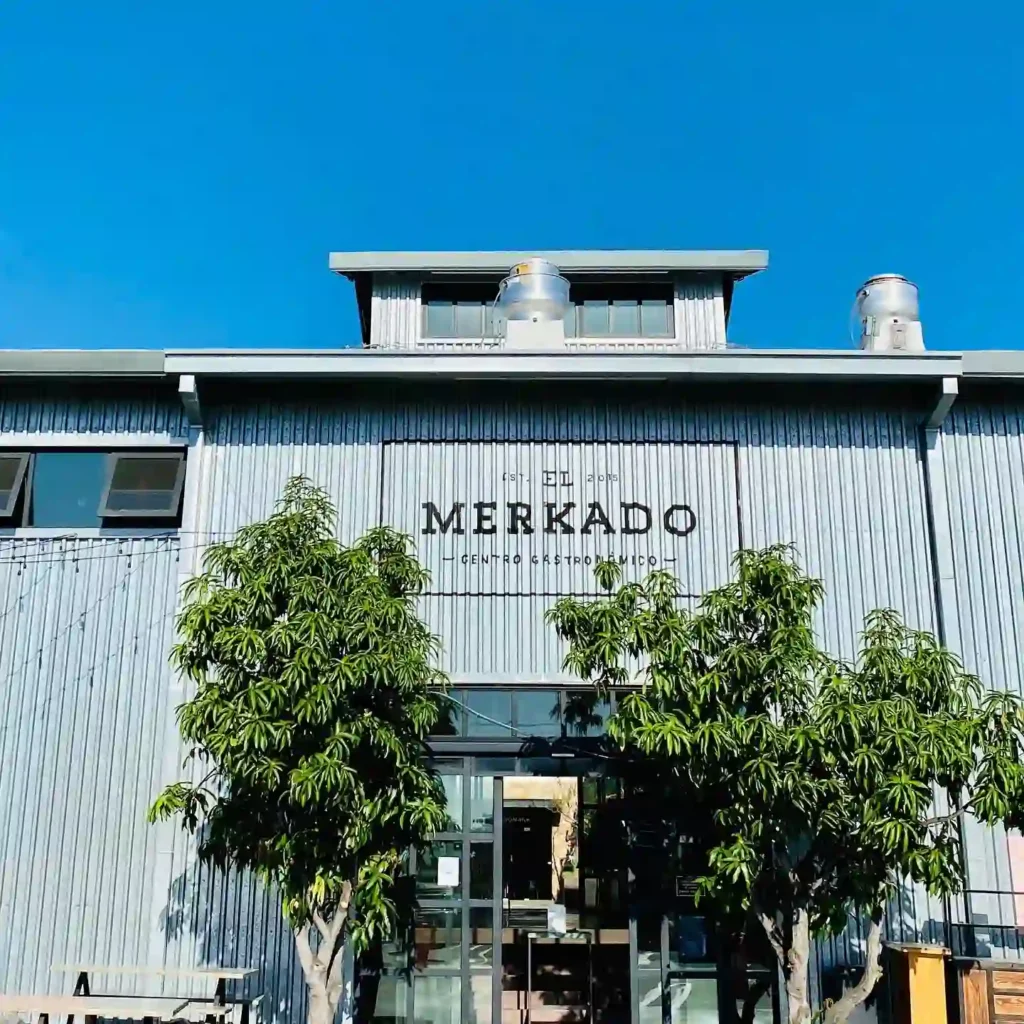
Tourists often head to Cabo’s marina for dinner, but locals know better. When I asked a hotel manager friend where local Cabo San Lucas families actually go out to eat, he pointed me toward El Merkado, a food hall tucked away from the resort scene.
Inside, you’ll find more than 20 vendors serving everything from Baja-style seafood to wood-fired pizzas and vegan bowls. On my first visit, I wandered between stalls and ended up with a plate of shrimp tacos from Baja Fria followed by a craft beer from Baja Brewing Co. It reminded me of the food halls in Mexico City, but with a distinctly Baja California Sur flavor.
El Merkado is more than just a place to eat—it’s a social hub where young professionals meet up after work, families gather on weekends, and musicians sometimes play live sets.
The prices are reasonable, usually half of what you’d pay at an all-inclusive resort, and the quality rivals high-end Cabo San Lucas restaurants. If you want to experience where locals eat without giving up comfort or variety, this spot is unbeatable.
6. Flora Farms – Farm-to-Table Hidden Gem
Drive about 30 minutes from Cabo San Lucas into the foothills near San José del Cabo, and you’ll come across a place that feels worlds away from the tourist bustle: Flora Farms. I first visited when invited by a local guide for Sunday brunch, and it instantly became one of my favorite escapes in Los Cabos.
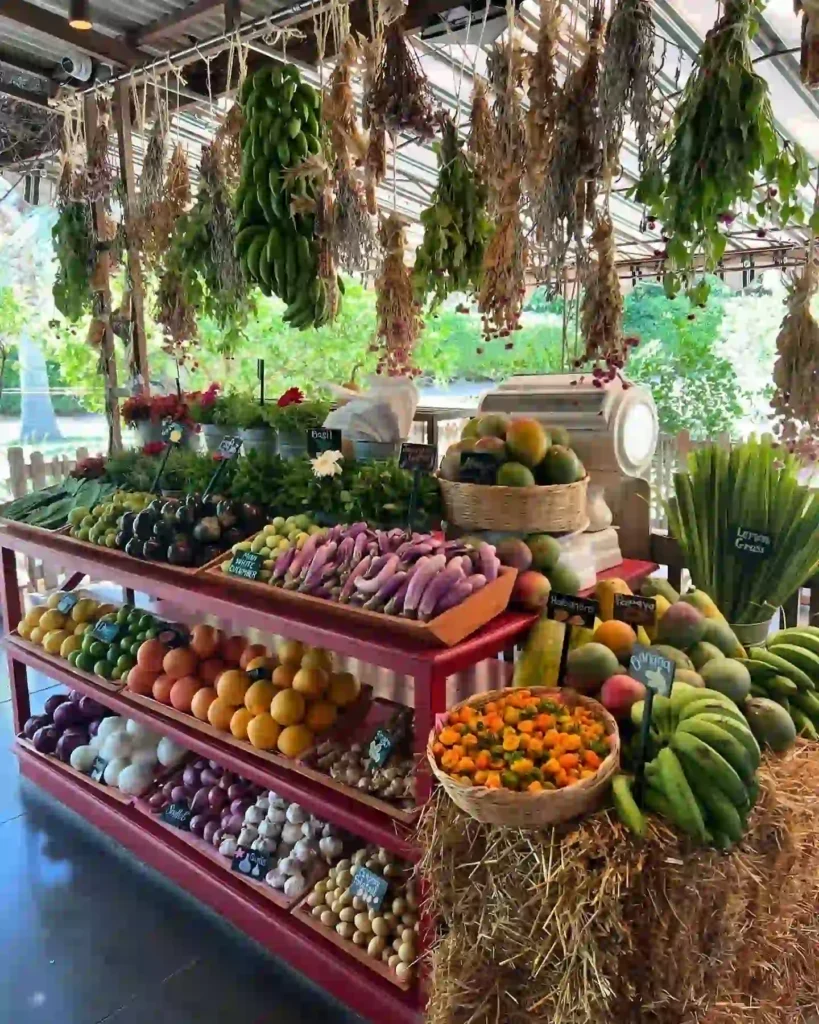
This 25-acre organic farm is both a restaurant and a working agricultural project. Locals love coming here for celebrations, weddings, or simply a slow weekend meal. The seasonal produce comes straight from the soil you’re walking on—think wood-fired pizzas topped with just-picked arugula, or cocktails mixed with farm-grown herbs.
But Flora Farms isn’t just about dining. I’ve taken a cooking class here, learning to make Baja California Style Capirotada (a traditional bread pudding) alongside local chefs.
There’s also a small market where you can buy fresh produce, preserves, and artisan bread. The vibe is rustic yet sophisticated, with colorful flowers, free-roaming dogs, and live music that blends perfectly with the setting sun.
For travelers searching for non touristy things to do in Cabo San Lucas, spending an afternoon here offers a glimpse of how locals celebrate food and community. It’s a reminder that Cabo isn’t only about beaches and nightlife—it’s also about sustainable farming, slow meals, and authentic Mexican culture.
7. Sunset at Pedregal Lookout
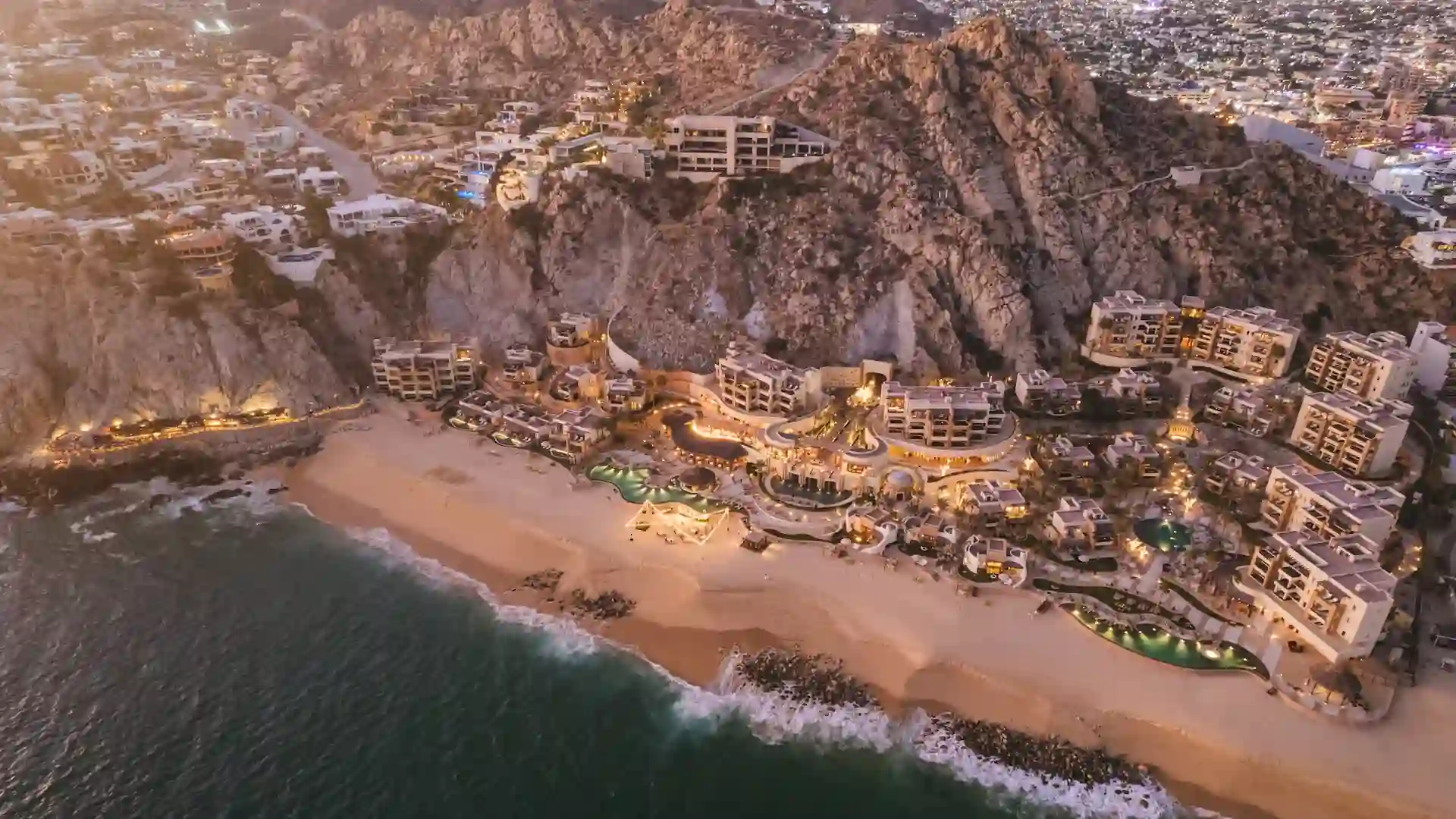
Cabo sunsets are legendary, but most travelers end up crammed onto sunset cruises or lining the crowded sands of Médano Beach. When I asked friends where do the locals go in Cabo San Lucas to watch the day end, they steered me up into the hills of Pedregal.
Pedregal is a private residential community perched on cliffs overlooking the Pacific Ocean, but locals know a tucked-away lookout point that’s accessible if you’re willing to hike or drive a steep road.
The first time I came here, a fisherman’s nephew offered to guide me up, and we reached the lookout just as the sky turned gold. Watching the sun drop behind the crashing waves, with no crowds and only the sound of the surf, felt like discovering Cabo’s raw beauty all over again.
Practical tip: you’ll need a car or a local contact to show you the exact route. It’s safer to go in daylight and linger until dusk, but avoid staying too late. For those who want the drama of Land’s End without the tourist traffic, Pedregal delivers a view you’ll never forget.
8. La Osteria – Cozy Local Music & Dining
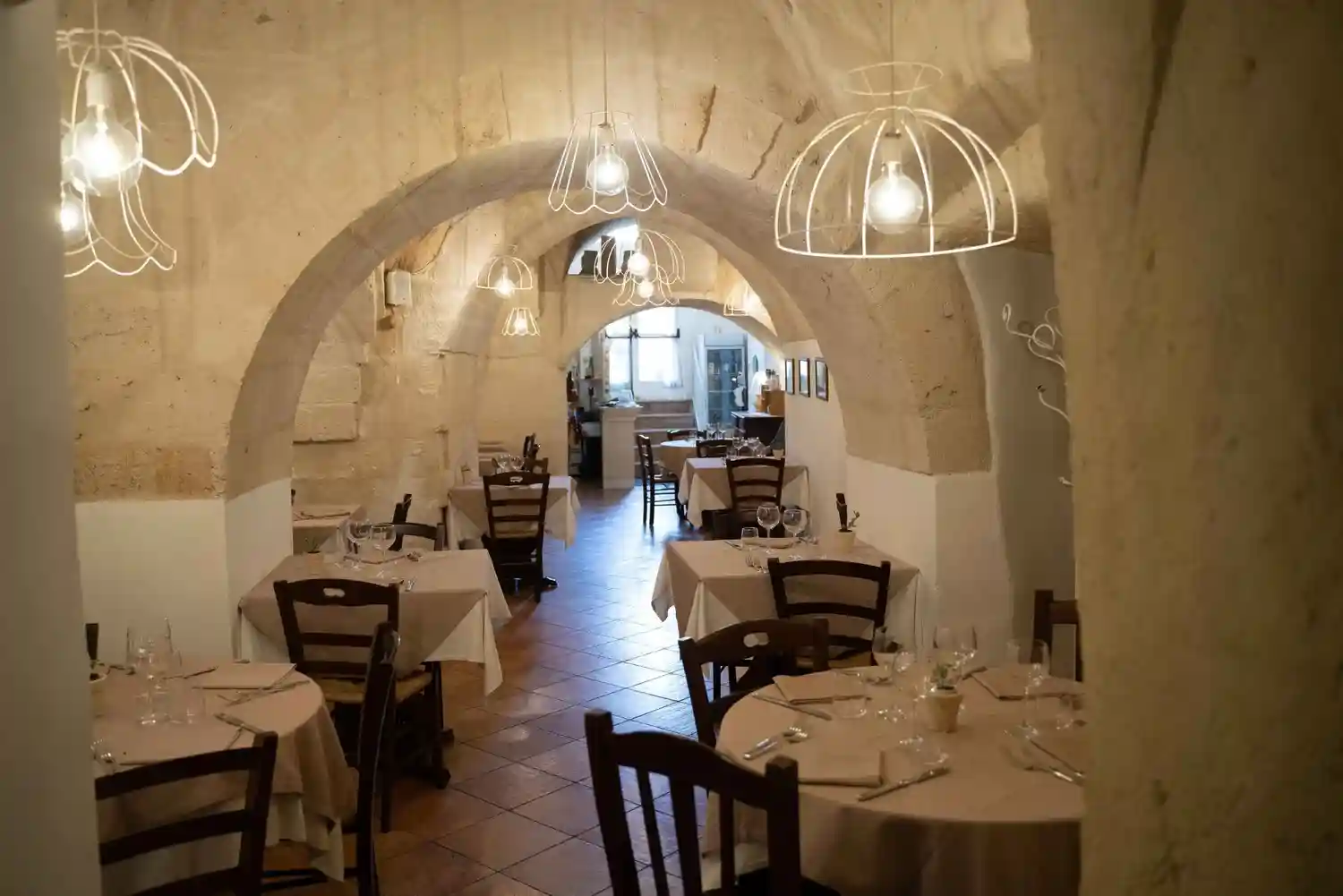
Just a few blocks off Médano Beach lies La Osteria, a rustic restaurant-bar that I stumbled upon after a local musician invited me to hear his set. Unlike the glossy nightlife venues near Cabo Wabo, La Osteria feels like a secret hideout.
Wooden tables are set under twinkling lights, and the menu highlights fresh Baja California Sur ingredients with a creative twist. The shrimp aguachile here is among the best I’ve tasted in Cabo. But what locals love most is the live music—nights filled with acoustic guitar, jazz trios, or soulful Mexican ballads.
I’ve shared tables here with young professionals, artists, and even a tourism board contact who swears it’s the “heart of Cabo’s music scene.” Prices are moderate, with entrées averaging $15–20, making it more accessible than the high-end restaurants that dominate the marina. For travelers asking things to do in Cabo for adults beyond bars and clubs, La Osteria offers intimacy, good food, and an authentic community vibe.
9. Palmilla Beach – Family-Friendly Escape

Palmilla Beach sits along the Tourist Corridor, but it still feels like a local retreat. On weekend mornings, I’ve joined families strolling the wide sandy stretch, kids darting toward the calmer waves while parents unpacked coolers full of tamales and fruit. Compared to Cabo’s busier beaches, Palmilla offers a relaxed, safe environment that locals with children truly appreciate.
I discovered Palmilla during a sunrise walk—just me, a few fishermen casting into the Sea of Cortez, and the sky turning shades of lavender. Later, a local family invited me to share their breakfast of fresh tortillas and talega coffee, and that sense of quiet community has stuck with me ever since.
Palmilla is also a great spot for swimming, thanks to its gentle surf. While it doesn’t have the wild beauty of Playa Balandra or the dramatic cliffs of Lands End, it’s where locals choose to spend unhurried mornings.
If you’re wondering where should I stay in Cabo San Lucas to balance resort comfort with access to local beaches, the Palmilla area is worth considering—luxury resorts sit nearby, but the beach itself is open to everyone.
10. Sierra de la Laguna Hiking Trails
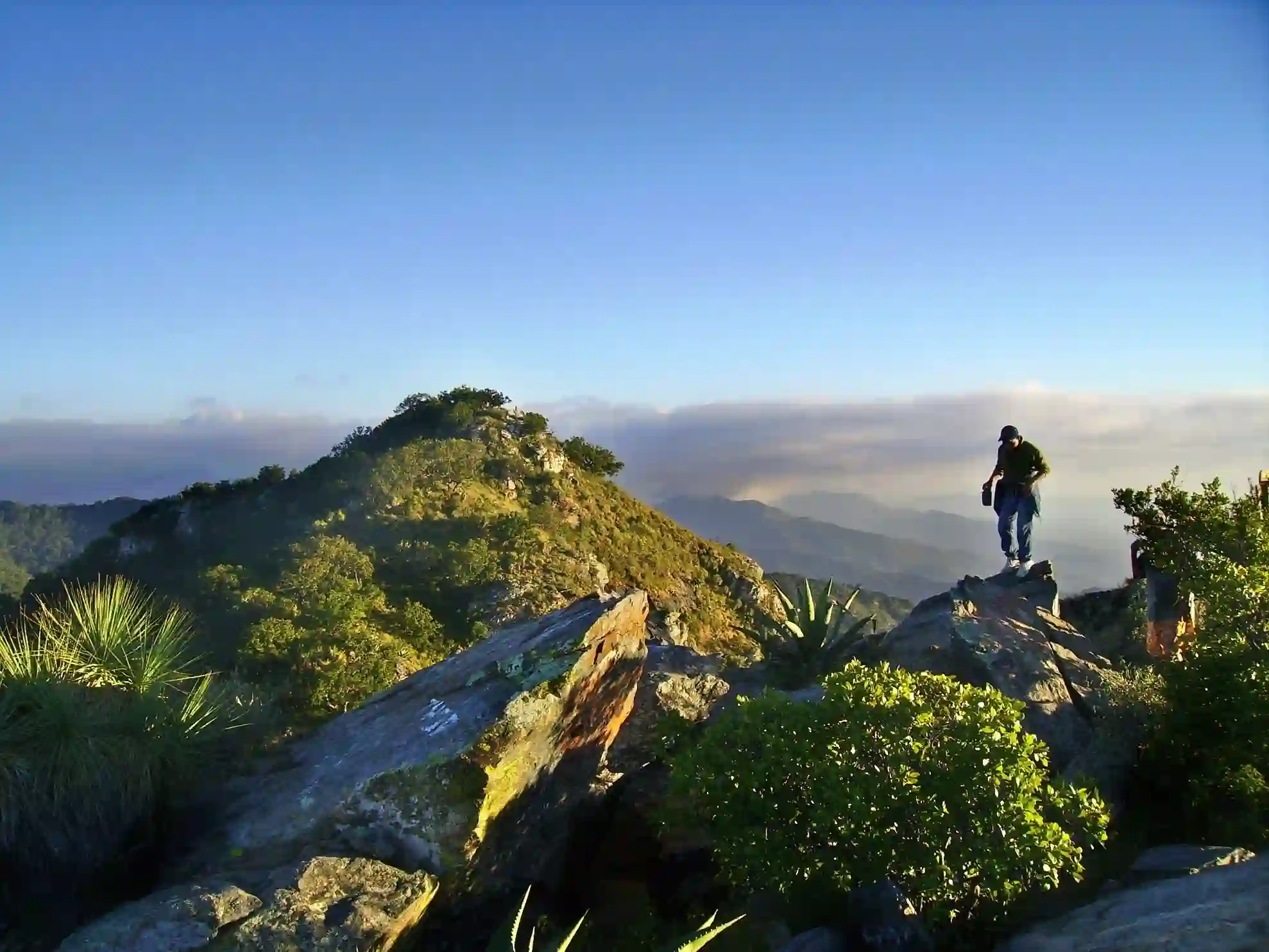
Most travelers don’t realize that just an hour north of Cabo San Lucas, the desert gives way to an entirely different world. The Sierra de la Laguna Biosphere Reserve is a UNESCO-protected mountain range where locals escape the heat and crowds of the coast.
When I asked a guide friend where do the locals go in Cabo San Lucas when they want nature beyond the beach, he immediately mentioned Sierra de la Laguna.
On my first trek here, I joined a group of young locals who camp in the mountains every spring. The trails wind past waterfalls like Cascada Sol del Mayo and through pine forests that feel nothing like Baja’s arid coastline.
We hiked to viewpoints where the Pacific Ocean shimmered on one side and the Sea of Cortez stretched out on the other—a reminder of Cabo’s unique geography at the tip of the Baja California Peninsula.
Practical tip: bring sturdy shoes, plenty of water, and cash for local guides. Trails range from easy day hikes to multi-day camping routes. For anyone seeking non touristy things to do in Cabo San Lucas, this is as authentic as it gets.
11. Cabo Coffee Company – Morning Ritual Spot
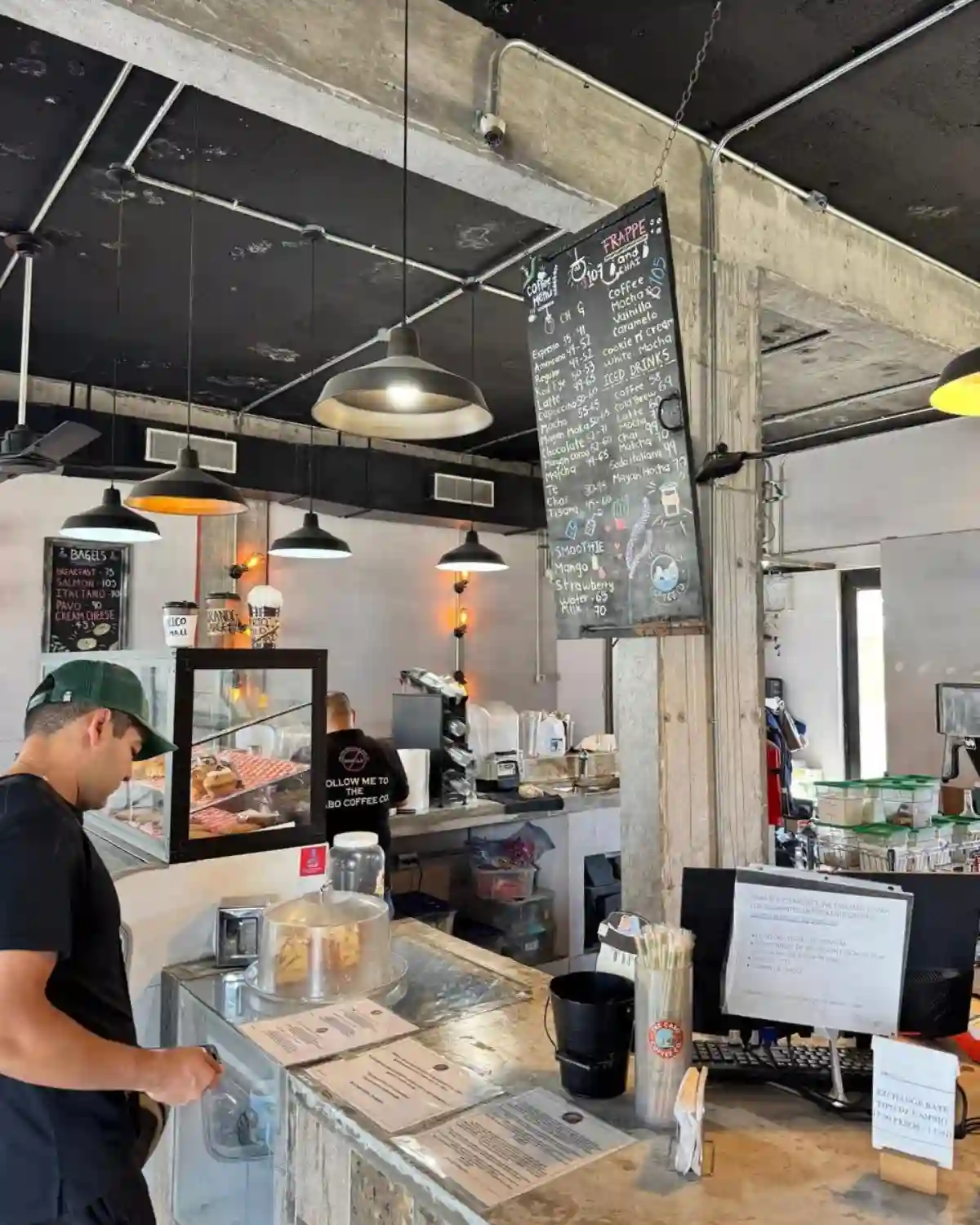
Ask any local in downtown Cabo about their morning ritual, and you’ll hear the same name again and again: Cabo Coffee Company. Long before the big chains arrived, this café was roasting beans and serving strong brews that became part of daily life.
I started going here after a dive instructor recommended it. Sitting with my cappuccino and a warm pastry, I watched fishermen, artists, and tour guides stop by before work. It’s a place where conversations flow naturally, whether about last night’s music set at La Lupita Taco & Mezcal or the best time for humpback whale watching tours.
Prices are reasonable (around $3–4 for a coffee), and the beans are locally roasted, supporting sustainable farming in Mexico. If you’re wondering where to eat in Cabo San Lucas for a simple but authentic breakfast, pair your brew with a fresh pastry here. For me, this café captures what local Cabo San Lucas mornings truly feel like—unhurried, community-centered, and deliciously caffeinated.
12. Los Claros – Baja-Style Fish Tacos
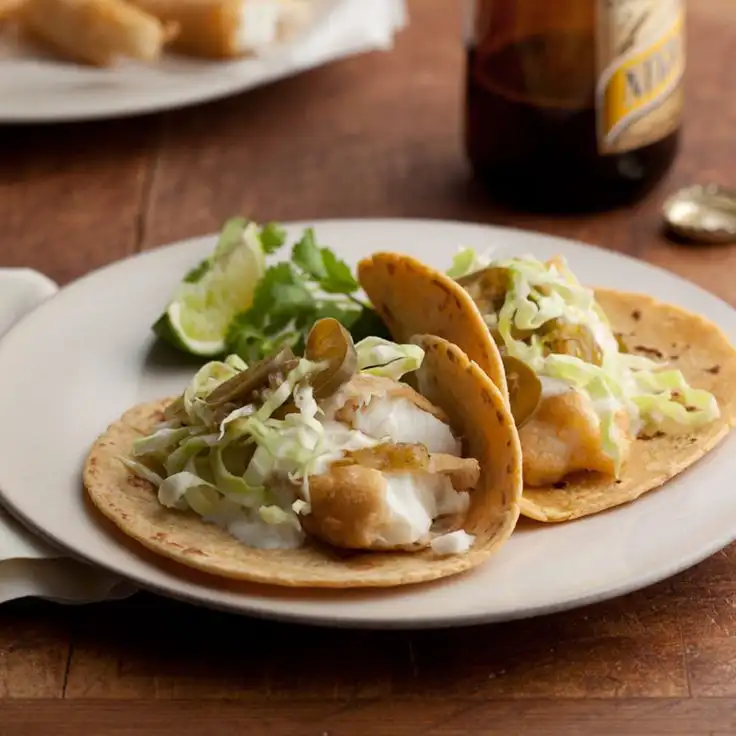
No trip to Cabo is complete without fish tacos, but ask where the locals eat in Cabo San Lucas and you’ll rarely hear about the flashy marina restaurants. Instead, you’ll be pointed toward Los Claros, a no-frills eatery beloved for its Baja-style tacos.
I remember my first visit vividly—I ordered a fish taco “enchilado” (spicy battered) and a shrimp taco grilled to perfection, then loaded them up at the salsa bar. Sitting among construction workers on lunch break and families catching up over plates piled high, I realized why Los Claros has such a loyal following. The food is fresh, affordable (about $2–3 per taco), and authentically Baja.
Unlike polished tourist spots, Los Claros focuses on flavor over presentation. Try the seafood tostadas or ceviche if you want variety, and don’t skip the smoky chipotle salsa. Locals will tell you it beats most “best restaurants in Cabo San Lucas” lists by a mile.
For travelers who truly want to eat like a local in Cabo San Lucas, Los Claros should be your first stop.
Bonus: Local Tips to Blend In
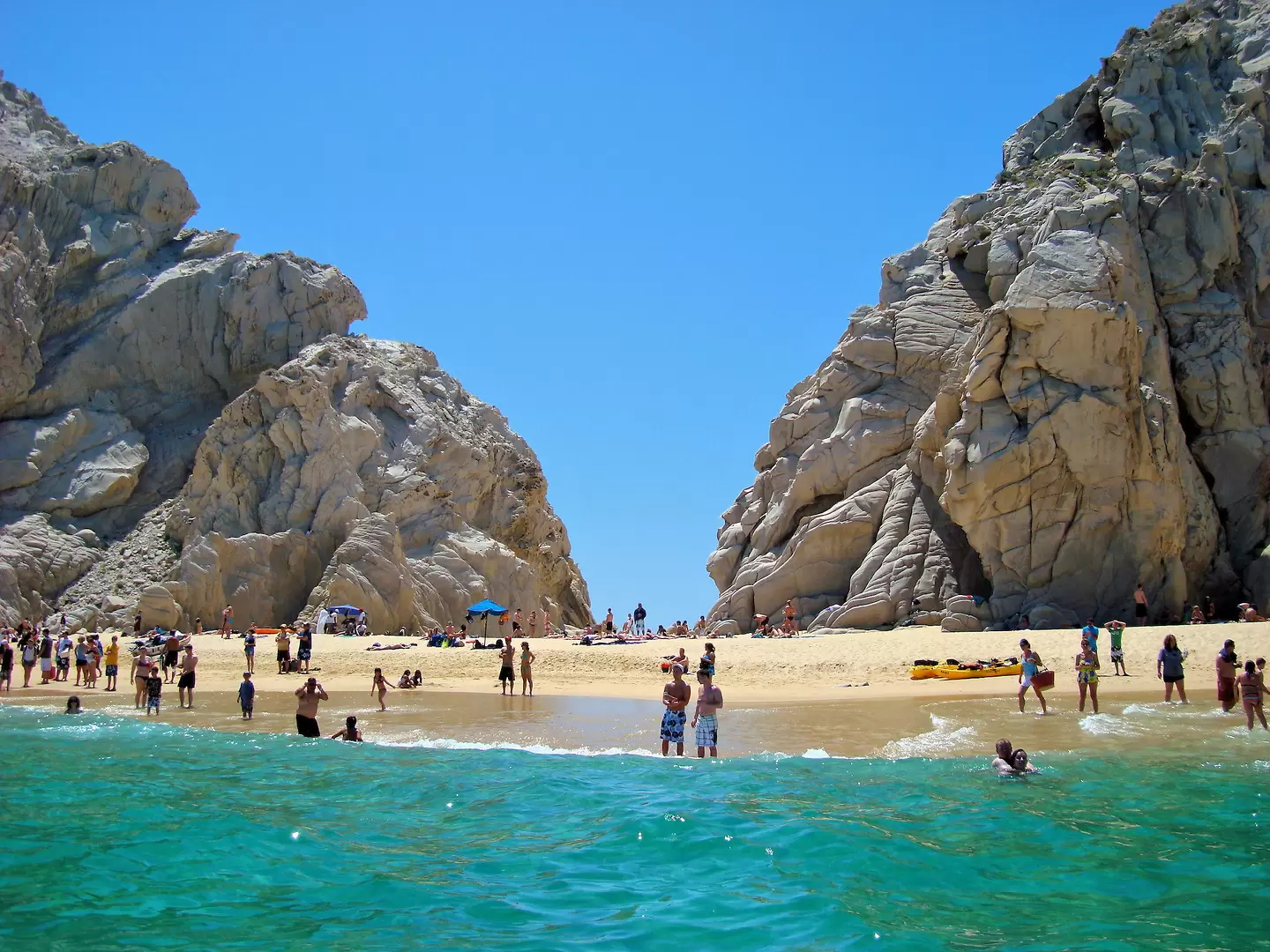
Traveling like a local in Cabo San Lucas isn’t just about where you go—it’s also about how you carry yourself. If you’ve ever wondered “where do the locals go in Cabo San Lucas”, part of the answer lies in observing the little things that locals do every day.
1. Respect the culture.
A warm “Buenos días” in the morning or a polite “gracias” after your meal goes a long way. Cabo may feel tourist-heavy in some areas, but it’s still a close-knit Mexican town at its core. Locals appreciate when visitors take the time to greet them properly. When dining, don’t stress about tipping like in the U.S.—10–15% is considered fair.
2. Transportation hacks.
Forget pricey resort shuttles or taxis whenever possible. The locals rely heavily on colectivos, small shared vans that run fixed routes for just a few pesos. They’re safe, fast, and an adventure in themselves. Walking is another underrated option, especially around downtown Cabo or the marina area—many hidden taquerías and coffee shops can only be spotted on foot.
3. Staying safe.
Cabo is relatively safe compared to other tourist destinations in Mexico, but there are still a few things to note. Avoid late-night walks down unlit alleys, and be cautious around the nightclub-heavy areas where pickpockets occasionally operate. Common scams include overpriced tours pushed by street vendors—book with reputable companies instead.
4. Support local businesses responsibly.
It’s easy to fall into resort dining or international chains, but your pesos go further when spent at family-owned taquerías, artisan shops, and produce markets. Buying handmade crafts directly from artisans not only ensures authenticity but also supports families in the community.
Blending in isn’t about pretending you’re a local, but about moving with respect. Do that, and you’ll find the doors to authentic experiences open much wider.
Planning Your Local Cabo Trip
Knowing where the locals go in Cabo San Lucas is step one. Step two is planning your trip in a way that lets you actually experience those places without rushing.
Best time to visit:
Locals will tell you to avoid the big cruise ship arrivals—typically November through March. For fewer crowds, the sweet spot is May–June or September–October, when the weather is warm, but the tourist rush has slowed down.
Suggested 3-Day “Locals-Only” Itinerary
| Day | Morning | Afternoon | Evening |
|---|---|---|---|
| 1 | Breakfast tacos at a local taquería | Explore Mercado Municipal | Sunset at Playa El Tule |
| 2 | Coffee at a family-owned café | Lunch at Mariscos Las Tres Islas | Drinks at a neighborhood cantina |
| 3 | Visit San José del Cabo art district | Colectivo to a hidden beach | Dinner at a traditional seafood spot |
Budget Breakdown (approx.)
- Food: $20–30 per day if you stick to local restaurants.
- Transport: $1–2 per colectivo ride, $8–15 for occasional taxis.
- Activities: Free beaches and markets, with occasional $10–20 for art or cultural experiences.
So for three days, you could spend around $150–200 total, which is a fraction of what resorts charge. And if you’re looking for the opposite—something more private and upscale—there are also villa management & rentals in Cabo by Luna Cabo, which specialize in luxury stays that pair privacy with full-service convenience.
Final Thoughts
So, where do the locals go in Cabo San Lucas? The answer is in the taquerías tucked away on side streets, in the sandy stretches of Playa El Tule, and in the laughter-filled cantinas where live music hums in the background. It’s in the art markets, the street food stalls, and the colectivos that connect one end of town to the other.
Cabo isn’t just about luxury resorts and spring break crowds. Beyond that polished image lies a very real, very vibrant local culture that visitors often overlook.
By stepping into these spaces with respect, curiosity, and a little bit of Spanish, you’ll not only save money but also walk away with memories that feel genuinely yours.
If you’ve been wondering how to experience Cabo like the people who live there, now you have a roadmap—whether it’s eating at small family-run seafood joints, discovering beaches without a lounge chair in sight, or shopping directly from artisans.
Next time you plan a trip, try swapping just one resort dinner for a street taco night, or one pool day for a colectivo ride to a hidden beach. You’ll see a whole new side of Cabo unfold.
And if you’ve already uncovered some of your own favorite hidden gems in Cabo San Lucas, I’d love to hear them. Share your stories—you never know, your tip might become someone else’s favorite local discovery.
Frequently Asked Questions
1. Where do celebrities go in Cabo?
Celebrities often visit luxury resorts like Chileno Bay, Esperanza, and private beachfront villas. Medano Beach and high-end restaurants are also popular celebrity hangouts.
2. Where does Jennifer Aniston stay in Cabo San Lucas, Mexico?
Jennifer Aniston is known to stay at exclusive villas and luxury resorts such as Esperanza or One&Only Palmilla for privacy and comfort.
3. What is the best money to use in Cabo?
The Mexican Peso is the best currency to use, though U.S. dollars are widely accepted. For small shops and local spots, pesos are usually better.
4. Which part of Cabo is best to stay?
Cabo San Lucas is lively with nightlife and beaches, while San José del Cabo offers a quieter, cultural vibe. Many travelers choose based on mood and budget.
5. What to stay away from in Cabo?
Avoid isolated beaches at night, unregulated taxis, and common tourist scams. Stick to trusted transportation and well-known areas for safety.
6. How many days are enough in Cabo?
Three to five days are usually enough to explore beaches, local eats, and cultural spots. A week works best if you want a slower pace.
7. What’s the best month to go to Cabo?
October to May is ideal for pleasant weather and fewer storms. If you want fewer crowds, aim for late spring or early fall.
8. How much money do you need for a week in Cabo?
A budget trip can cost around $800–$1,200 per person, while luxury stays can easily exceed $3,000 for the week.
9. Is it better to stay in Los Cabos or Cabo San Lucas?
Los Cabos refers to the whole region, but Cabo San Lucas is best for nightlife and beaches. San José del Cabo offers a calmer, more local feel.