12 Magical and Best Christmas Markets in Europe To Visit

Every winter, Europe transforms into a wonderland of glowing lights, cinnamon-scented air, and lively squares filled with laughter. The best Christmas markets in Europe aren’t just about shopping; they’re a mix of culture, traditions, and festive food that make the season truly magical.
In 2025, travelers can expect extended opening dates, new light shows, and carefully curated market stalls that offer everything from handmade crafts to warm seasonal snacks.
This guide pulls together verified 2025 dates, insider tips on budgets, and advice for different traveler types. Whether you’re chasing fairy-tale vibes under a Gothic skyline, sipping mulled wine beneath sparkling Christmas trees, or exploring a historic Baroque palace backdrop, you’ll find practical details on how to make the most of your trip.
Ready to catch the Christmas spirit? Let’s explore the markets that make December travel truly unforgettable.
Quick Picks by Traveler Type
Not every traveler looks for the same festive vibe.
Here’s a fast breakdown of which markets match your travel style:
- Families: Look for kid-friendly rides, gentle crowds, and special events like live Nativity scene performances. Nuremberg and Innsbruck shine here.
- Couples: For romance, Strasbourg and Vienna offer enchanting squares, twinkling canals, and cozy corners for hot chocolate breaks.
- Foodies: Cologne and Budapest serve up hearty sausages, lebkuchen, and Hungarian Christmas gifts like handmade honey cakes.
- Photographers: Prague and Bruges give the best backdrops—cobblestone streets, reflections on canals, and clear blue-hour skies.
- Accessibility: Vienna’s Wiener Christkindlmarkt and Strasbourg’s markets are well connected with public transport, with flatter layouts that reduce issues for travelers with mobility issues.
These quick picks let you match your festive dream with the right destination in Europe, whether you’re traveling solo, with friends, or with family.
2025 Dates & Highlights at a Glance
Before booking, you’ll want to know exactly when and where to go. Below is a snapshot of 2025’s biggest European Christmas markets and their highlights:
- Vienna, Austria (Wiener Christkindlmarkt): Nov 15 – Dec 26, Rathausplatz. Famous for ornate décor and daily choir music.
- Strasbourg, France (Strasbourg’s Christmas Market): Nov 22 – Dec 31. Oldest in Europe, with multiple squares linked by festive light trails.
- Prague, Czechia: Nov 30 – Jan 6, Old Town Square & Wenceslas Square. Best synergy of food and photo spots.
- Budapest, Hungary: Nov 22 – Dec 31, Basilica Square. Known for projection mapping light shows and evening concerts.
- Dresden, Germany: Nov 27 – Dec 24. The Striezelmarkt is one of the oldest, famous for stollen festivals.
- Cologne, Germany: Nov 22 – Dec 23. Several themed markets around the Cathedral.
- Tallinn, Estonia: Nov 22 – Jan 5. Small but cozy, with snow-dusted charm.
- Bruges, Belgium: Nov 22 – Jan 5. Medieval canals add atmosphere.
- Innsbruck, Austria: Nov 15 – Dec 23. Multiple compact markets with alpine views.
- Nuremberg, Germany: Nov 29 – Dec 24. Known for the Christkind and unique Nuremberg Plum People figurines.
- Metz, France: Nov 22 – Dec 30. Famous for festive trails and gourmet bites.
- Valkenburg, Netherlands: Nov 16 – Dec 29. Unique cave-based market underground.
This one-screen matrix makes planning simple—especially if you’re combining cities into a rail itinerary.
The 12 Best Christmas Markets in Europe (Deep Profiles)
1. Vienna, Austria – Grand, Varied, and Photogenic
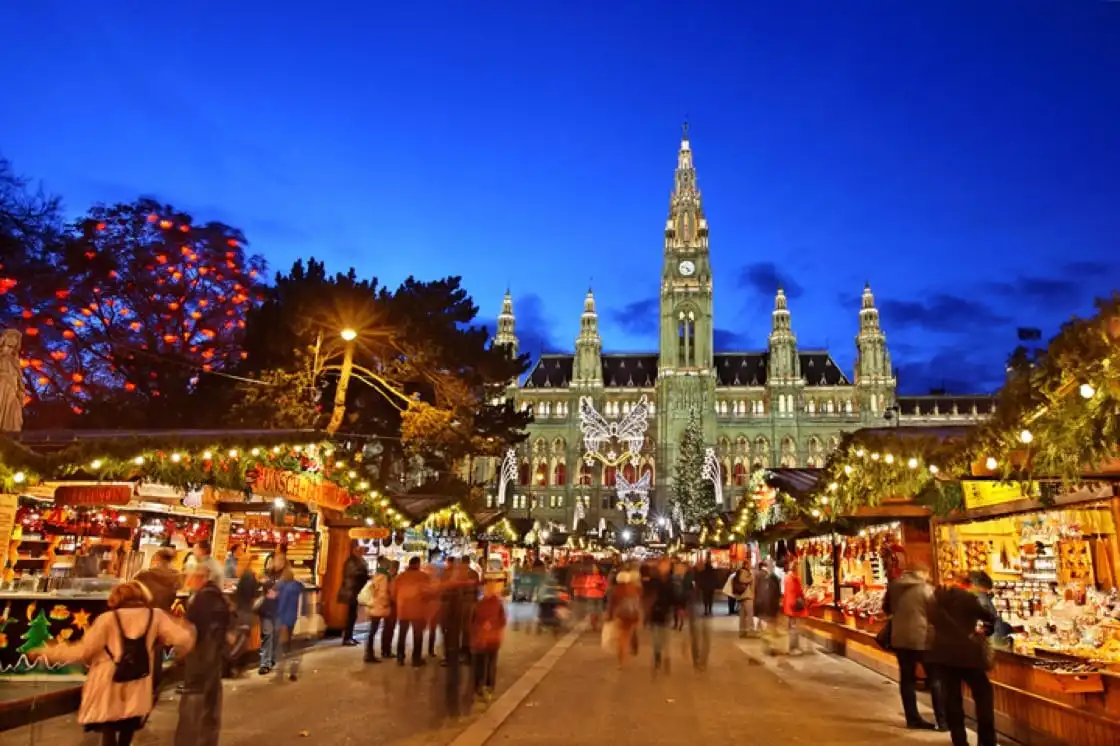
Vienna’s Wiener Christkindlmarkt is as classic as it gets. Set against the Rathaus and surrounding park, it’s a city-wide festival of lights, music, and festive aromas. You’ll find rows of Christmas trees glowing in every corner, alongside choir performances that echo across the square.
The market typically runs from Nov 15 to Dec 26, 2025, with stalls opening around 10 a.m. daily. The evenings are best—crowds gather for steaming mugs of mulled wine and hearty Austrian snacks. If you want photos, go at dusk when the blue sky frames Vienna’s grand façades.
Nearby, Vienna’s efficient public transport makes getting here stress-free, even if you’re carrying shopping bags. For travelers with mobility issues, the broad square layout and nearby ramps make it one of Europe’s more accessible markets.
2. Strasbourg, France – Alsace Ambience Across Multiple Squares
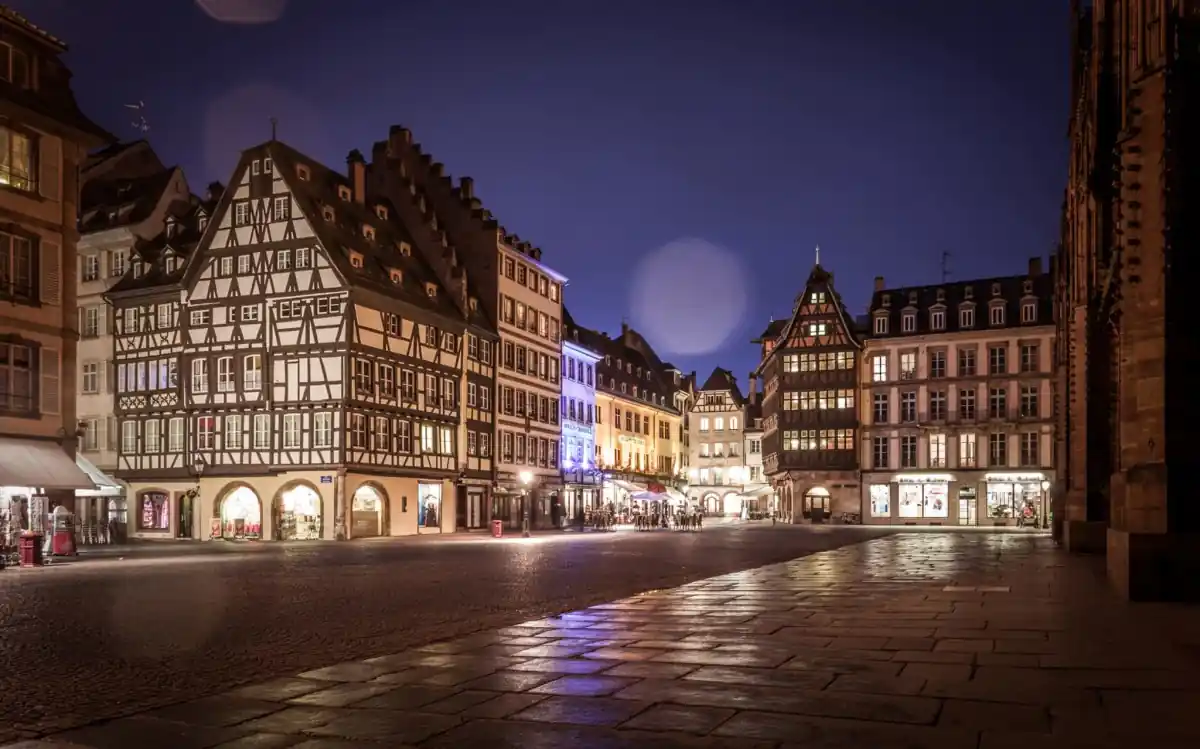
Often called the “Capital of Christmas,” Strasbourg’s Christmas Market is a patchwork of festive spots spread across the historic city center. Dating back to 1570, it’s also one of the oldest in Europe. The 2025 season runs from Nov 22 to Dec 31, giving visitors plenty of time to explore.
Expect Nativity scene installations tucked between Gothic architecture, local Alsace wines, and sweets that make perfect Christmas gifts. Photographers love the backdrop of the cathedral, and couples find the twinkling lanes impossibly romantic.
While the market can get crowded, Strasbourg is well connected by public transport, with tram lines and shuttles dropping you directly at major squares. This makes it easy to hop between the different zones without fatigue.
3. Prague, Czechia – Old Town & Wenceslas Synergy
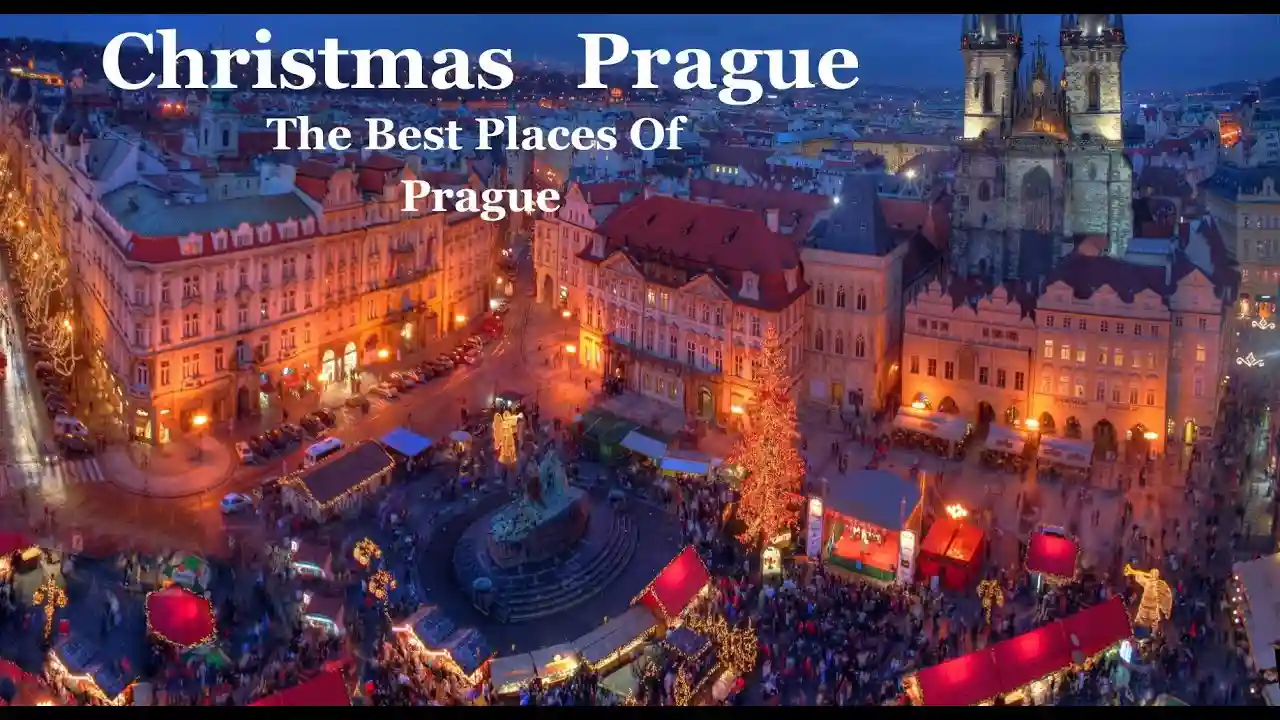
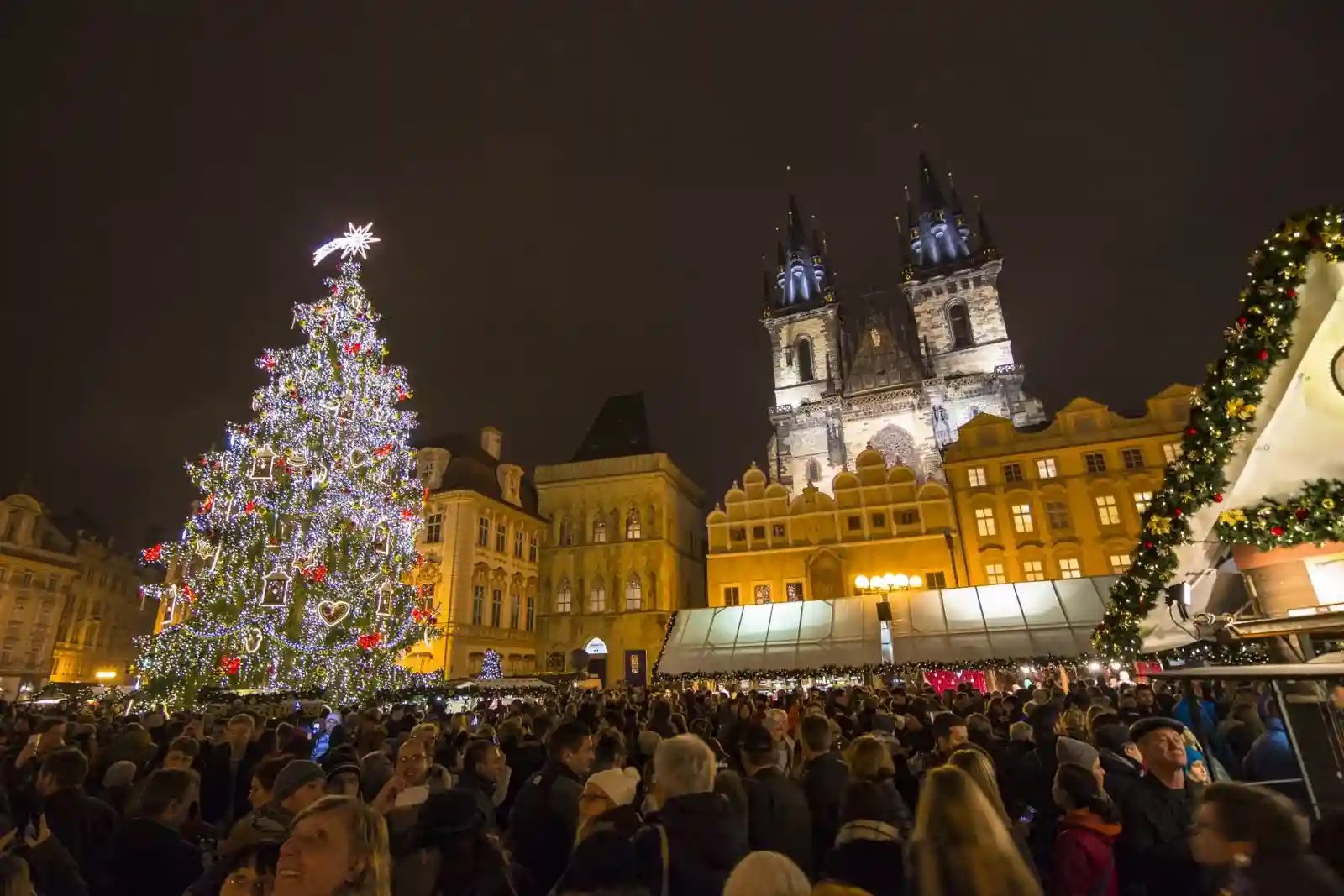
Prague’s festive magic is hard to beat, with two main markets—Old Town Square and Wenceslas Square—that glow beneath the city’s Gothic skyline. Running from Nov 30 to Jan 6, 2025, this market outlasts Christmas, perfect for travelers extending their holidays into the New Year.
Signature treats include trdelník (chimney cakes) and sausages sizzling in the cold night air. Don’t miss the central Nativity scene, where kids gather to see live animals and costumed performers.
For those planning to visit multiple European Christmas markets, Prague’s central location makes it a great starting point for rail itineraries. Stay near Old Town if you want to walk to the action, or use trams for budget-friendly connections across the city.
4. Budapest, Hungary – Basilica & Vörösmarty, Late-Season Hours
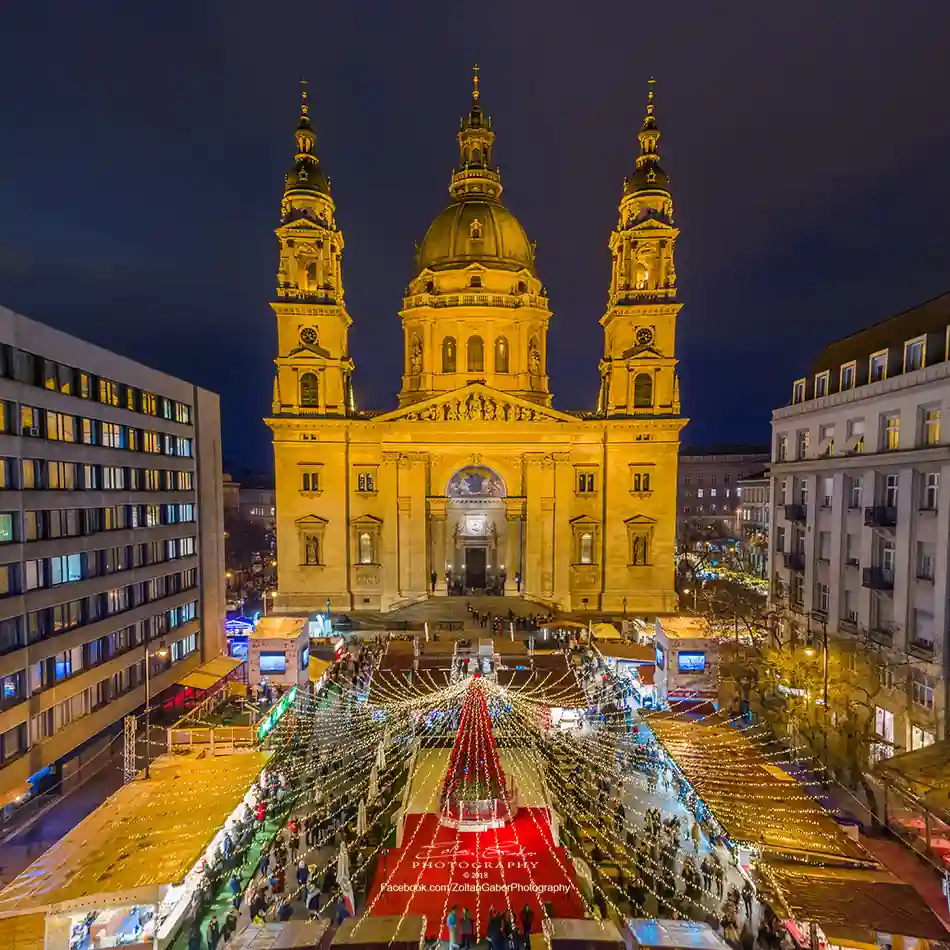
Budapest hosts two standout Christmas markets—one at St. Stephen’s Basilica and another at Vörösmarty Square. The Basilica is especially magical thanks to nightly projection mapping and festive concerts. In 2025, both markets open Nov 22 and run until Dec 31, making them great for late-season trips.
Foodies can dive into local specialties like goulash, lángos, and kürtőskalács (chimney cake). Warm up with spiced punch or a creamy hot chocolate while enjoying live music under glowing lights.
Because Budapest is centrally located, it’s a favorite stop on guided Christmas Market Tours through Central Europe. Even budget carriers like Wizz Air make it easy to reach from across the continent.
5. Dresden, Germany – Historic Striezelmarkt Tradition
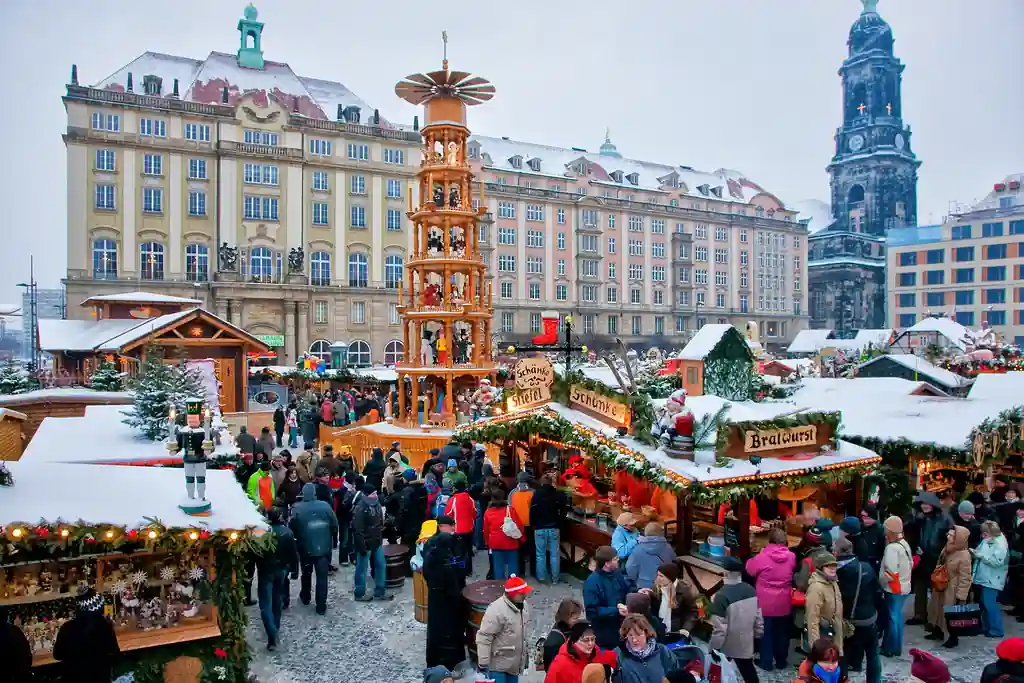
Known as Germany’s oldest festive market, Dresden’s Striezelmarkt dates back to 1434 and continues to impress with traditional wooden stalls and the famous stollen festival. The 2025 edition runs Nov 27 to Dec 24, filling the Altmarkt square with regional crafts and warm snacks.
A highlight is the giant pyramid and hand-carved decorations that bring Saxon traditions to life. Visitors can also join Christmas Market Tours that combine Dresden with nearby Leipzig, giving a deeper dive into Saxony’s holiday culture.
Don’t miss the performances around the stage area in the evenings—perfect if you’re looking for atmosphere beyond just shopping.
6. Cologne, Germany – Cathedral Backdrop + Themed Markets
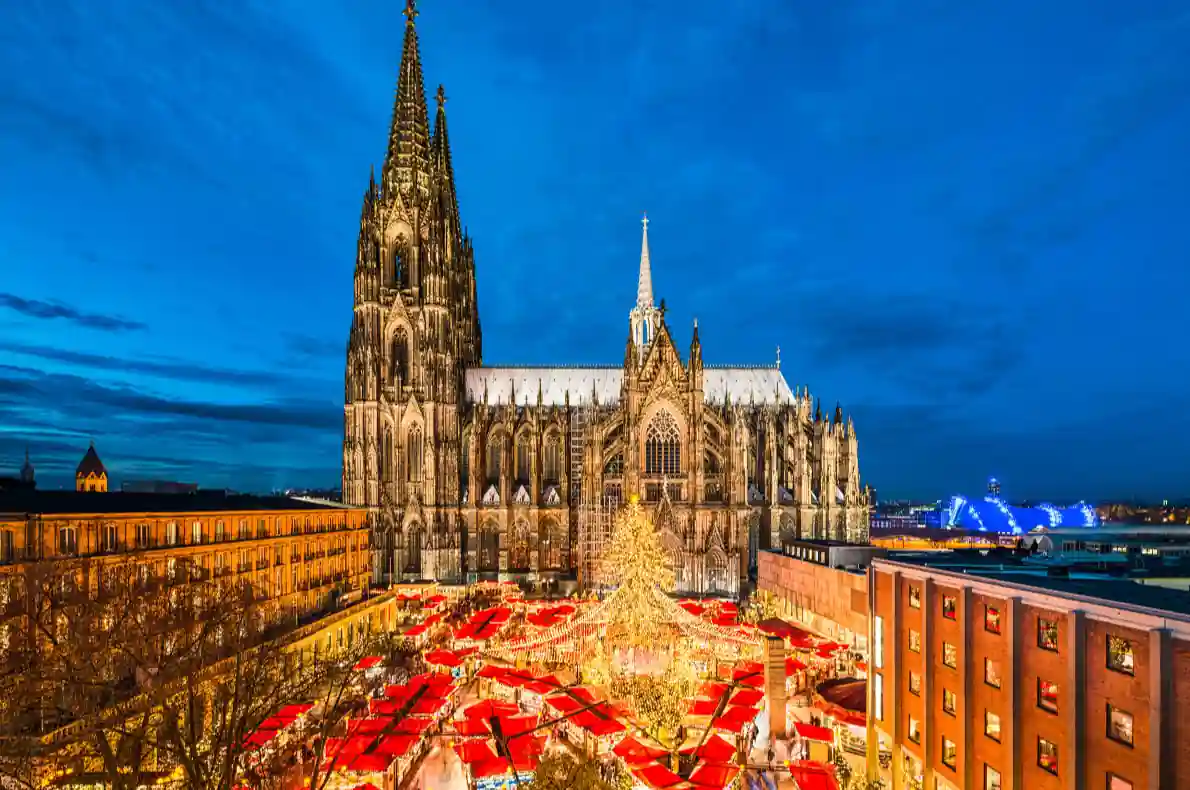
Cologne sets the bar high with seven different Christmas markets, each with its own theme. The most famous unfolds at the foot of the Cathedral, creating a stunning mix of medieval and festive vibes. Running Nov 22 – Dec 23, 2025, Cologne’s markets attract millions each year.
Food stands are packed with bratwurst, waffles, and sweets, while the riverfront market charms with maritime décor. If you’re on one of the multi-city Christmas Market Tours, Cologne is often included for its easy rail access and varied atmosphere.
Cologne is also well connected by trams and buses, so public transport makes hopping between the different themed squares effortless.
7. Tallinn, Estonia – Storybook Square with Snow Potential
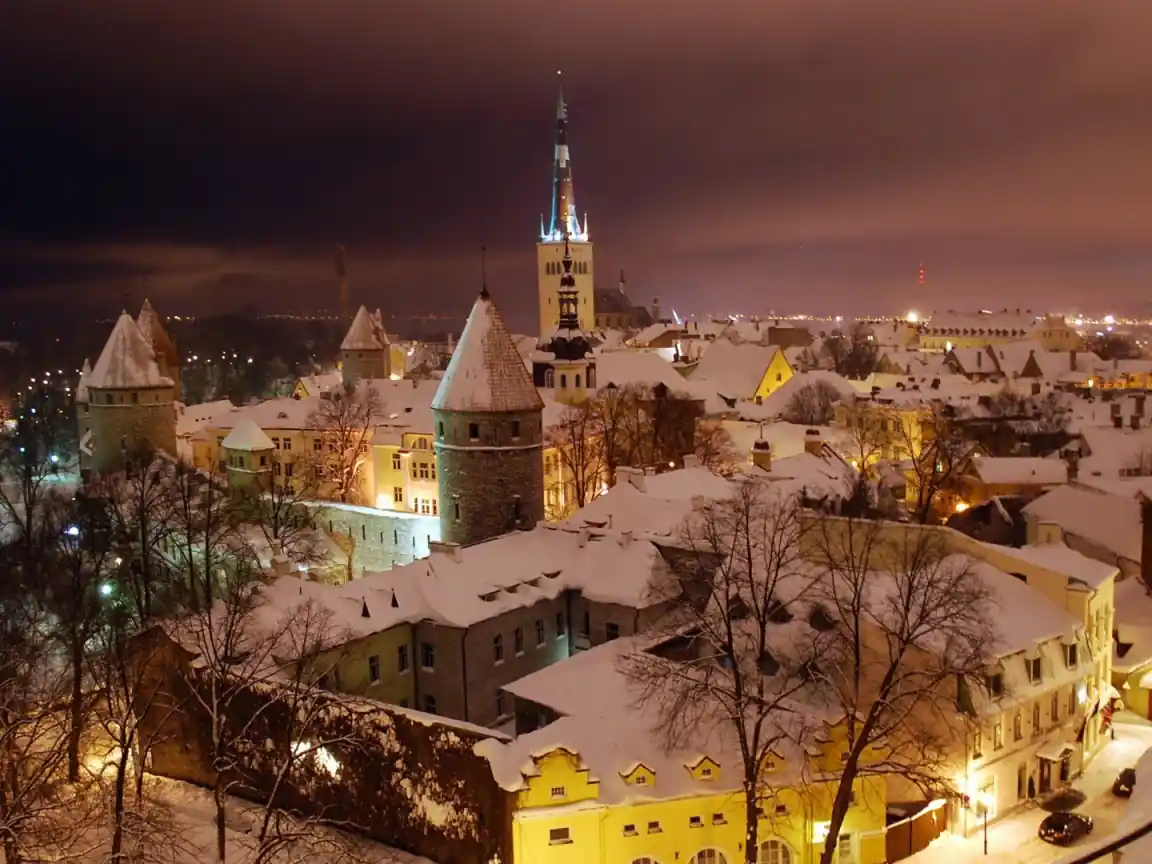
If you’ve ever dreamed of a snowy fairytale, Tallinn delivers. Its Town Hall Square becomes one of the most enchanting Christmas markets in Europe, often blanketed in snow thanks to Estonia’s northern location. The 2025 market is scheduled for Nov 22 – Jan 5, giving it one of the longest runs.
Expect wooden huts filled with wool goods, ceramics, and regional treats. A beautifully lit tree dominates the square, surrounded by music and folk performances.
For families, there’s even a Santa’s hut for children. With its cozy scale, it’s a great stop for those preferring smaller European Christmas markets that still brim with charm.
8. Bruges, Belgium – Medieval Charm and Canal Lights
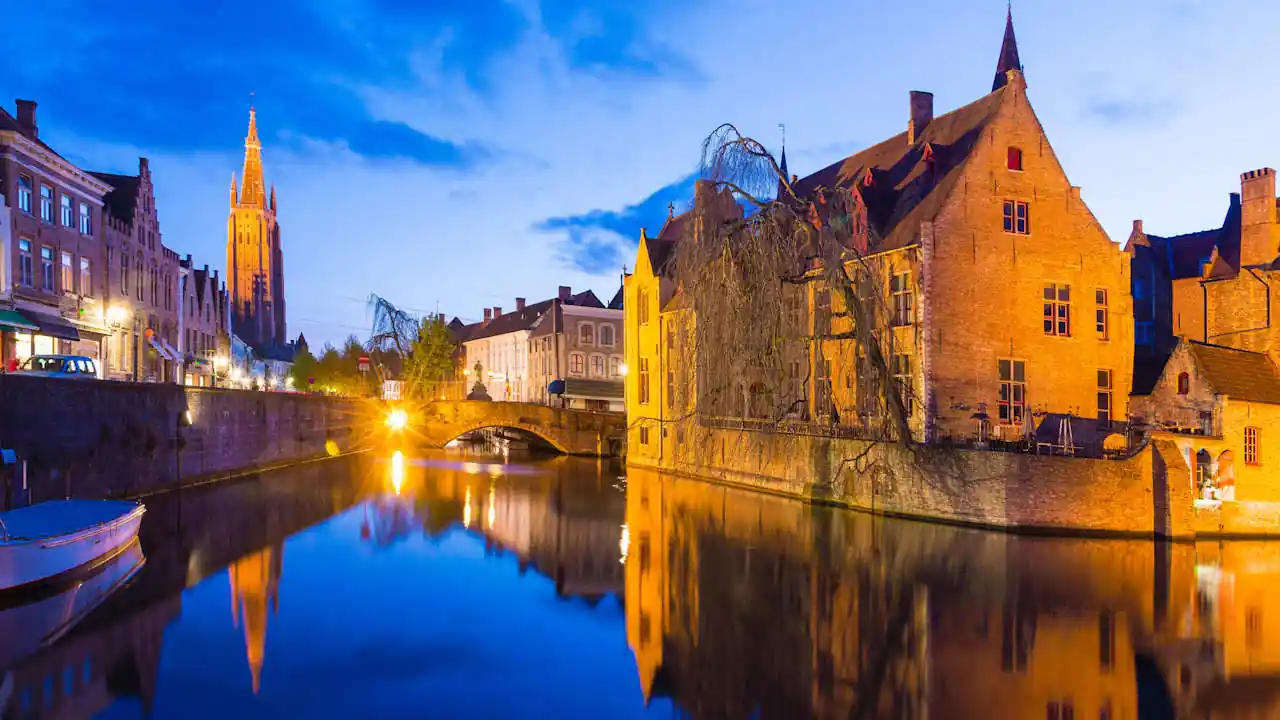
Bruges shines each December as medieval squares glow under twinkling lights. The 2025 market season runs Nov 22 – Jan 5, with stalls spread around Markt and Simon Stevinplein. Ice rinks, festive music, and mulled drinks set the tone.
What makes Bruges magical is its setting—cobblestone streets, canals reflecting golden lights, and viewpoints that photographers love. While smaller than Cologne or Vienna, Bruges offers intimacy and character, perfect for couples or travelers seeking a romantic winter weekend.
Bruges is also a common stop on Christmas Market Tours, paired with Ghent or Brussels for those wanting a Belgium-focused trip.
9. Innsbruck, Austria – Five Compact Markets + Alpine Views
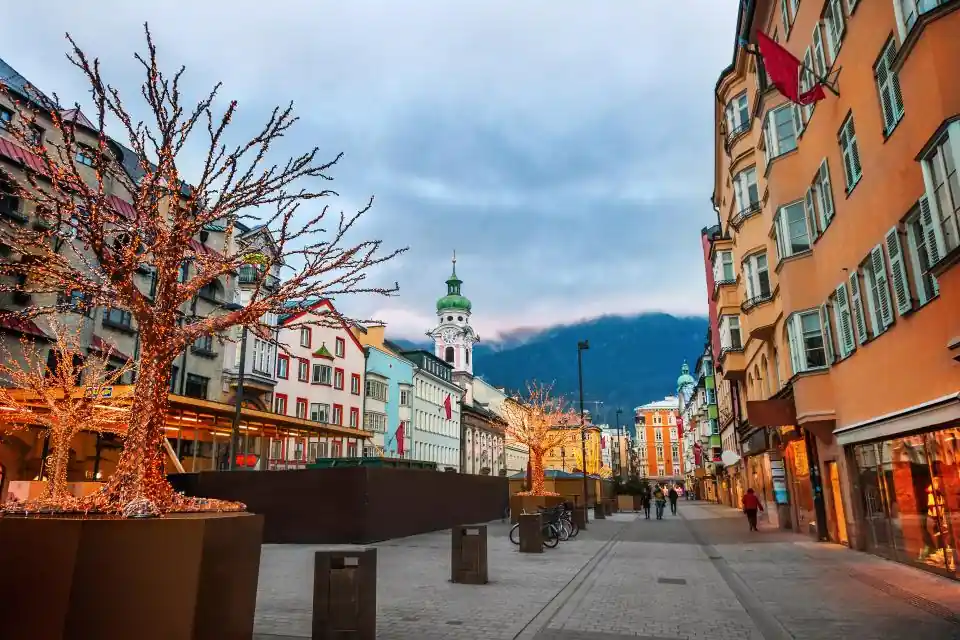
Innsbruck might be smaller, but it punches above its weight with five different Christmas markets spread across the city. The Old Town market, framed by the Golden Roof, is particularly atmospheric. In 2025, Innsbruck’s markets will run Nov 15 – Dec 23, with each square offering a slightly different vibe.
Travelers can enjoy mountain views, regional Tyrolean foods, and local handicrafts. Don’t miss the panoramic market at Hungerburg, accessible by funicular, where you can sip a warm drink while gazing across the snow-dusted valley.
For families, Innsbruck is manageable on foot, but its compact tram system also helps connect neighborhoods quickly, making it both charming and practical.
10. Nuremberg, Germany – Iconic Christkind and Crafts
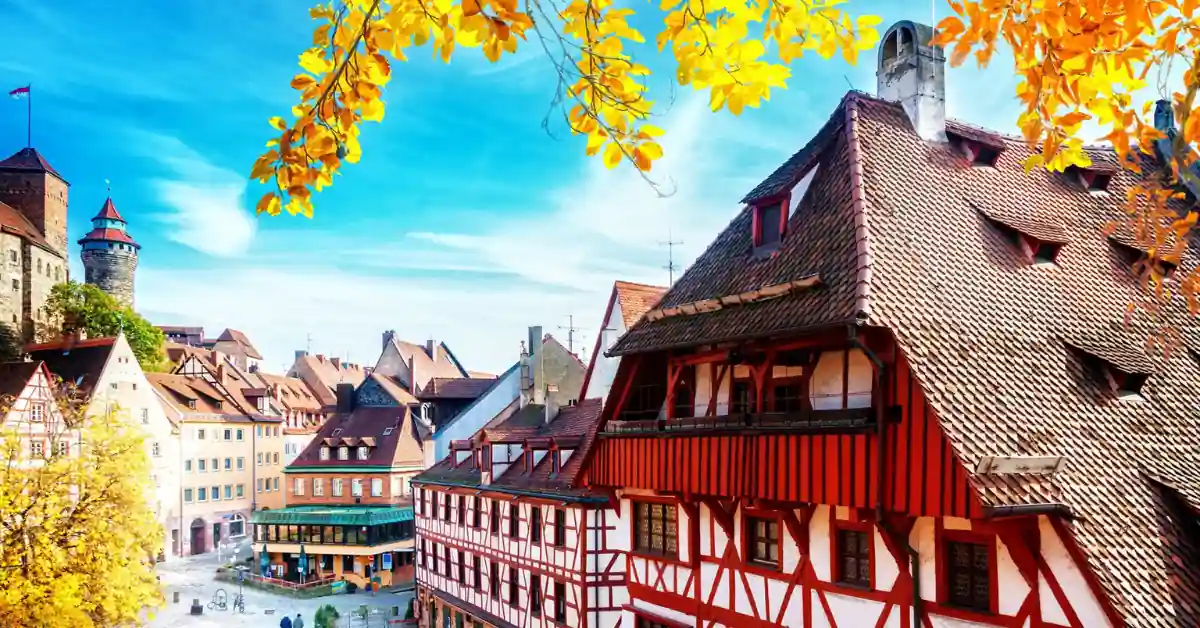
The Nuremberg Christmas markets are among the most iconic in Europe, famous for their Christkind opening ceremony and rows of traditional craft stalls. Running from Nov 29 – Dec 24, 2025, the city’s main market fills Hauptmarkt square with wooden huts and twinkling lights.
Shoppers flock here for local gingerbread, sausages, and the whimsical Nuremberg Plum People figurines—handmade souvenirs that make Nuremberg unique. For families, the Kinderweihnacht area has rides and entertainment tailored for kids.
11. Metz, France – Light Trails and Food Focus
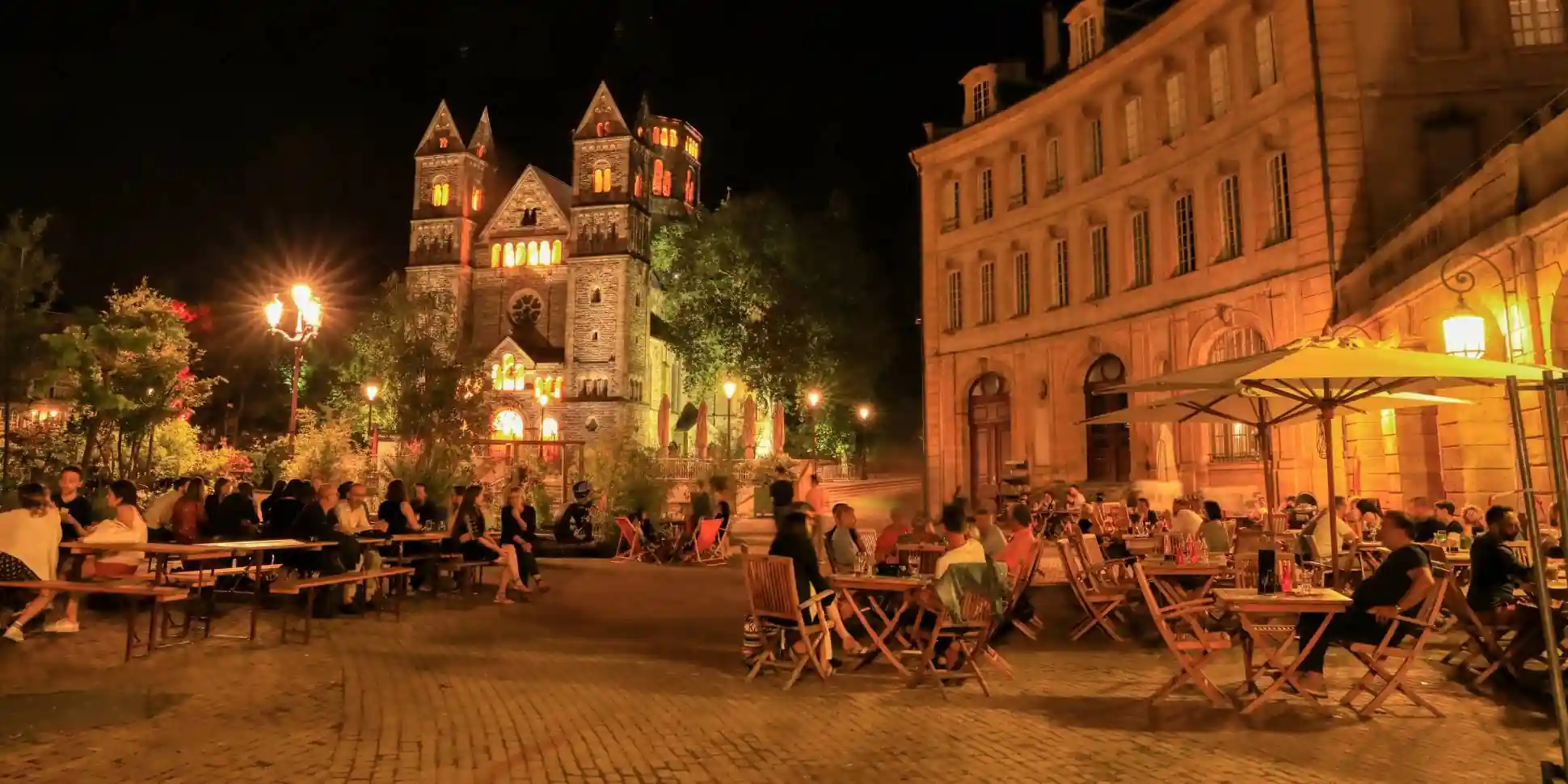
Metz is less crowded than Strasbourg but equally charming, thanks to its emphasis on festive trails and regional gastronomy. The 2025 edition will run from Nov 22 – Dec 30, spread across several squares.
Expect gourmet food markets, dazzling lantern trails, and smaller artisan zones where visitors can shop for handmade goods. Metz is also a practical addition to regional Christmas markets tours, linking easily with Strasbourg, Luxembourg, and Cologne by rail.
12. Valkenburg, Netherlands – Cave Markets & Unique Setting
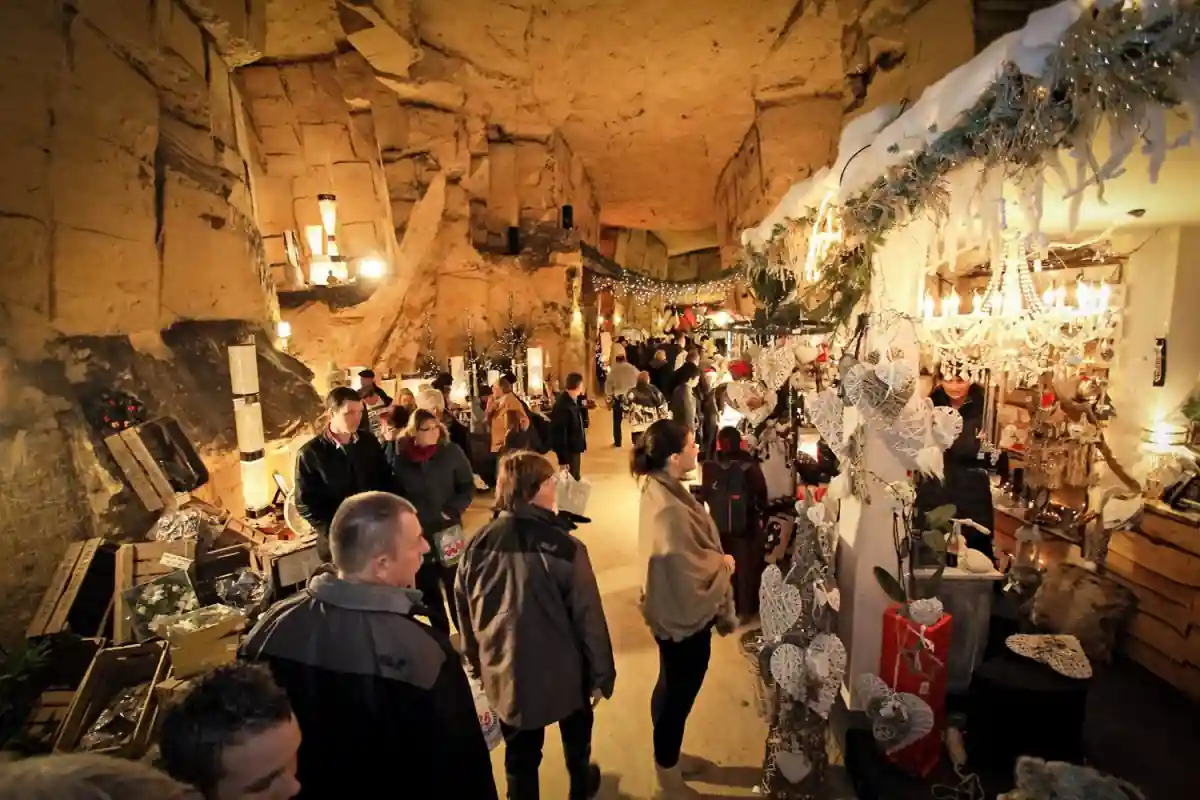
For something entirely different, Valkenburg offers an underground twist. Its annual markets are held inside caves, creating a warm, atmospheric setting away from winter chill. The 2025 season is expected to run from Nov 16 – Dec 29, drawing travelers curious about this unusual setting.
Inside the caves, stalls sell crafts, decorations, and festive bites, while murals and stone carvings add an almost otherworldly vibe. Above ground, the town has light parades and festive shows, making it one of the most distinctive holiday stops in Europe.
5–7 Day Rail Itinerary
One of the best ways to see multiple Christmas markets without stress is by rail. Europe’s train system makes it easy to connect festive hubs in logical routes. Here are three suggested clusters:
Alsace–Lux/West Germany: Strasbourg → Colmar (Day Trip) → Metz → Cologne
- Day 1–2: Strasbourg – Begin at Strasbourg’s Christmas Market, exploring its multiple squares and festive lights. Stay overnight near Petite France.
- Day 3: Colmar (Day Trip) – Just 30 minutes by train, Colmar’s half-timbered houses provide a storybook backdrop for smaller markets.
- Day 4: Metz – Hop a train to Metz to enjoy food-forward festivities and the famous lantern trails.
- Day 5–6: Cologne – Finish with Cologne’s seven themed markets, all connected by trams. Overnight near the Cathedral for easy access.
Austro-Bavaria: Vienna → Salzburg/Innsbruck → Munich/Nuremberg
- Day 1–2: Vienna – Take in the grandeur of the Wiener Christkindlmarkt, then explore smaller Viennese squares.
- Day 3: Salzburg or Innsbruck – Both offer alpine charm; Innsbruck even has a panoramic market on Hungerburg hill.
- Day 4–5: Munich – Bavaria’s capital hosts large festive markets in Marienplatz and Tollwood.
- Day 6: Nuremberg – End with the famous Christkind market, with gingerbread and plum figurines to bring home.
Central Europe: Prague → Dresden → Berlin or Prague → Bratislava → Budapest
- Option A: Start in Prague for Old Town Square’s synergy, then ride two hours to Dresden for the historic Striezelmarkt. Finish with Berlin, where dozens of markets await.
- Option B: Go Prague → Bratislava (day trip) → Budapest, where the Basilica’s projections and food stalls create one of Central Europe’s most festive experiences.
These clusters are designed for efficiency—keeping total train travel under 4–5 hours per leg while maximizing your market time.
Crowd-Proof Game Plan (Timing, Entrances, Flow)
The magic of Europe’s holiday squares can quickly fade if you’re stuck in shoulder-to-shoulder crowds. A little timing strategy keeps the experience enjoyable:
- Best Hours: Aim for weekday mornings for space or post-dinner hours for a cozy, quieter vibe.
- Entrances: Skip the main gate—secondary entrances often have shorter lines.
- Flow Direction: Walk counterclockwise through squares to move against the typical crowd stream.
- Photo Windows: Arrive at dusk for blue-hour photos, or after rain when streets glow with reflections.
Shoulder dates—like the week before Advent begins or just after Christmas Eve—still feature lights and festive stalls but fewer tour groups.
Spend Smart—Realistic Budgeting for Markets
A festive trip doesn’t need to break the bank. Knowing costs upfront helps you plan:
- Mug Deposits: Most markets charge €2–4 for your mulled wine mug. Return it for your deposit or keep it as a souvenir.
- Snack Prices: Sausages run €5–8, pastries €3–5, and festive drinks €4–6.
- Cash vs. Card: Many stalls still prefer cash. ATMs near main squares can have fees, so withdraw beforehand.
- Tipping: Not always required, but rounding up small amounts is appreciated.
- Ways to Save: Look for city cards (which often cover transit), buy snacks for lunch instead of dinner, and stick to one sit-down meal per day.
Travelers who plan ahead can easily enjoy multiple festive stops while keeping daily budgets between €40–70 per person, depending on lodging.
Christmas markets
Eat Like a Local — What to Try Where
The joy of a winter trip is tasting regional flavors. Every destination has its own signature bites, so here’s a quick guide:
- Germany: Nuremberg’s lebkuchen (gingerbread) and bratwurst are must-tries. Dresden is all about buttery stollen.
- Austria: Vienna serves käsespätzle (cheesy noodles) and roasted chestnuts. Innsbruck adds mountain cheeses and Tyrolean dumplings.
- Hungary: Budapest’s lángos (fried dough) and kürtőskalács (chimney cakes) are legendary street snacks.
- Czechia: Trdelník (sweet pastry spirals) are warm, sugary crowd-pleasers.
- France: Strasbourg and Metz bring Alsatian flair—think tarte flambée, bretzels, and spiced cookies.
- Belgium: Bruges specializes in waffles, chocolates, and local cheeses.
- Nordic edge: Tallinn offers smoked fish, gingerbread, and warming spiced punches.
Vegetarians will find baked pretzels, potato pancakes, and sweet pastries in almost every city. For kids, waffles, pancakes, and fruit skewers dipped in chocolate are safe wins.
Accessibility & Family Logistics
Europe’s festive squares are magical, but not every setup works for everyone. Here are some tips:
- Surfaces: Expect cobblestones in places like Prague and Bruges. Vienna and Strasbourg offer smoother layouts with better wheelchair and stroller access.
- Ramps & Lanes: Larger cities often install temporary ramps. Look for stroller lanes in family-oriented areas.
- Quiet Zones: Markets can overwhelm—seek side streets, churches, or small cafés for sensory breaks.
- Restrooms & Changing Areas: Available near main squares, though lines can form quickly at peak times.
- Winter Safety: Shoes with grip are a must. Rotate warm drinks and dress in layers for kids.
Families will appreciate Nuremberg’s children’s zone and Innsbruck’s manageable scale, while couples might prefer Strasbourg’s romantic squares.
Where to Stay (By Neighborhood Pocket)
Choosing the right neighborhood can make or break your trip. Staying near the markets keeps the vibe alive but sometimes comes with noise. Here’s a breakdown:
- Vienna: Stay around Innere Stadt for walkable access to Rathausplatz, or Leopoldstadt for quieter nights with quick tram access.
- Strasbourg: Petite France offers canal views and proximity, but Neudorf is quieter and a short tram ride away.
- Prague: Old Town puts you in the middle of everything, while Vinohrady is calmer, with trendy cafés and easy metro links.
- Budapest: District V (Belváros) is central for Basilica Square; District VII (Jewish Quarter) offers nightlife plus short walks.
- Cologne: Near the Cathedral for ultimate access, or Deutz across the river for quieter stays and skyline views.
- Smaller towns (Innsbruck, Bruges, Tallinn): Their compact size means almost anywhere in the historic core works fine.
Booking early is crucial, especially for weekends in December when hotels fill fast. Aim for lodging with late check-in and breakfast included—you’ll thank yourself on chilly mornings.
Weather, Packing & Photography Cheats
Winter weather varies across regions, so prep wisely:
- Western & Central Europe (France, Germany, Austria): Expect temps between 0–8°C (32–46°F), with damp evenings.
- Northern Europe (Estonia, Belgium): Snow is more likely, but so are biting winds.
- Eastern Europe (Hungary, Czechia): Dry cold, often below freezing after sunset.
Packing Tips:
- Waterproof boots with traction (cobblestones get slick).
- Gloves you can use with your phone for photos.
- A thermos for hot drinks on the go.
- Layers (thermal base, sweater, insulated jacket).
Photography Hacks:
- Arrive at dusk for “blue hour” photos.
- Use reflective puddles after rain for dramatic shots.
- For food pics, step aside from the main stall—steam and crowds blur the frame.
Safety & Etiquette Essentials
Markets are festive but busy—awareness helps:
- Pickpocketing: Risk spikes at night near stages and entrances. Keep valuables zipped and close.
- Glassware & Mugs: Most drinks come in reusable mugs. Return them for a deposit refund, or keep them as souvenirs.
- Rules on Tripods/Drones: Many squares restrict professional gear—check signage. Handheld cameras are always fine.
- Local Artisans: If you’re shopping, look for stalls selling handmade crafts. They’re often pricier, but buying directly supports local traditions.
A polite smile, a few words in the local language (like Danke or Merci), and respecting stall queues go a long way.
Sample Daily Plan (You’ll Actually Follow)
Here’s how to pace your day without exhausting yourself:
- Morning: Explore museums, cathedrals, or indoor attractions while markets are quieter.
- Lunch: Grab a hearty meal indoors to warm up.
- Afternoon: Head to smaller markets or family zones—lines are shorter pre-evening.
- Evening: Focus on the main market. Arrive around dusk to enjoy the lights and music.
- Nightcap: End with a warm drink before retreating to your hotel or a cozy café nearby.
This rhythm ensures you balance culture, rest, and festive time without burning out.
Conclusion
Visiting the best Christmas markets in Europe in 2025 is more than a holiday trip—it’s a cultural deep dive wrapped in glowing lights, rich flavors, and festive traditions. With smart planning, you can dodge crowds, manage budgets, and experience both iconic hubs and hidden gems.
Pick a cluster, plan your route, and let the season’s magic guide you. Whether it’s sipping mulled wine under cathedral spires, discovering unique crafts in medieval squares, or watching kids marvel at Nativity scenes, these markets promise unforgettable memories.
Book your train tickets, pack your winter gear, and step into a world where December feels truly enchanted.
Frequently Asked Questions
1. Are markets open after Dec 25?
Yes, several stay open into late December or even January. Prague, Tallinn, and Bruges keep festive stalls into the first week of January, while Vienna and Cologne usually close by Christmas Eve.
2. Which markets run into January?
Prague (Jan 6), Tallinn (Jan 5), and Bruges (Jan 5) are your best bets for early January visits.
3. Do I need cash?
Cards are widely accepted, but smaller stalls often prefer euros in cash. It’s smart to carry at least €20–40 daily.
4. Best time of day to avoid crowds?
Weekday mornings and late evenings after dinner are the most relaxed times.
5. Family-friendly options?
Nuremberg has a dedicated children’s zone, Innsbruck is compact and easy to walk, and Strasbourg features kid-friendly shows.
6. Wheelchair/stroller friendly?
Vienna and Strasbourg have smoother layouts and nearby tram access. Cobblestones in Prague and Bruges can be more challenging.
7. What if it rains or snows?
Markets remain open. Bring waterproof boots and use umbrellas cautiously in crowded squares. Snow adds atmosphere, though it can be slippery.
8. Are dogs allowed?
Yes, but it depends on local rules. Smaller markets are usually fine, but large cities may discourage pets during peak hours.
9. Can I keep the souvenir mug?
Absolutely. If you don’t return it, the small deposit is simply forfeited, and you keep the mug as a keepsake.