13+ Best Place to Live in Mexico by the Beach With Safety Guide

What changed my view of coastal living in Mexico did not happen at a resort. It happened on an early morning walk in Puerto Morelos, when shop owners greeted each other by name and fishermen unloaded the day’s catch without hurry. After years of moving between beach towns across North America, I began to see why so many people choose to stay.
Mexico keeps drawing long-term residents because beach towns offer balance. Life feels lighter than inland cities like Mexico City, but you still get strong infrastructure, food culture, and healthcare. For many, the best place to live in Mexico by the beach comes down to pace, affordability, and daily comfort.
Safety plays a bigger role than most guides admit. I have lived in both gated communities and regular neighborhoods, and the experience varies block by block. This guide focuses on places where daily life feels stable, not just beautiful.
You’ll find practical insights for expats, retirees, families, and digital nomads who want honest context before making a move. I’ll share where things work well, where caution matters, and why some towns feel easier to call home than others.
Criteria for Choosing a Beach Destination
Safety
Safety in a Mexican beach town is rarely about headlines. It’s about routines. After spending months in the Riviera Maya and Baja California, I learned that crime rates can look similar on paper but feel very different on the ground.
Tourist zones tend to have more police visibility, cameras, and patrols. Residential neighborhoods depend more on community habits and local awareness. In places like Playa del Carmen, one street can feel calm while the next feels neglected.
I always pay attention to lighting, foot traffic at night, and how locals move after dark. In many beach towns, knowing your neighbors does more for safety than living behind gates.
Cost of Living
Coastal Mexico still offers value, but prices vary sharply by town. In less touristy beach areas, I’ve rented apartments for half of what friends pay in popular expat hubs.
Rent near the water costs more, especially in places tied to vacation rentals. Groceries, public transport, and local food remain affordable, especially if you shop where residents do. Healthcare costs stay reasonable, even without insurance.
For anyone searching for the best place to live in Mexico by the beach on a budget, flexibility on location matters more than lifestyle compromises.
Community and Amenities
Strong communities make beach living sustainable. In towns with active expat groups, it’s easier to find bilingual doctors, reliable real estate agents, and support during paperwork issues.
I look for access to clinics, pharmacies, and basic shopping before beauty. Coworking spaces and fiber optic internet have become common, even in smaller towns.
Places that balance local life with international residents tend to feel more stable long term, especially for families and remote workers.
Quality of Life
Climate affects daily life more than people expect. I learned this after a humid summer in the Yucatán and a breezy winter along the Sea of Cortez.
Beach towns encourage outdoor routines. Morning swims, evening walks, and slower meals become normal. Work still happens, but it stops ruling the day.
If you value time over speed, coastal Mexico delivers a quality of life that inland cities rarely match.
Here’s 13+ Of the Best Place to Live in Mexico by the Beach
1. Playa del Carmen
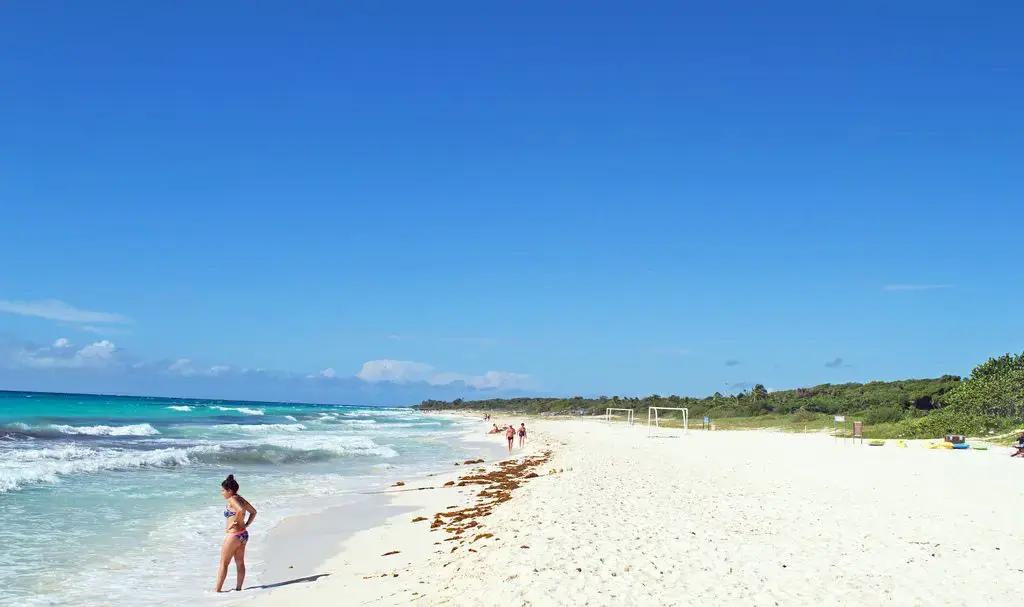
Playa del Carmen sits at the heart of the Riviera Maya, and I’ve spent enough time here to see both sides of the story. Beyond Fifth Avenue, daily life feels residential, walkable, and routine driven.
Safety depends heavily on neighborhood choice. Areas like Gonzalo Guerrero and parts of Playacar feel calmer than the tourist core. Police presence is consistent, but common sense matters, especially late at night.
Expat life runs smoothly here. You’ll find coworking spaces, private clinics, reliable fiber optic internet, and easy transport links. For digital nomads, this remains one of the most functional beach towns in Mexico.
2. Tulum
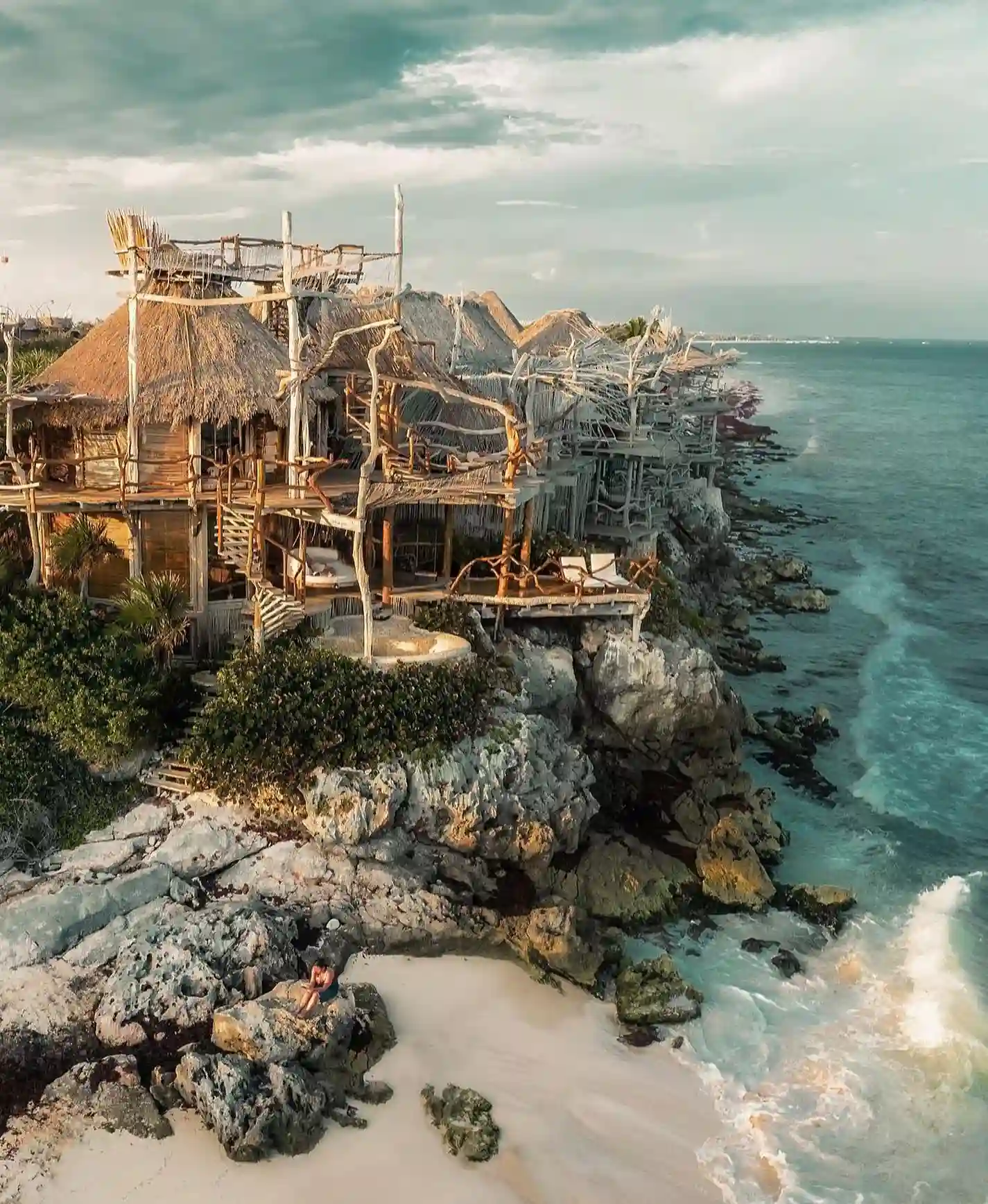
Tulum attracted me for its blend of nature and restraint. Life here moves slower, especially away from the beach road. The town center feels more grounded than the hotel zone, where tourism dominates.
Safety has changed over the years. Local initiatives improved lighting and patrols, but choosing where you live matters more than ever. I prefer quieter residential areas over jungle rentals far from services.
Tulum works best for people who value simplicity. Healthcare options exist but are limited. Many residents travel to Playa del Carmen for specialists. It suits minimalists, creatives, and those comfortable with fewer conveniences.
3. Puerto Vallarta
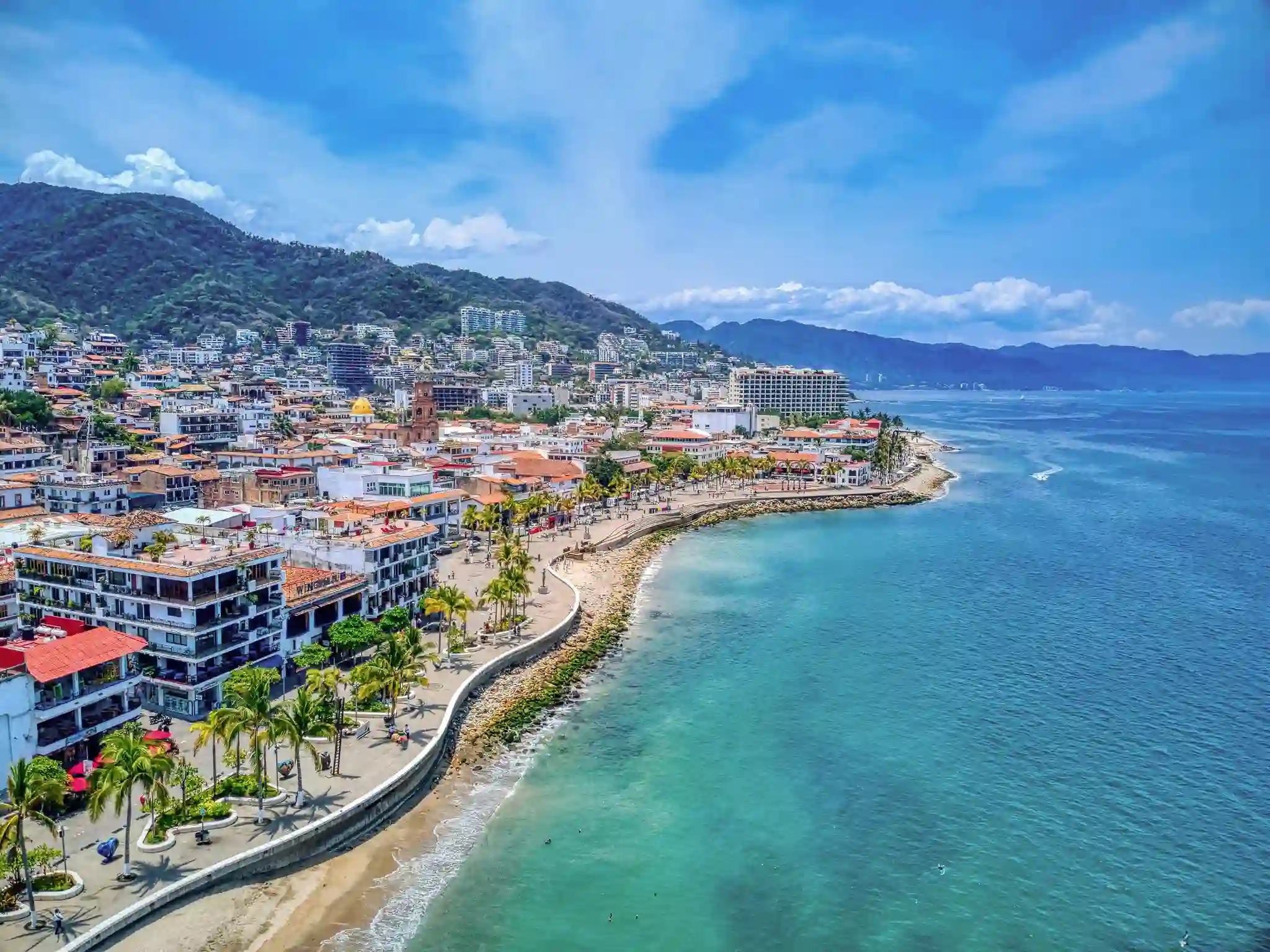
Puerto Vallarta feels like a real city that happens to have beaches. After multiple stays, I’ve found neighborhoods like Versalles and Fluvial Vallarta offer the best daily balance.
Safety here feels steady. The city benefits from strong local governance and visible policing, especially near the Malecón and residential zones. Walking at night feels normal in most central areas.
Healthcare is one of Vallarta’s strengths. Hospitals, specialists, and pharmacies are easy to access. Add reliable transport, solid expat networks, and cultural events, and it’s easy to see why families and retirees settle here long term.
4. Mazatlán
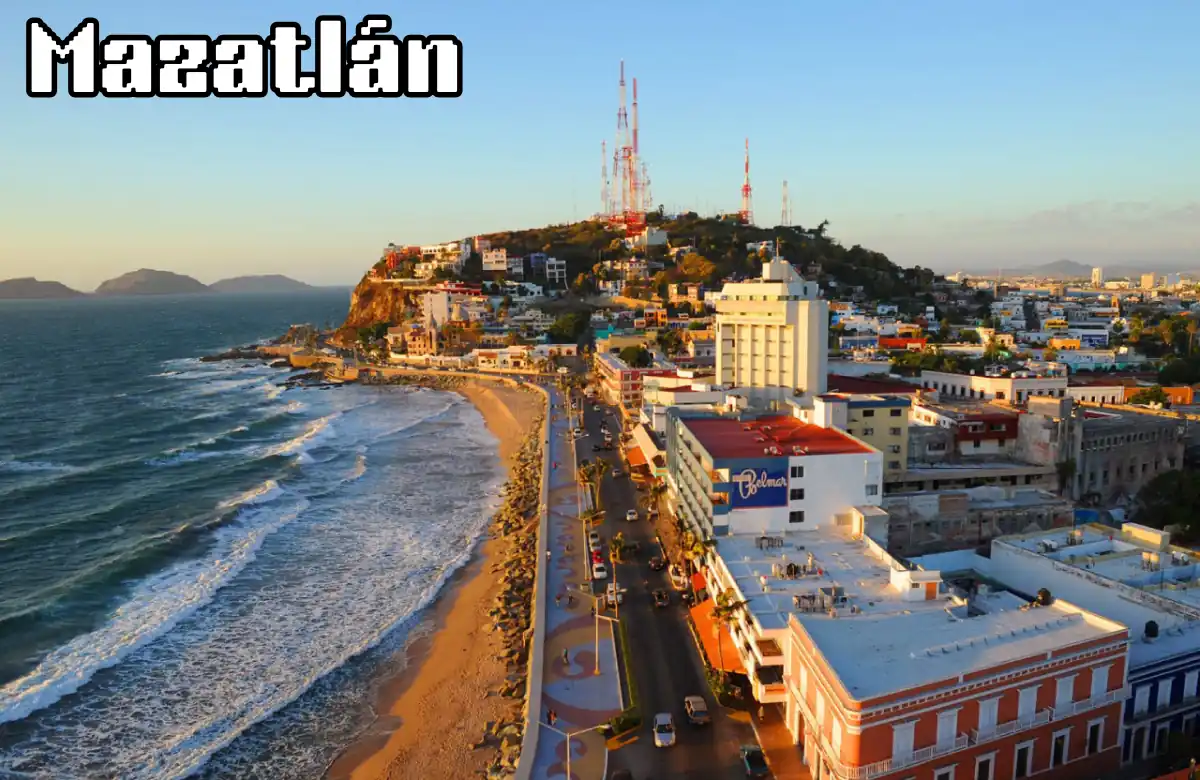
Mazatlán surprised me on a late winter visit when locals invited me to a neighborhood fiesta on Olas Altas. This city blends historic charm with growing expat interest. In recent years tourism numbers climbed above 2 million annual visitors, and more retirees are choosing it for sun without crowds (Mexico Tourism Board).
Safety here feels grounded in community. Centro Histórico is generally peaceful, with local police on regular patrols. Some outer neighborhoods see higher petty crime, so choose housing near main arteries like Avenida del Mar or Playas.
Living costs stay lower than in Playa del Carmen or Cabo. I’ve found roomy rentals with ocean views for a fraction of prices in busier beach towns. Healthcare access is solid with clinics and a few hospitals, though specialists may require travel to larger cities.
Expat groups have grown steadily, making integration easier, especially for families and retirees. Local culture runs deep here, from street markets to seafood stands, giving daily life a genuine Mexican rhythm.
5. Cabo San Lucas

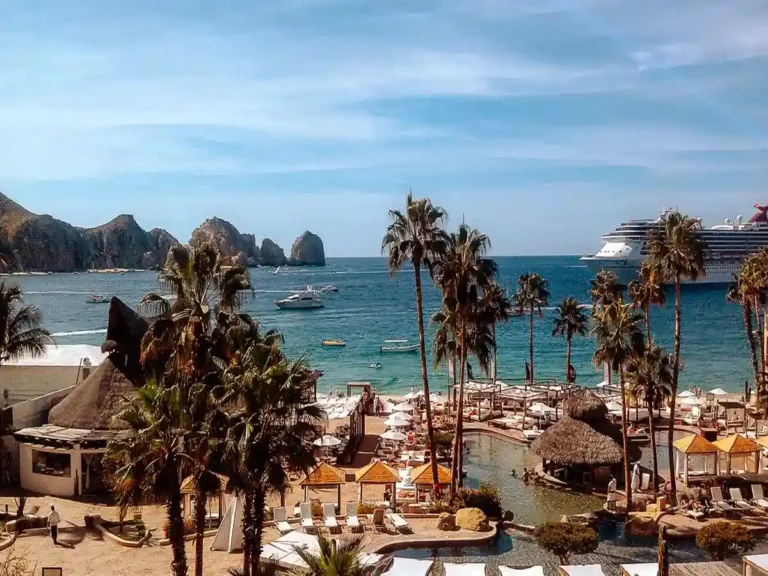
I arrived in Cabo San Lucas just as humpback whales began breaching offshore. The town feels energetic yet sprawling. Recent tourism reports show cruise arrivals and international flights at near-record highs, reflecting its pull for long stays and extended vacations (State Tourism Stats).
Safety in Cabo varies by zone. The marina and downtown generally feel secure with regular patrols and active commercial life. As you move toward quieter residential zones, community watch programs help maintain calm evenings.
Cost of living sits higher than average, but healthcare access is good and many expats find comfort in gated communities with private security. I know retirees who moved here for the ease of services and social groups.
If you seek amenities similar to a resort but want room to settle, Cabo can work. Just budget for higher rent or property costs and expect seasonal visitor spikes.
6. San Miguel de Allende (Nearby Beaches)
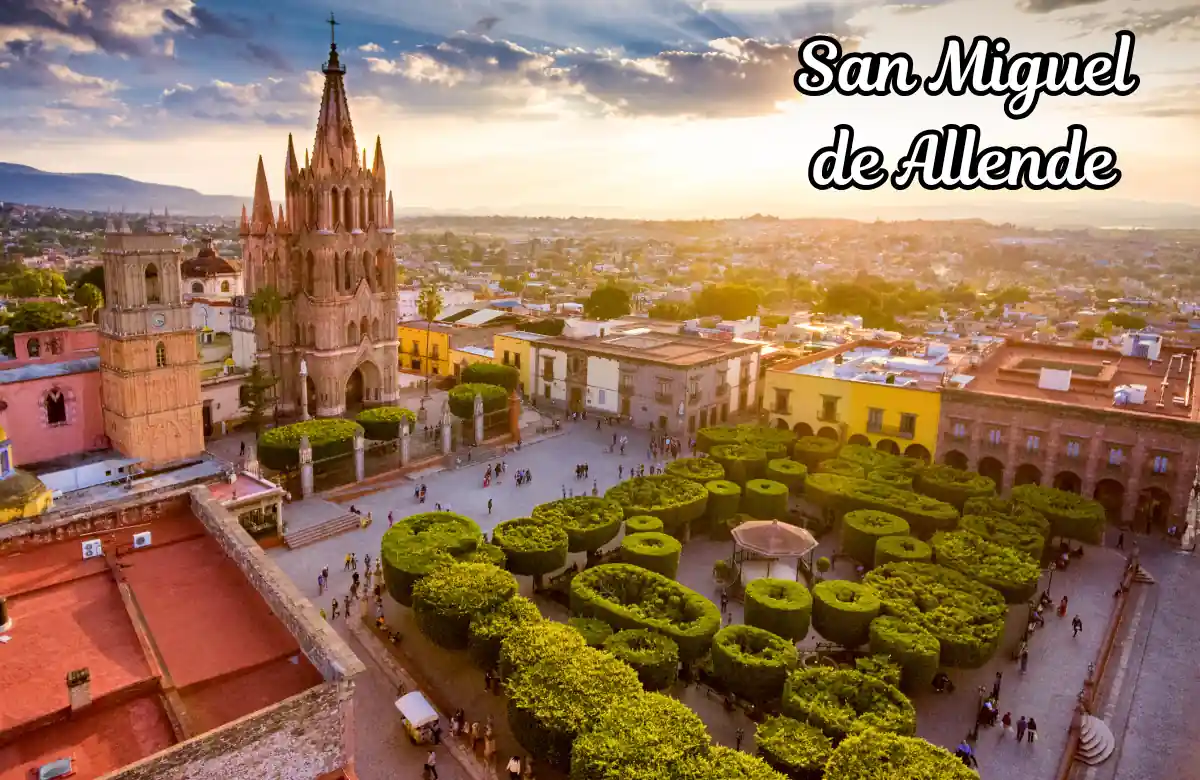
San Miguel de Allende may not sit on the sand, but its draw led me to explore nearby Pacific beaches and coastal living patterns. A large expat community here, many of whom visit beach towns regularly, keeps local real estate active even away from the coast.
Safety in San Miguel feels stable. It’s one reason families and retirees choose it before exploring coastal options like Todos Santos or San Pancho. Walkable streets and robust expat networks make daily life fluid.
From here, access to beaches means road trips that reward you with surf culture and waves within a few hours. I’ve made that drive countless times, stopping to meet local surfers and test beachside cafes.
This town’s cultural depth, art scene, and year-round climate make it a base from which coastal living becomes even more attractive.
7. Huatulco
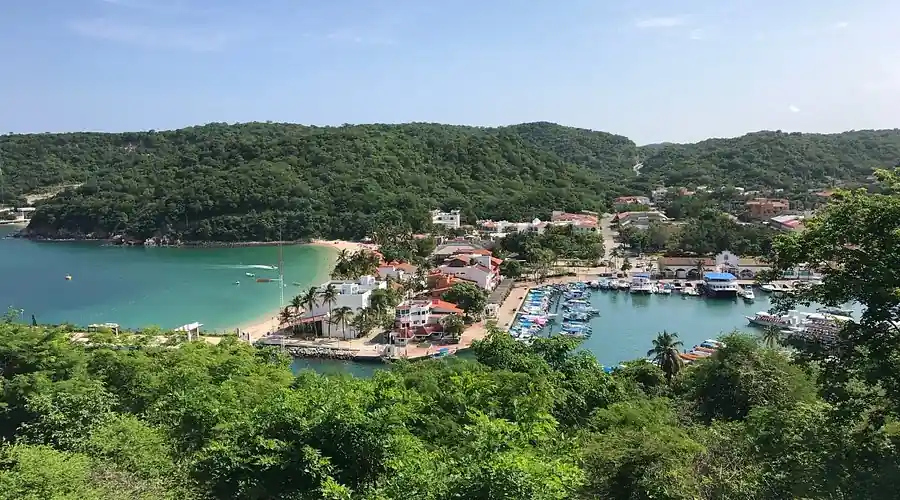
Huatulco feels intentionally planned, and that shows in daily life. During a longer stay near Santa Cruz Bay, I noticed how quiet evenings stay, even in peak season. Tourism remains controlled here, with around 1.1 million visitors annually, mostly domestic and long-stay travelers rather than short bursts (Oaxaca State Tourism Office).
Safety is one of Huatulco’s strongest points. It consistently ranks among the calmest coastal cities in Mexico. Police presence is visible but low key, and community awareness plays a bigger role than enforcement.
Expat numbers remain modest, estimated in the low thousands, which helps the town keep its local rhythm. Healthcare access is reliable for routine needs, and many residents combine public and private care. For retirees or families seeking predictability, Huatulco stands out as a stable beach town.
8. Isla Mujeres
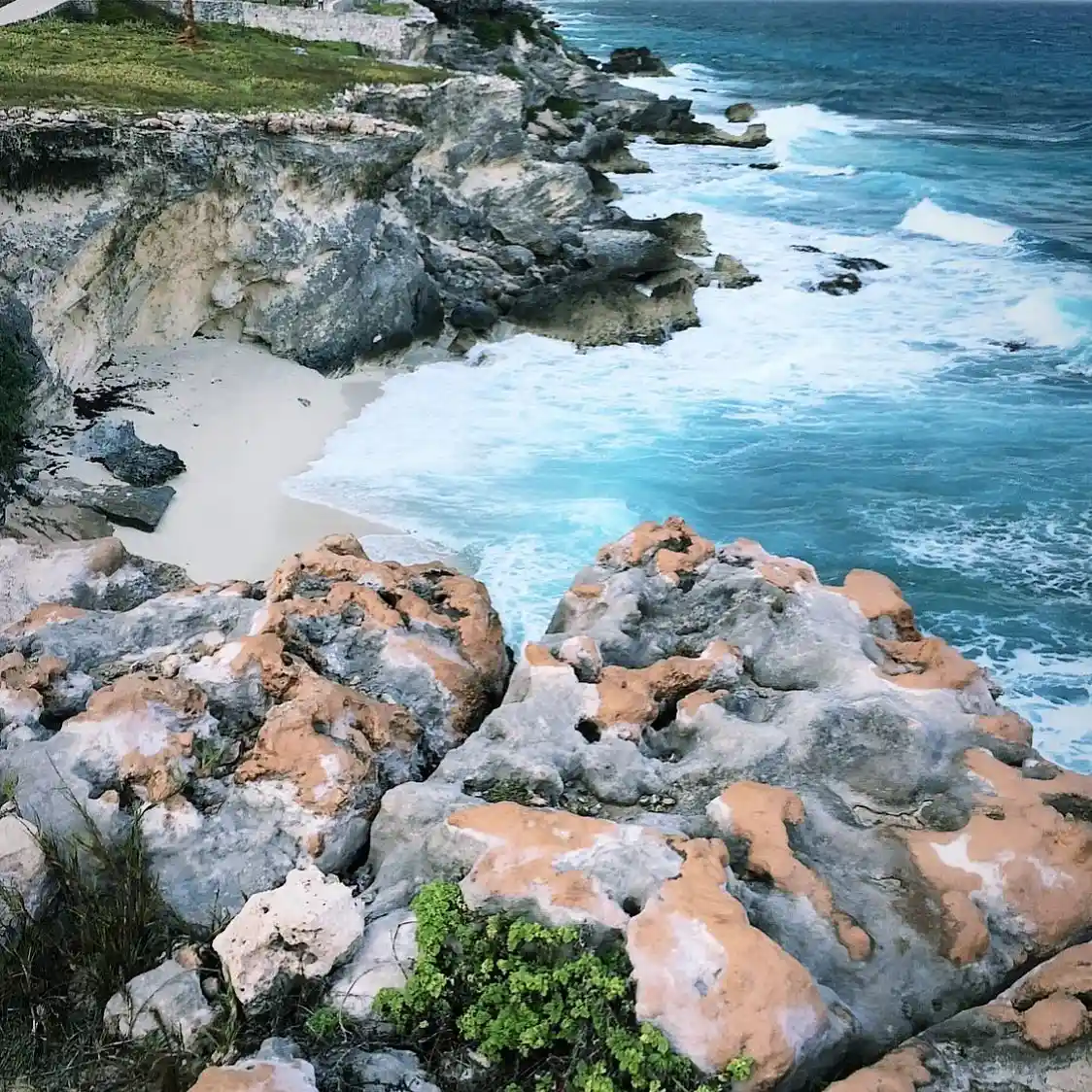
Living on Isla Mujeres taught me how scale changes everything. The island is small, flat, and socially tight knit. Tourism continues to grow steadily, with ferry arrivals exceeding 2 million passengers per year, yet long-term residents still know each other by face (Quintana Roo Tourism Secretariat).
Safety here feels personal rather than institutional. Crime remains low, and issues are usually resolved quickly due to the island’s size. Walking at night feels normal, especially around Centro and Punta Norte.
The expat population is estimated at a few thousand, many working remotely or running small businesses. Costs run higher than mainland beach towns due to transport and imports. In return, daily life feels calm, slow, and deeply connected to the sea.
9. Cozumel
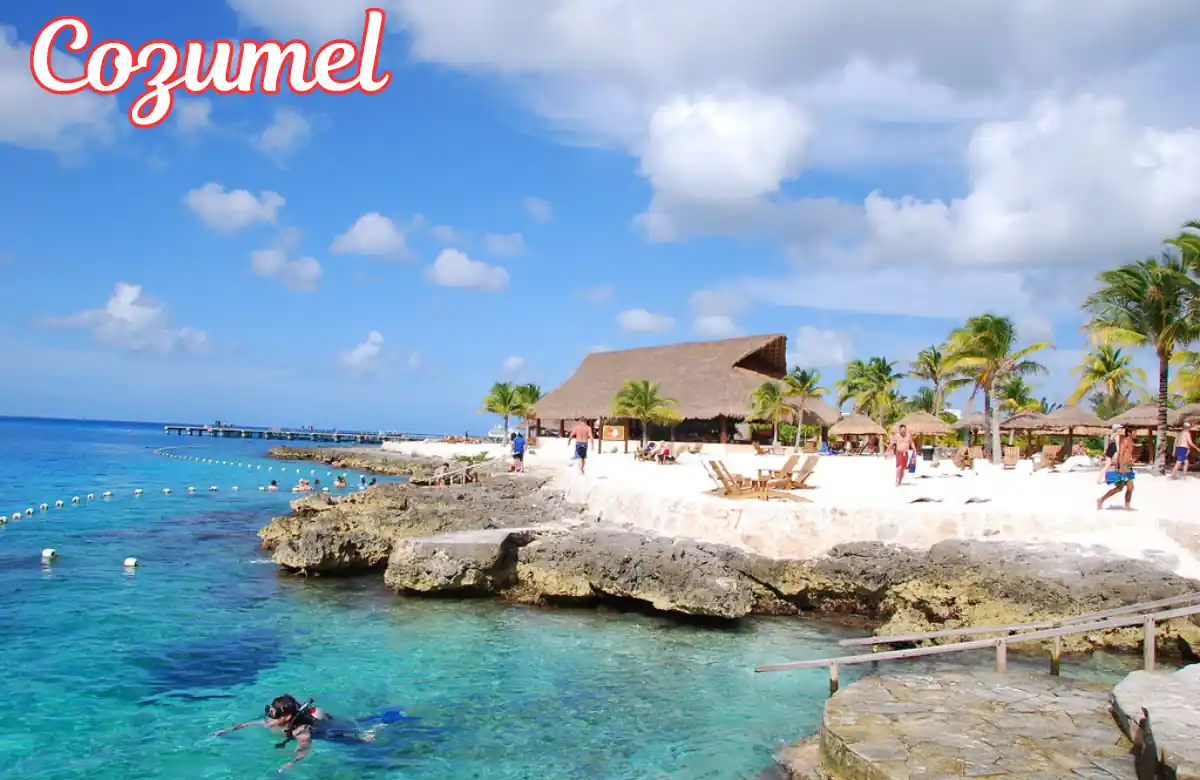
Cozumel’s rhythm revolves around the water. I spent weeks here diving and talking with locals who split time between tourism and family life. Cruise tourism remains massive, with over 3 million cruise passengers annually, though most never leave the port zone (Port Authority of Cozumel).
Safety in residential areas like Corpus Christi and San Miguel feels consistent. Police coverage is steady, and serious incidents are rare compared to mainland resort cities.
Expat numbers have grown quietly, especially among divers and remote workers. Living costs sit in the mid range for beach towns, and housing remains more attainable than in Playa del Carmen. Healthcare access is decent, with many residents traveling to the mainland for specialized care.
Cozumel works best if you enjoy routine, ocean life, and a town that shuts down early once the ships depart.
10. La Paz
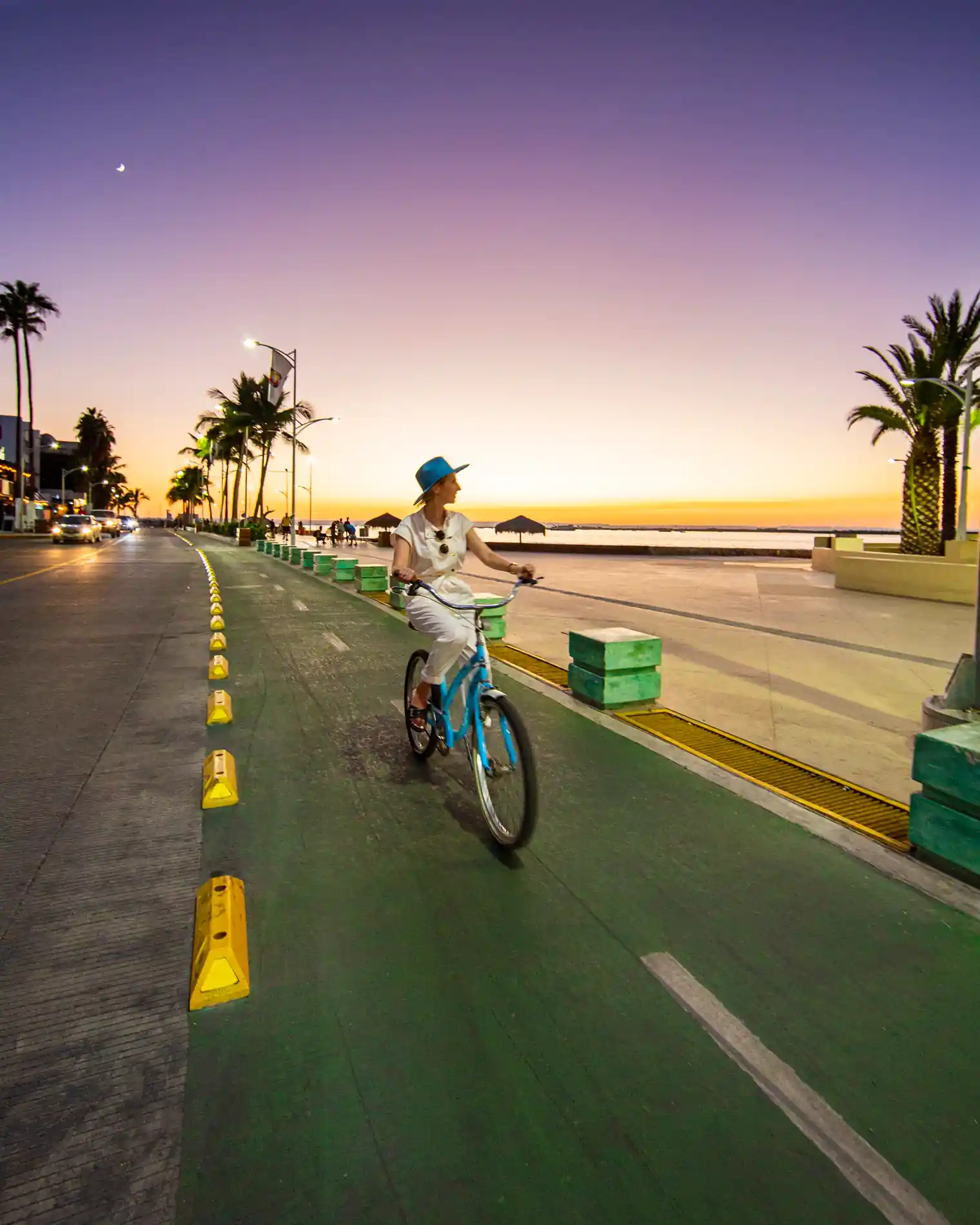
La Paz sits along the Sea of Cortez, and it feels very different from Mexico’s resort-heavy coasts. During a winter stay near the Malecón, I noticed how tourism blends quietly into daily life. Annual visitors now exceed 900,000, mostly nature focused travelers rather than party crowds (Baja California Sur Tourism Secretariat).
Safety here feels community led. Violent crime remains low, and neighborhoods rely on visibility and local routines. Walking early mornings or evenings feels normal, even away from tourist areas.
The expat population is smaller than Vallarta or Playa del Carmen, estimated around 8,000 to 10,000 long-term residents (INEGI). Living costs stay reasonable, especially for rentals outside the waterfront. Access to clinics is solid, though complex care often means travel.
For people seeking calm, nature, and real local interaction, La Paz often feels like the best place to live in Mexico by the beach without constant tourism pressure.
11. Ensenada
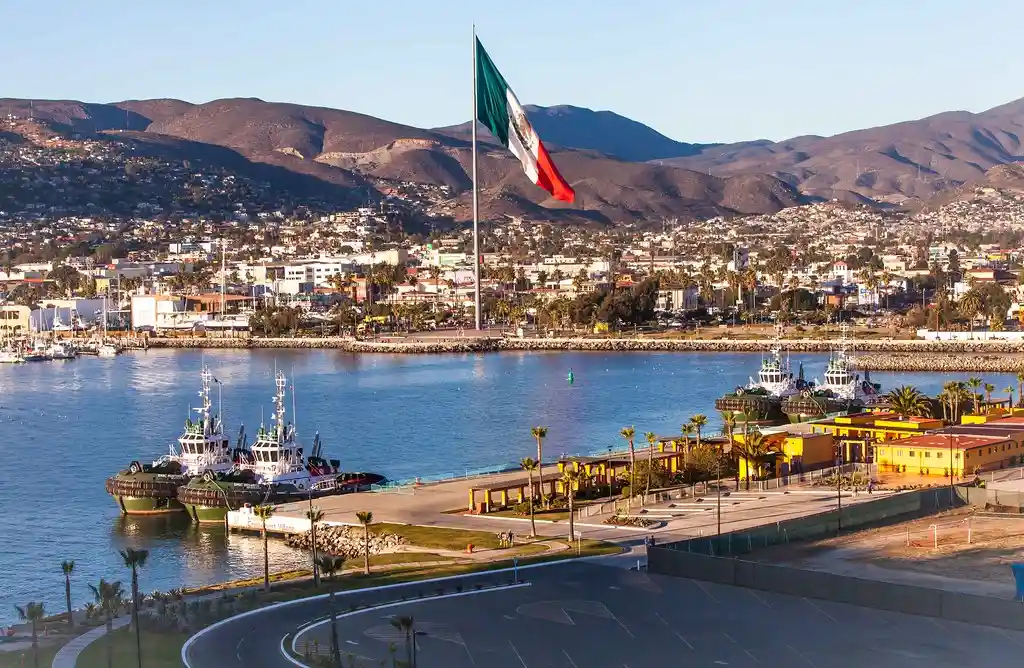
Ensenada works as a crossover town. Close to the U.S. border yet deeply Mexican, it attracts weekend visitors and long-term residents alike. Tourism numbers hover around 1.5 million per year, driven by cruise stops and wine region travel (Baja California Tourism Office).
Safety varies by district. Central areas and neighborhoods near the coast feel stable, especially where community businesses stay active late. I learned quickly that asking locals where not to rent saves stress later.
Expat numbers continue to grow, especially retirees who prefer cooler weather. Cost of living stays lower than Southern California, with affordable food and healthcare access. For those familiar with cross-border life, Ensenada offers a practical coastal option.
12. Progreso
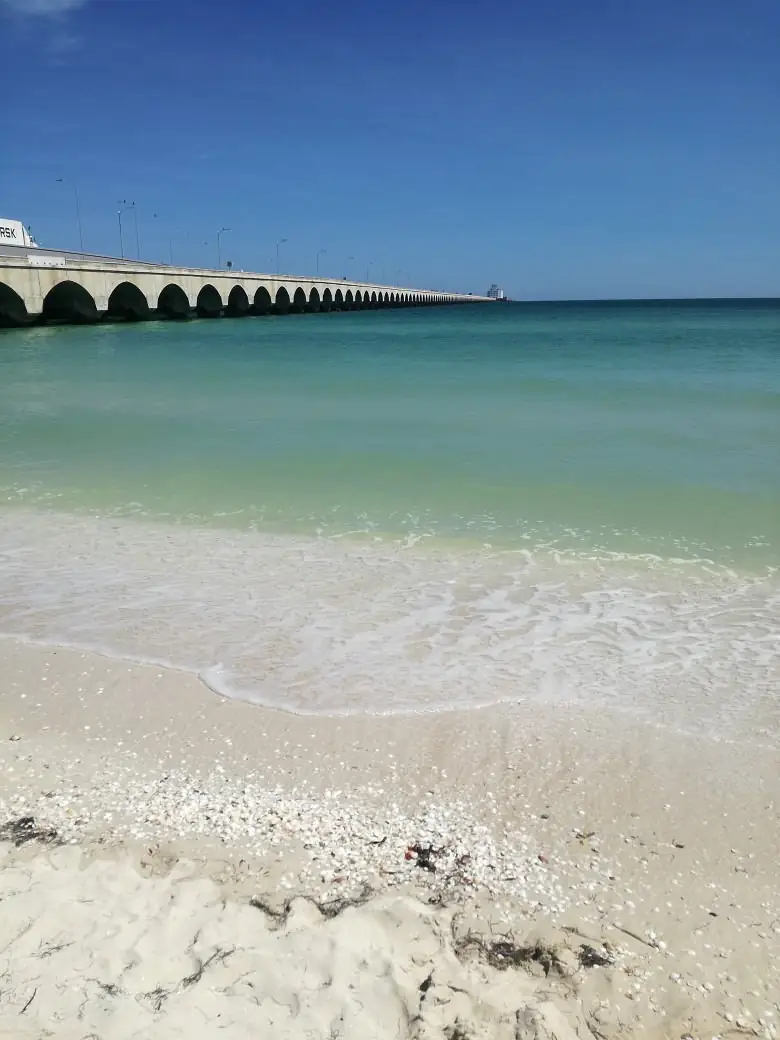
Progreso surprised me with how ordinary life feels despite cruise arrivals. The town welcomes over 200 cruise ships yearly, yet daily routines barely shift once passengers return to port (Yucatán Port Authority).
Safety here remains strong. Crime rates stay low, and most issues involve petty theft rather than serious incidents. Streets feel active but relaxed, especially near the Malecón.
The expat population is smaller, estimated at under 5,000 residents, many retirees living on fixed budgets (Yucatán State Data). Housing remains affordable, and healthcare access in Mérida is a major advantage.
For anyone searching for the cheapest beach towns in Mexico to live, Progreso consistently delivers value without chaos.
13. Puerto Escondido
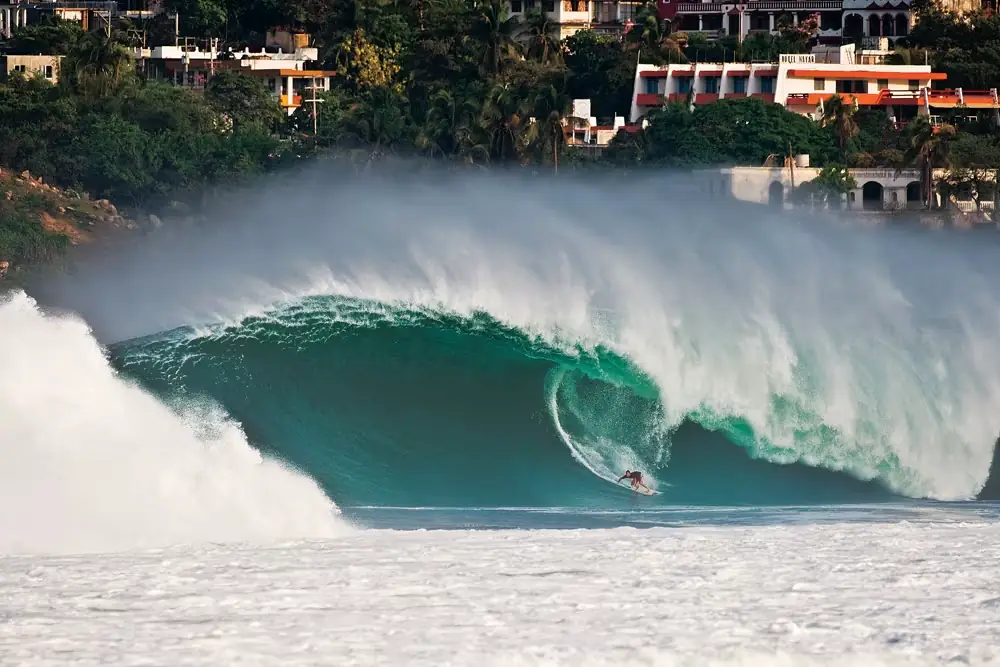
Puerto Escondido pulled me in slowly. Not through comfort, but through character. I first stayed near Zicatela, surrounded by surf culture and short-term visitors, then moved inland where daily life felt more grounded. Tourism continues to rise, with visitor numbers now passing 700,000 annually, driven mostly by domestic travelers and long-stay surfers (Oaxaca State Tourism Office).
Safety here is about awareness. Serious crime remains limited, but infrastructure lags behind larger beach towns. Police presence exists, though response times vary. I learned quickly to choose housing near established neighborhoods rather than isolated beachfront properties.
The expat population is growing, especially among creatives and digital nomads looking for affordable beach towns. Living costs stay low, making it appealing for anyone researching the best places to live in Mexico on a budget. It suits flexible lifestyles more than families seeking structure.
Safety Guide for Expats
General Safety Tips
Living in Mexico taught me that safety comes from habits, not fear. Understanding local customs matters more than memorizing crime stats. In most beach towns, respect and routine go a long way.
Learn how your neighborhood works. Watch when streets empty, which shops stay open late, and where locals park. Avoid drawing attention, especially with phones or cameras after dark.
Emergency response varies by region. I always save local numbers, not just national ones, and build relationships with neighbors. This approach has helped me feel secure across multiple expat destinations.
Communication and Resources
Every town has its own information network. Facebook and WhatsApp groups often share real-time updates faster than news outlets. I’ve relied on these communities during storms, power outages, and local road closures.
Local newspapers still matter, especially for municipal changes or safety advisories. In places with many digital nomads, coworking spaces often act as informal information hubs.
Staying informed reduces risk. It’s one of the simplest relocation tools people overlook when searching for the best place to live in Mexico by the beach reddit discussions often mention.
Health and Insurance
Healthcare access along the coast improved a lot over the last decade. In towns like Puerto Vallarta and Playa del Carmen, private hospitals handle routine care without stress. I’ve personally used private clinics for minor issues and found wait times short and communication clear.
Public healthcare works for residents with coverage, but most expats rely on private plans or pay out of pocket. Costs stay far below North America. Many retirees combine local insurance with occasional medical tourism in larger cities like Mexico City.
If you plan long stays, set up insurance early. It simplifies visas, emergencies, and peace of mind when choosing the best place to live in Mexico by the beach for retirees.
Final Thoughts
After years of living in beach towns across Mexico, one truth stands out. There is no single best place that fits everyone. The best place to live in Mexico by the beach depends on how you live, not how a destination looks online.
Some towns work better for families who want structure and schools. Others attract young adults, creatives, and digital nomads chasing flexibility. Budget, safety habits, and daily rhythm matter more than rankings.
Visit first. Stay longer than a vacation. Talk to locals. When you do that, Mexico’s beach towns stop feeling like destinations and start feeling like home.
Frequently Asked Questions
1. What is the safest beach town in Mexico to live in?
Based on long stays, towns like Huatulco, La Paz, and Progreso consistently feel stable. Safety still depends on neighborhood choice and daily habits.
2. What is the best place to live in Mexico by the beach on a budget?
Progreso, Mazatlán, and Puerto Escondido offer lower rents and food costs. These towns suit flexible lifestyles more than luxury expectations.
3. Are there good beach towns in Mexico for families?
Puerto Vallarta and Playa del Carmen work well for families. They offer schools, hospitals, and structured communities.
4. Where do most expats live along the coast?
High concentrations exist in Playa del Carmen, Puerto Vallarta, and parts of Baja California. Smaller towns attract quieter expat groups.
5. Is healthcare reliable in beach towns?
Yes, for routine care. Serious procedures may require travel to larger cities, which most long-term residents plan for.
6. Can digital nomads live comfortably in Mexico beach towns?
Yes. Fiber optic internet and Starlink satellite internet are now common. Playa del Carmen and Puerto Vallarta remain top choices.
7. What is the best place to live in Mexico by the beach for retirees?
La Paz, Huatulco, and Puerto Vallarta suit retirees seeking calm, healthcare access, and community support.
8. Are beach towns in Mexico expensive?
Costs vary widely. Tourist-heavy areas cost more. Local-focused towns remain affordable with smart housing choices.
9. How important is Spanish for living in Mexico?
You can get by in expat destinations, but basic Spanish improves safety, integration, and daily life.
10. Is moving to Mexico safer than Costa Rica?
Both are popular. Mexico offers more variety and lower living costs in many regions. Safety depends on town and lifestyle, not country labels.