Is Mexico Safe to Travel Right Now? (Oct 2026 Update)

Yes, Mexico is safe to travel right now in most tourist areas. The U.S. State Department rates Mexico Level 2, “exercise increased caution,” but six states are Level 4, “do not travel” (U.S. Department of State). Cancun, Los Cabos, Mexico City, and Mérida stay open and busy. Your risk depends far more on which state you pick than on Mexico as a whole.
Below, you’ll find the current level for every state, what the advisory really means in practice, a full Cancun section, the scams that actually hit tourists, and a quick check to run before you book.
How we researched this guide: we read the full U.S. State Department and Government of Canada advisories for Mexico, CDC travel health notices, and National Hurricane Center updates, then compared them town by town.
What Changed in 2026 (Read This First)
Three things shape any honest answer to “is Mexico safe” this fall.
The advisory was reissued on May 29, 2026. Mexico stays at Level 2 overall. Yucatán and Campeche are the only Level 1 states (U.S. Department of State).
Jalisco had a major flare-up in February 2026. After the Mexican army killed the leader of the Jalisco New Generation Cartel (CJNG), visitors in Puerto Vallarta were told to shelter in place for about a day while roadblocks and vehicle fires hit the region. Streets were quiet again within days. It is the clearest recent example of how cartel violence can briefly spill into a tourist town.
Hurricane Simon hit the Pacific coast in mid-October. ⚠️ Travel Advisory: Hurricane Simon (West-Central Mexico)
Hurricane Simon brought severe weather to Mexico’s Pacific coast after peaking as a powerful Category 4 storm. While the core has remained mostly offshore, its outer bands have caused significant flooding, landslides, and power disruptions across coastal communities.
Current Status & Warnings:
- Affected Areas: Official warnings and alerts remain active along the west-central coast, stretching from Michoacán through Colima and Jalisco up to Nayarit and Sinaloa. Major destinations including Manzanillo, Puerto Vallarta, and Bahia de Banderas continue to experience dangerous surf, rip currents, and residual heavy rainfall.
- Storm Behavior: Simon has slowed to a crawl and weakened to a Category 1/2 storm. However, because it is moving erratically right offshore, forecasters warn it could fluctuate in intensity or bring prolonged rainfall to the region through the end of the week.
- Infrastructure Impact: Local airports, including Puerto Vallarta International Airport, have experienced temporary operational suspensions and flight disruptions due to the weather.
Action Required: If you have travel plans to Mexico’s Pacific side in the coming days, strictly verify your flight and accommodation status directly with your airline and hotel before heading to the airport. Avoid coastal waters and monitor local civil protection updates.
Is Mexico Safe to Travel Right Now? Read the Advisory the Smart Way
Most articles stop at the level number. That number misses the most useful part.
Each state listing also says where U.S. government employees are allowed to go. These rules are strict, and they are based on real security reports. The State Department strongly urges regular travelers to follow them too. If staff can visit a town freely, that is a strong sign it is fine for you. If staff can only fly in, take that seriously.
Here is what that looks like for three real places:
- Mazatlán: Sinaloa is Level 4, yet staff may reach Mazatlán by air or sea only, on set routes. A cruise stop or a flight in is a very different trip from driving through Sinaloa.
- Puerto Vallarta: Jalisco is Level 3, but there are no staff limits in Puerto Vallarta, Riviera Nayarit, or Guadalajara’s metro area. Southern Jalisco is restricted.
- Acapulco and Ixtapa: Guerrero is Level 4, and staff cannot travel anywhere in the state. We would skip these until that changes.
One more change confuses people. Since the U.S. named several Mexican cartels as foreign terrorist organizations in 2025, “terrorism” now appears on almost every state’s listing. It reflects that legal label. It does not mean bombings or attacks aimed at tourists.
Every Mexican State by Advisory Level
| Level | What it means | States |
|---|---|---|
| Level 1 | Exercise normal precautions | Campeche, Yucatán |
| Level 2 | Exercise increased caution | Aguascalientes, Baja California Sur, Durango, Hidalgo, Mexico City, State of Mexico, Nayarit, Nuevo León, Oaxaca, Puebla, Querétaro, Quintana Roo, San Luis Potosí, Tabasco, Tlaxcala, Veracruz (Coahuila is listed here, but its text says reconsider travel) |
| Level 3 | Reconsider travel | Baja California, Chiapas, Chihuahua, Guanajuato, Jalisco, Morelos, Sonora |
| Level 4 | Do not travel | Colima, Guerrero, Michoacán, Sinaloa, Tamaulipas, Zacatecas |
Source: U.S. Department of State, advisory dated May 29, 2026.
How the U.S. and Canada Differ
Canada’s advisory is useful because it draws smaller zones. It names only specific parts of states as “avoid non-essential travel” (Government of Canada). For example, Canada flags Jalisco only within 50 km of the Michoacán border. It also carves out Morelia and Pátzcuaro in Michoacán, and Ixtapa/Zihuatanejo in Guerrero if you arrive by air. Quintana Roo is not on Canada’s regional list at all.
Our take: use the U.S. level to pick a state, then use Canada’s map to check your exact town.
Where Is It Safest to Go in Mexico Right Now?
These are the safest vacations in Mexico based on the current advisory, plus the real risk you should plan for in each.
| Destination | U.S. level (state) | Limits for U.S. staff | Main real risk | Best way to arrive |
|---|---|---|---|---|
| Mérida | Level 1 (Yucatán) | None | Heat, busy traffic | Fly into MID |
| Cancun Hotel Zone | Level 2 (Quintana Roo) | None | Theft, scams, nightlife incidents | Fly into CUN |
| Tulum and Playa del Carmen | Level 2 (Quintana Roo) | None | Drink spiking, late-night bar violence | Bus or transfer from CUN |
| Los Cabos | Level 2 (Baja California Sur) | None | Timeshare pressure, rough surf | Fly into SJD |
| Mexico City | Level 2 | None | Pickpockets, street taxi robberies | Fly into MEX |
| Puerto Vallarta | Level 3 (Jalisco) | None in the city | Rare cartel flare-ups, hurricanes | Fly into PVR |
For a calm, culture-heavy trip, Mérida is our pick. Pair it with Chichén Itzá or the Campeche coast. For beaches, Los Cabos and the Cancun Hotel Zone have the deepest tourist police presence. If you want to live near the sand longer term, see our guide to the best places to live in Mexico by the beach.
If you haven’t decided where to go yet, start by comparing the safest cities in Mexico for first-time travelers. This can help you narrow your options to destinations that suit your travel style before booking flights or accommodation.
Quick Answers for Popular Towns
- Is Mazatlán safe? The tourist zone (Zona Dorada and Old Mazatlán) still sees visitors, but Sinaloa has an active cartel conflict. Fly in, stay in the tourist zone, and do not drive in or out.
- Is Guanajuato, Mexico, safe? Guanajuato City and San Miguel de Allende sit outside the restricted southern belt around Celaya, Salamanca, and Irapuato. Most visits there are uneventful.
- Is Chiapas safe? San Cristóbal de las Casas and Palenque are open to visitors. Avoid southeastern Chiapas near the Guatemala border, and skip night buses.
- Is Cabo safe to travel to right now? Yes. Baja California Sur is Level 2 with no staff limits. Your biggest risks are strong currents on Pacific-side beaches and aggressive timeshare sales.
Mexican States Not to Visit and Places to Stay Away From
The most dangerous places in Mexico for travelers are the Level 4 states. Cartel turf wars there involve armed roadblocks, carjackings, and kidnappings, and U.S. citizens have been victims (U.S. Department of State).
- Colima: Shootings and kidnappings. Staff may reach only central Manzanillo.
- Guerrero: Includes Acapulco, Taxco, and Zihuatanejo. Staff cannot go anywhere in the state.
- Michoacán: Widespread crime and limited safe routes.
- Sinaloa: Culiacán is the center of the fighting. Mazatlán is the narrow exception, reached by air or sea only.
- Tamaulipas: Border kidnappings and a midnight to 6 a.m. curfew for staff in Matamoros.
- Zacatecas: Extortion and gang violence. Staff may only fly into Zacatecas City.
Within Level 3 states, also avoid southern Jalisco, the Copper Canyon in Chihuahua, the Mexicali Valley, and Sonora border towns like Nogales. In short, these are the main Mexico no travel zones for a typical vacation.
One firm rule applies everywhere: do not drive between cities after dark. The advisory bars staff from intercity night travel nationwide.
Cancun Safety Right Now: Hotel Zone, Downtown, and Getting Around
Cancun is the top question in this whole topic, so here is the detail most guides leave out.
Hotel Zone vs. Downtown
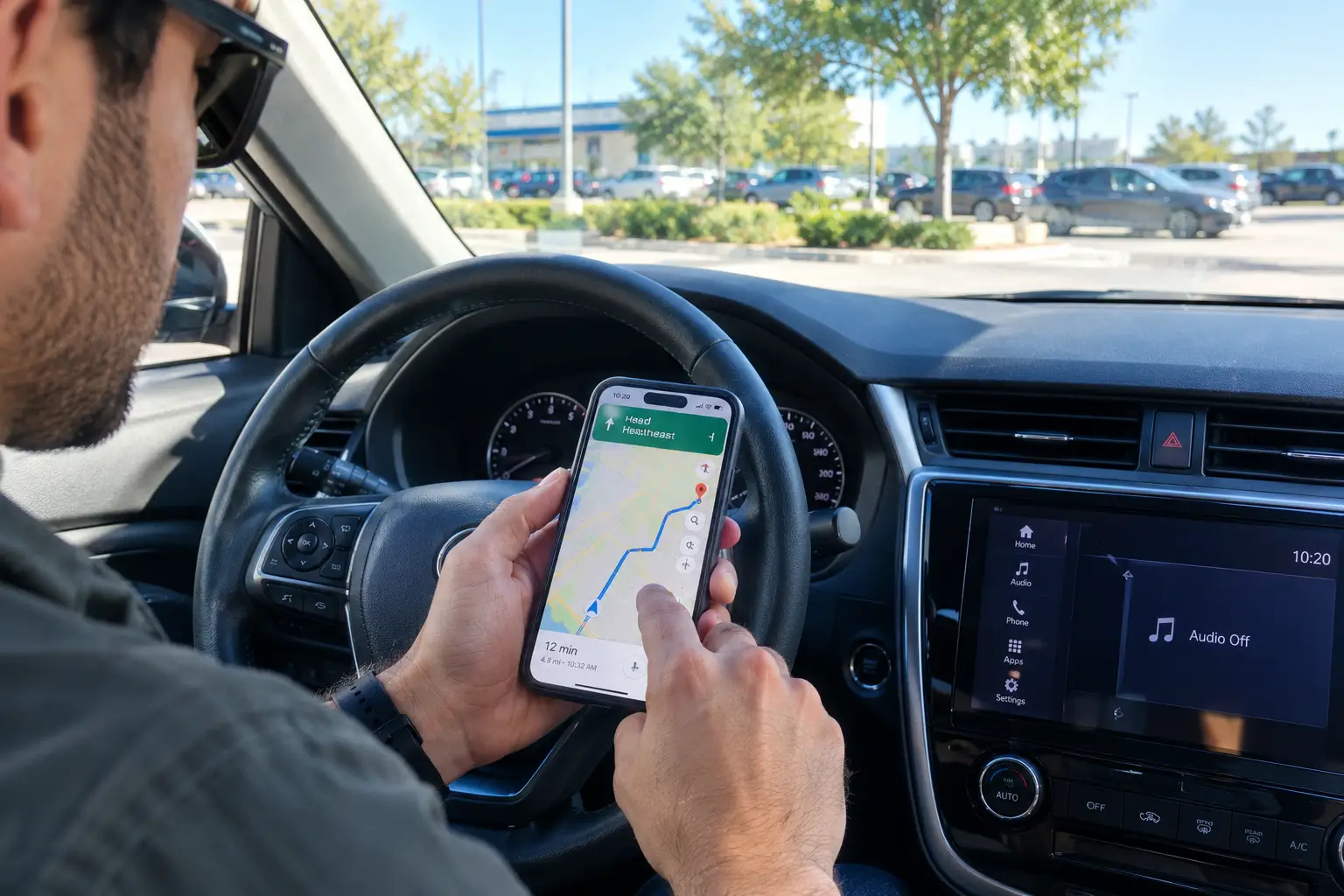
The Hotel Zone (Zona Hotelera) is a strip about 14 miles long shaped like a “7.” It has the heaviest police and private security in the region. The party area sits near Punta Cancun, around kilometer 9. That is where most late-night fights, theft, and drink spiking happen.
Downtown (El Centro) is where locals live and eat. Parque de las Palapas and Avenida Tulum are fine and busy in the evening. Outer neighborhoods have more crime, and tourists have little reason to go there at night.
Quintana Roo has had gang shootings that hurt bystanders, including in tourist areas, and the advisory asks visitors to stay in well-lit tourist zones after dark (U.S. Department of State). Most of those incidents happened near bars after midnight. Plan your nights around that.
Getting From Cancun Airport Safely
The first real risk is the arrivals hall. After customs, you pass rows of people offering “free” transport or “official” info. Most are selling timeshares. Walk straight outside before talking to anyone. Prebooked drivers wait outside the terminal.
Your safe options:
- ADO bus: Runs from the airport to downtown Cancun for about $7 to $9 (current year prices), and to Playa del Carmen for about $13 to $16 (current year pricings).
- Prebooked shuttle or private transfer: About $12 to $80 (current year prices) to the Hotel Zone, depending on group size.
- Airport taxi: Pay only at the official counter inside the terminal.
Ride apps work in parts of Cancun, but airport pickup rules change often and drivers have had disputes with local taxi unions. A prebooked ride is the calmer choice on arrival.
Inside the Hotel Zone
The R-1 and R-2 city buses run the full Hotel Zone strip and downtown for about $1(current year price). They are cheap and well used by visitors in daylight. At night, take a taxi from your hotel’s front desk instead. Ask the price first. Fares are set by zone, not by meter.
The state also runs a Guest Assist service for visitors, with tourist assistance centers in Cancun, Cozumel, and Playa del Carmen (U.S. Department of State). Save it on your phone before you land.
Once you’ve chosen a suitable area to stay, plan your daytime activities around the places you want to visit. Our guide to the best things to do in Cancun can help you organize beaches, local attractions, and excursions before you arrive.
Is It Safe for Americans to Travel to Cancun?
Yes. Americans make up the biggest share of Cancun’s visitors, and there are no U.S. staff limits anywhere in Quintana Roo. The U.S. Consulate General in Mérida covers the region, with a consular agency in Playa del Carmen.
Tulum, Playa del Carmen, Cozumel, and Costa Maya
These towns share Quintana Roo’s Level 2 rating. Is Tulum, Mexico, safe right now? Days are calm. The risk climbs at beach clubs and jungle parties late at night. Cozumel and Costa Maya are cruise ports with controlled terminals. They are low-risk for a day stop if you use port taxis or ship excursions.
If Tulum is part of your itinerary, work out your airport transfer before you land. Check how to get from Cancun to Tulum for distance and transport options, especially if you’re arriving late or connecting directly from Cancun Airport.
The Real Risks Tourists Face (and How to Beat Them)
Cartels rarely target tourists on purpose. The problems that actually hit visitors are smaller and very avoidable.
Spiked Drinks
Criminals sometimes add drugs to drinks in bars, clubs, and even taxis (Government of Canada). Order sealed bottles or cans when you can. Never leave a drink, even for a minute. If a friend suddenly seems far drunker than they should, get them to your hotel right away.
Fake Police and Cash “Fines”
Some officers, or people posing as officers, demand cash on the spot, often in tourist areas. Do not hand over your passport or money. Calmly ask for the officer’s name, badge number, and patrol car number, and ask for a written ticket. Carry a copy of your passport, not the original.
Virtual Kidnapping Calls
This phone scam is common and rarely covered. A caller claims to be holding a family member, or tells you to hide in your hotel room and stay off your phone. Meanwhile, the scammer calls your family demanding a ransom. Never share your hotel or room number with unknown callers. Agree on a family code word before your trip.
ATM Theft and “Express” Kidnapping
Use ATMs inside banks or malls during the day. Cover the keypad, and avoid taking out large sums at airports (Government of Canada). Never hail a taxi off the street in big cities. Robberies where victims are driven between ATMs often start that way. In Mexico City, use an app or a pink-and-white official taxi booked from a stand.
Weather should also factor into your plans, particularly if you’re visiting during hurricane season. Read our guide to the best time to visit Cancun to compare seasonal conditions and decide when to schedule your beach activities.
Is Mexico City Safe for Tourists?
Yes, in the central neighborhoods. Roma, Condesa, Polanco, the Centro Histórico, and Coyoacán are where most visitors stay, and they are busy into the evening. Mexico City is Level 2 with no staff limits, but the advisory asks for extra caution at night and outside popular areas (U.S. Department of State).
Our tips: ride the Metro in daytime and skip it at rush hour, when pickpockets are busiest. Keep your phone in a front pocket on crowded streets. If you rent a car, check the “Hoy No Circula” rule, which bans cars from driving one weekday based on the plate number.
Health and Weather: The Risks Nobody Puts First
Hurricane season: Pacific coast from mid-May to the end of November, and the Caribbean side from early June to the end of November (Government of Canada). The peak is late August through October. Book refundable rooms in those months and follow the National Hurricane Center if you travel then.
Health: The CDC advises most travelers to Mexico to be up to date on hepatitis A and typhoid vaccines (CDC). Dengue fever is common in hot, wet months, so use mosquito repellent at dusk. Drink bottled or purified water, and skip ice from street stands.
Medical care: Private hospitals in Cancun, Mexico City, Guadalajara, and Los Cabos are good, but they want payment up front. U.S. Medicare does not cover care abroad. Get travel medical coverage that includes evacuation.
Travel to Mexico From the US: Entry and Driving Rules
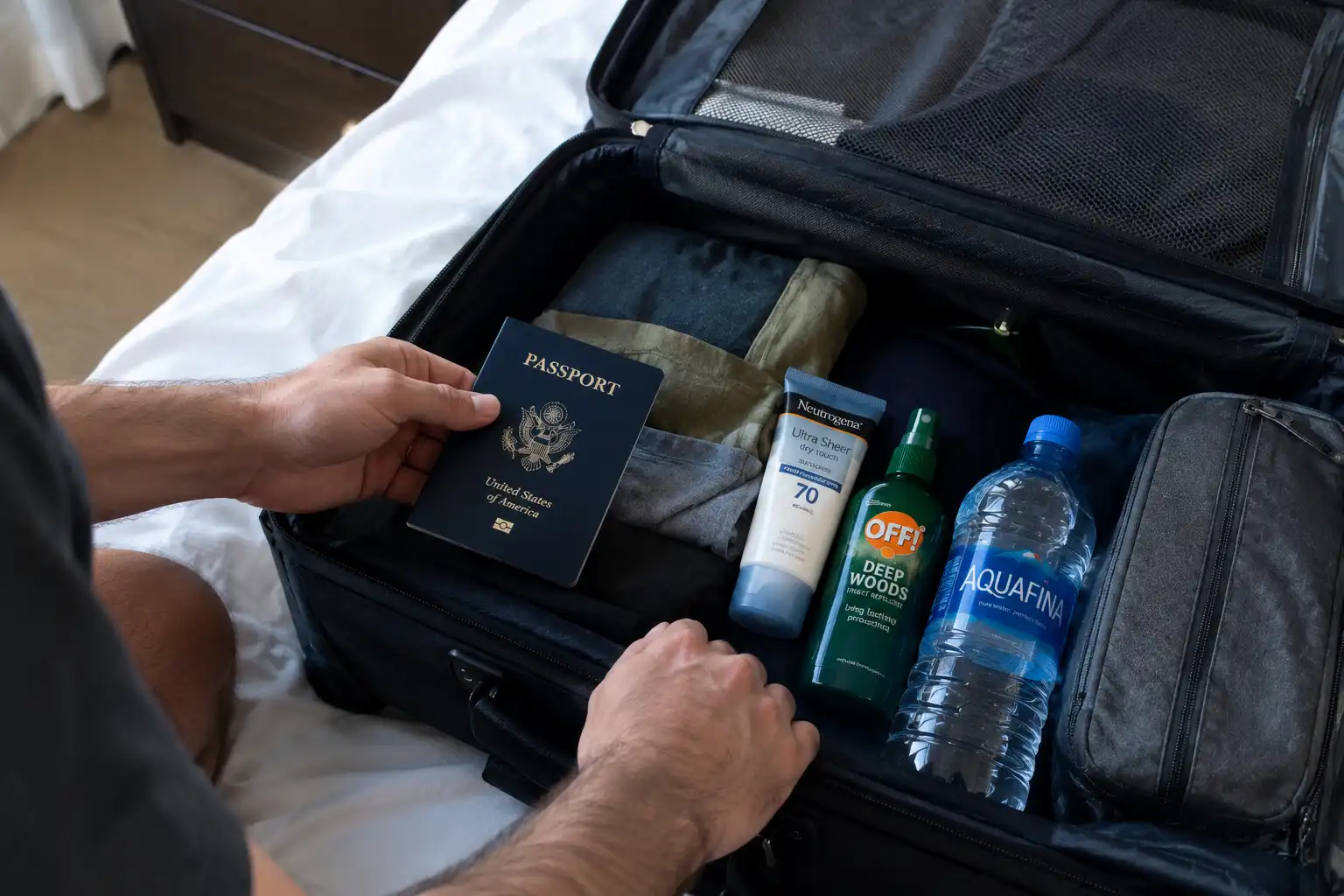
What do you need to go to Mexico? U.S. citizens flying in need a valid passport book. A passport card works only by land or sea. At the airport, an immigration officer decides how many days you get, up to 180 (National Migration Institute). Check the number on your entry record. Overstays mean fines when you leave.
Driving rules catch many Americans off guard:
- Mexican auto liability insurance is required. Most U.S. car policies do not cover you in Mexico.
- Use toll highways (cuotas) instead of free roads (libres). They are faster and better patrolled.
- Dial 911 for any emergency. For roadside help on federal highways, the Green Angels (Ángeles Verdes) answer at 078.
Your 5-Minute Safety Check Before You Book
- Open the U.S. State Department advisory for Mexico and find your exact state.
- Read the “limits for U.S. government employees” line, not just the level number.
- Compare your exact town against Canada’s regional list.
- Check the National Hurricane Center if you travel between June and November.
- Enroll in the State Department’s Smart Traveler Enrollment Program (STEP) so you get alerts by email.
Planning the rest of your trip? Start with our Mexico travel guide for regions and timing, then see our Cancun vs. Tulum comparison or Mexico packing list.
What to Do Next
Book your flight into the city you will actually stay in, not a cheaper airport that forces a long drive. Prebook your airport transfer before you leave home. Then enroll in STEP and save Guest Assist, 911, and your hotel’s number on your phone. That covers most of what makes a Mexico trip go smoothly in 2026.
People Also Ask
Is Mexico currently on high alert for travel?
No. Mexico is at Level 2, “exercise increased caution,” not a nationwide high alert. Six states, including Guerrero, Sinaloa, and Tamaulipas, are Level 4 “do not travel.” Short local alerts do happen, such as the February 2026 shelter-in-place in Puerto Vallarta, so check the State Department page and enroll in STEP before you go.
How safe is it in Cancun right now?
Cancun is reasonably safe for tourists right now. Quintana Roo is Level 2, with no limits on U.S. government staff. Most problems are theft, scams, and nightlife incidents near Punta Cancun after midnight. Stay in well-lit tourist zones at night, use official taxis, and never leave a drink unattended.
Where is the safest place to go in Mexico right now?
Yucatán and Campeche are the safest states, as the only ones rated Level 1 by the U.S. State Department. Mérida, Valladolid, and Campeche City are calm, walkable, and full of history. For beaches, the Cancun Hotel Zone and Los Cabos are Level 2 areas with strong tourist police presence and no staff limits.
Where to avoid in Mexico due to cartel?
Avoid the six Level 4 states: Colima, Guerrero, Michoacán, Sinaloa, Tamaulipas, and Zacatecas. Cartel violence there includes armed roadblocks and kidnappings. Also skip southern Jalisco, the Copper Canyon, and Sonora border towns like Nogales. Never drive between cities at night anywhere in Mexico, even in safer states.
Are Mexico resorts safe right now?
Yes, large resorts in Cancun, Los Cabos, Riviera Maya, and Puerto Vallarta are among the safest places to stay in Mexico. They have gated entry, private security, and staff trained for guests. Risks rise when you leave at night, drink heavily off-site, or get into unmarked taxis outside the property.
Is it safe for Americans to travel to Cancun?
Yes. Americans are Cancun’s largest group of visitors, and the U.S. advisory places no staff limits on Quintana Roo. The U.S. Consulate General in Mérida covers the region. Enroll in STEP, carry a passport copy instead of the original, and prebook your airport transfer to avoid the arrivals hall timeshare sellers.
What do you need to go to Mexico from the US?
You need a valid U.S. passport book to fly to Mexico. A passport card works only for land and sea crossings. No visa is needed for tourist stays. An immigration officer sets your allowed days, up to 180. If you drive, you must also buy Mexican auto liability insurance.
Should I cancel my Mexico trip because of a hurricane?
Not always. Hurricanes affect the coast directly hit, usually for a few days. If a storm is forecast for your dates and area, contact your airline and hotel, since many waive change fees. Inland cities and the opposite coast are often unaffected. Track storms with the National Hurricane Center.