17 Best Safest Cities in Mexico for First-Time Travelers – Ranked 2026

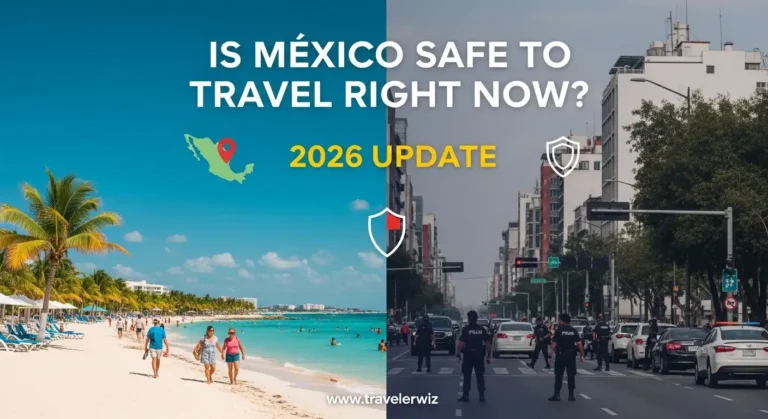
Is Mexico safe for first-time visitors? After years of moving through border towns, resort corridors, colonial cities, and quieter inland capitals, the honest answer is yes… if you choose the right cities. Safety in Mexico has always been local, shaped by neighborhoods, policing, and tourism infrastructure rather than headlines about the country as a whole.
This guide to the Safest Cities in Mexico for First-Time Travelers comes from repeat stays, local conversations, and watching how cities function day to day.
In Mérida, I’ve walked home late after dinner without a second thought. In San Miguel de Allende, expats and locals share the same plazas well into the evening. Those experiences matter more than generic warnings.
The Safest Cities in Mexico for First-Time Travelers in 2026 are ranked using crime data, low crime tourist zones, and U.S. State Department safety levels. You’ll also see how police presence, walkability, transport safety, and healthcare access shape real travel experiences. First-timers should expect Mexico to feel varied, welcoming, and far more nuanced than most travel warnings suggest.
HOW THESE SAFEST CITIES WERE RANKED?
I’ve ranked these cities by separating everyday crime statistics from tourist-facing reality. Some cities struggle with issues far outside areas visitors ever see. Others invest heavily in visible policing, lighting, and transport safety around historic centers and resort zones.
U.S. State Department data plays a role, especially Level 1 and Level 2 travel advisories. Campeche and Yucatán consistently appear among the safest states in Mexico, and that aligns with what I’ve experienced on the ground. In Mérida and Valladolid, local police patrol on foot, not just in vehicles, which changes the feel of the streets.
Walkability matters more than most guides admit. Cities where you can move safely on foot reduce reliance on late-night transport. Healthcare access also weighed heavily. Querétaro and Guadalajara have private hospitals I’ve personally used, which adds peace of mind for first-time visitors.
I also considered different traveler profiles. Solo female travelers, families with children, older couples, and digital nomads all face different risks. A calm beach town like La Paz works well for slow travel, while structured resort areas in Riviera Nayarit suit families. This balance shapes the final Mexico safest cities list you see below.
SAFEST CITIES IN MEXICO FOR FIRST-TIME TRAVELERS (2026)
This Mexico Travel Guide highlights the Safest Cities in Mexico for First-Time Travelers based on safety level, travel style, and real-world experience.
• Mérida, Yucatán | Level 1 | Best for families, culture, long stays
• San Miguel de Allende, Guanajuato | Level 2 | Best for couples, expats, slow travel
• Campeche, Campeche | Level 1 | Best for history lovers and calm city breaks
• Isla Mujeres, Quintana Roo | Level 2 | Best for solo travelers and island stays
• Puerto Vallarta, Jalisco | Level 2 | Best for beach travel and nightlife
• Querétaro City, Querétaro | Level 2 | Best for families and urban comfort
• La Paz, Baja California Sur | Level 2 | Best for relaxed beach travel
• Oaxaca City, Oaxaca | Level 2 | Best for culture and festivals
• Playa del Carmen (tourist zones) | Level 2 | Best for short stays and beach access
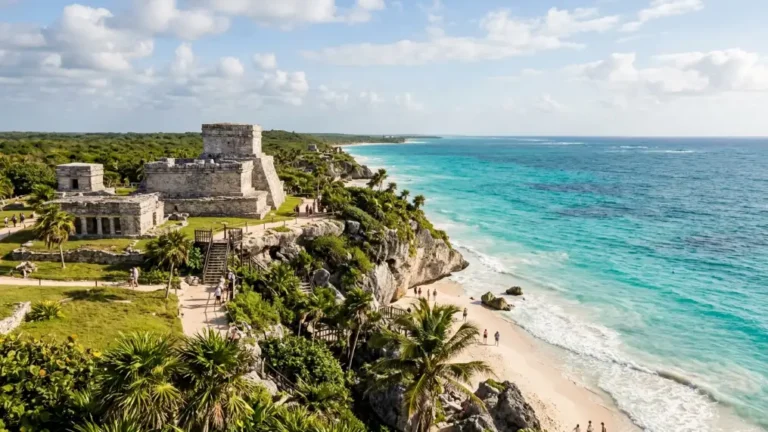
• Tulum (hotel zones) | Level 2 | Best for resort-focused trips
These cities represent the safest places to visit in Mexico for tourists who want structure, visible security, and predictable travel conditions. Next, I’ll break down exactly why each city earned its place, starting with the safest city in Mexico overall.
THE 17 SAFEST CITIES IN MEXICO FOR FIRST-TIME TRAVELERS (RANKED)
This ranking reflects how cities actually feel on the ground, not how they look on a warning map. After years of moving between Mexico’s safest cities, I’ve learned that consistency matters more than reputation. Places with stable local governance, visible police presence, and well-defined tourist zones tend to deliver the calmest experiences.
The Safest Cities in Mexico for First-Time Travelers listed below balance low violent crime rates with practical realities like walkability, reliable transport, and access to quality healthcare. Some are beach destinations, others are colonial cities or modern urban centers. What they share is predictability, which is exactly what first-time visitors need.
1. Mérida, Yucatán – Safest City in Mexico Overall
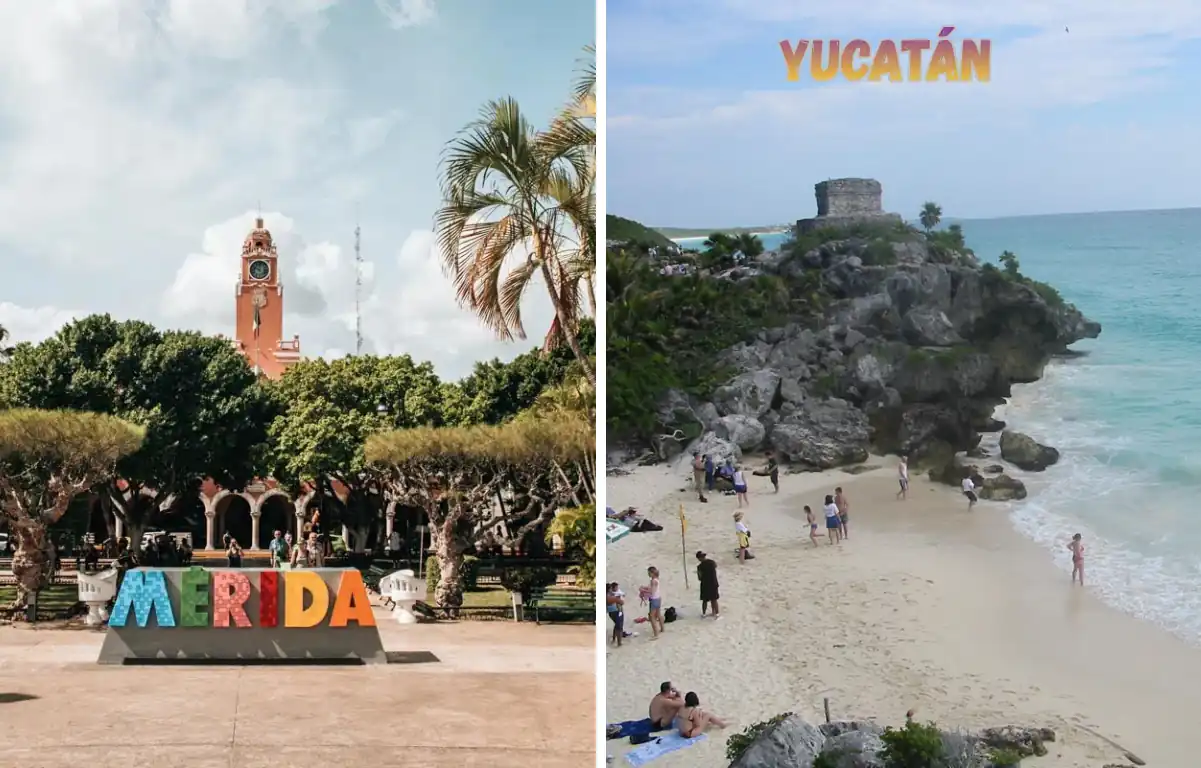
Mérida consistently earns its reputation as the safest city in Mexico, and that matches everything I’ve experienced there. Walking through neighborhoods like Santa Lucía and Paseo de Montejo late in the evening feels calm and routine, not tense. Locals greet you, families linger in parks, and police patrol on foot.
Crime here skews toward petty issues rather than violence, which is rare in daily life. Yucatán also benefits from strong state-level security policies and a culture that values order and community presence. That combination shows up in well-lit streets and clean public spaces.
For families, Mérida stands out as the safest place in Mexico to vacation with family. Private hospitals like Star Médica and reliable ride-hailing services add another layer of comfort. I’ve met many American and Canadian retirees who chose Mérida after testing several Mexican cities first.
Walkability is a major advantage. Historic districts connect easily, and taxis are regulated and easy to use. If you’re asking where to travel safely in Mexico as a first-time visitor, Mérida is the most reliable answer year after year.
2. San Miguel de Allende, Guanajuato – Safest Colonial City
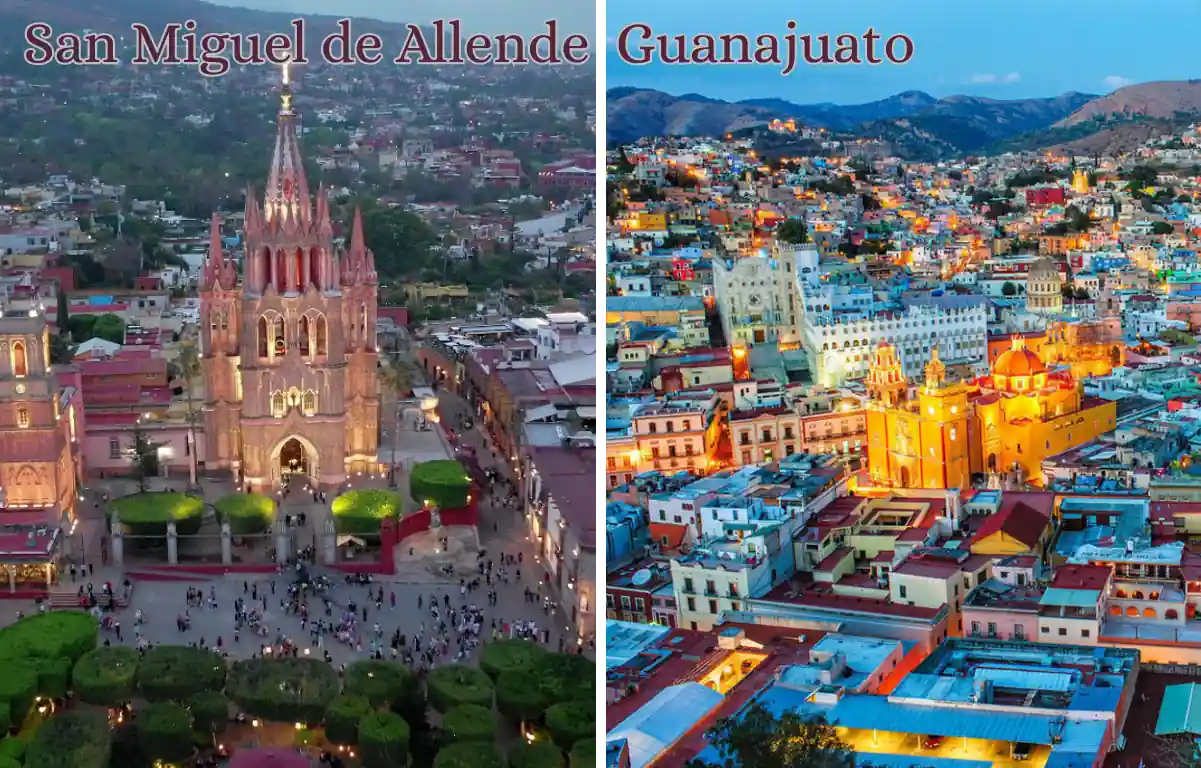
San Miguel de Allende feels protected in a quiet, almost self-contained way. The historic center is compact, pedestrian-friendly, and heavily monitored, especially around El Jardín and the Parroquia. I’ve spent weeks here moving mostly on foot without once feeling uneasy.
Expat communities play a role in safety here. Their presence supports consistent policing, better healthcare access, and clear emergency services. While Guanajuato state has mixed safety zones, San Miguel operates differently from surrounding areas.
This city works especially well for older travelers and couples who want a slower pace. Restaurants, galleries, and small hotels cluster tightly, reducing the need for late-night transport. That alone lowers risk for first-time visitors.
San Miguel de Allende earns its place among the safest places in Mexico for tourists by offering predictability. You know where the safe areas are, how to move between them, and what to expect day to day. That clarity matters when you’re new to Mexico.
3. Campeche, Campeche – U.S. State Department Level 1
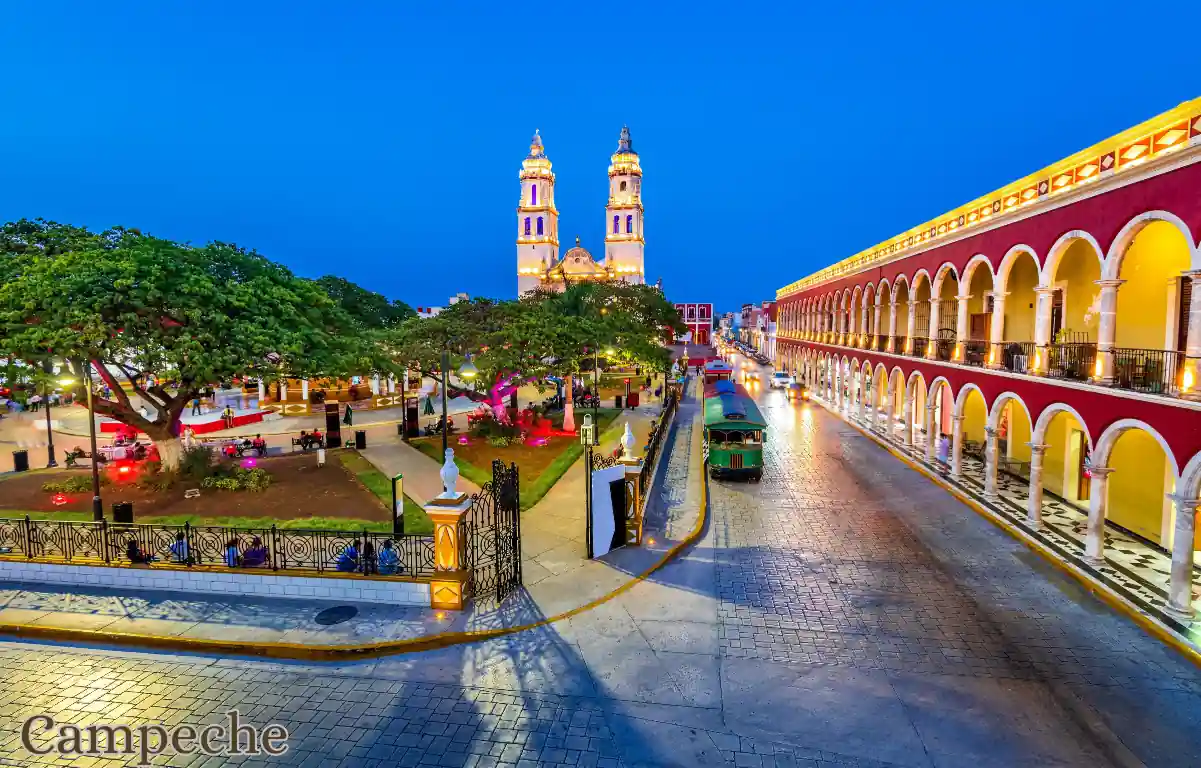
Campeche surprised me the first time I stayed overnight instead of passing through. Once the cruise crowds leave, the walled historic center becomes quiet, well lit, and closely monitored. Evening walks along Calle 59 felt routine, even late.
This city benefits from Campeche’s Level 1 safety status, which is rare in Mexico. Violent crime rates remain low, and tourist crime is even lower due to the compact layout and limited nightlife. Police presence is visible but not intrusive.
Campeche works best for culture-focused first-timers who value calm evenings over party scenes. Hotels sit close to major sights, reducing transport needs. If you want one of the safest places to visit in Mexico without resort crowds, Campeche delivers.
4. Isla Mujeres, Quintana Roo – Safest Island Destination
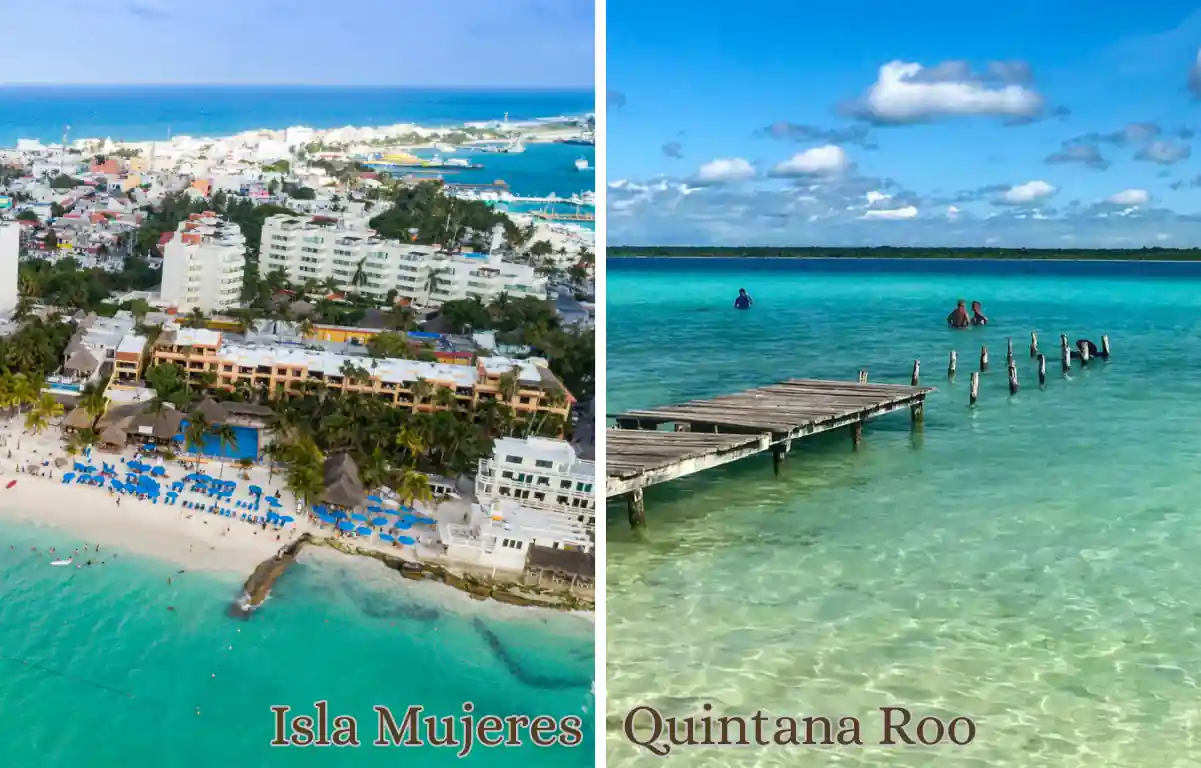
Isla Mujeres feels different from mainland Quintana Roo the moment you step off the ferry. Crime patterns here lean toward minor issues, not violent incidents, and the island’s small size limits risk. After several stays, I’ve found it consistently relaxed.
The ferry route from Cancún is well regulated, and arrivals funnel directly into walkable zones. I’ve watched solo female travelers move comfortably between Playa Norte and downtown well after sunset without concern.
This is one of the safest Mexican cities for travelers who prefer simple logistics. Limited road access, strong community ties, and tourism-focused policing make Isla Mujeres ideal for first-time visitors seeking a safe island experience.
5. Puerto Vallarta, Jalisco – Safest Pacific Coast City
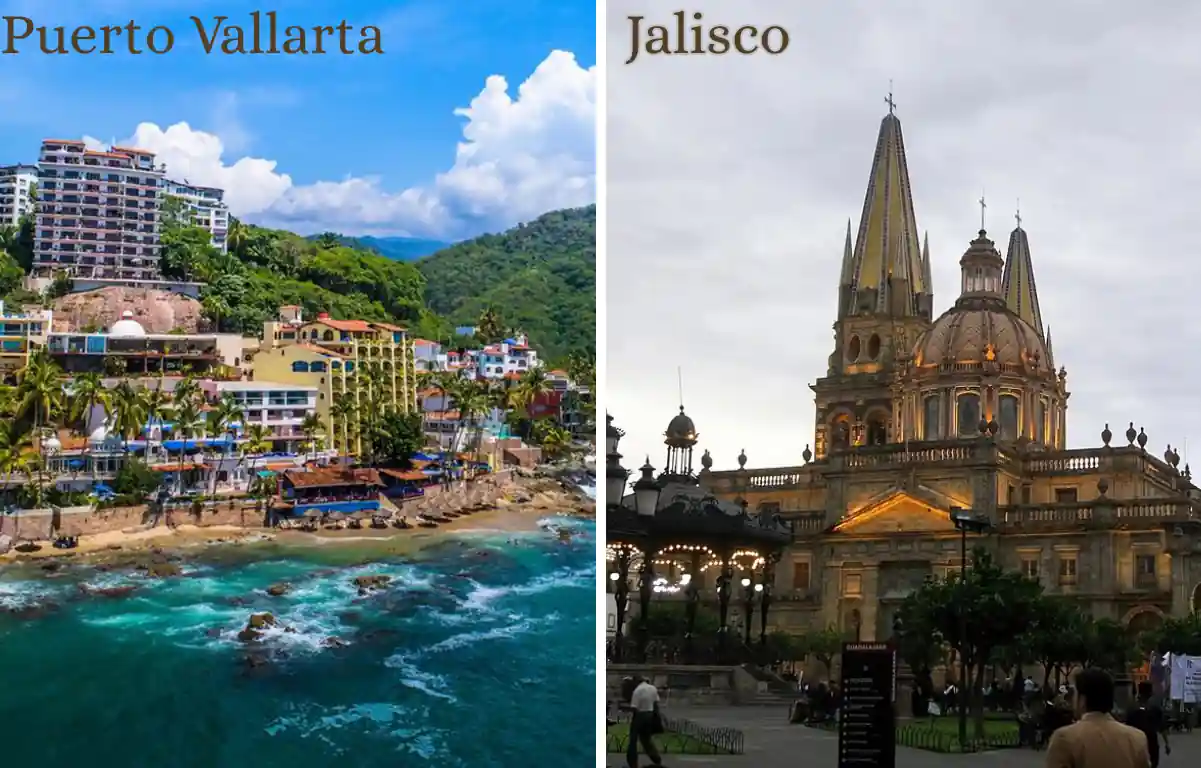
Puerto Vallarta balances big-city energy with strong tourist protection. Areas like the Malecón and Zona Romántica are heavily patrolled, especially at night. I’ve spent long evenings photographing street life here without feeling rushed or unsafe.
While Jalisco has regions that appear on places to avoid in Mexico lists, Puerto Vallarta operates under a different security approach. Tourist police focus on prevention, visibility, and quick response within hotel and dining zones.
The city also stands out for inclusivity. LGBTQ+ travelers feel welcome, which often correlates with safer public spaces overall. As safe Mexico travel destinations go, Puerto Vallarta offers beach access, nightlife, and structure without overwhelming first-time travelers.
6. Querétaro City, Querétaro – Safest Central Mexico City

Querétaro feels organized in a way first-time travelers immediately notice. Streets around the historic center, especially near Plaza de Armas, stay busy and well monitored throughout the day. I’ve used public spaces here comfortably, even during quieter evening hours.
This is a business-driven city, and that shapes its safety profile. Reliable infrastructure, regulated transport, and private hospitals create stability that many travelers underestimate. Ride-hailing apps work smoothly, and police presence is consistent rather than reactive.
For families and longer stays, Querétaro stands out among safe places to travel in Mexico. Schools, calm residential districts, and easy highway access make it appealing for visitors who want structure without resort isolation.
7. La Paz, Baja California Sur – Safest Beach City for Relaxed Travel
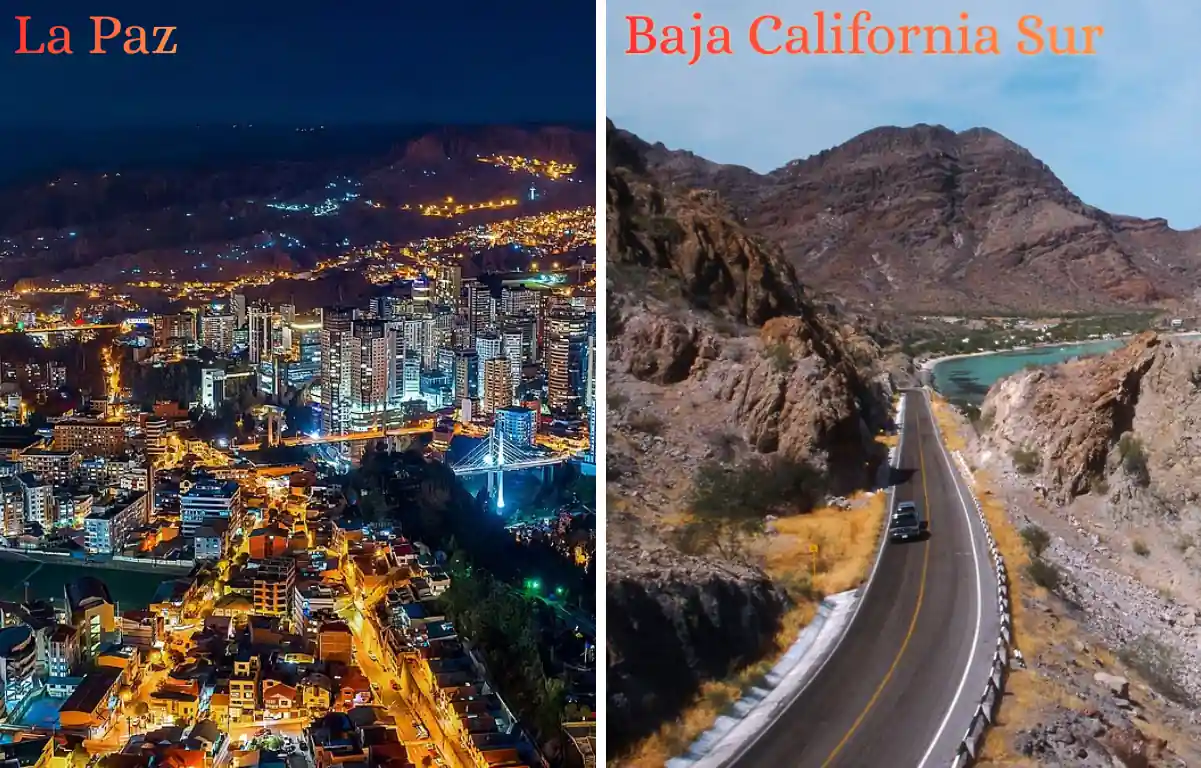
La Paz moves at a slower pace than most Mexican beach cities, and that calm translates directly into safety. The Malecón stays active with families, joggers, and vendors well into the evening. I’ve walked it countless times without concern.
Tourist crime here remains low, partly because nightlife is limited and spread out. Baja California Sur maintains stronger local security policies than neighboring states, which shows in everyday interactions.
If you’re searching for safe beach destinations in Mexico that feel authentic, La Paz delivers. Marine tours are regulated, taxis are straightforward, and most attractions sit close to central hotels.
8. Oaxaca City, Oaxaca – Safe Cultural Destination
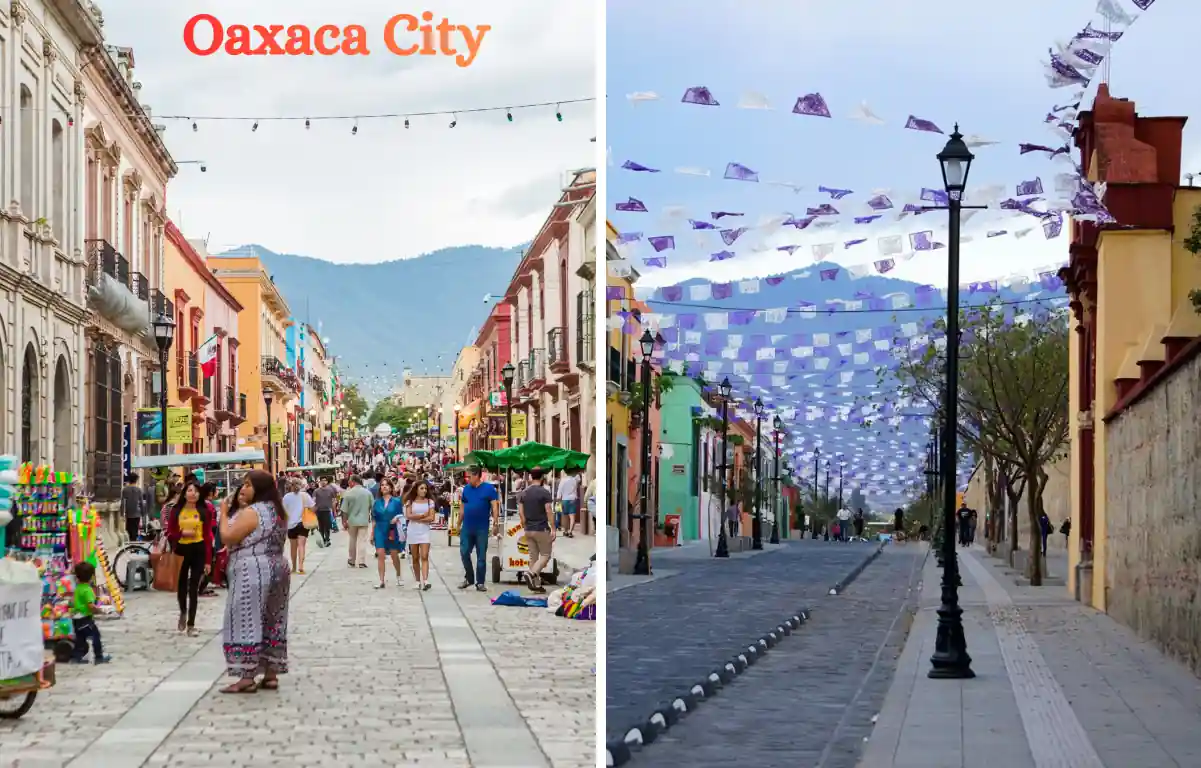
Oaxaca City rewards travelers who stay within well-known neighborhoods like Centro Histórico and Jalatlaco. During festivals, crowds swell, yet security scales up accordingly. I’ve photographed events here without the tension common in larger cities.
Cultural pride plays a role in safety. Locals actively look out for visitors, especially around markets and museums. While Oaxaca state has rural areas that require caution, the city itself remains one of the safest Mexican cities for travelers.
For solo travelers, timing matters. Daytime exploration and early evenings work best, and transport is easy to arrange through hotels. Oaxaca City offers depth, history, and predictability for first-time visitors seeking culture over resorts.
9. Playa del Carmen (Tourist Zones Only)
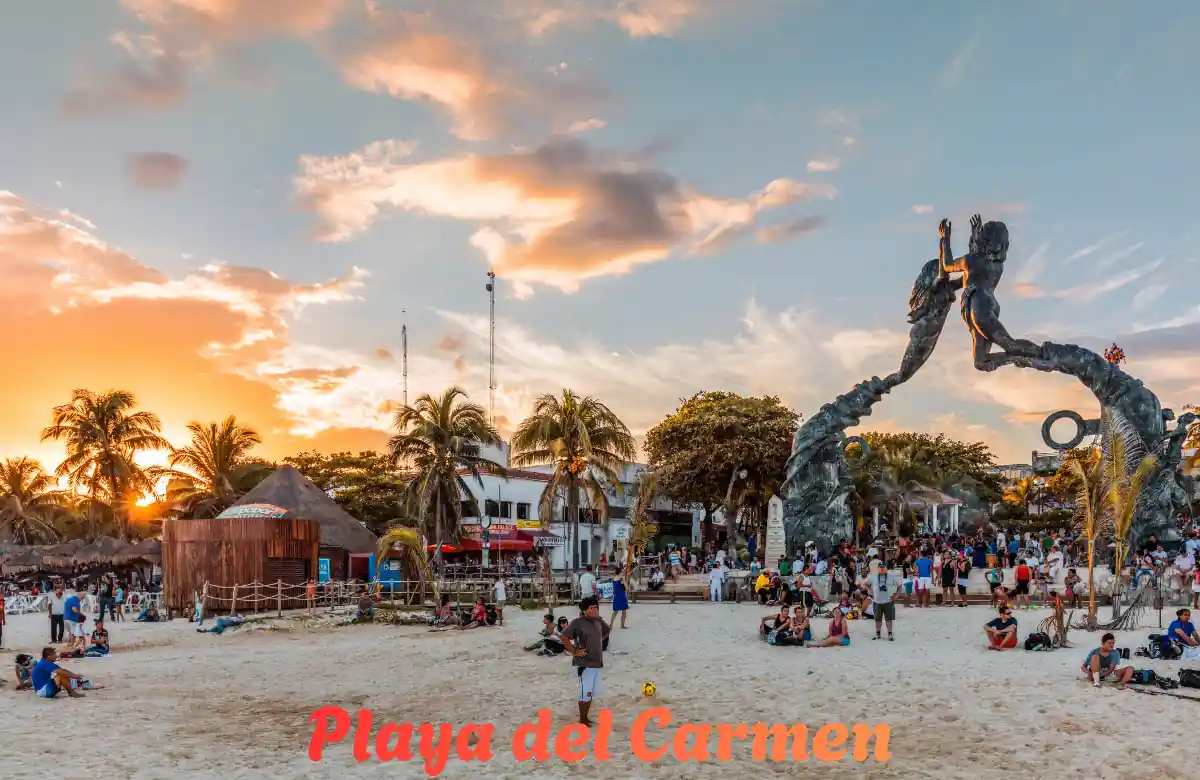
Playa del Carmen works well for first-time visitors who stay disciplined about location. Areas around Quinta Avenida, Playacar, and major beach clubs are well lit and regularly patrolled. I’ve stayed here multiple times and felt a clear difference between tourist zones and outer neighborhoods.
Most safety issues occur outside the central corridor, often late at night. That’s why hotels near the beach and main avenues matter. Using ride-hailing apps after dark instead of walking long distances reduces risk significantly.
As one of the safest places in Mexico for tourists when navigated correctly, Playa del Carmen suits short stays, beach-focused trips, and travelers who want easy access to tours without venturing far inland.
10. Tulum (Resort and Hotel Zones)

Tulum’s safety depends almost entirely on where you stay and how you move. The hotel zone along the beach operates like a controlled corridor, with private security, checkpoints, and limited access roads. My stays there felt insulated from wider regional issues.
The town area has grown quickly, and infrastructure hasn’t always kept pace. First-time travelers often underestimate distances and end up moving around late at night without planning transport. That’s where problems usually arise.
Tulum remains a safe Caribbean destination when travelers stick to resorts, plan transport in advance, and avoid unnecessary nighttime travel. For wellness retreats and short luxury stays, it still fits within the safest parts of Mexico for travel.
11. Guadalajara (Select Neighborhoods)
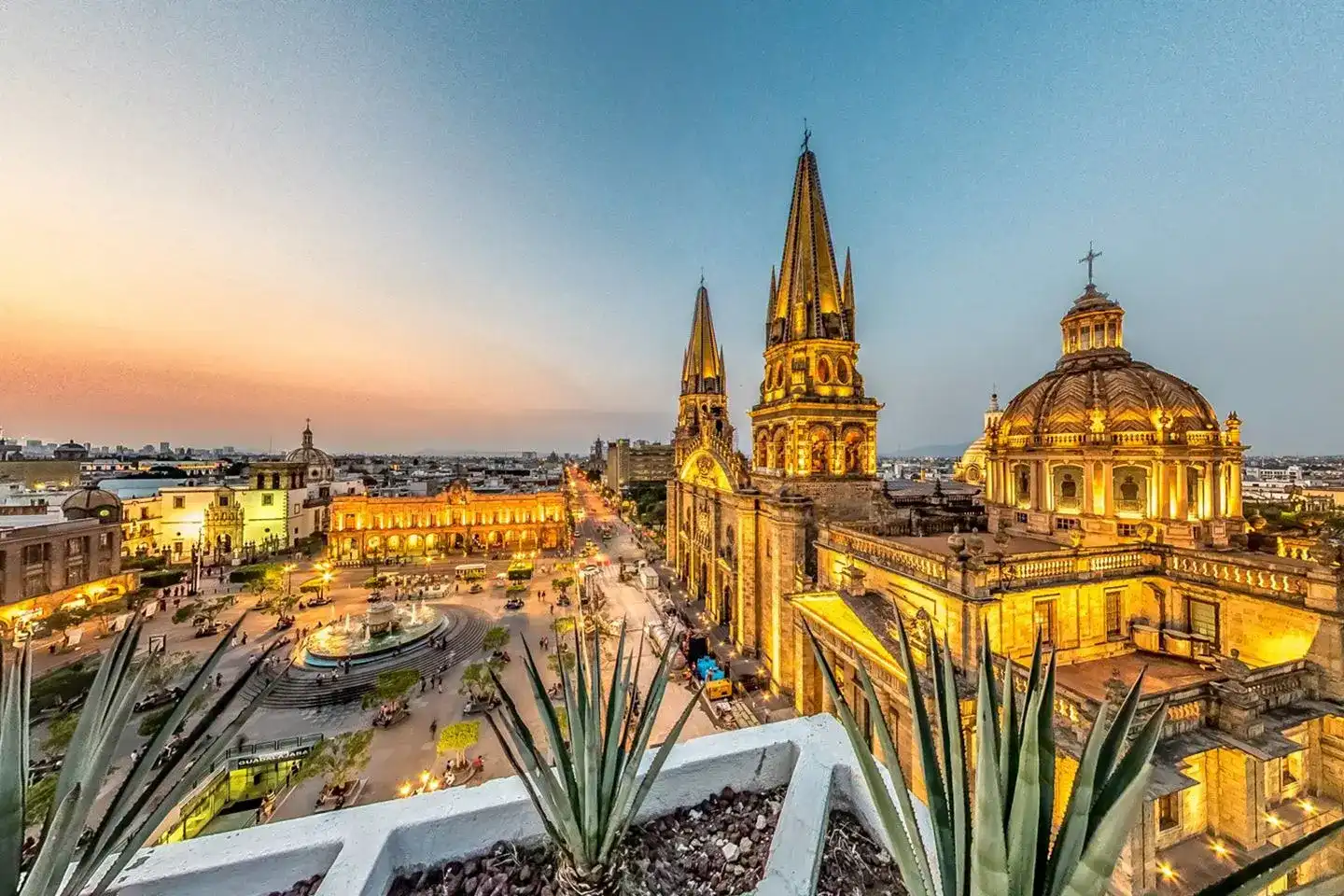
Guadalajara surprises many first-time visitors because it feels like a functioning global city. Neighborhoods such as Providencia, Chapalita, and parts of Zapopan offer polished streets, visible security, and reliable services. I’ve based myself in these areas without hesitation.
This is not a city to explore randomly. Like many large metros, safety varies block by block. Knowing where to stay and how to move makes all the difference. Ride-hailing apps and daytime exploration are key.
For digital nomads and urban travelers, Guadalajara stands out as a safe large city option. When approached with basic city awareness, it earns its place on any list of the top safe vacation spots in Mexico.
12. Cozumel, Quintana Roo
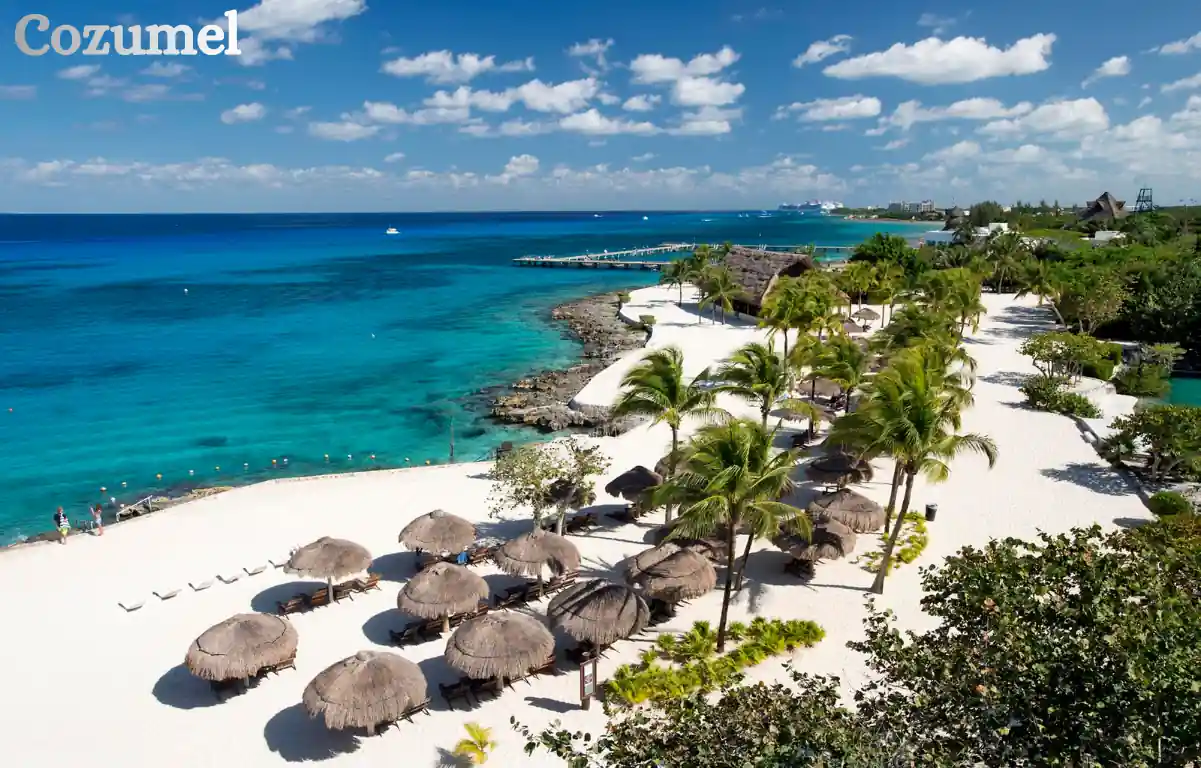
Cozumel operates on a rhythm shaped by cruise schedules, and that structure adds a layer of safety. Security is concentrated around San Miguel, the waterfront, and main hotel areas. During my stays, police patrols were visible without feeling heavy-handed.
Island geography limits through traffic, which naturally reduces crime. Most visitors stick to dive shops, beaches, and restaurants clustered near the center. That predictability works well for families and first-time travelers.
Cozumel remains one of the safest places in Mexico for tourists who want calm beach time, reliable transport, and minimal logistical stress. It’s especially appealing if you prefer organized excursions over independent exploring.
13. Riviera Nayarit (Nuevo Vallarta, Punta Mita)
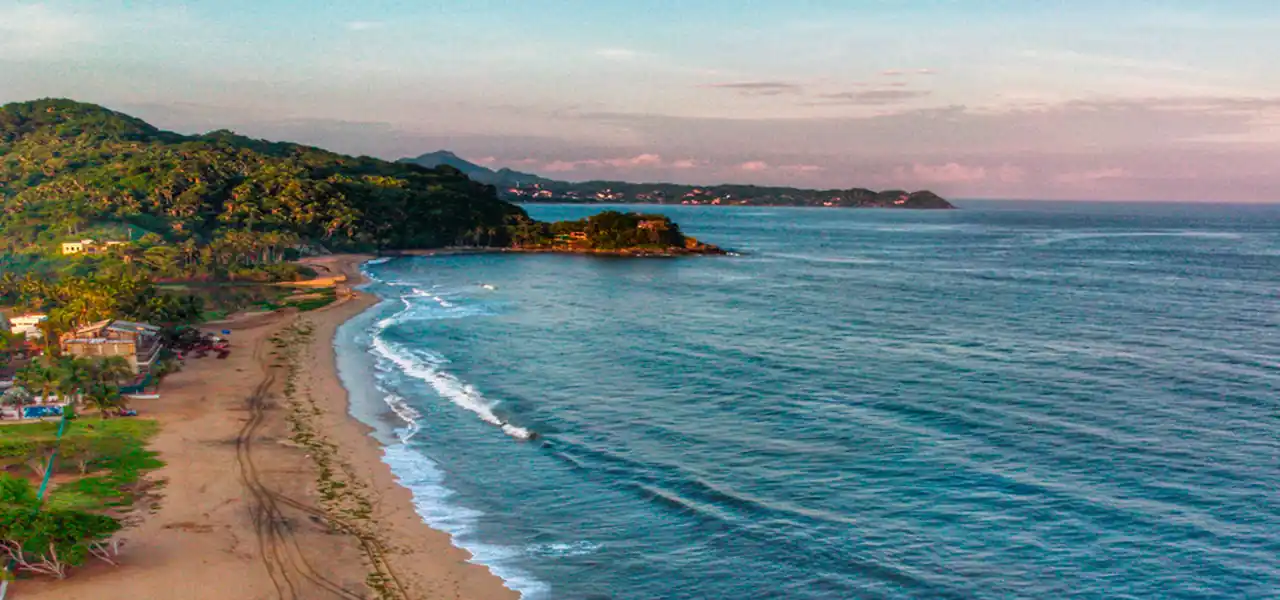
Riviera Nayarit feels deliberately planned, especially in Nuevo Vallarta and Punta Mita. Gated resorts, controlled access roads, and private security create an environment designed for low risk. I’ve visited repeatedly and noticed how smoothly everything runs.
This region works well for families who want a beach vacation without navigating busy city streets. Resorts coordinate transport, tours, and medical services, reducing exposure to common travel risks.
As a safe coastal destination, Riviera Nayarit ranks high for travelers asking about the safest place in Mexico to vacation with family. It trades spontaneity for structure, which many first-time visitors appreciate.
14. Valladolid, Yucatán
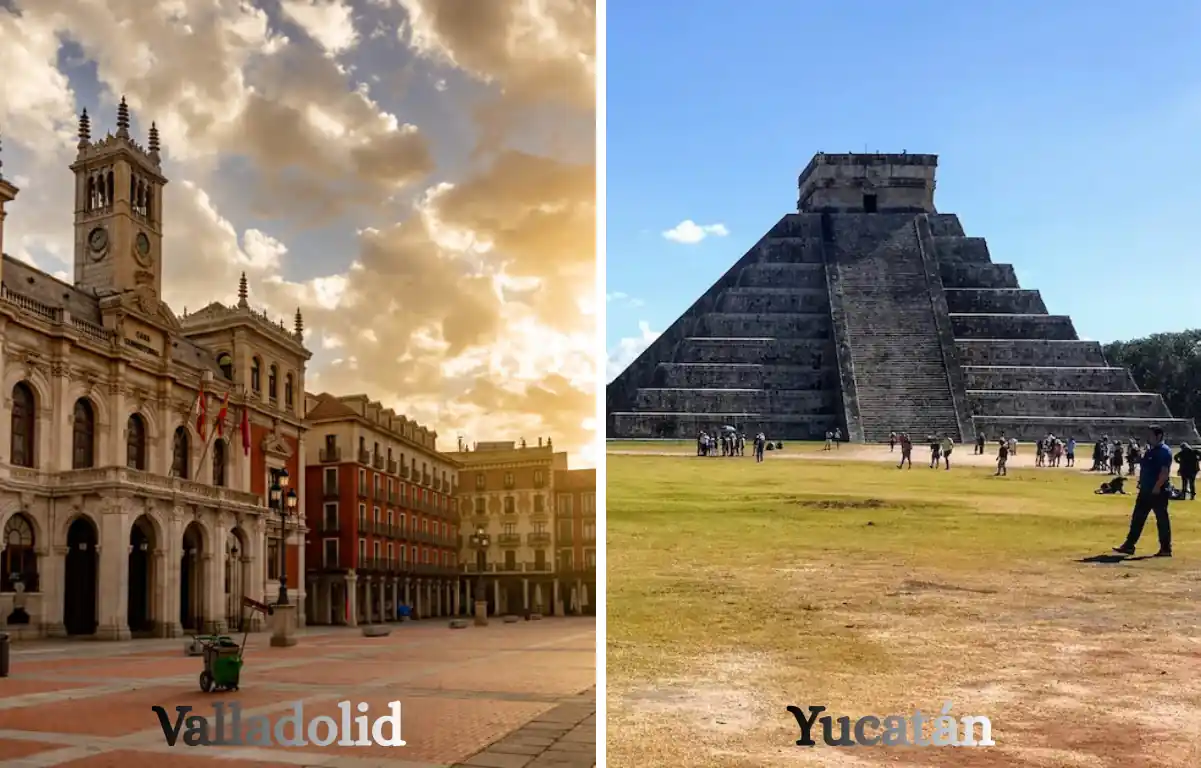
Valladolid feels like a small town that knows its visitors. Streets around the main square stay active into the evening, and police presence is subtle but consistent. I’ve walked here after dinner without adjusting my pace or route.
Its location between Mérida and the Riviera Maya makes it an easy, low-stress stop. Buses are reliable, cenotes are well managed, and hotels sit close to attractions. That reduces transport risks.
For travelers seeking the safest parts of Mexico for travel without resort crowds, Valladolid offers simplicity, strong community ties, and a calm pace that suits first-time visitors well.
15. Aguascalientes City
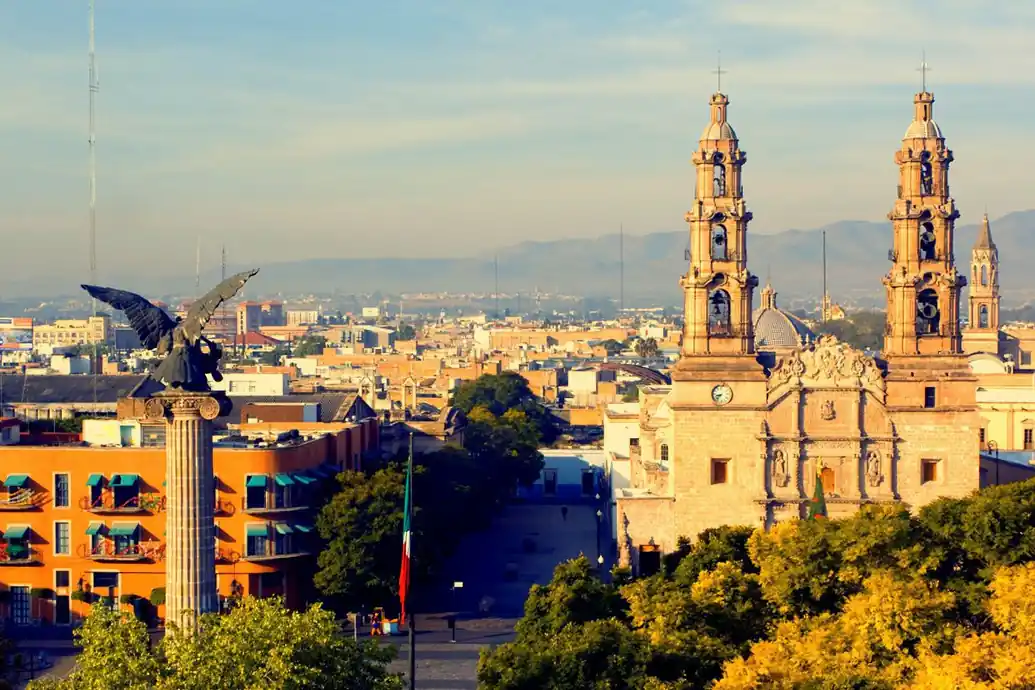
Aguascalientes rarely appears on typical tourist routes, which actually works in its favor. The city maintains low crime rates and a strong local policing model focused on prevention. During my stays, daily life felt orderly and predictable.
The historic center stays active through the evening, with families, students, and local diners sharing the same spaces. Transport is straightforward, taxis are regulated, and distances between hotels and attractions remain short.
For short urban stays, Aguascalientes ranks among the safest Mexican cities for travelers who want a real city feel without the complexity of larger metros. It’s especially comfortable for cautious first-time visitors.
16. Huatulco, Oaxaca
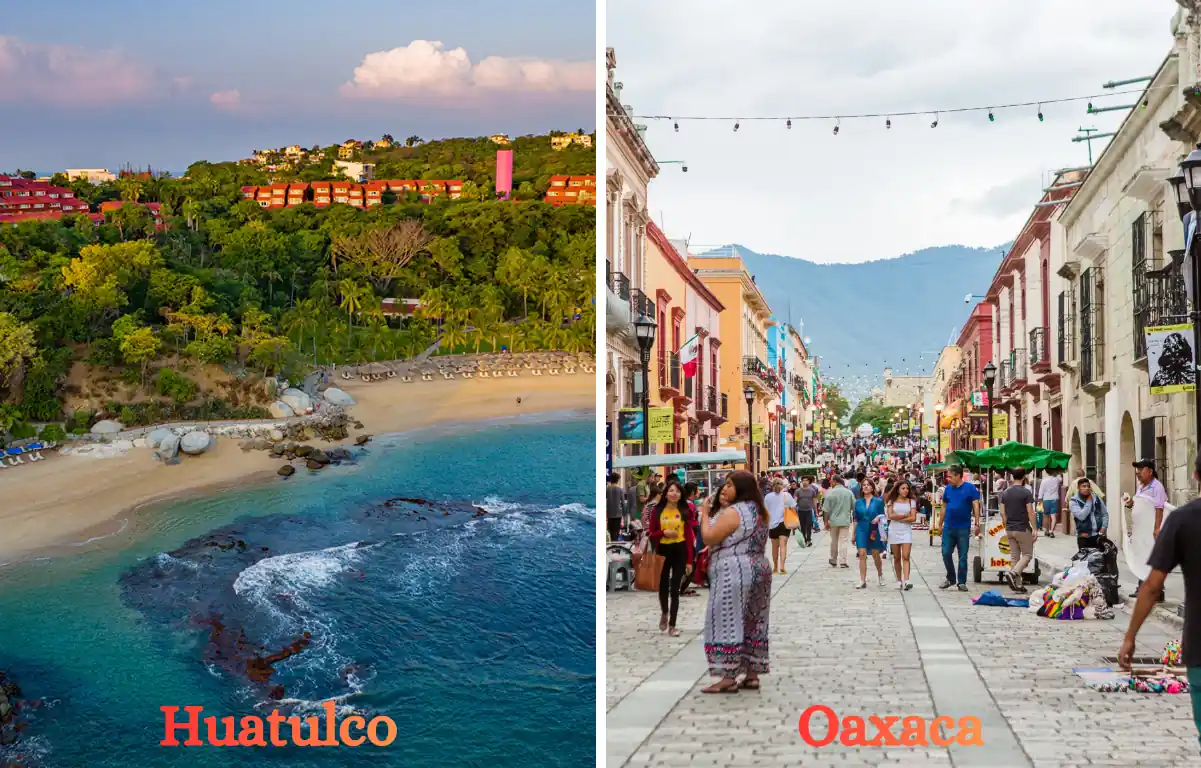
Huatulco was designed with safety in mind. The resort zones, bays, and town areas follow a planned layout that limits sprawl and uncontrolled access. I noticed this immediately when moving between beaches and hotels.
Eco-tourism dominates here, which attracts a quieter crowd. Beaches are monitored, tours are licensed, and nightlife remains low-key. That combination keeps incidents rare and easily managed.
For travelers asking where to travel safely in Mexico as a first-time visitor, Huatulco offers calm beaches, simple transport, and an environment that feels intentionally controlled without being restrictive.
17. Saltillo, Coahuila
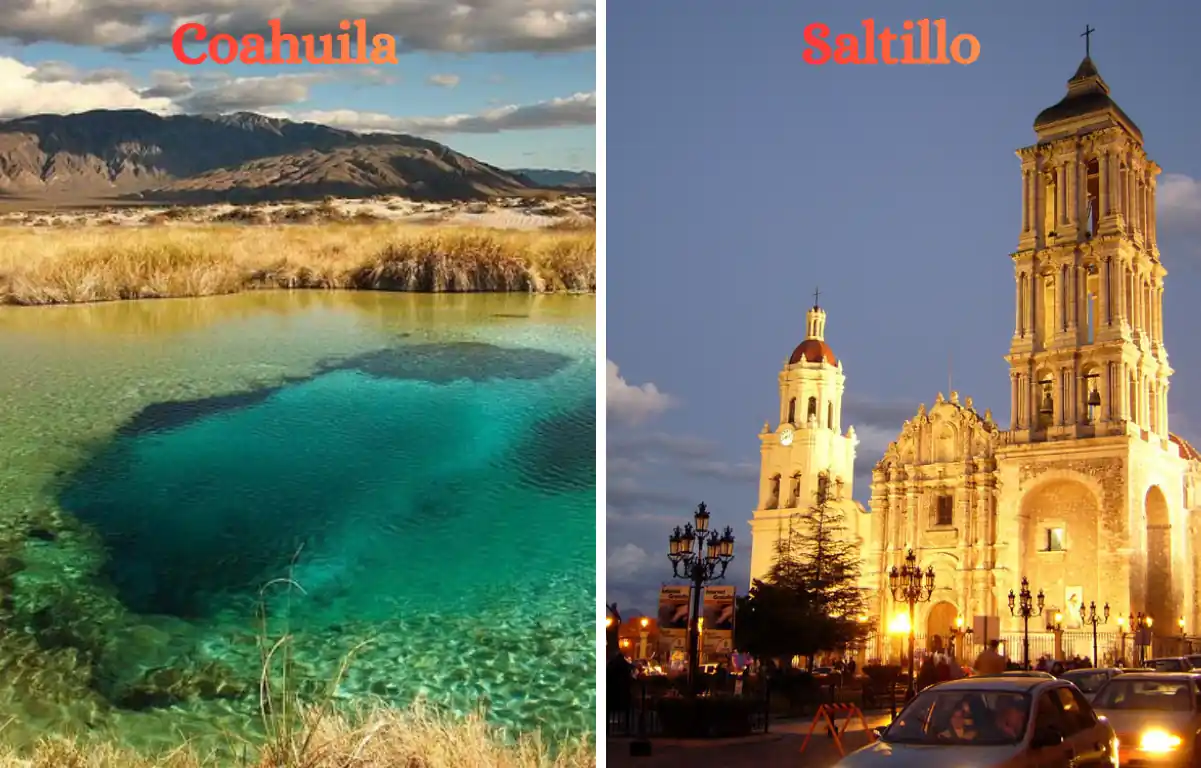
Saltillo doesn’t market itself to tourists, but it operates with stability. As an industrial city, it benefits from consistent security policies and strong local governance. I found public areas clean, calm, and well supervised.
Visitors tend to stay in central districts close to hotels and business zones. That limits exposure to unfamiliar neighborhoods and keeps logistics simple. Crime here skews low compared to nearby border regions.
Saltillo earns its place for travelers who value predictability over attractions. It shows how some lesser-known cities quietly function as safe Mexico travel destinations for careful first-time visitors.
SAFEST PLACE IN MEXICO TO VACATION WITH FAMILY
Traveling through Mexico with families over the years taught me one thing fast. Structure matters. Cities that combine calm neighborhoods, good hospitals, and predictable transport feel easier when kids or older relatives are involved.
Mérida leads this category without question. Residential areas like Altabrisa and Montebello feel suburban, clean, and well patrolled. Private hospitals are modern, and parks stay busy with local families until late evening.
Puerto Vallarta works well for families who want beaches with services close by. Resorts and central neighborhoods reduce the need for long transfers, and tour operators follow clear safety standards. I’ve seen how smoothly family logistics work here.
Riviera Nayarit suits families who want minimal decision-making. Gated resorts, private beaches, and on-site medical access lower everyday risks. For many travelers, this balance makes it the safest place in Mexico to vacation with family.
WHERE IS THE CHEAPEST AND SAFEST PLACE TO LIVE IN MEXICO
After spending extended time in several Mexican cities, affordability and safety often intersect outside major tourist hotspots. Rent, healthcare, and daily costs drop sharply once you move inland, without sacrificing quality of life.
Mérida consistently stands out. Monthly living costs remain reasonable, while crime rates stay among the lowest in the country. Many Americans I met here chose it specifically as the safest place in Mexico to live for Americans.
Querétaro offers a slightly higher cost but excellent infrastructure. Rent in safe neighborhoods remains manageable, and salaries from remote work stretch comfortably. Healthcare access rivals much larger cities.
Aguascalientes surprises many newcomers. It combines low rent, compact city layout, and stable security. For travelers asking where is the cheapest and safest place to live in Mexico, these three cities consistently deliver the best balance.
PLACES TO AVOID IN MEXICO FOR FIRST-TIME TRAVELERS
Avoiding certain areas in Mexico doesn’t mean avoiding the country. It means understanding regional differences. Some states struggle with issues that rarely affect tourists elsewhere. Experience taught me that context matters more than fear.
Border regions like parts of Tamaulipas and northern Chihuahua present challenges unrelated to tourism. These areas see activity that first-time visitors simply don’t need to navigate. The same applies to isolated rural zones far from main highways.
Certain cities in Guerrero and Michoacán appear often in travel warnings. While locals manage daily life there, tourists lack the local knowledge needed to move safely. That gap creates unnecessary risk.
The key lesson is this. The safest cities in Mexico operate independently from high-risk zones. By focusing on low crime tourist areas, Level 1 and Level 2 states, and well-defined travel corridors, first-time visitors can experience Mexico confidently without venturing into places better left for experienced travelers.
MEXICO TRAVEL WARNING MAP 2026 EXPLAINED
The Mexico travel warning map often creates confusion because it paints entire states with a single color. After years of navigating Mexico using these advisories, I’ve learned they’re best read as regional guidance, not city-specific bans.
Level 1 and Level 2 states include many of the safest cities in Mexico, such as Yucatán, Campeche, and Querétaro. These areas show how local governance and tourism policing can create safe environments even when neighboring regions struggle.
Travelers misread the map when they assume a Level 3 or Level 4 state means every city is unsafe. Puerto Vallarta and Guadalajara prove otherwise. Both operate secure tourist zones that function separately from higher-risk rural areas.
Used correctly, the Mexico travel warning map 2026 helps travelers plan routes, choose cities wisely, and avoid unnecessary risk without missing out on safe Mexico travel destinations.
MEXICO SAFETY FOR SOLO FEMALE TRAVELERS
Solo female travel in Mexico feels very different depending on location. In cities like Mérida, Valladolid, and Isla Mujeres, I’ve watched women move confidently through public spaces late into the evening without drawing attention.
Safety improves when travelers stay in walkable neighborhoods and avoid poorly lit shortcuts. Ride-hailing apps and hotel-arranged transport reduce exposure to common risks. Clothing choices matter less than situational awareness and timing.
Cultural norms favor respect, but first-time visitors benefit from blending in. Simple choices like daytime exploration and early evenings make a noticeable difference. For women asking, “Is Mexico safe for solo travel?” the answer is yes, when city choice and habits align.
SAFEST TRANSPORTATION IN MEXICO FOR TOURISTS
Transportation shapes safety more than most travelers expect. Uber and other ride-hailing apps remain the safest option in cities where they operate, especially at night. I rely on them regularly in Mexico City, Guadalajara, and Querétaro.
Domestic flights reduce long road journeys and connect major safe cities efficiently. For ground travel, first-class long-distance buses offer controlled terminals, assigned seating, and security checks. I’ve used them extensively without incident.
Avoid informal taxis unless arranged through hotels. Choosing the safest transportation in Mexico for tourists removes much of the uncertainty first-time travelers worry about before arriving.
MEXICO TRAVEL SAFETY CHECKLIST FOR FIRST-TIME TRAVELERS
After dozens of entries into Mexico, this checklist is what I still follow myself. It keeps decisions simple and avoids common mistakes first-time visitors make. The goal is consistency, not paranoia.
Hotels
Choose properties in central neighborhoods or resort corridors. I prioritize places within walking distance of restaurants and attractions to limit late-night transport. Front desks that operate 24 hours matter more than luxury.
Transport
Use Uber or hotel-arranged taxis whenever possible. Book long-distance buses in first-class terminals only. For flights, stick to major airports with frequent connections. This approach fits well within the Safest Cities in Mexico for First-Time Travelers.
Documents and insurance
Carry copies of your passport and entry form. Travel insurance should cover private hospitals, which I’ve used more than once. Small steps like these remove stress when plans change unexpectedly.
FINAL THOUGHTS
Mexico rewards travelers who approach it with nuance. After years of moving between its regions, the biggest lesson is simple. Safety here is local. Cities function differently, and smart choices shape the experience.
The Safest Cities in Mexico for First-Time Travelers offer predictability, visible security, and infrastructure that supports visitors without isolating them from local life. From Mérida’s calm streets to Puerto Vallarta’s managed energy, these places prove that Mexico can feel both exciting and secure.
First-time visitors don’t need to avoid Mexico. They need to choose well, move thoughtfully, and trust cities that have earned their reputation over time. When you do, Mexico reveals itself as welcoming, complex, and far safer than headlines suggest.
PEOPLE ALSO ASK
1. Is Mexico safe for first-time travelers?
Yes, when you choose cities with low crime tourist zones and strong infrastructure. My first extended stays in Mérida and Querétaro felt calmer than many large cities elsewhere. City choice matters more than country reputation.
2. What are the safest cities in Mexico right now?
Mérida, Campeche, San Miguel de Allende, and Querétaro consistently rank high. These cities combine low violent crime with visible policing and walkable centers, which first-time visitors quickly appreciate.
3. Are Mexican resort towns safe for tourists?
Resort towns like Riviera Nayarit, Huatulco, and parts of Tulum operate within controlled zones. Security, transport, and medical access are built into the experience, which lowers everyday risk.
4. Which parts of Mexico have the lowest crime rates?
Yucatán and Campeche regularly report the lowest crime rates nationwide. Time spent in these states shows how local culture and governance shape safety far more than geography alone.
5. Is Mexico safe for solo travel?
Solo travel works well in cities with compact layouts and strong public presence. I’ve met many solo travelers in Oaxaca City and Isla Mujeres who felt comfortable by following basic habits.
6. What are the U.S. State Department’s safest Mexican states?
States frequently listed at Level 1 or Level 2 include Yucatán, Campeche, and Querétaro. These align closely with on-the-ground experiences in major cities.
7. How do I stay safe while traveling in Mexico?
Stay in known neighborhoods, avoid unnecessary night travel, and use reliable transport. I’ve found that planning evenings in advance prevents most issues.
8. Are beaches safer than cities in Mexico?
Some beach destinations are safer due to controlled access and limited sprawl. La Paz and Cozumel feel calmer than many inland cities, especially after dark.
9. What transportation is safest for tourists in Mexico?
Ride-hailing apps, domestic flights, and first-class buses offer the most predictable experiences. I avoid informal transport unless arranged through hotels.
10. Do travel warnings mean I should cancel my trip?
Not usually. Warnings highlight regions, not entire cities. Many safe destinations operate independently within higher-risk states.