Best Time to Visit Mexico Month by Month Guide for 2026

Mexico rewards travelers who plan with intention. After more than a decade moving through its deserts, jungles, highland cities, and coastlines, I learned that timing shapes everything. Weather shifts fast between regions.
Festivals change the rhythm of safest cities. Prices rise and fall with seasons that feel very different depending on where you are standing. That is why understanding the Best Time to Visit Mexico Month by Month matters so much.
I first noticed this contrast while traveling from cool, pine-scented streets in San Cristóbal de las Casas to humid Caribbean shores within the same week.
This guide focuses on the Best Time to Visit Mexico Month by Month for 2026, built from repeat visits, local conversations, and real travel mistakes.
Mexico has two main seasons. The dry season runs from November to April. The rainy season stretches from May to October. Each has clear advantages if you know what to expect.
The goal here is simple. You get a clear, honest Mexico month-by-month guide that covers weather, festivals, crowds, and regional differences. You will see how Mexico weather by month affects beach time, cultural travel, and budgets. Whether you care about whale watching in Baja, cenotes in the Yucatán, or walking historic streets in Mexico City, timing makes the experience better or harder. This guide helps you choose wisely.
Understanding Mexico’s Climate and Seasons
Mexico’s climate feels complex because the country is large and geographically dramatic. Mountain ranges, coastlines on two oceans, and high-altitude cities all create distinct climate zones. I felt this firsthand while riding a bus from Oaxaca City into the Isthmus region. Temperatures jumped, humidity thickened, and afternoon rain appeared almost on cue.
Dry Season vs Rainy Season
The dry season in Mexico runs roughly from November to April. Days stay sunny, humidity drops, and evenings feel cooler, especially inland. This is peak Mexico travel season. Beach destinations like Cancun, Riviera Maya, and the Pacific Coast shine during these months. Cities such as Mexico City and Puebla offer clear skies and comfortable walking weather.
The rainy season stretches from May through October. Rain usually falls in short, heavy bursts during late afternoons or evenings. Mornings often stay clear. Landscapes turn lush. Waterfalls surge. Crowds thin out. Prices drop. In places like Chiapas and Oaxaca, the rainy season adds depth rather than inconvenience.
Hurricane Season in Mexico
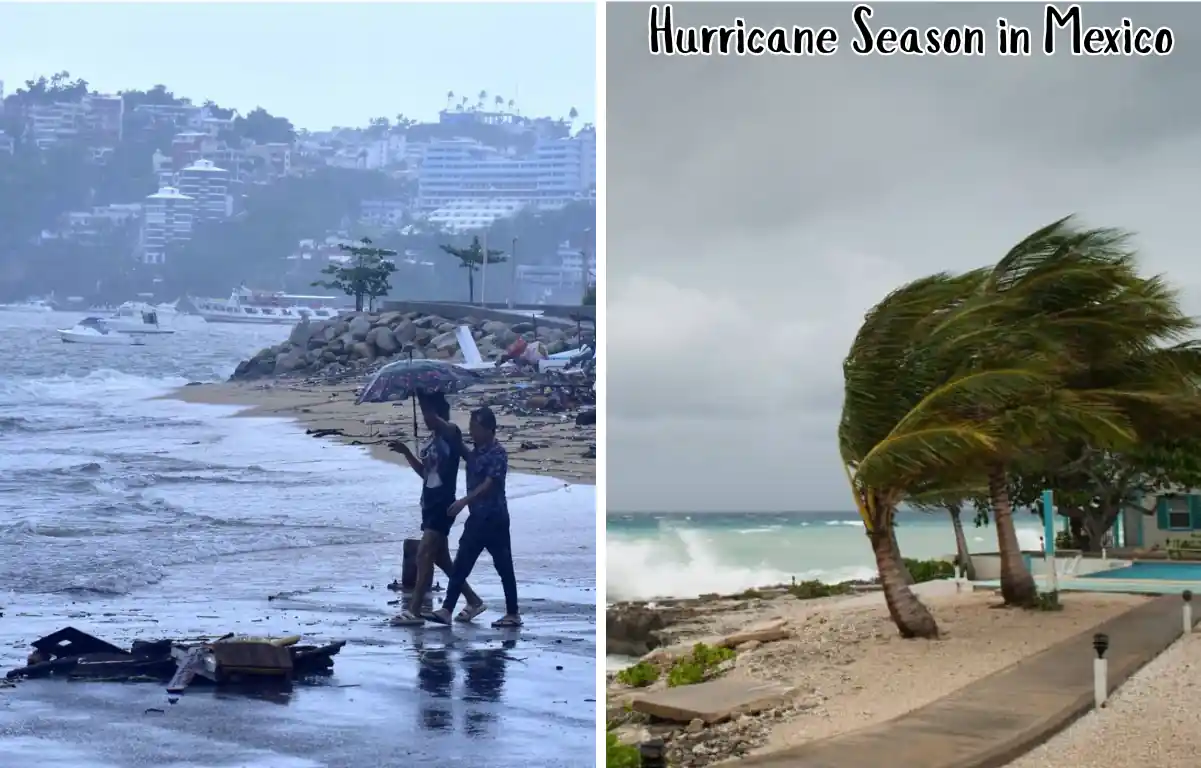
Hurricane season officially runs from June to November. Coastal areas face the highest risk, especially the Caribbean coast and parts of the Pacific. September brings the most storms. During a late August stay in Tulum, I learned to plan beach time early and keep backup plans indoors. Inland cities remain largely unaffected, which many travelers overlook.
Shoulder Seasons Explained
May and November are shoulder season months. These are personal favorites. May still feels dry in many regions, though heat builds. November marks the return of dry weather with fewer crowds after Day of the Dead.
You get better hotel rates, calmer streets, and more flexible travel days. Shoulder season Mexico travel often delivers the best balance of value and experience.
Mexico Month-by-Month Travel Guide
January, February, and March
January in Mexico
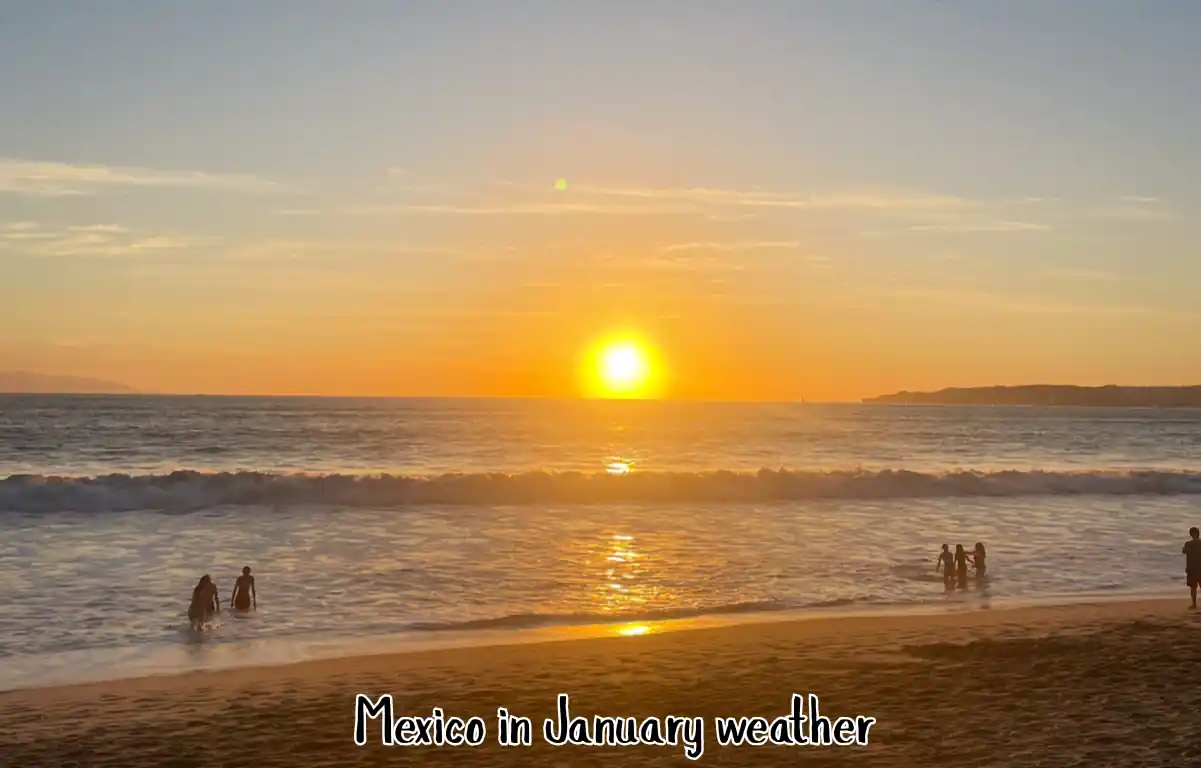
January opens the year with some of the most reliable weather. Mexico in January feels calm and clear across much of the country. Days stay dry. Nights cool down, especially in higher elevations.
Weather snapshot: Average temperatures range from 60°F to 80°F depending on region. Rainfall stays low. Humidity remains manageable.
Best for: Whale watching in Baja California, monarch butterflies in Michoacán, cultural travel, and outdoor sightseeing.
Pros and cons: Excellent weather and wildlife viewing. Prices stay high due to winter travel demand. Popular beaches feel busy.
Regional highlights: Baja California offers prime whale watching January experiences in places like Guerrero Negro. Central Mexico hosts monarch butterflies near Angangueo. Mexico City feels crisp and walkable.
Read Also: 17 Unique Things to Do in Mexico in January for Your Best Trip
Insider tip: Book whale tours early. I once waited too long in Loreto and paid nearly double during peak weeks.
February in Mexico
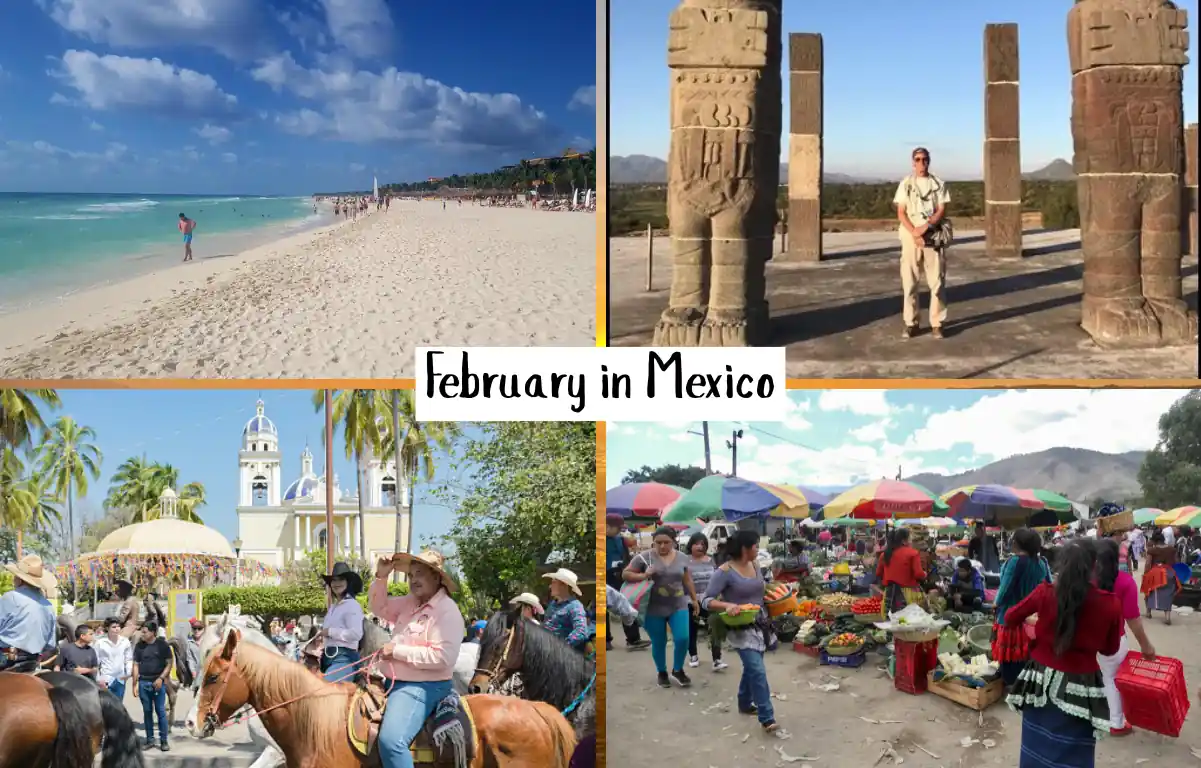
February continues the dry season and adds color through festivals. Mexico in February blends beach weather with cultural celebration.
Weather snapshot: Warm days, cool evenings inland. Minimal rain. Comfortable humidity levels.
Best for: Beaches, Carnaval celebrations, whale watching, and relaxed city travel. Many consider this the best month for beaches Mexico offers.
Pros and cons: Stable weather and vibrant events. Higher hotel rates during Carnaval week.
Regional highlights: Carnaval Mexico February shines in Veracruz and Mazatlán, where parades fill waterfront streets. Riviera Maya delivers clear water and calm seas.
Insider tip: If you want beaches without crowds, skip major Carnaval cities and head to smaller Pacific Coast towns like San Pancho.
March in Mexico
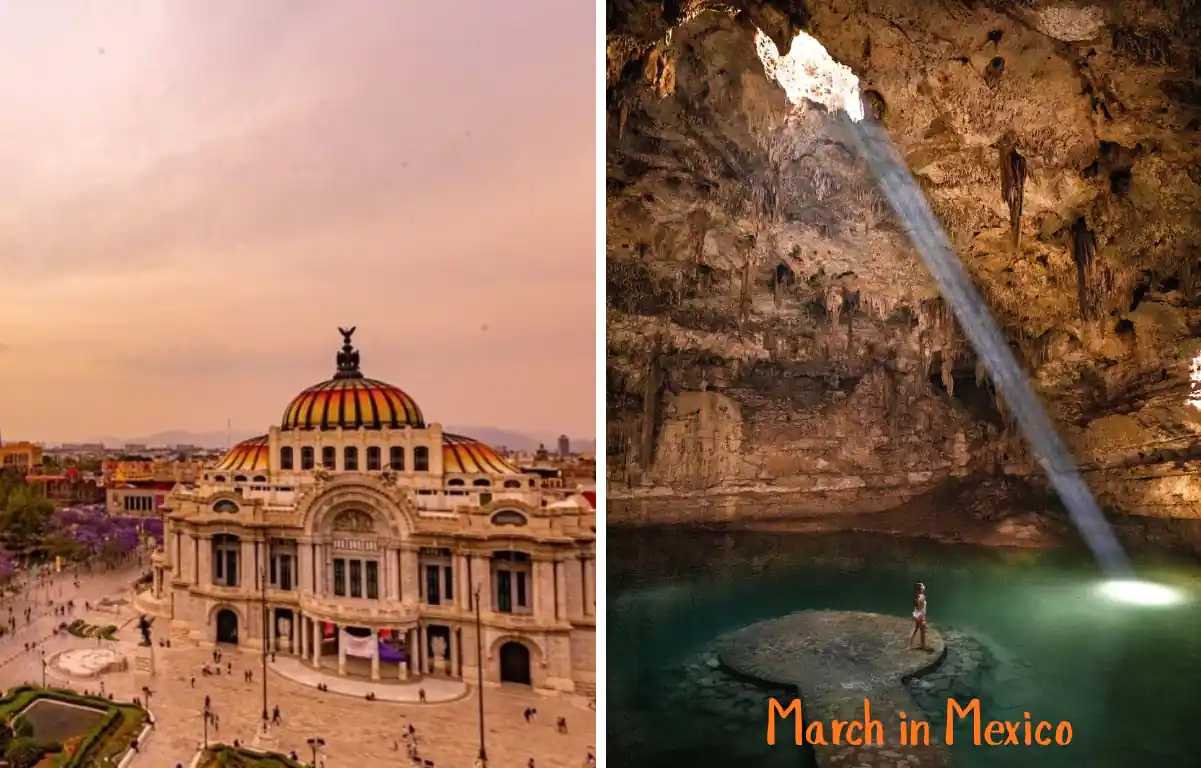
March brings energy and contrast. Mexico in March marks the transition toward spring, with rising crowds and shifting travel patterns.
Weather snapshot: Warm temperatures nationwide. Dry air persists. Rain remains rare.
Best for: Cultural events, equinox celebrations, and late-season whale watching.
Pros and cons: Great weather and iconic events. Spring break Mexico March crowds can overwhelm beach destinations. Prices spike fast.
Regional highlights: Chichen Itza equinox March draws massive crowds for the shadow of Kukulcán. Baja sees the whale watching season end. Beach towns brace for spring breakers.
Insider tip: Travel inland during March. Cities like Guanajuato and Querétaro stay lively but manageable while coastal resorts fill quickly.
April in Mexico
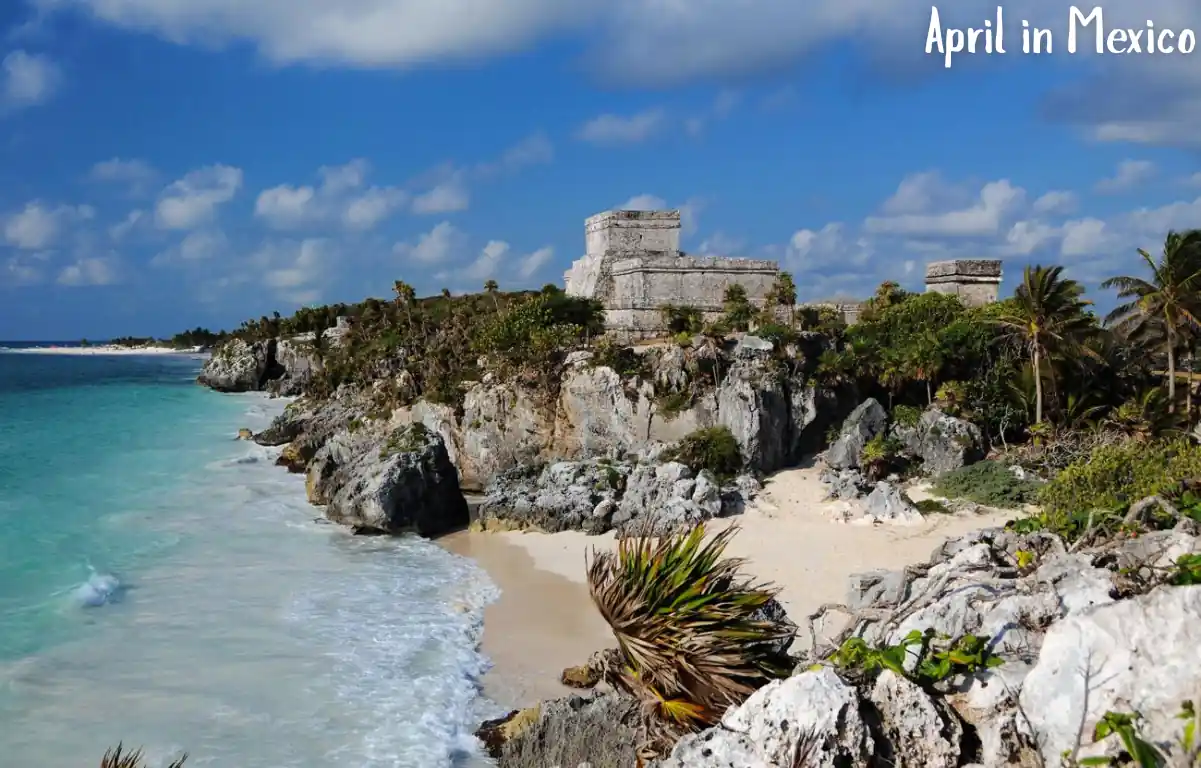
April sits at a comfortable crossroads. Mexico in April still enjoys dry season weather, but crowds begin to thin after Easter week. I spent one April moving between Cozumel and Mérida and noticed how calm things felt once Semana Santa ended. Locals reclaimed beaches. Hotels relaxed their pricing.
Weather snapshot: Daytime temperatures range from 70°F to mid-80s. Rain stays minimal. Humidity remains moderate along the coasts.
Best for: Snorkeling, cultural travel, and shoulder-season city exploring. Many consider this the best time for snorkeling Mexico offers due to clear water and calm seas.
Pros and cons: Excellent weather and visibility underwater. Short crowd spikes during Easter in Mexico.
Regional highlights: Riviera Maya reefs stay crystal clear. Mexico City parks bloom with jacarandas. Oaxaca enjoys warm days without summer rain.
Insider tip: If you plan Easter travel, book transportation early. I once underestimated domestic travel demand and spent hours waiting for a bus out of Puebla.
May in Mexico
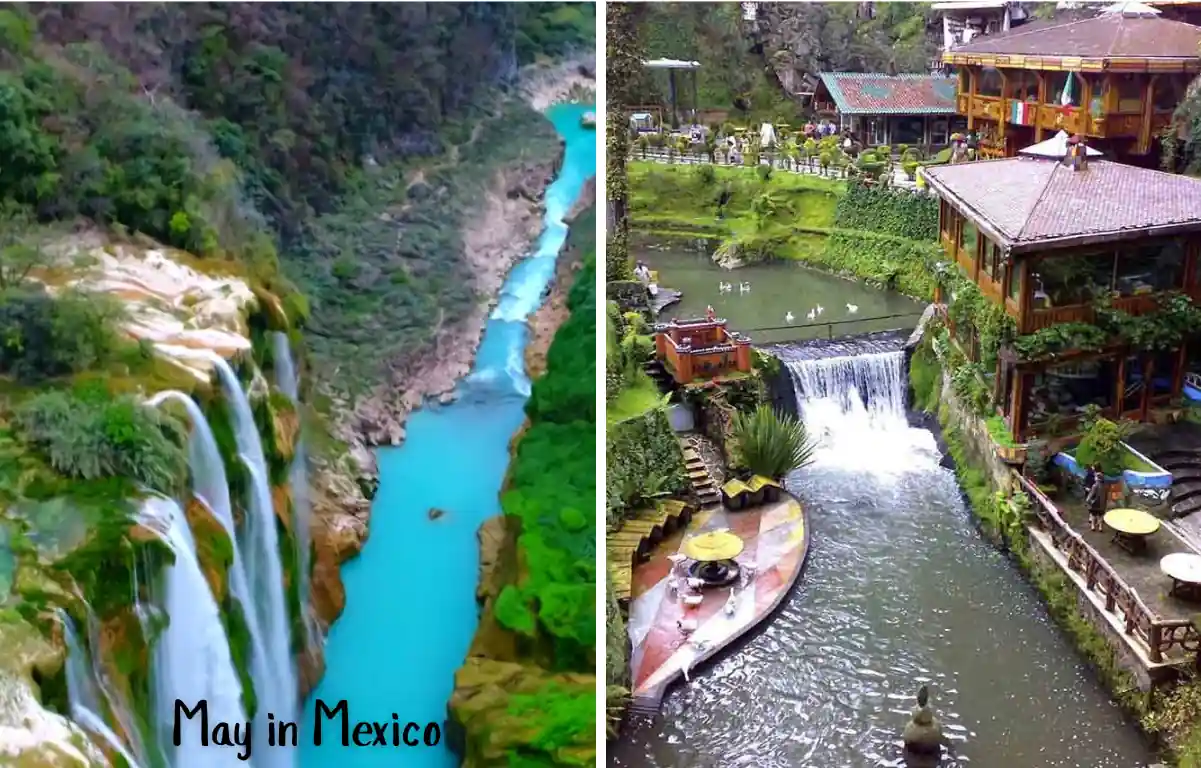
May signals change. Mexico in May marks the start of the rainy season in parts of the country, though rain often stays light and brief early on. Heat becomes the defining factor, especially inland.
Weather snapshot: Temperatures rise into the mid-80s and 90s. Humidity builds. Rain appears sporadically in afternoons.
Best for: Shoulder season Mexico May travel, cultural events, and fewer crowds.
Pros and cons: Lower prices and quieter attractions. Heat can feel intense, especially away from the coast.
Regional highlights: Cinco de Mayo celebrations appear most prominently in Puebla, where parades and reenactments feel rooted in local pride rather than tourism. Beach towns stay relaxed before summer holidays begin.
Insider tip: Plan sightseeing early in the day. I learned quickly in Mérida that noon sun changes walking plans fast.
June in Mexico

June opens the door to summer. Mexico in June brings the official start of hurricane season, though storms remain limited early in the month. Travel slows, which works in your favor if you plan well.
Weather snapshot: Hot and humid conditions dominate. Afternoon rain becomes more regular. Sea temperatures rise.
Best for: Surfing, indoor museums, and low season Mexico travel on a budget.
Pros and cons: Cheaper flights and hotels. Rain and humidity require flexibility.
Regional highlights: Pacific Coast Mexico sees strong surf conditions. Mexico City offers refuge with museums, cafés, and cooler evenings due to elevation.
Insider tip: Build in downtime. Afternoon storms often pass quickly, but rushing plans leads to frustration. I adjusted my rhythm in June trips and enjoyed the slower pace far more.
July in Mexico

July turns Mexico vivid and intense. Mexico in July feels alive with festivals, family travel, and tropical heat. I spent one July based in Oaxaca City and another along the Yucatán coast. The contrast was sharp. Highland evenings stayed cooler. Coastal days demanded patience and shade.
Weather snapshot: High humidity. Temperatures often sit between 85°F and 95°F. Rain falls in short, heavy bursts, usually late afternoon.
Best for: Whale shark tours, cultural festivals, and summer holidays Mexico locals enjoy.
Pros and cons: Unique wildlife encounters and major cultural events. Heat and rain require flexible planning.
Regional highlights: Whale sharks Yucatan July tours begin near Isla Holbox and Isla Mujeres. La Guelaguetza festival Oaxaca fills the city with dance, music, and regional dress. Hotels book quickly during festival weeks.
Insider tip: Book whale shark tours only with licensed operators. I learned this after seeing overcrowded boats handled poorly during peak days.
August in Mexico
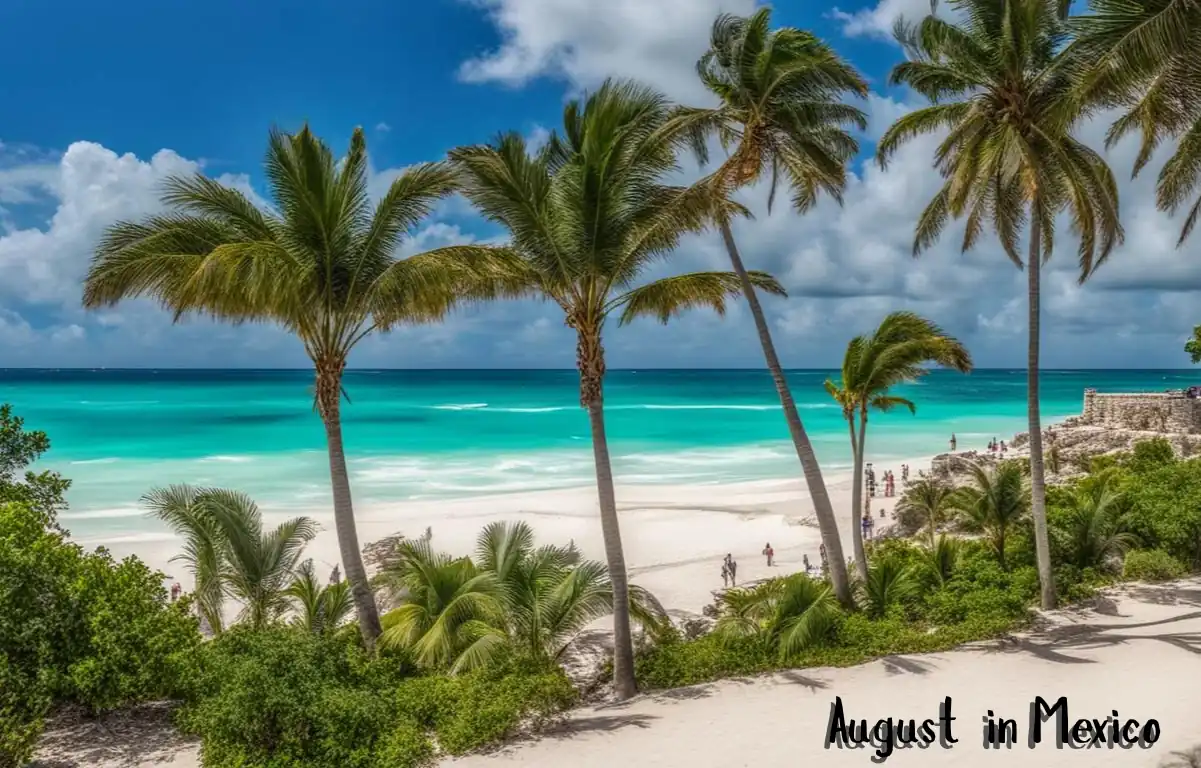
August slows things down. Mexico in August sits deep in the rainy season, and hurricane season Mexico August risk increases along the coasts. Inland travel remains more predictable.
Weather snapshot: Hot, humid days. Frequent rain. Higher storm risk near the Caribbean and Pacific.
Best for: Low season travel Mexico, surfing, and rare natural events.
Pros and cons: Lower prices and fewer tourists. Weather disruptions are possible.
Regional highlights: Firefly sanctuary Tlaxcala August becomes one of the most memorable experiences I have had in Mexico. Evening walks through glowing forests feel almost unreal. Pacific beaches still attract surfers chasing summer swells.
Insider tip: Keep travel insurance active and monitor weather daily. I adjusted routes more than once in August and avoided major delays by staying flexible.
September in Mexico
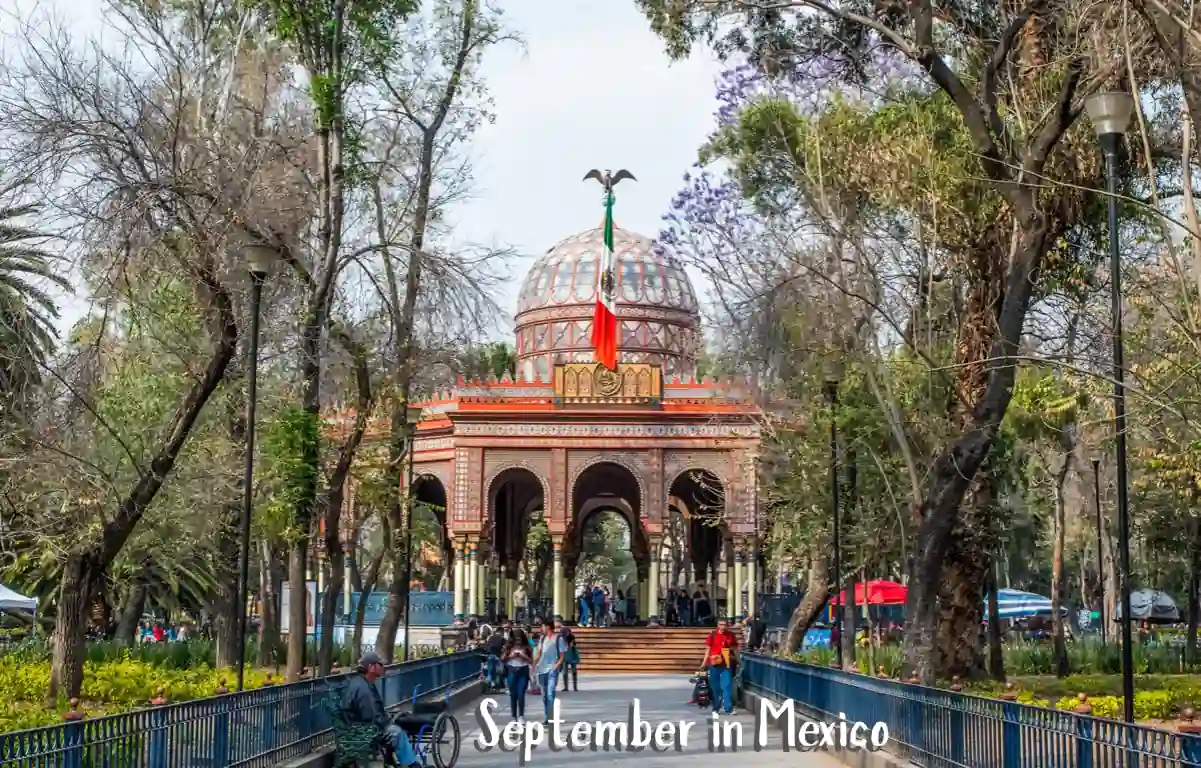
September tests patience but rewards budget travelers. Mexico in September delivers the cheapest time to visit Mexico, paired with the highest weather risk. I traveled through central Mexico one September and avoided the coast entirely. That choice made the trip smoother.
Weather snapshot: The wettest month in most regions. High humidity. Peak hurricane season.
Best for: Cultural immersion, budget travel, and national celebrations.
Pros and cons: Lowest prices of the year. Heavy rain and storm risk.
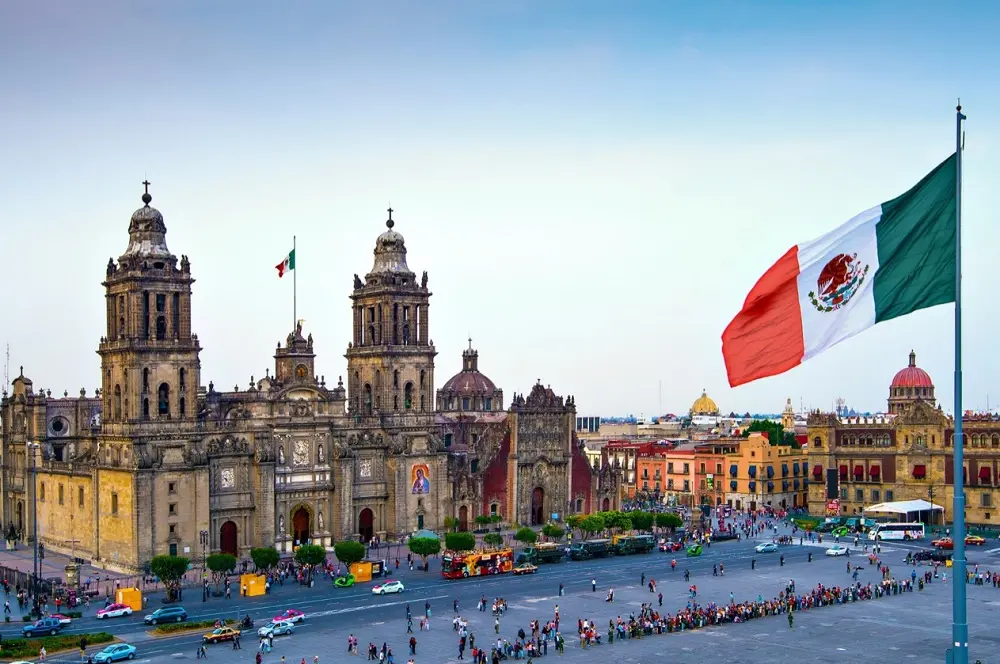
Regional highlights: Independence Day Mexico September 16 brings fireworks, reenactments, and local pride across the country. Mexico City’s Zócalo becomes the center of celebrations.
Insider tip: Travel inland. Cities like Guanajuato and San Miguel de Allende handle September weather better than coastal resorts.
October in Mexico

October feels like a reset. Mexico in October signals the end of the rainy season in many regions, and travel conditions start improving fast. I often plan return trips around this month because it blends calm weather with cultural depth.
Weather snapshot: Warm days, improving humidity levels, and decreasing rainfall. Hurricanes remain possible early in the month but taper off.
Best for: Shoulder season Mexico October travel, cultural festivals, and quieter sightseeing.
Pros and cons: Better prices and fewer crowds. Some lingering rain, especially early October.
Regional highlights: Festival Internacional Cervantino in Guanajuato fills theaters, plazas, and colonial streets with music and performance. Towns across central Mexico begin preparing for Day of the Dead.
Insider tip: October is ideal for photography. I captured some of my best street scenes this month when light softened and crowds thinned.
November in Mexico
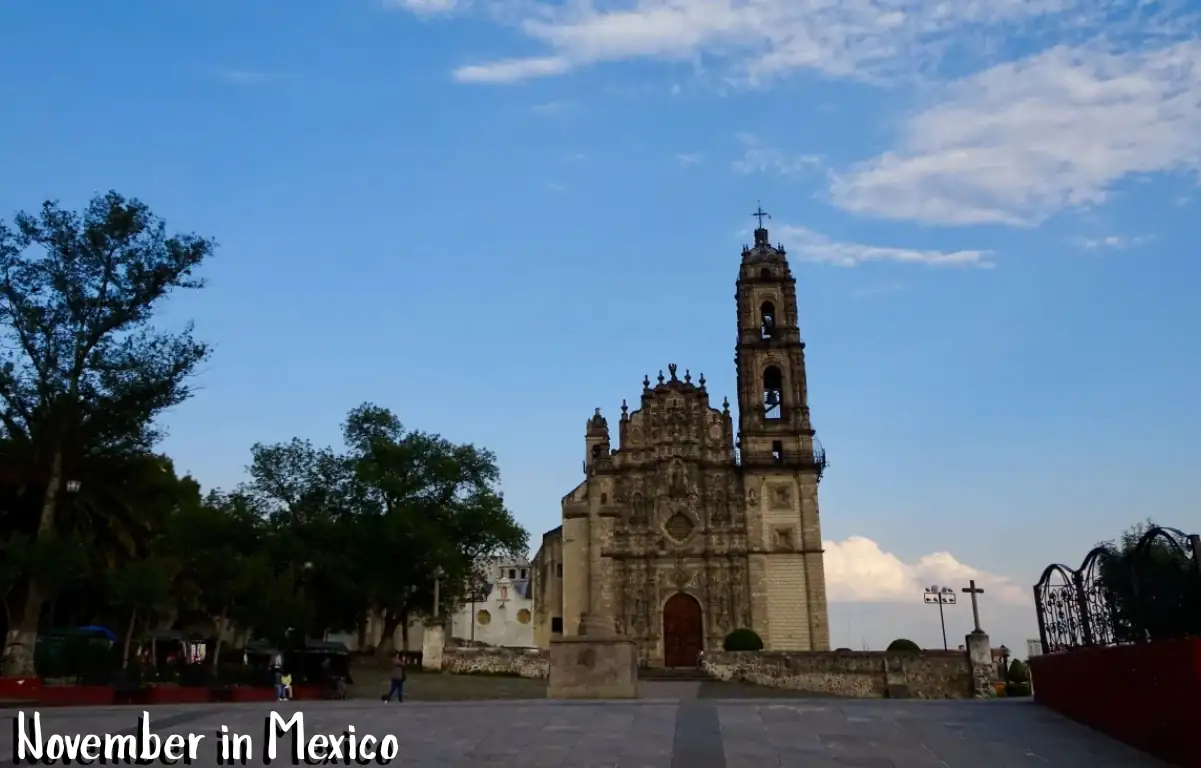
November consistently ranks among the best months for travel. Mexico in November delivers ideal conditions across much of the country. After multiple visits during this month, I consider it the most balanced option for first-time travelers.
Weather snapshot: Dry, mild temperatures. Low humidity. Comfortable evenings.
Best for: Cultural travel, outdoor exploration, and wildlife experiences. Many travelers ask, is November a good time to visit Mexico? From experience, yes.
Pros and cons: Excellent weather and major cultural events. Prices begin to rise mid-month.
Regional highlights: Day of the Dead Mexico celebrations transform places like Oaxaca, Pátzcuaro, and Mexico City. Whale watching season begins along Baja California.
Insider tip: Stay near local neighborhoods rather than historic centers during Day of the Dead. I found more authentic altars and fewer crowds just a few streets away.
December in Mexico

December closes the year at full speed. Mexico in December brings peak tourist season Mexico-wide, especially in beach destinations. I learned early to plan December trips well ahead.
Weather snapshot: Dry and sunny December Mexico weather dominates. Cool evenings inland. Warm beach days.
Best for: Christmas in Mexico, whale watching, and winter escapes.
Pros and cons: Festive atmosphere and excellent weather. Higher prices and limited availability.
Regional highlights: Las Posadas processions unfold nightly before Christmas. Nochebuena meals bring families together across the country. Baja California continues whale watching Baja December season.
Insider tip: Book domestic flights early. December travel fills fast, especially around Christmas and New Year.
Best Time to Visit Mexico by Region
Mexico never behaves like one single destination. Climate, crowds, and costs shift sharply by region. I learned this after planning one trip too broadly and missing perfect conditions just a few hours away. Once you break travel down by region, timing becomes much clearer and trips run smoother.
Best Time to Visit Cancun and Riviera Maya
The best time to visit Cancun and the best time to visit Riviera Maya falls between November and April. Dry weather dominates. Seas stay calm. Humidity drops. This is the best time to visit Mexico beaches if clear water and sun matter most.
Avoid late March if possible. Spring break crowds can overwhelm Cancun and Playa del Carmen. I once rerouted south to Akumal during this period and found calmer beaches within the same coastline.
Best months: December to February for weather, November for balance, May for better prices if heat is manageable.
Best Time to Visit Mexico City
Mexico City thrives during shoulder months. The best time to visit Mexico City is March to May and October to November. Spring brings jacaranda blooms across neighborhoods like Roma and Coyoacán. Fall offers crisp air and cultural festivals without heavy rain.
Summer afternoons often bring rain, but mornings stay clear. I spent a rainy July here once and still walked miles before storms arrived.
Best months: April and November for weather, fewer crowds, and walkable days.
Best Time to Visit Oaxaca
The best time to visit Oaxaca runs from October through April. Dry days support street exploration, markets, and festivals. October brings cultural buildup before Day of the Dead. July attracts visitors for Guelaguetza, though rain and crowds increase.
I prefer late October or early November when traditions feel deeply local and temperatures stay comfortable.
Best months: November for culture, January to February for dry, calm travel.
Best Time to Visit Baja California
Baja follows the sea. The best time to visit Baja California for wildlife is December to April, when gray whales migrate and calve. Towns like Loreto and Guerrero Negro revolve around this rhythm.
October and November offer pleasant weather without crowds. Summer heat pushes many travelers away, though surfers still arrive.
Best months: January to March for whales, November for mild weather and value.
Best Time to Visit Pacific Coast Mexico
The best time to visit Pacific Coast Mexico is November through April. Dry weather, blue skies, and gentle seas dominate. Towns like Sayulita, Zihuatanejo, and Mazunte feel relaxed and open.
Summer brings rain and strong surf. I enjoy June here for surfing, but beach lounging becomes harder.
Best months: December to February for beaches, May for quieter coastal stays.
Best Time to Visit the Yucatán Peninsula
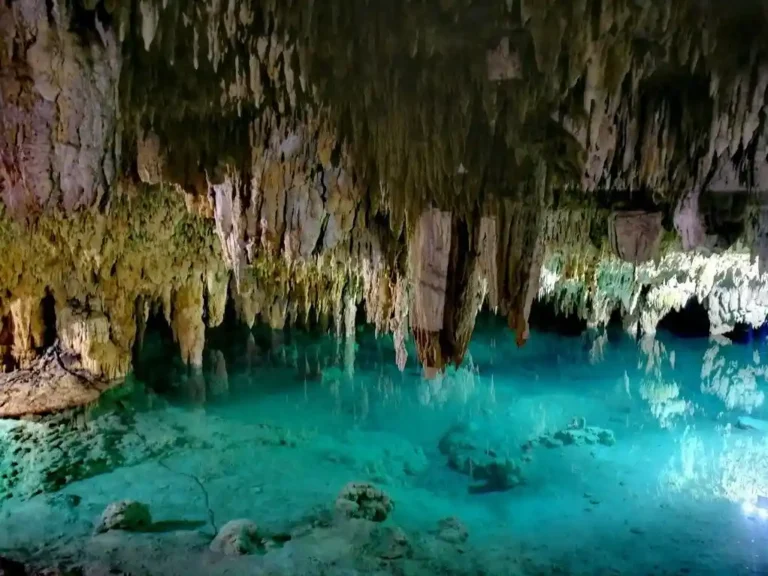
The best time to visit Yucatán Peninsula lands between November and March. Cooler air and low rainfall support ruins, cenotes, and city travel. Hurricane season affects this region more than most, especially from August to October.
I learned to avoid September here after multiple ferry cancellations and flooded streets.
Best months: February for balance, November for culture and value.
Best Time for Specific Activities in Mexico
Travel timing matters most when your trip revolves around a specific experience. Over the years, I shaped many Mexico trips around one clear goal. Whales, food, festivals, or long beach days. Once you plan that way, the best time to visit Mexico month by month becomes much easier to choose.
Best Time for Whale Watching in Mexico
The best time for whale watching Mexico offers runs from December through April. Gray whales arrive first in Baja California. Humpbacks follow along the Pacific Coast and near Puerto Vallarta.
I spent several weeks between Loreto and Guerrero Negro during peak season and watched mothers teach calves how to surface. March often delivers the most active sightings before the season winds down.
Best months: January to March
Best regions: Baja California, Pacific Coast Mexico
Best Time for Surfing in Mexico
Surfing follows the rainy season. The best time for surfing Mexico sees strong swells from May through October, especially along the Pacific Coast.
Places like Puerto Escondido, Sayulita, and Barra de la Cruz attract experienced surfers during summer. I learned quickly that conditions change fast, so local surf reports matter more than calendars.
Best months: June to September
Best regions: Pacific Coast Mexico
Best Time for Snorkeling in Mexico
Clear water depends on calm seas. The best time for snorkeling Mexico delivers is during the dry season, from December to April.
Cozumel remains my benchmark. Visibility often stretches beyond 100 feet during February and March. Cenotes stay accessible year-round, but dry months make travel between them easier.
Best months: February and March
Best regions: Riviera Maya, Yucatán Peninsula
Best Time for Hiking in Mexico
Hiking works best when temperatures drop. The best time for hiking Mexico offers runs from November through March.
Trails around San Cristóbal de las Casas, Copper Canyon, and central highlands feel safer and more comfortable during cooler months. I once attempted a summer hike near Real de Catorce and cut it short due to heat.
Best months: December to February
Best regions: Central Mexico, Chiapas, Northern highlands
Best Time for Festivals in Mexico
Festivals happen year-round, but peaks appear in February, May, September, and November. Cultural travel often defines when to visit Mexico more than weather alone.
Carnaval lights up February. Cinco de Mayo centers on Puebla in May. Independence Day dominates September. Day of the Dead defines late October and early November.
Best months: February and November
Best regions: Oaxaca, Mexico City, Puebla, Veracruz
Best Time for a Beach Vacation in Mexico
The best time for a beach vacation Mexico travelers enjoy most runs from November through April. Dry air, steady sun, and calmer seas shape this window.
I prefer late November or early December before holiday crowds arrive. Beaches feel open. Prices stay reasonable.
Best months: November and February
Best regions: Cancun, Riviera Maya, Pacific Coast Mexico
Best Time for Cultural Tours in Mexico
Cultural travel thrives during shoulder seasons. May and November offer manageable weather and fewer crowds. Museums, markets, and historic centers feel accessible.
I often schedule city-focused trips during these months and spend long mornings exploring without rushing.
Best months: May and November
Best regions: Mexico City, Oaxaca, Guanajuato
Practical Travel Considerations
Over time, I learned that timing in Mexico affects more than weather. It shapes prices, safety conditions, packing needs, and overall comfort. This section pulls together lessons learned from repeat trips, missed connections, and smart adjustments that made later journeys smoother.
Cheapest Time to Visit Mexico
The cheapest time to visit Mexico generally falls between May and October, excluding major holidays. September consistently offers the lowest prices on flights and hotels. I booked some of my best-value stays during this month, especially inland.
Budget travelers should focus on shoulder periods within the rainy season. June and early October often provide strong discounts without constant rain.
Best months for savings: September, June, early October
Busiest Time to Visit Mexico
The busiest time to visit Mexico runs from December through April, with spikes during Christmas, Easter, and spring break. Popular destinations sell out early.
I once arrived in Playa del Carmen during Easter week without reservations and spent hours searching for a room. That mistake never happened again.
Peak crowd periods: Late December, Semana Santa, March spring break
Safest Time to Visit Mexico
Weather plays a role in safety. The safest time to visit Mexico from a climate standpoint is during the dry season, from November to April. Roads stay clearer. Fewer storms disrupt plans.
General safety improves when travel feels predictable. I always recommend avoiding late-night road travel during heavy rain months and staying informed through local updates.
Best months for stability: November to February
Best Time to Avoid Crowds in Mexico
If avoiding crowds matters, focus on May, June, September, and October. These months demand flexibility but reward travelers with quieter streets and more local interaction.
Some of my best conversations with shop owners in Oaxaca happened in May, when tourism slowed.
Best months for fewer people: May and September
Mexico Packing List by Season
Packing changes with seasons.
Dry season essentials:
Light layers, sun protection, comfortable walking shoes, reusable water bottle.
Rainy season essentials:
Quick-dry clothing, compact rain jacket, insect repellent, waterproof footwear.
I always pack both light layers and rain protection, even during dry months. Weather surprises happen.
Mexico Travel Insurance Best Time
Travel insurance matters year-round, but it becomes essential during hurricane season from June to November. I relied on insurance once after a storm canceled flights in August and saved both money and time.
Recommendation: Purchase coverage for all trips, with strong weather and medical benefits.
Worst Time to Visit Mexico?
The worst time to visit Mexico depends on your priorities. For most travelers, September presents the toughest conditions. It brings peak hurricane season, heavy rain, high humidity, and increased flight disruptions.
Crowded and expensive periods also challenge travelers. Christmas, Easter, and spring break offer great weather but test patience and budgets. Beach destinations feel especially strained during these times.
That said, “worst” is relative. Budget travelers may accept rain for lower costs. Cultural travelers might welcome September celebrations inland. After several rainy-season trips, I learned that flexibility turns difficult months into rewarding experiences.
Final Thoughts
Choosing the Best Time to Visit Mexico Month by Month comes down to priorities. Weather, festivals, budget, and crowd tolerance all shape the experience. Mexico offers something worthwhile in every season if you plan with awareness.
The dry season brings clarity and comfort. The rainy season brings color, savings, and fewer travelers. Shoulder months offer balance. Over years of returning, I stopped chasing perfection and started matching timing to intent.
Use this month-by-month guide to align your travel style with Mexico’s rhythms. Book early for peak periods. Stay flexible during low season. Consider travel insurance year-round. With the right timing, Mexico remains one of the most rewarding destinations you can explore in 2026 and beyond.
Frequently Asked Questions
1. Is November a good time to visit Mexico?
Yes. November offers some of the best weather Mexico sees all year. The dry season begins, humidity drops, and crowds remain manageable after Day of the Dead. I often recommend November to first-time visitors who want balance.
2. What is the best month to visit Mexico?
November and April stand out. November delivers ideal weather with cultural depth. April offers dry conditions before summer heat and heavy crowds arrive. Both months work well across regions.
3. When is the cheapest month to visit Mexico?
September is usually the cheapest month to visit Mexico. Flights and hotels drop to their lowest prices. You trade savings for higher rain and hurricane risk, especially near the coasts.
4. When is hurricane season in Mexico?
Hurricane season in Mexico officially runs from June through November. The highest risk months are August through October. Caribbean and Pacific coastal areas see the greatest impact.
5. What is the best time to visit Mexico for a honeymoon?
The best time for a honeymoon is November through April for reliable weather. Couples who prefer fewer crowds often choose May or November. I have seen many honeymooners enjoy quieter luxury stays during these months.
6. Can I visit Mexico during the rainy season?
Yes. Rain often falls in short afternoon bursts. Mornings stay clear. I traveled during rainy months many times and adjusted daily plans to stay comfortable.