Mexico Travel Guide: Beaches, Safety, and Best Times to Visit

Every time I land in Mexico, I fall right back into my routine. ATM first. SIM card second. Coffee third.
I thought my first trip would feel carefree. Beach, tacos, mezcal. Easy.
It wasn’t that simple.
Before I even booked my flight, I went down the internet rabbit hole. Headlines screamed danger. Friends sent me links to a Mexico travel warning map. Family asked if I was sure this was smart.
I’ll be honest, most of that advice did more harm than good.
Mexico triggers safety anxiety online like few other places. People talk about it as one big risk zone. That’s misleading. Mexico isn’t one experience. It’s dozens of them.
I’ve traveled through Mexico City, the Yucatán Peninsula, Baja California, and smaller towns in between. I’ve had calm, ordinary days. I’ve also had moments that made me pause and reassess.
This Mexico Travel Guide is for you if you want real talk. No sugar-coating. No scare tactics. No resort-only bubble unless that’s your thing.
I’ll share what actually matters. Where travelers go safely. Where they mess up. And how to travel Mexico with confidence, not fear.
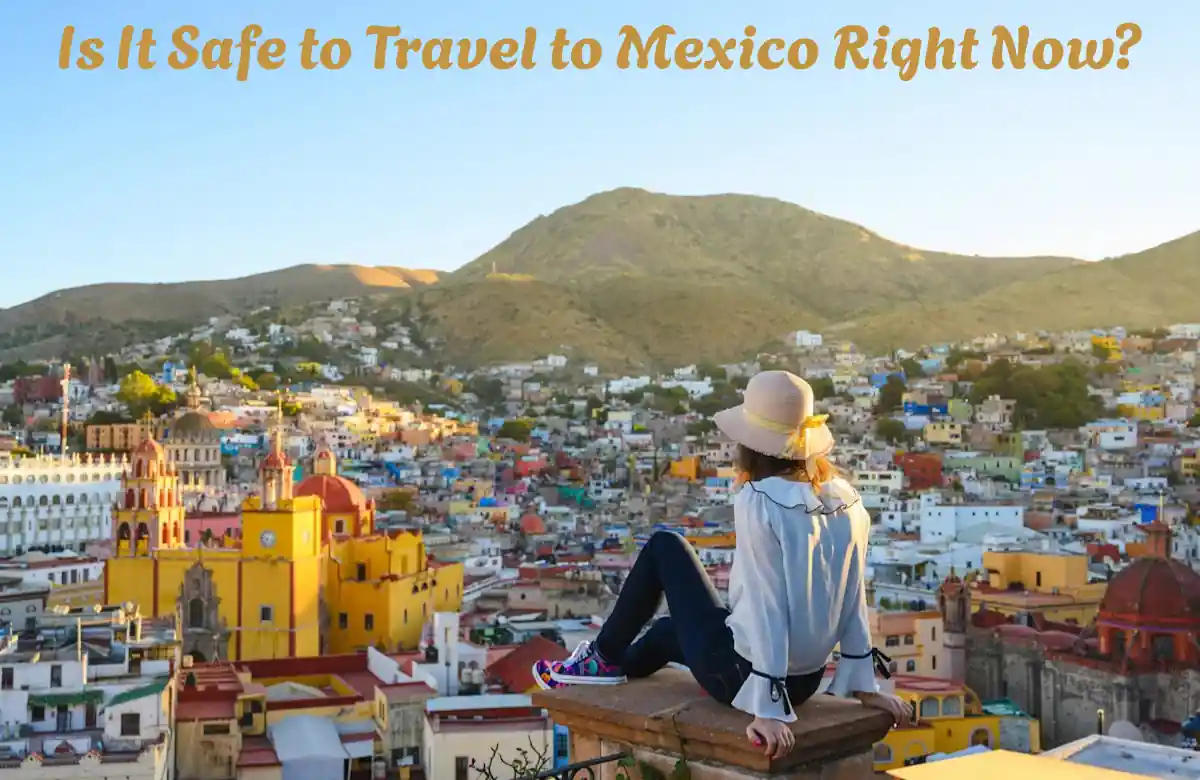
Is It Safe to Travel to Mexico Right Now?
Let’s address the elephant in the room.
Every time I tell someone I’m heading back to Mexico, the reaction is predictable. A pause. A raised eyebrow. Then a question about safety.
Here’s the honest answer. Yes, many people travel to Mexico safely right now. I did. Repeatedly.
But safety in Mexico is conditional. It depends on location, timing, and behavior. That nuance gets lost online.
When people say “Mexico is dangerous,” they’re usually referencing crime tied to organized crime groups and trafficking routes. Those issues are real. They also rarely involve tourists.
I’ve spent weeks moving through Mexico City, Playa del Carmen, and parts of the Yucatán Peninsula. My days looked normal. Coffee runs. Museums. Long walks. Public transport.
Did I feel unsafe daily? No.
Did I stay alert? Always.
Travel advisories from the State Department confuse travelers because they rank entire states. A single incident can raise a warning even if tourist areas remain unaffected.
Helpful to know: tourist corridors operate differently from local zones. Police patrols increase. Infrastructure improves. Crime targeting visitors drops.
Let’s talk realistic risks.
Car accidents happen more than violent incidents involving tourists. Medical bills matter more than headlines. That’s why travel insurance matters. An insurance company won’t undo panic, but it will cover mistakes.
I don’t want to paint a false picture here. Scams exist. Overcharging happens. Poor planning causes stress. But fear-driven advice exaggerates danger.
If you plan well, avoid risky routes, and respect local advice, Mexico travel feels manageable. Sometimes boring. And boring means safe.
Understanding Mexico Safety by Region
Mexico safety makes sense once you stop thinking in country-wide terms.
The Mexican Government divides risk by state. Travelers should too.
Some regions see steady tourism with few issues. Others deal with ongoing problems tied to the drug trade and federal conflicts. Headlines blur this distinction, which fuels confusion.
Let’s simplify.
Low-risk tourist regions include much of the Yucatán Peninsula, Baja California Sur, and coastal hubs like Puerto Vallarta. Cancun, Playa del Carmen, and Tulum fall here, despite what social media panic suggests.
These areas function as bubbles. You’ll notice it fast. Better roads. Clear signage. Police near busy zones. Tourists everywhere.
Medium-risk regions require situational awareness. Parts of Central Mexico fit here. Mexico City surprises people. Distrito Federal neighborhoods like Roma and Condesa feel safer than many U.S. cities. Still, some outer zones demand caution.
High-risk regions are not tourist playgrounds. These include certain border states and inland routes tied to trafficking routes. Tourists rarely end up there unless road tripping blindly or chasing ultra-cheap routes.
This is where mistakes happen.
I’ve met travelers who wandered into risky areas chasing “authentic” experiences. They skipped toll roads like federal toll road 1D or 45D to save money. Learn from their mistake.
Tourist corridors matter. Local zones operate on different rules.
The media flattens Mexico into one narrative. Reality is layered. If you respect those layers, Mexico Travel becomes far less intimidating.
Up next, I’ll break down the safest parts of Mexico for American tourists and where people return again and again without issues.
What Is the Safest Part of Mexico for American Tourists?
I get this question every time I mention Mexico travel. Friends lower their voice like it’s classified info.
So let’s answer it cleanly.
Some parts of Mexico are consistently safer for American tourists. And no, it’s not only resorts.
Safest Beach Destinations

Beach destinations rank high because tourism drives the local economy.
Playa del Carmen felt easy from day one. Walkable streets. Tourists everywhere. Police presence near busy zones.
Same story in Puerto Vallarta. I walked the Malecón at night without feeling uneasy.
Cancun’s hotels operate like small cities. You’re insulated. That’s comforting if it’s your first Mexico travel experience.
Helpful to know: stick to main streets at night. Don’t wander aimlessly. That advice works anywhere.
Safest Cultural Cities
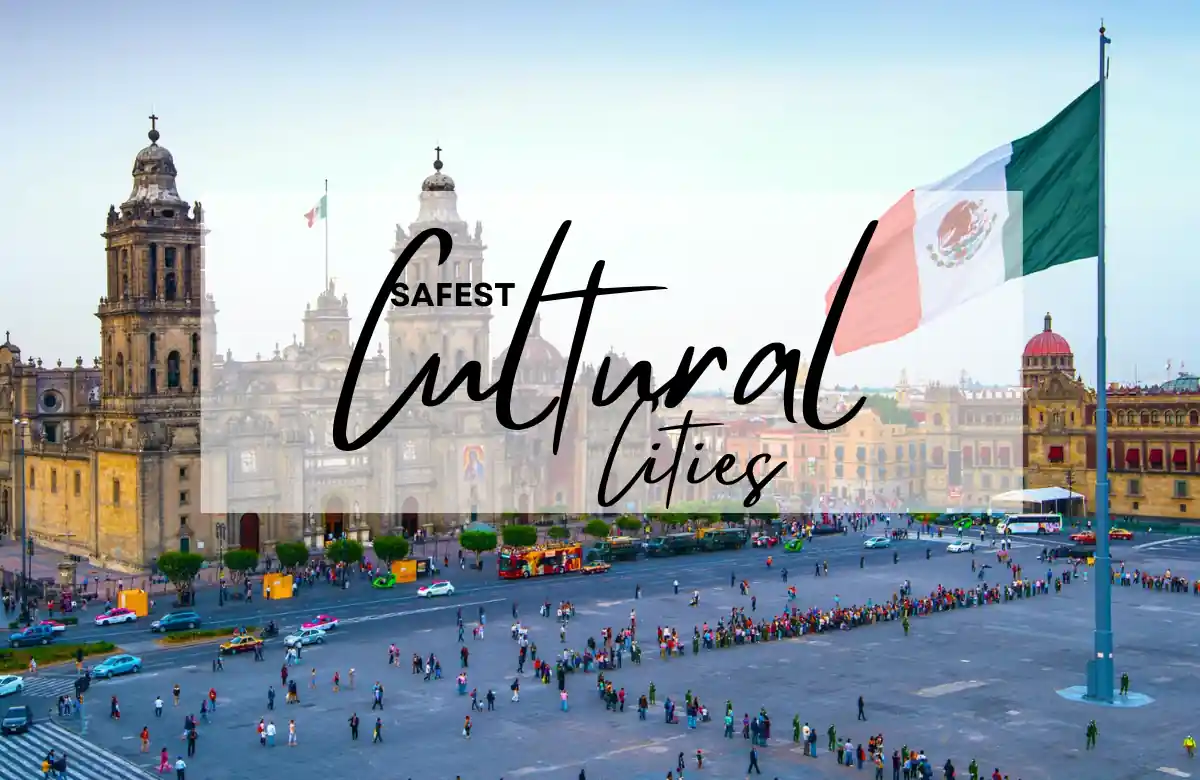
Mexico City surprises people. I expected chaos. I found structure.
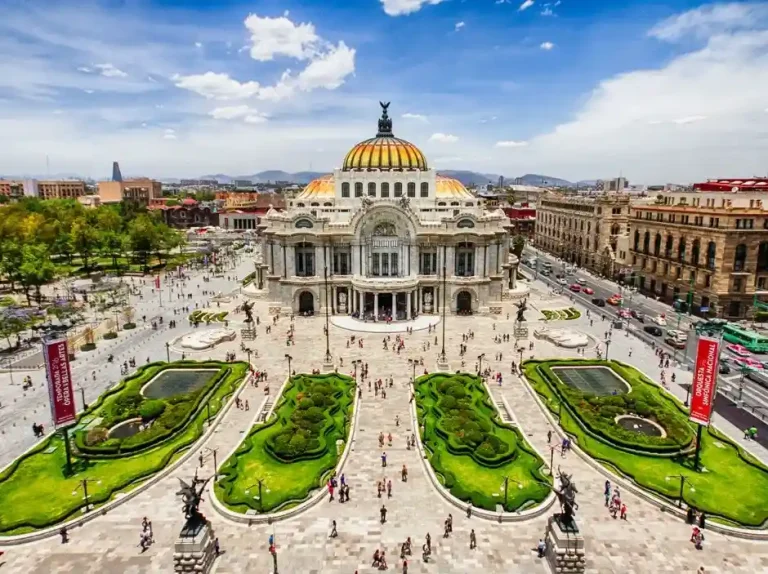
Neighborhoods like Roma, Condesa, and parts of Centro Histórico felt organized and lived-in. Museums. Cafes. Families walking dogs.
Colonial cities also shine. Places with steady tourism and slower pace often feel safer than party towns.
Safest Areas for Solo Travelers
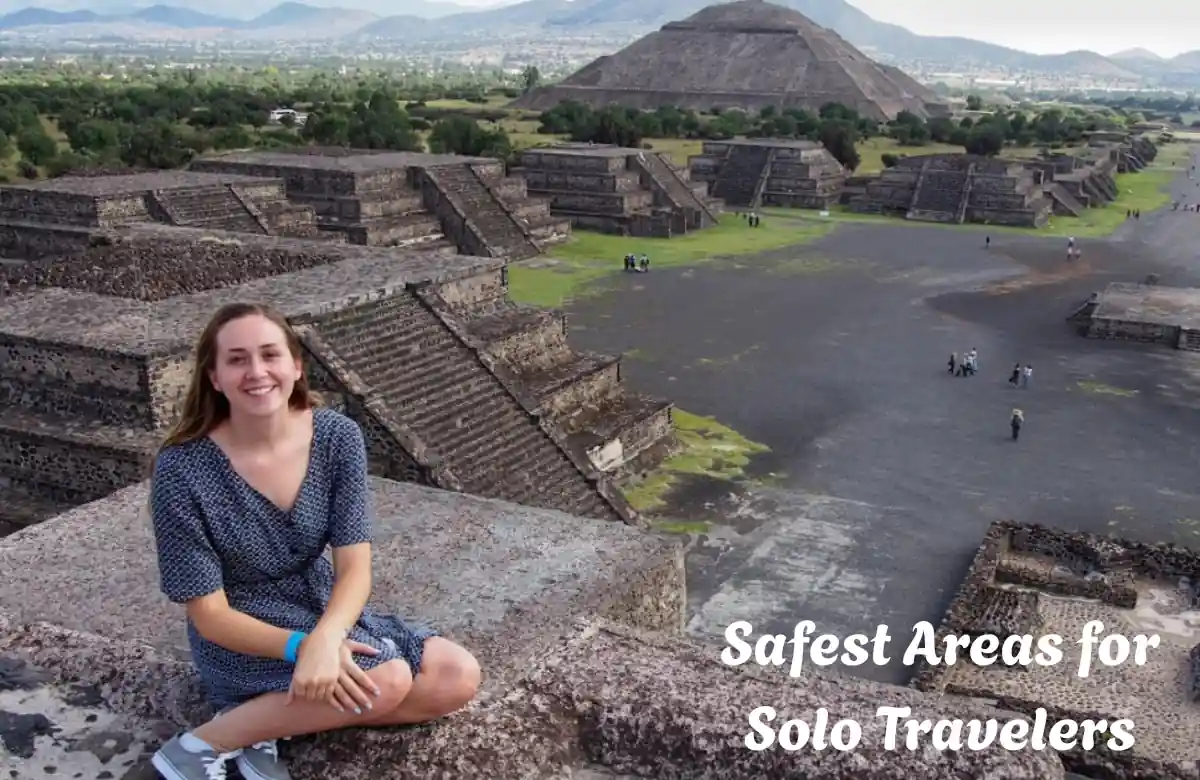
Solo travel works best where infrastructure is strong.
Baja California Sur, the Yucatán Peninsula, and central Mexico cities with solid transit systems top the list. I met solo travelers who stayed for months without issues.
Will you love it? Absolutely, if you choose wisely.
What Not to Do as a Tourist in Mexico
I’ll say this upfront. Most problems tourists face in Mexico are self-inflicted.
Not dramatic. Just true.
I made a few rookie mistakes early on. Learn from them.
Don’t treat Mexico like a theme park.
Getting loud, drunk, or careless in public draws attention fast. That’s not what you want.
Don’t assume prices are fixed.
Some places overcharge tourists. Ask politely. Walk away if it feels off. I’ve done that more than once.
Don’t wander without purpose at night.
I love night walks. I skip them in unfamiliar neighborhoods. Stick to busy streets.
Don’t skip official transport to save money.
Avoid unmarked taxis. Avoid sketchy vans. Use ride shares or hotel-arranged transport.
Don’t carry all your documents at once.
I keep my passport locked up and carry copies. Losing everything at once is a nightmare.
Money mistakes matter too.
Using large bills causes friction. Counting cash publicly invites attention.
Social behavior matters more than people admit.
Respect personal space. Greet before asking questions. Don’t photograph people without consent.
Things I wish I knew: blending in beats standing out. Dress simply. Move calmly. Mexico rewards subtlety.
Where Should You Go for the First Time in Mexico?
First trips shape your entire perception of a country. Mexico deserves a good first impression.
I recommend places that balance comfort and culture.
Best First-Time Beach Destinations
Playa del Carmen works because everything connects easily.
Beaches. Tours. Transport. Restaurants.
Puerto Vallarta feels warmer and more human. Less polished. More lived-in.
I stayed longer here than planned.
Tulum? Mixed feelings.
The ruins impressed me. The prices didn’t. Visit briefly. Don’t base yourself there.
Best First-Time Cultural Cities
Mexico City belongs on this list without hesitation.
Yes, it’s big. Yes, it’s busy.
But museums, food, and public spaces ground the experience.
Chapultepec Park alone can fill days.
Food prices stay reasonable outside tourist traps.
Best First-Time Food Destinations
Oaxaca changed how I think about Mexican food.
Markets. Mole. Street stalls. Everything felt intentional.
I ate well without overspending.
Places First-Timers Should Skip
Border towns unless you have a reason.
Remote inland routes without planning.
Overcrowded party zones if noise drains you.
Worth it? Worth it, if you start smart.
Best Beach Destinations in Mexico
I’ve learned this the hard way. Not all Mexico beaches feel the same.
Choosing wrong can ruin your trip.
Caribbean Coast vs Pacific Coast
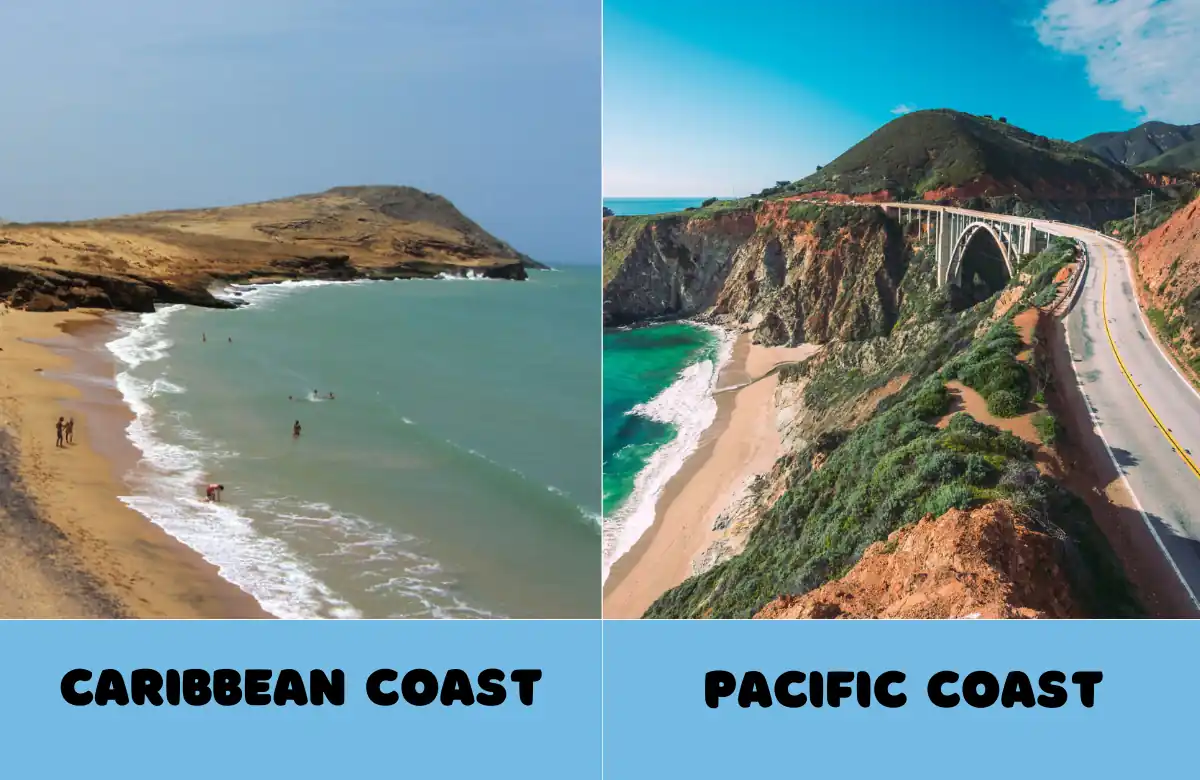
The Caribbean coast feels postcard-perfect. White sand. Calm water. Easy swimming.
Playa del Carmen and the Yucatán Peninsula win here.
The Pacific coast feels wilder. Bigger waves. Cooler water. More dramatic sunsets.
Puerto Vallarta and parts of Baja California fall into this camp.
Helpful to know: Caribbean beaches suit swimmers. Pacific beaches suit surfers.
Party Beaches vs Relaxed Beaches
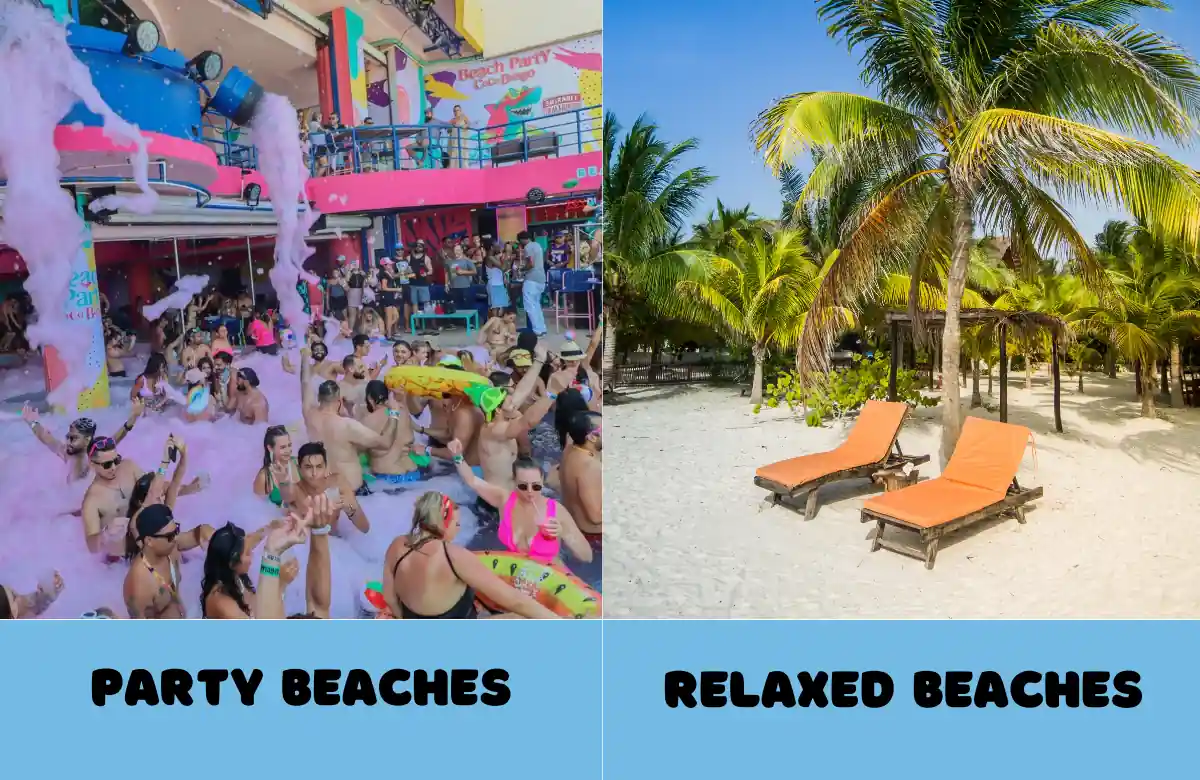
Cancun’s hotels bring energy. Loud pools. Packed clubs.
I lasted three nights. Whew.
Playa del Carmen balances things better. You can party or escape it.
Puerto Escondido leans laid-back with pockets of nightlife.
If crowds drain you, skip heavy party zones.
Best Beaches for Swimming
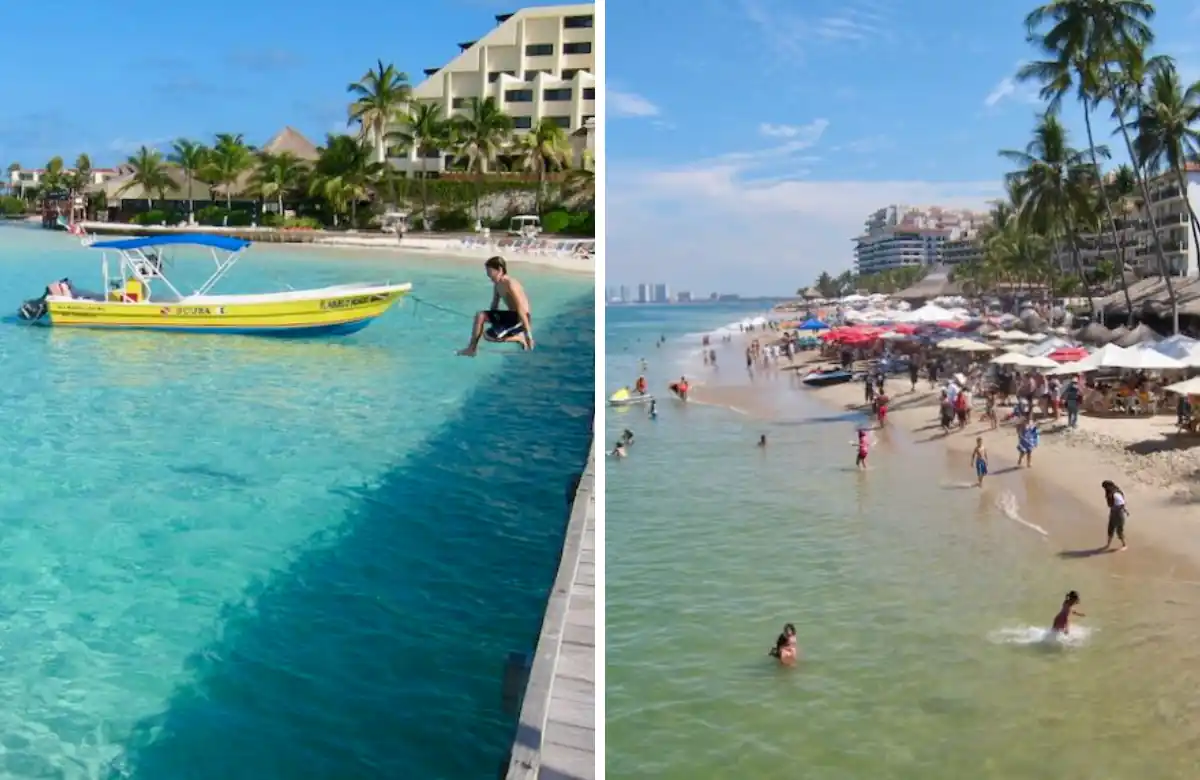
Playa Norte on Isla Mujeres stays calm and shallow.
Akumal offers turtles if you arrive early.
Cost: ferry rides range from $15–25 round trip.
Best Beaches for Families and Couples
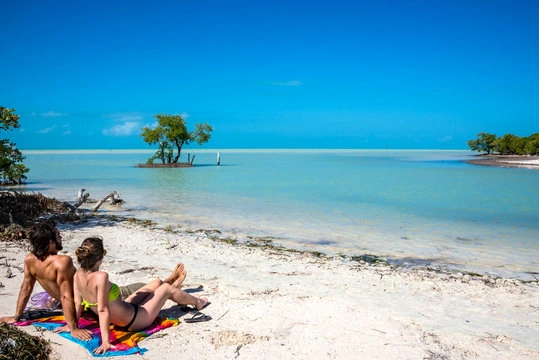
Families love Playa del Carmen for safety and convenience.
Couples lean toward quieter stretches near Tulum or small towns along the coast.
I’ll be honest, paying for beach access near Tulum felt wrong. Public beaches exist. Use them.
Best Time to Visit Mexico (Weather, Crowds, Costs)
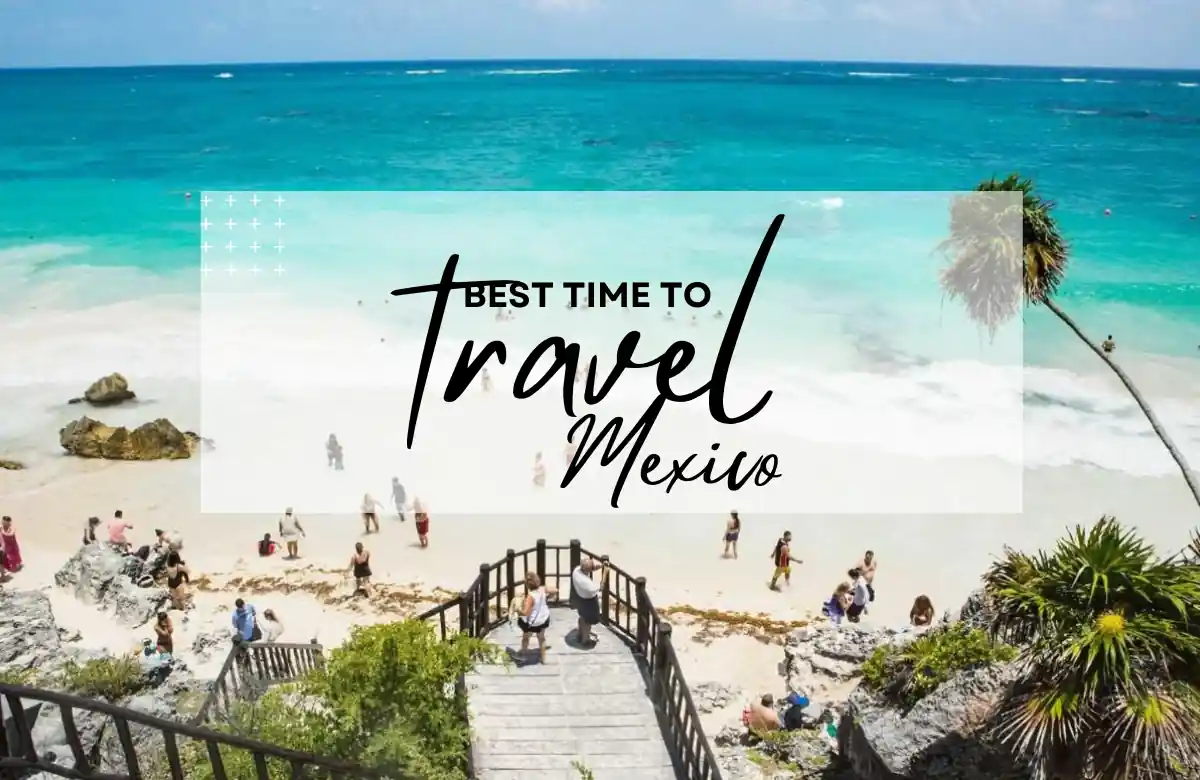
Timing can make or break your Mexico travel experience. I learned this after arriving once during peak crowds. Never again.
High Season vs Low Season
High season runs from December through April.
Weather behaves. Skies stay blue. Prices jump.
Beaches feel packed. Hotels fill fast. Tours sell out early.
If you hate crowds, this period tests your patience.
Low season starts around May and stretches into October.
Heat rises. Humidity creeps in. Prices drop.
I saved serious money traveling in shoulder months. Fewer tourists. More breathing room.
Rainy Season Myths
Rain doesn’t mean nonstop storms.
Most showers hit in the afternoon and clear quickly.
I spent mornings sightseeing without issue.
By the time rain arrived, I was eating or resting.
Helpful to know: September sees the heaviest rainfall. August feels sticky but workable.
Hurricane Season Reality
Hurricane season officially runs June through November.
Actual hurricanes remain rare.
Travel restrictions usually stay short-lived. Flights resume quickly.
Still, this is where travel insurance earns its keep.
Best Months for Beaches and Culture
February and March strike balance. Good weather. Manageable crowds.
November shines for culture, especially Día de los Muertos.
Cost and crowd tradeoffs matter. Pick what annoys you least.
Mexico Travel Costs: What to Expect
Let’s talk money. Mexico isn’t dirt cheap anymore.
Daily Budget Ranges
Budget travelers manage on $40–60 per day.
Mid-range travelers land closer to $80–120.
I regret assuming prices stayed low everywhere. Tourist zones cost more.
Accommodation Costs
Hostels run $10–25 per night.
Mid-range hotels average $60–120, especially near beaches.
Helpful to know: Cancun’s hotels inflate prices fast.
Food Costs
Street food stays affordable. Tacos often cost $1–2 each.
Sit-down meals range from $6–15.
I ate better for less by avoiding tourist menus.
Transport Costs and Overspending Traps
Buses cost little and work well.
Taxis near tourist hubs overcharge. Use ride shares when possible.
Overspending sneaks in through tours and convenience fees. Plan ahead.
Getting Around Mexico Safely
Transportation shapes your entire Mexico travel experience. Get this wrong and stress piles up fast.
Flights vs Buses

Domestic flights save time on long distances. I use them when routes exceed six hours by road.
They’re affordable and reliable.
Buses surprised me. First-class buses feel comfortable and organized.
Companies run frequent routes between major cities.
Cost: buses often range from $15–40 depending on distance.
Ride Shares vs Taxis
Ride shares work well in Mexico City and larger cities.
I trust them more than street taxis.
Taxis near tourist zones often overcharge. Always agree on price first.
Better yet, have your hotel call one.
Renting a Car, When It Makes Sense
Car rentals help in the Yucatán Peninsula and Baja California.
Roads stay clear. Signs are readable.
Avoid night driving outside cities.
Stick to federal toll roads whenever possible.
Public Transport and Night Travel
Metro systems work well in Mexico City during the day.
At night, I switch to ride shares. No exceptions.
Helpful to know: late-night buses exist, but I avoid them unless necessary.
Mexico Travel Logistics You Need to Know
Logistics feel boring until they go wrong. Trust me.
Entry Requirements
Most travelers receive entry on arrival.
Officials may ask for proof of onward travel.
Travel to Mexico requirements change. Always double-check before flying.
Visas and Length of Stay
You usually get up to 180 days.
The National Migration Institute decides, not airline staff.
Word to the wise: don’t assume you’ll get the full stay.
Currency and Payments
The Mexican Peso rules.
ATMs offer better rates than exchange counters.
Carry small bills. Vendors struggle with large notes.
Language Basics
English works in tourist zones.
Basic Spanish helps everywhere else.
Even simple greetings change how people treat you.
Internet and SIM Cards
SIM cards are cheap and easy to buy.
I grab one at the airport every time.
Reliable data reduces stress instantly.
Cultural Tips That Make Travel Easier
Mexico rewards effort. Small gestures go far.
Tipping Norms
Tips matter in restaurants and tours.
10–15 percent works in most places.
Street food vendors don’t expect tips.
Politeness Expectations
Greet people before asking questions.
Say thank you. Smile. It matters.
Rushing feels rude here. Slow down.
Food Timing
Lunch runs late. Dinner even later.
Showing up too early limits options.
I learned that the hungry way.
Safety Etiquette and Blending In
Dress simply. Skip flashy accessories.
Move with purpose.
Helpful to know: locals notice body language fast.
Common Mexico Travel Myths (Debunked)
I believed a few of these before my first trip. Most were wrong.
“Mexico Is Unsafe Everywhere”
This one refuses to die.
Mexico safety varies by region, not passport stamp.
Tourist areas function normally. People go to work. Kids go to school. Life moves on.
“Only Resorts Are Safe”
False.
I felt safer walking Roma Norte in Mexico City than in plenty of big cities elsewhere.
Resorts add comfort. They don’t own safety.
“You’ll Get Sick No Matter What”
I ate street food daily.
I watched where locals ate and followed suit.
Helpful to know: hydration matters more than paranoia.
“You Can’t Travel Independently”
You absolutely can.
Buses, flights, ride shares, and clear signage make it doable.
Mexico travel rewards planning, not fear.
Planning saves money and stress. I learned this after overpacking my first trip and underplanning my days.
Here’s what actually works if you want balance without burnout.
7-Day First-Time Itinerary
This is the route I recommend most. It eases you in.
Days 1–3: Mexico City
Start here to understand the country.
I spent mornings in museums and afternoons wandering neighborhoods.
Chapultepec Park helps you breathe after the crowds. Food tours saved me time and bad meals.
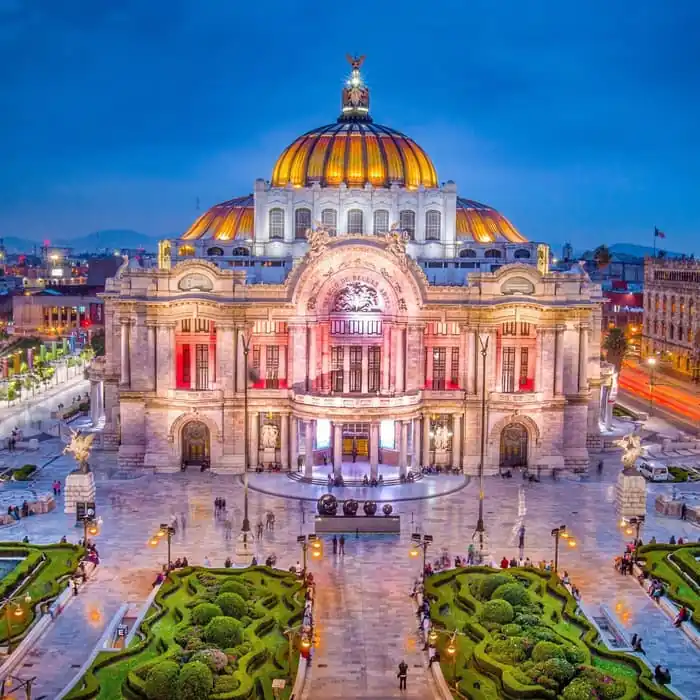
Helpful to know: don’t over-schedule. The city is big. Transit takes longer than you think.
Days 4–7: Playa del Carmen
Fly or bus east and slow down.
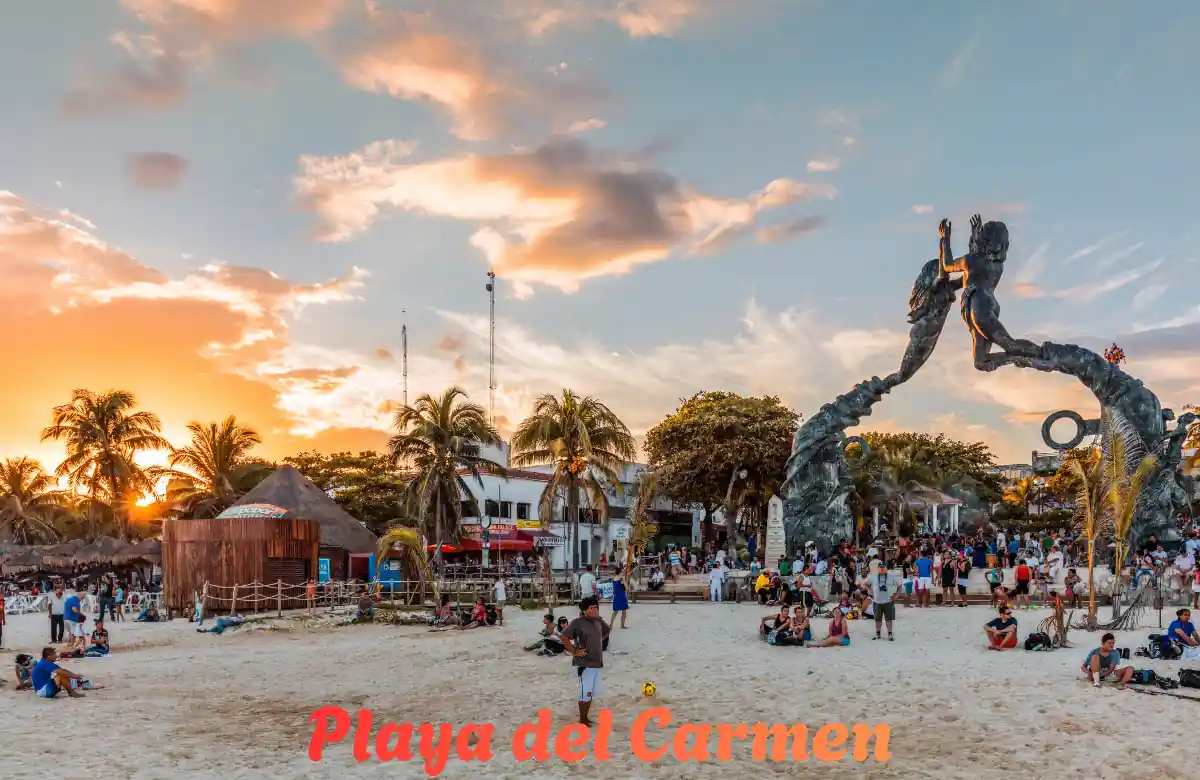
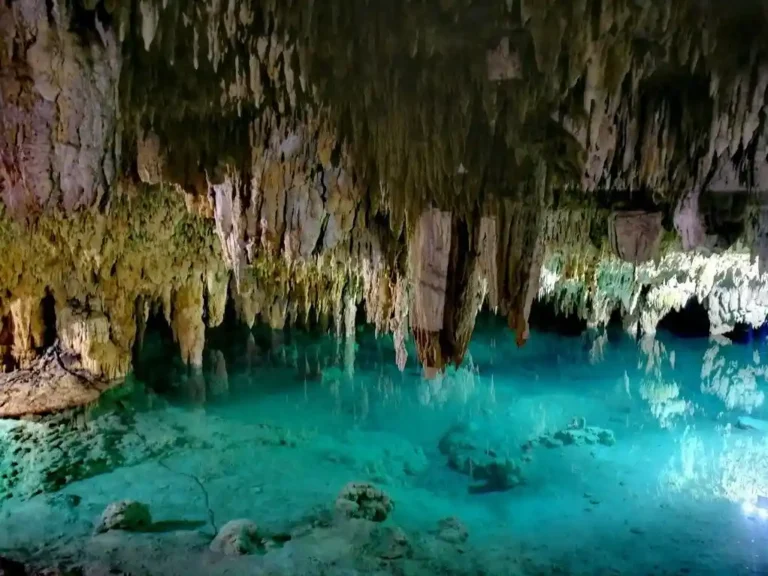
Beach mornings. Cenotes in the afternoon. Easy dinners at night.
I took a day trip to Chichén Itzá and felt glad I didn’t rush it.
Balanced. Easy. Worth the effort.
Beach + Culture Combo
This one surprised me in the best way. I didn’t expect it to work this smoothly, but it did.
Start in Oaxaca.
Give it at least three full days. Four is better.
My mornings started slow. Coffee. A walk through local neighborhoods. No rush.
Then food markets. Benito Juárez Market alone can eat up hours. I tasted things I couldn’t even name.
Food here feels personal. Mole varies by family, not restaurant.
I ate better in Oaxaca than anywhere else in Mexico. No exaggeration.
Evenings stayed calm. Mezcal tastings were relaxed, not flashy.
I learned quickly. Sip slowly. Ask questions. Don’t overdo it.
Helpful to know: Oaxaca rewards patience. If you rush it, you miss the point.
Then fly to Puerto Escondido.
The shift hits immediately.
Surf culture replaces city rhythm. Streets feel rougher. Beaches feel raw.
Some days I did nothing. Other days I watched surfers wipe out for hours (entertaining, honestly).
Swimming isn’t always easy here. Waves can be strong.
This isn’t a resort beach destination. It’s real, sometimes messy, sometimes perfect.
Helpful to know: infrastructure feels basic compared to Caribbean beaches. That’s not a flaw.
If you want quiet mornings, honest meals, and evenings without schedules, this combo delivers.
It’s not polished. It’s memorable.
Slow Travel Route
This route is for travelers who hate rushing. I’m one of them now.
Start in Mexico City.
Stay longer than you think you need.
I made the mistake of planning too much early. The city rewards wandering.
Neighborhood cafés, parks, and museums fill days naturally.
Then bus to Puebla.
The pace drops instantly.
Puebla feels grounded. Smaller. Easier to read.
Food changes too. Richer flavors. Heavier dishes. Less rush.
I walked everywhere here. No transport stress. No pressure.
From Puebla, continue by bus to Oaxaca.
This leg ties everything together.
Each stop feels distinct. Different food. Different energy. Different daily rhythm.
That contrast keeps things fresh without overwhelming you.
Buses run comfortably and save money.
First-class buses surprised me. Clean. On time. Calm.
Helpful to know: slow travel cuts costs and burnout.
You unpack less often. You stop checking clocks. You notice more.
You enjoy Mexico instead of checking boxes.
And honestly, that’s when the country really opens up.
Final Thoughts: Is Mexico Worth Visiting?
I’ll be honest. Mexico isn’t effortless travel.
It asks you to pay attention. To plan. To respect local rhythms.
But is it worth visiting? Worth it.
If you want comfort with curiosity, Mexico delivers.
If uncertainty stresses you out, stick to resort zones or skip it.
Risk exists. It’s manageable.
Rewards include culture, food, history, and warmth that stays with you.
In sum, here’s the roundup. Choose your region carefully. Travel smart. Stay curious.
Cheers.
Frequently Asked Questions
1. Is Mexico safe for Americans?
Yes, in many regions tourists visit daily without issues. Location and behavior matter.
2. What is the safest city in Mexico?
Cities like Mérida, parts of Mexico City, and tourist hubs rank high for safety.
3. Is Mexico expensive to visit?
Costs vary. Budget travelers manage well. Tourist zones raise prices fast.
4. When should I avoid traveling to Mexico?
Avoid peak holidays if crowds bother you. September brings heavy rain.
5. Is Mexico safe for solo travelers?
Yes, especially in established tourist regions and major cities.
6. Do I need Spanish to travel Mexico?
No, but basic phrases improve experiences.
7. Is Mexico safe outside resorts?
Often, yes. Many travelers explore cities and towns without problems.