
How to Explore New York Without Luggage Slowing You Down: A Practical City Guide

New York City, which is a world stage for travelers, which they see in millions each year. It is home to famous landmarks, popular museums, diverse neighborhoods, and fantastic restaurants that visitors will not want to miss out on. At the same time, though, it is also a very fast-paced city, which can be hard on those with heavy bags or suitcases.
And travelers may be out early before check-in at their hotel or out late after check-out, which can add to the issue of How to Explore New York Without Luggage holding all the time in hands. This in turn can ruin what otherwise would be a great NY trip.
Planning ahead and understanding practical travel solutions can help visitors enjoy more of the city with less stress. One practical solution many visitors use is luggage storage new york — dropping bags off before exploring means you move faster, cover more ground, and arrive at each stop without the physical burden of dragging suitcases across Manhattan.
Here’s a quick overview of New York’s best areas and what each one offers before diving into the full planning guide:
| Area | Best Known For | Best Season | Ideal For |
|---|---|---|---|
| Midtown Manhattan | Times Square, Empire State, Fifth Avenue, Grand Central | Year-round | First-timers, families |
| Upper Manhattan | Central Park, Met Museum, Natural History Museum | Spring, Fall | Culture lovers, families |
| Lower Manhattan | Statue of Liberty, Wall Street, 9/11 Memorial, One World | Spring, Fall | History enthusiasts |
| Brooklyn | Bridge views, DUMBO, Williamsburg food and nightlife | Summer, Fall | Couples, food lovers |
| Greenwich Village & SoHo | Boutiques, galleries, cafes, independent restaurants | Year-round | Couples, solo travelers |
| Harlem | Jazz history, soul food, Apollo Theater, cultural heritage | Year-round | Culture and music lovers |
| Chelsea & High Line | Art galleries, High Line Park, Chelsea Market, rooftop views | Spring, Summer | Art lovers, walkers |
Why Traveling Light Improves the Experience
Exploration of New York often includes a lot of walking, frequent use of the subway, and large crowds at the sights. The visitors find themselves with heavy luggage on busy sidewalks, stairs, and public transport, leaving them exhausted before the day has properly started.
Traveling with small bags.
- Greater flexibility when visiting multiple attractions.
- Easier access to public transportation.
- More comfort while shopping or dining.
- Faster movement through busy tourist areas.
- Reduced physical wear and tear from long sightseeing days.
Many travel pros time their sightseeing to the arrival and leave times in order to fit in as many sites as possible.
Planning Your Itinerary Efficiently
New York is made up of many distinct boroughs and neighborhoods which in turn each present different experiences. By organizing attractions by location travelers may greatly reduce travel time.
For example:
Morning
- Walk through Central Park.
- Visit nearby museums.
- Enjoy breakfast at a local café.
Afternoon
- Explore Midtown landmarks.
- Visit observation decks.
- Browse shopping districts.
Evening
- Experience Times Square.
- Attend a Broadway performance.
- In the Theater District or in Hell’s Kitchen.
Keeping to one area reduces commuting time and leaves more room for actual sightseeing.
Popular Attractions Worth Visiting in NYC

First-time visitors tend to hit the famous spots in Manhattan and beyond.
Some of the popular attractions in the city are the following:.
- Central Park
- Times Square
- Statue of Liberty
- Empire State Building
- Brooklyn Bridge
- Grand Central Terminal
- Fifth Avenue
- The Metropolitan Museum of Art
- High Line Park
- One World Observatory
At each location there is something different to offer, which is why it’s best to spend enough time at each stop instead of rushing between the sites.
Using Public Transportation in NYC
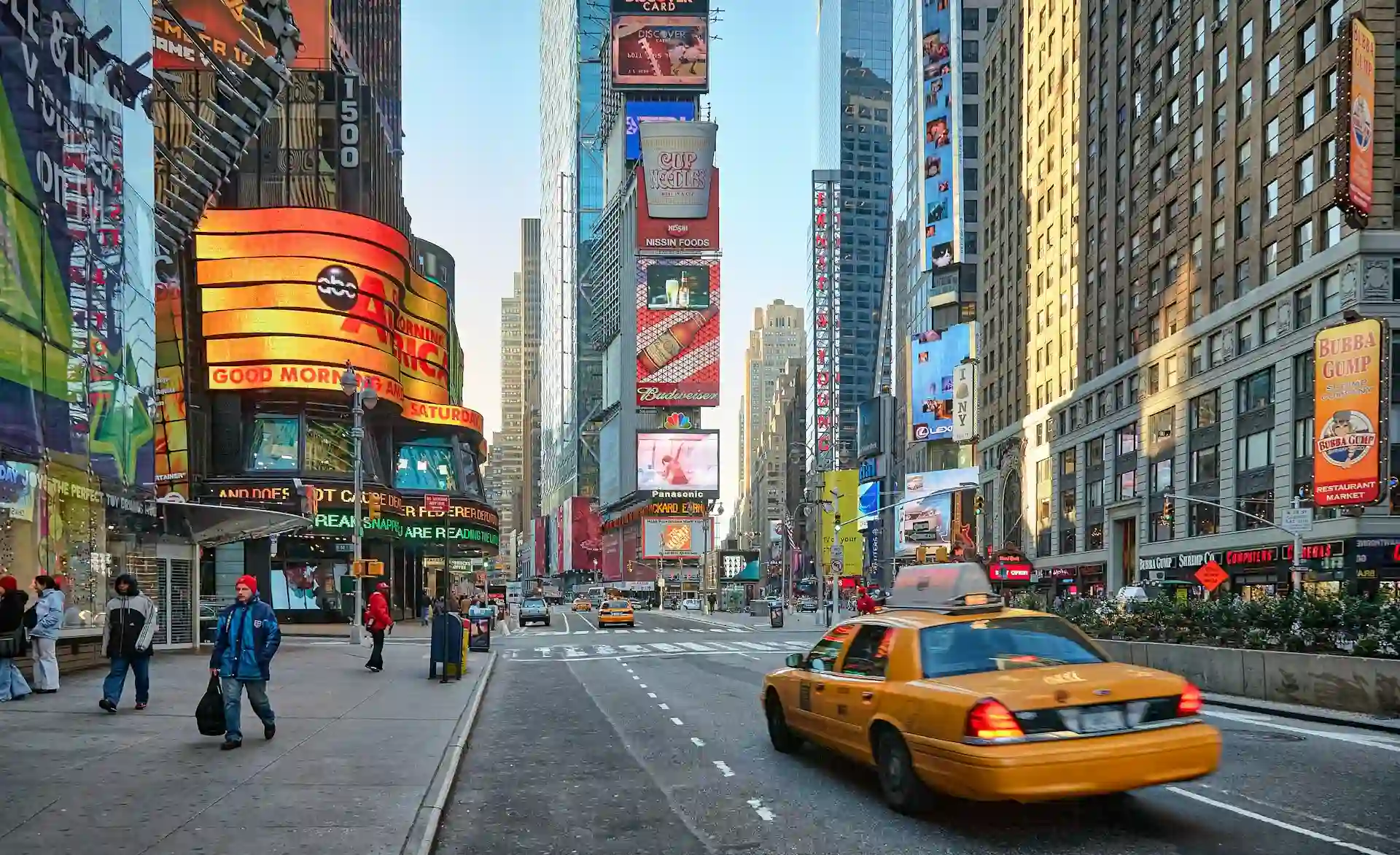
New York’s subway is a very efficient way to get around the city. It goes to almost all major tourist spots and has the benefit of getting travelers out of traffic.
Helpful transportation tips:
- Buy a 3-day pass if traveling for multiple days.
- Download offline subway maps.
- Avoid peak rush hours when possible.
- On weekends expect to take longer routes.
- Secure personal items at the busy stations.
Between neighboring sites of interest, walking between nearby attractions reveals hidden cafes, local shops, and neighborhood architecture that many travelers may not see.
Visiting New York During Different Seasons
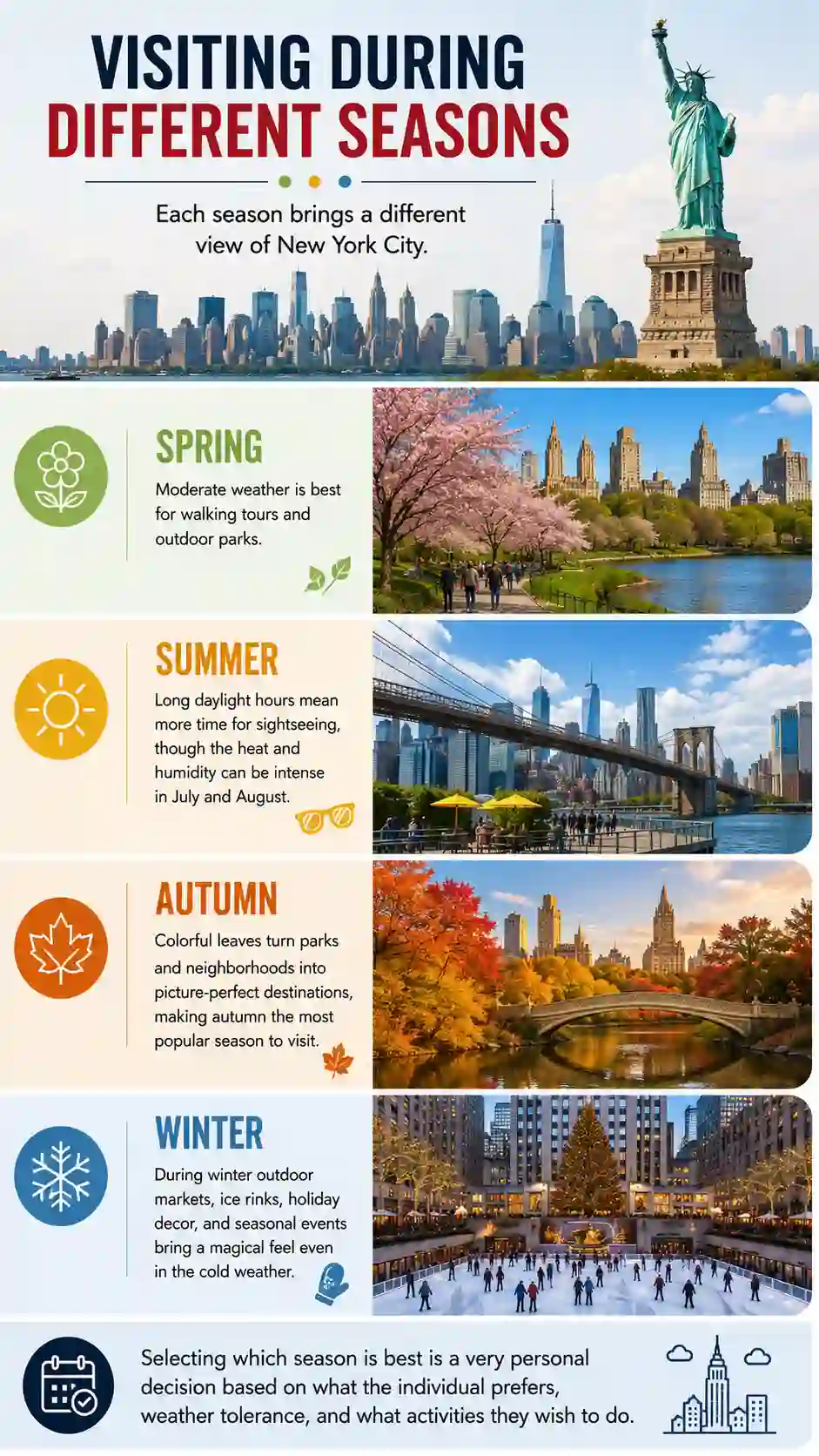
Each season brings a different view of New York City.
Spring
Moderate weather is best for walking tours and outdoor parks.
Summer
Long daylight hours mean more time for sightseeing, though the heat and humidity can be intense in July and August.
Autumn
Colorful leaves turn parks and neighborhoods into picture-perfect destinations, making autumn the most popular season to visit.
Winter
During winter outdoor markets, ice rinks, holiday decor, and seasonal events bring a magical feel even in the cold weather.
Selecting which season is best is a very personal decision based on what the individual prefers, weather tolerance, and what activities they wish to do.
Practical Tips for First-Time Visitors Visiting New York
In large cities preparation is key.
Practical travel habits worth building:
- Wear comfortable walking shoes.
- Carry a reusable water bottle.
- Keep a portable phone charger.
- Book popular attractions in advance.
- Check the weather reports before leaving each day.
- Use digital maps for navigation.
- Keep emergency contact information accessible.
In a busy travel schedule, small planning details pay off.
Food and Neighborhood Exploration in New York
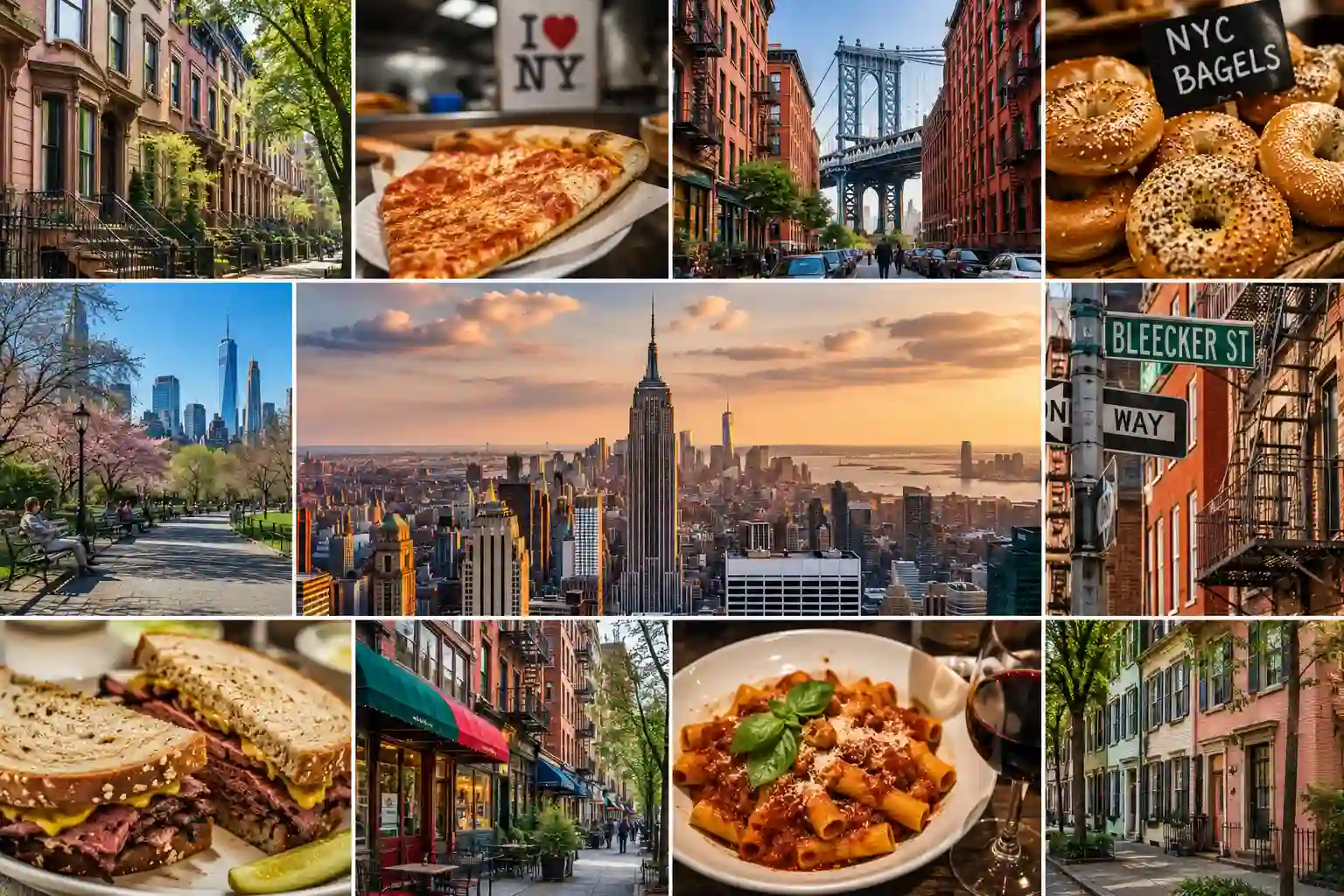
New York’s diverse food scene is a result of its many cultures. Beyond the famous restaurants, the real New York food experience often lives in local bakeries, food markets, pizza joints, international kitchens, and neighborhood cafes that don’t make it onto tourist maps.
Popular neighborhoods to explore:
- SoHo
- Greenwich Village
- Chinatown
- Little Italy
- Chelsea
- Harlem
- Williamsburg
- DUMBO
In each neighborhood visitors will find its own flavor of architecture, history, shopping, and local ambiance, adding distinct character to each part of the city.
Making the Most of Limited Time
Many visitors to New York for a short time pay attention to which sites they see, making thoughtful planning essential. Instead of trying to see everything that is there to see, people do better to choose what sites they are going to visit, which align with their own interests.
Photography enthusiasts go for skylines; at the same time, history lovers may spend more time in museums and historic areas. As for families, they are seen in parks, at interactive museums, and by the water; foodie types will put in the effort to find local restaurants and markets.
Keeping a flexible schedule leaves room for the unexpected, and unplanned moments are often what travelers remember most.
Conclusion
New York rewards travelers who plan ahead but leave room for the unexpected. Comfortable shoes, a structured itinerary built around neighborhoods rather than individual landmarks, smart subway choices, and a few practical decisions before you arrive all add up to a significantly better experience.
From the iconic skyline views to the quiet corners of Brooklyn and the food halls of Chelsea Market, the city has more layers than any single trip can cover. Sorting out the practical details — including where to leave your bags on arrival and departure days — removes the last source of unnecessary friction and lets the city do what it does best: surprise you.”
Frequently Asked Questions
How many days do you need in New York City?
Most first-time visitors benefit from 4–5 days minimum. This gives you enough time to cover Manhattan’s main landmarks, spend at least one day in Brooklyn, and explore neighborhoods at a relaxed pace rather than rushing between sights. A full week allows for day trips, repeat visits to favorite spots, and genuine downtime between activities.
What is the cheapest way to get around New York City?
The subway is the most affordable and efficient option at $2.90 per ride or via an unlimited 7-day MetroCard for $34. It connects virtually every major attraction, runs 24 hours a day, and gets you out of the traffic that regularly slows taxis and rideshares to a crawl during peak hours.
What is the best neighborhood to stay in New York for tourists?
Midtown Manhattan is the most convenient base for first-time visitors — central location, easy subway access, and walking distance from Times Square, Central Park, and the major observation decks. For a more local feel at slightly lower hotel prices, Greenwich Village or the Lower East Side offer excellent dining, nightlife, and subway connections without the tourist density of Midtown.
When is the best time to visit New York City?
Late September through early November is widely considered the sweet spot — comfortable temperatures, spectacular autumn foliage in Central Park, and fewer crowds than summer. Spring (April to early June) is a close second. Summer brings long days and outdoor events but also peak crowds and humidity. Winter offers holiday magic and lower hotel prices but requires cold-weather preparation.
Is New York City safe for tourists?
New York is generally safe for tourists in the main visitor areas — Midtown, Central Park, Brooklyn Bridge area, and most major attractions are well-monitored and heavily trafficked throughout the day and evening. Standard city precautions apply — keep valuables secure, stay aware of your surroundings on the subway, and avoid isolated areas late at night.