What to Wear in Greece: Outfits by Month, Place and Dress Rule

What to wear in Greece depends on the month and the place. From May to October, pack breathable linen and cotton, flat shoes with good grip, a sun hat and one light layer for windy evenings. From November to April, bring jeans, sweaters and a rain jacket. For churches and monasteries, cover your shoulders and knees.
Below you’ll find a month-by-month table, outfit ideas for Athens and the islands, and the rules most packing lists leave out: the heel ban at ancient sites, the Meteora skirt rule, and what the summer wind does to your hat.

What to wear in Greece by month
Greece really has two clothing seasons, not four. From May to October you dress for heat and strong sun. From November to April you dress for mild days, chilly evenings and rain.
The temperatures below are long-term averages for Athens (Hellenic National Meteorological Service). Islands feel a few degrees cooler in summer because of the wind. Thessaloniki and the mountains are much colder in winter.
| Month | Athens avg. high | Sea temp | What to wear | Don’t forget |
|---|---|---|---|---|
| January | 55°F | 57°F | Jeans, sweater, warm jacket | Umbrella |
| February | 56°F | 59°F | Jeans, sweater, rain jacket | Waterproof shoes |
| March | 61°F | 60°F | Light pants, long sleeves, jacket | Scarf for wind |
| April | 68°F | 62°F | Light pants, tees, cardigan | Layer for evenings |
| May | 75°F | 65°F | Linen pants, midi dresses, tees | Light sweater |
| June | 88°F | 73°F | Shorts, sundresses, swimwear | Sun hat |
| July | 93°F | 77°F | Loose linen, light colors | Hat with a chin strap |
| August | 93°F | 79°F | Loose linen, light colors | Water shoes |
| September | 85°F | 77°F | Summer clothes plus one long sleeve | Windbreaker for ferries |
| October | 74°F | 72°F | Light pants, tees, light jacket | Packable rain jacket |
| November | 65°F | 68°F | Jeans, long sleeves, jacket | Umbrella |
| December | 57°F | 61°F | Sweaters, warm jacket | Waterproof shoes |
Air and sea temperatures are rounded averages. Heat waves in July and August can push Athens past 104°F for several days.
Greece in April and May: light layers
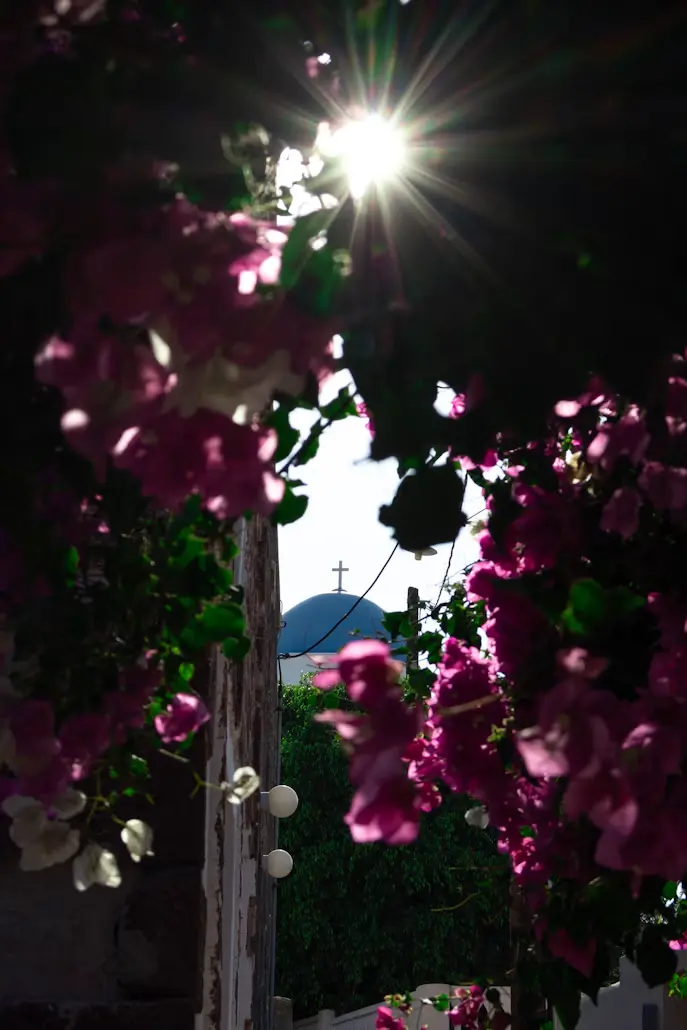
April days are mild, but nights can drop into the 50s. Pack light pants or jeans, a few tees, a cardigan or denim jacket, and closed sneakers. Spring showers are short, so a small umbrella is enough.
Greek Orthodox Easter usually falls in April or early May. In 2027 it lands on May 2. Locals dress up for the late-night Saturday church service, so bring one smart outfit if you’ll be in Greece that weekend.
May is the easiest month to pack for. Linen pants, midi dresses and a light sweater cover almost everything. The sea is still cool, around 66°F, so only bring a swimsuit if cold water doesn’t bother you.
What to wear in Greece in summer (June to August)
June brings real summer heat but pleasant evenings. Shorts, sundresses and tees work every day. Bring one light layer for dinners by the water.
July and August are hot, bright and dry. Wear loose linen and cotton in light colors, and skip polyester, which traps sweat. A long-sleeve shirt with UPF sun protection often feels cooler than bare skin in direct sun.
Two summer extras most guides miss. Ferry lounges, intercity buses and museums blast the air conditioning, so carry a thin layer even in August. And August 15 (the Feast of the Assumption) is a major holiday, when island churches hold services and processions. Keep a top that covers your shoulders in your bag that day.
What to wear in Greece in October
October is late summer at the start and early fall by the end. Early in the month, the sea is still warm enough to swim, around 72°F. Pack summer clothes plus jeans or light trousers, closed shoes and a light jacket.
The first real rains usually arrive in late October, so a packable rain jacket earns its space. If you’re wondering what to wear in Athens in October, think light trousers, a tee, sneakers and a jacket for the evening. October 28 (Ohi Day) is a national holiday with school and military parades, and streets close in big towns.
November to March: jeans, sweaters and a rain shell
Greece in November turns wetter, with Athens highs in the mid-60s. Bring jeans, long sleeves, a waterproof jacket and closed shoes that handle rain. Marble sidewalks get very slippery when wet, so shoes with rubber tread matter more than in summer.
From December to February, days sit in the 50s and nights in the 40s. Many Greek homes and small hotels have weak heating, so pack layers you can wear indoors too. For Thessaloniki, Meteora or mountain villages, bring a real winter coat and warm boots, since snow is possible.
Dress code in Greece: the rules that can get you turned away
Greece has no national dress code. Still, a few places enforce real rules, and most packing lists skip them. Knowing these saves you from being stopped at a gate.
High heels are banned at ancient sites
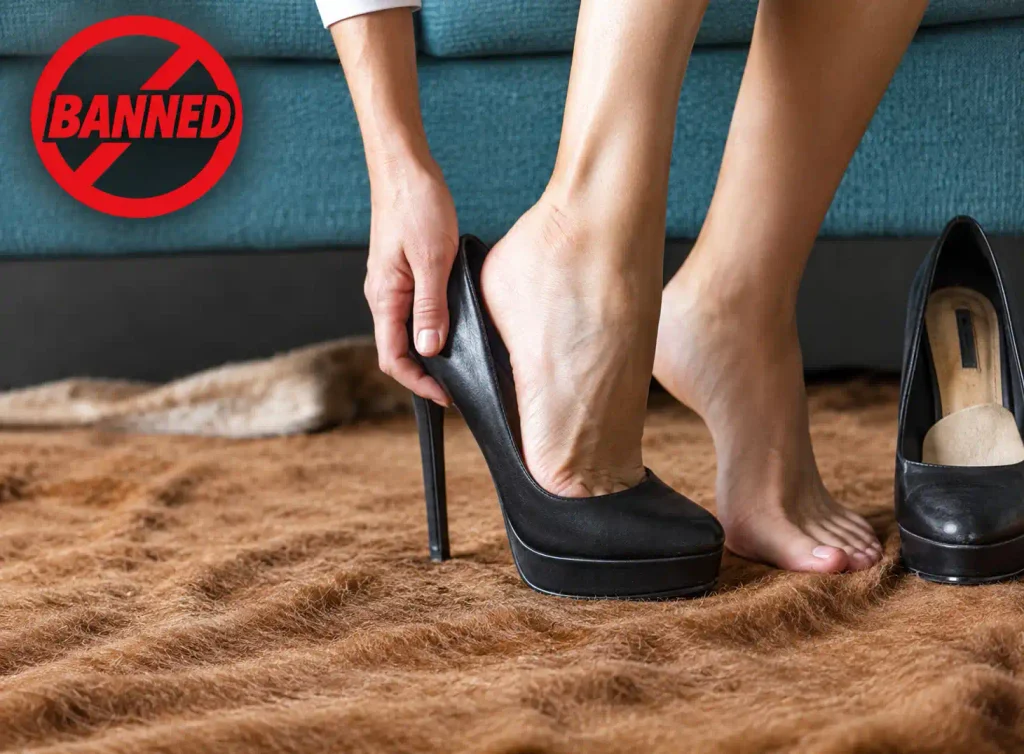
Since 2009, high heels have not been allowed at the Acropolis and other ancient sites, because thin heels damage old marble (Hellenic Ministry of Culture). Reported fines reach €900, about $975. Guards can also simply refuse you entry.
The bigger problem is grip. Millions of visitors have polished the Acropolis path and steps smooth, and they are slippery even when dry. Wear sneakers or sandals with rubber tread. Leather soles and worn flip-flops slide.
Churches and monasteries follow different rules
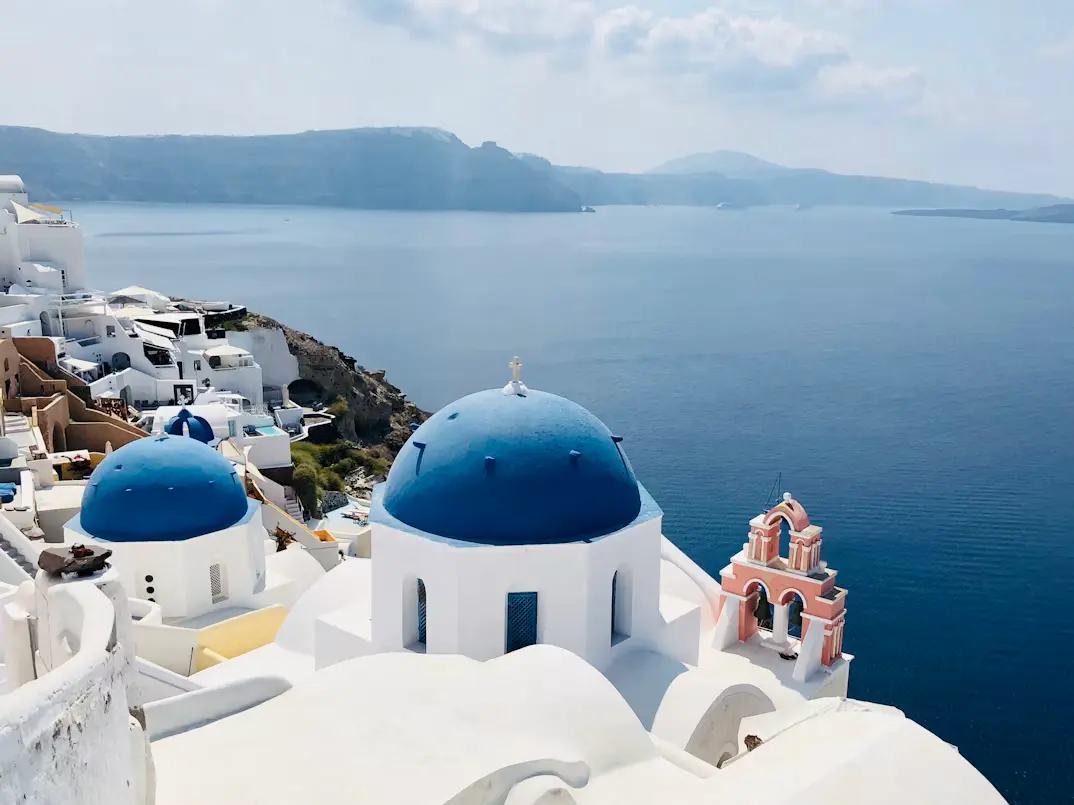
In an ordinary Greek church, covered shoulders and no beachwear is enough. Women can wear trousers, and no head covering is needed.
Monasteries are stricter. At the Meteora monasteries, everyone covers their shoulders, men wear long trousers, and women wear a skirt below the knee, with trousers not accepted (Discover Greece). Larger monasteries usually lend wrap skirts to women at the door. Men in shorts are turned away at Meteora because no loaner trousers exist for them there. Island monasteries like Hozoviotissa on Amorgos and Saint John on Patmos expect the same modest dress, though some island locations do keep oversized cover-ups for unprepared male visitors.
Our tip: pack a sarong. It works as a monastery skirt, a beach cover-up and a shoulder wrap. One rule you can’t dress around is Mount Athos, a monastic community where women are not allowed at all.
Swimwear, topless and nude beaches
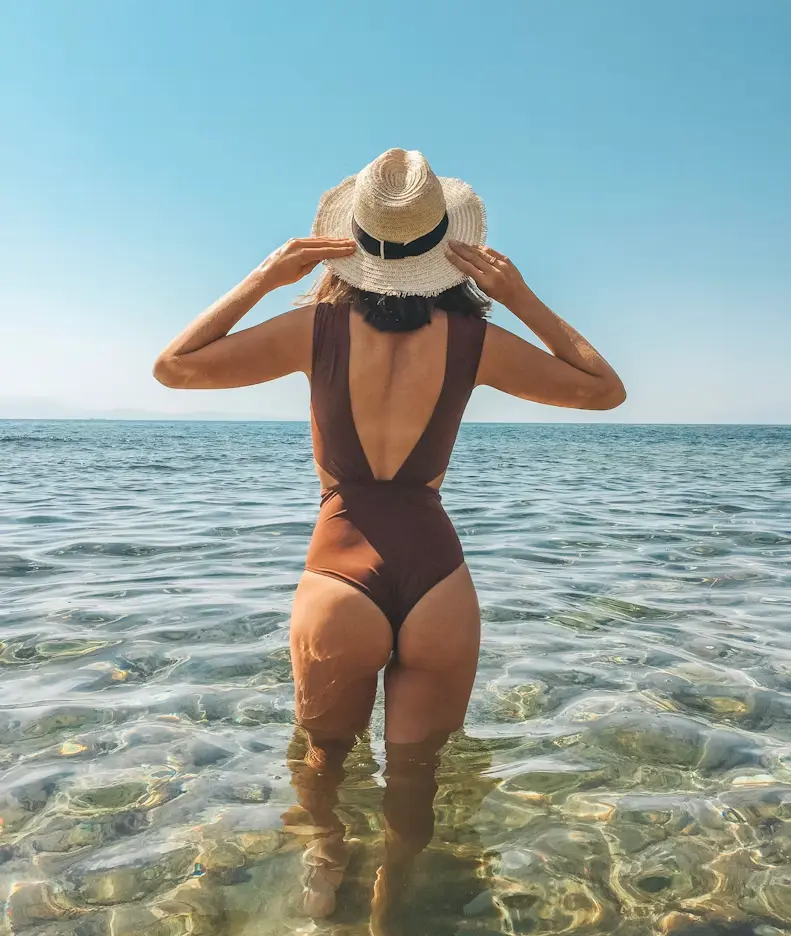
No national law bans swimwear in town, but locals see it as rude. Put on shorts and a top before you walk into a taverna, bakery or supermarket. Men should wear a shirt off the beach too.
Under Greek law, full nudity is only legal on officially designated naturist beaches (Greek Law 1399/1983). Topless sunbathing is common and widely tolerated on island beaches, though less so on family beaches or in front of tavernas. Read the beach. If no one else is topless, stay covered.
Heat waves can change your plans and your outfit
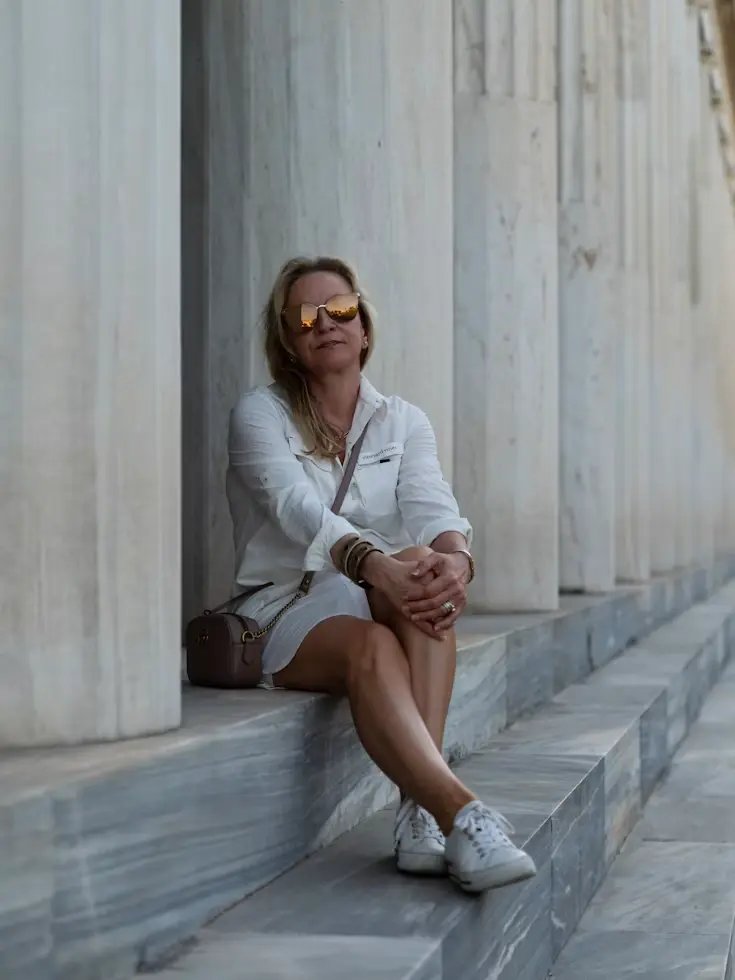
During July 2025 heat waves, the Acropolis closed during the hottest midday hours on several days (Hellenic Ministry of Culture). There is almost no shade on the hill. Plan ancient sites for opening time, and dress for sun rather than for photos: a wide hat, sunglasses, UPF long sleeves and a refillable water bottle.
What do Greeks wear? How locals dress today
Greeks dress neat and casual. Greece clothing style today looks a lot like a well-dressed US city: fitted jeans or chinos, clean white sneakers, plain tees or button-down shirts, and good sunglasses. Logo tees, gym wear and baseball caps stand out as tourist clothes.
Men in Athens often wear long trousers even in July. Shorts are mostly for the beach and the islands. What do women wear in Greece? Midi dresses, wide-leg linen trousers, flat leather sandals, a small crossbody bag and gold jewelry are everywhere.
Evenings are the big difference. Dinner starts after 9 p.m., and people change before going out for the evening walk (the volta) along the seafront. Beach clothes at 10 p.m. will make you look out of place.
Black clothing is fine for visitors and very common in Athens at night. In rural villages, older women dressed fully in black are usually in mourning. Traditional costume only appears at festivals and on the March 25 and October 28 parades. The Evzones guards at Parliament wear it daily.
What to wear in Athens
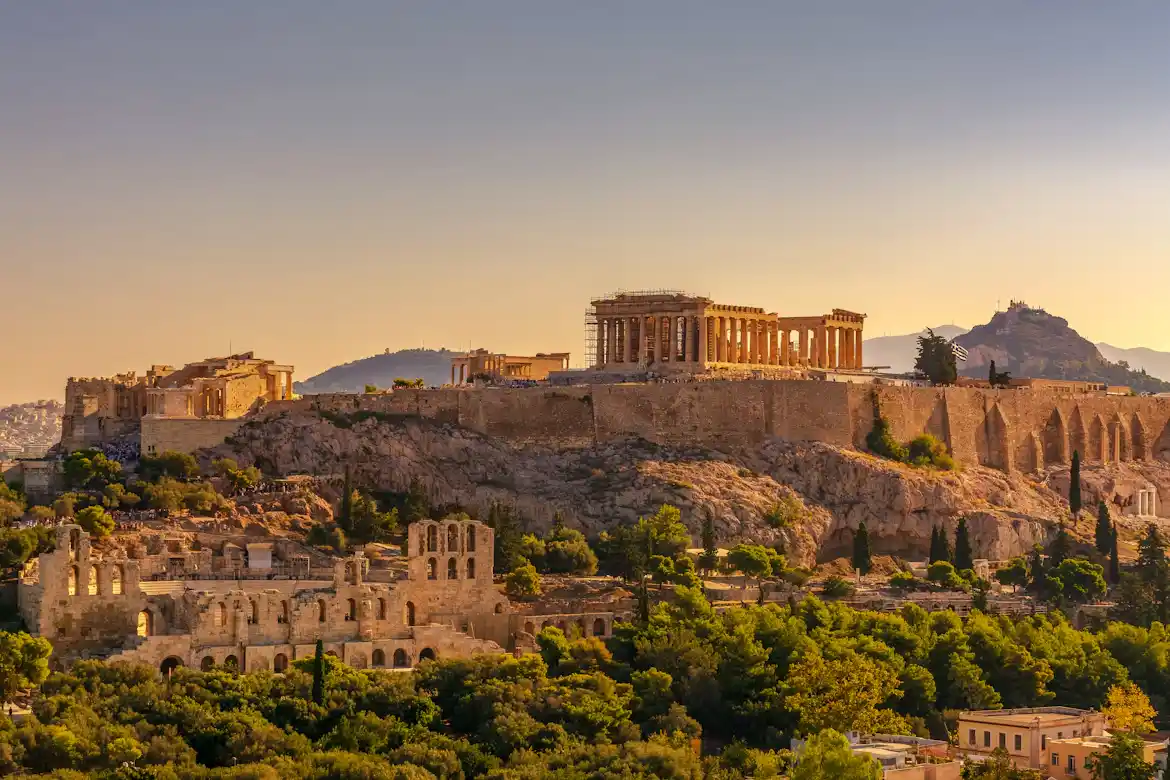
Athens is a city first and a beach town second. Pack city clothes, not resort clothes.
For the Acropolis, go at opening time in a breathable tee or UPF shirt, shorts or light trousers, grippy sneakers, a hat and sunglasses. Plaka and Monastiraki have uneven sidewalks, broken marble and steep lanes, so keep the sneakers on for the whole day.
At night, neighborhoods like Koukaki, Psyrri and the rooftop bars near Syntagma call for one step up. For men that means long pants and a shirt. Women can’t go wrong with a dress or jumpsuit and flat or low sandals.
Here’s a smart move: buy a pair of handmade leather sandals in Plaka or Monastiraki, which typically run from $40 to $85 for ready-made styles, or up to $215 for custom-fitted designs. Buy them near the end of your trip, though. New leather straps cause blisters on long walking days.
Greek island attire: Cyclades, Crete and the Ionian
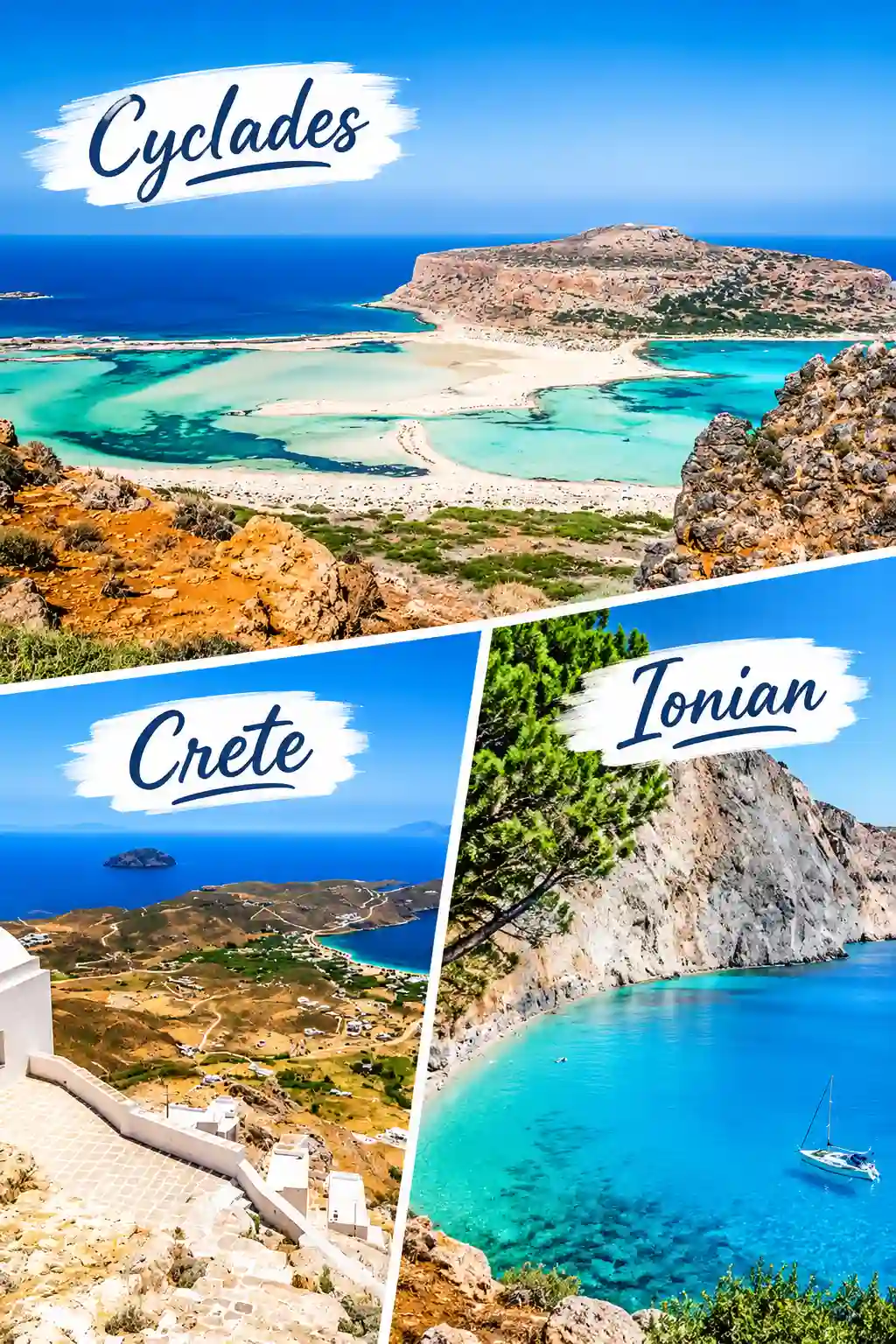
Islands are more relaxed than Athens, but each group asks for something different. If you’re still choosing where to go, our guide to the best Greek islands to visit compares them by season and cost.
Cyclades: Santorini, Mykonos, Paros and Naxos
From July to early September, the meltemi wind blows hard across the Cyclades. It flips short, flowy skirts and steals sun hats. Choose midi skirts in heavier fabric, shorts, and a hat with a chin strap or a cap. On ferry decks it can feel 10°F cooler, so carry a windbreaker.
Santorini is all steps, with few flat paths, so sneakers beat sandals there. The black sand at Perissa and Kamari gets hot enough to burn bare feet by midday in summer. Wear sandals down to the waterline.
Mykonos is the dressiest island after dark. Linen shirts, sleek dresses and resort wear fit in at beach clubs and in Little Venice. On rocky beaches across the Cyclades, water shoes protect you from sea urchins.
Crete
Crete is big, with beaches on the coast and cool mountain villages inland. Bring a sweater for mountain drives even in June. The Samaria Gorge is a rocky riverbed hike, so wear real hiking shoes with ankle support, not sneakers or sandals.
Ionian Islands: Corfu, Kefalonia and Zakynthos
The Ionian is greener and more humid than the Aegean, with more mosquitoes at night. Light long trousers help at dinner. Spring and fall also bring more rain here, so pack a rain jacket in May and October.
Hydra and other car-free islands
Hydra has no cars, only stone lanes and stepped streets. Leave the heels at home and pack light, because you’ll carry your bag up steps or pay a porter.
Mainland trips: Meteora, Delphi and Thessaloniki
Delphi sits on a mountainside, and the path up to the ancient stadium is steep and stony. It is also cooler and windier than Athens, so bring a layer from October to May.
Meteora mornings can be chilly even in late spring, and the walking trails between monasteries are steep. Wear trail-ready shoes and pack the skirt or long trousers you’ll need inside.
Thessaloniki is Greece’s most fashion-conscious city. Think dark denim, leather jackets and ankle boots in fall and winter.
What not to wear in Greece
- High heels at ancient sites. They are banned, and they slip on marble anyway.
- Swimwear off the beach. Cover up for shops, tavernas and town streets.
- Smooth-soled shoes. Polished marble paths and steps turn slippery fast.
- Shorts or sleeveless tops at monasteries. You’ll be refused entry.
- Heavy denim in July and August. It isn’t banned. It’s just miserable in 95°F heat.
- Brand-new shoes. Greece means a lot of walking on uneven stone.
- Long, light maxi skirts on ferry decks. The wind will win.
- Flip-flops for hikes. Gorges and island trails are rocky and loose.
Outfits to wear in Greece: five easy formulas
Mix and match from these five outfits instead of planning a new look for every day.
- Sightseeing day: linen shirt or tee, shorts or wide-leg trousers, grippy sneakers, sun hat, crossbody bag.
- Beach day: swimsuit, cover-up (a shirt dress or sarong), water shoes, rubber sandals.
- Island dinner: midi dress, or a linen shirt with chinos, plus flat leather sandals and a light layer.
- Ferry day: comfortable pants, a tee, windbreaker and sneakers for the ramps and stairs.
- Church or monastery day: below-the-knee skirt or long trousers, shoulders covered, sarong in your bag.
For dresses to wear to Greece, pick midi lengths in linen or cotton, in solid light colors or small prints. Save maxi dresses for calm evenings unless the fabric is heavy enough to stay down.
A photo tip: white and blue blend into Cycladic walls. Bold colors like red, yellow or emerald stand out against them. If you want cute outfits that pop in photos, bring one bright piece.

A 7-day Greece packing list that fits in a carry-on
Packing light pays off in Greece. You’ll drag bags over cobblestones, up steps and across ferry ramps. Basic domestic plane fares often include only a small cabin bag, around 17.6 lb (8 kg).
Clothes
- 4 tops: 2 linen or cotton tees, 1 linen shirt, 1 long-sleeve UPF shirt
- 2 bottoms: shorts plus light trousers or a midi skirt
- 1 to 2 dresses, or 1 smart dinner outfit
- 2 swimsuits, so one can dry
- 1 sarong (beach cover-up, monastery skirt and shoulder wrap)
- 1 light sweater and 1 windbreaker
Shoes
- Broken-in walking sneakers with rubber tread
- Flat sandals for evenings
- Water shoes for rocky beaches
Extras
- Sun hat with a chin strap, sunglasses, SPF 30 or higher sunscreen
- Small crossbody bag and a refillable water bottle
Laundry makes a short list work. Wash-and-fold shops on most islands charge roughly $16 to $38 per load depending on the service, many rentals have a washer, and clothes dry in about an hour in the summer sun. Pack for five days, even on a ten-day trip.
Before you pack: four things to check
- Your month in the table above, plus the 10-day forecast for heat wave alerts.
- Any monastery on your plan. If you’re visiting Meteora, women need a skirt below the knee and men need long trousers.
- Your domestic flight bag allowance. Basic fares on small island planes can be strict.
- Your shoes. Wear them for a week at home before you fly.
Once your outfits are sorted, the next step is picking your islands and timing your ferries. For more trips across the continent, browse our Europe travel guides.
How we researched this guide: we used Hellenic Ministry of Culture notices, Hellenic National Meteorological Service climate data, Greek law on naturist beaches and published monastery visitor rules, and we flagged every fine, price and temperature for re-checking.
People Also Ask
Can you wear shorts in Greece?
Yes. Shorts are normal on islands, at beaches and in Athens during summer. Greek men in cities tend to wear long trousers, so shorts mark you as a visitor, but nobody minds. The only places that refuse shorts are churches and monasteries, where you need covered knees.
Are jeans OK to wear in Greece?
Yes. Greeks wear dark, fitted jeans for most of the year, and they look right in Athens and Thessaloniki. From late June to early September, heavy denim feels very hot, so switch to linen or lightweight denim. Jeans are ideal from October to May, especially for cool evenings.
Do you have to cover your shoulders in Greece?
Only in churches and monasteries. Everywhere else, tank tops and sleeveless dresses are normal in summer. Carry a scarf or sarong in your bag, because you may pass a small chapel or monastery you want to enter. Monasteries also require covered knees.
Can you wear flip-flops in Greece?
Yes, for beaches, pools and short walks in town. Avoid them at the Acropolis, on Santorini’s steps and on island hikes. Polished marble and steep stone paths get slippery, and thin flip-flops give no grip. A pair of flat sandals with rubber soles is the safer choice.
Is it OK to go topless on Greek beaches?
Topless sunbathing is widely tolerated on Greek island beaches, though it is technically allowed only on designated naturist beaches. It is less accepted on family beaches and near tavernas. Watch what others are doing. Full nudity should stay on beaches known as naturist spots.
What colors should you wear in Greece?
No colors are off-limits. Light colors like white, beige and pale blue keep you cooler in summer sun. Bold colors such as red or yellow stand out nicely against white island walls in photos. Black is popular in Athens at night but feels hot in daylight.
Do you need a jacket in Greece in summer?
A light one, yes. Ferry decks can feel about 10°F cooler because of the wind, and air conditioning on buses and ferries runs cold. Mountain villages on Crete also cool off at night. A thin windbreaker or sweater is enough. Leave heavy coats at home until November.
How many outfits should I pack for 10 days in Greece?
Pack about five daytime outfits and two evening outfits for 10 days. Laundry service is easy to find on most islands, and clothes dry fast in summer heat. Focus on pieces that mix and match, and bring two swimsuits so one is always dry.