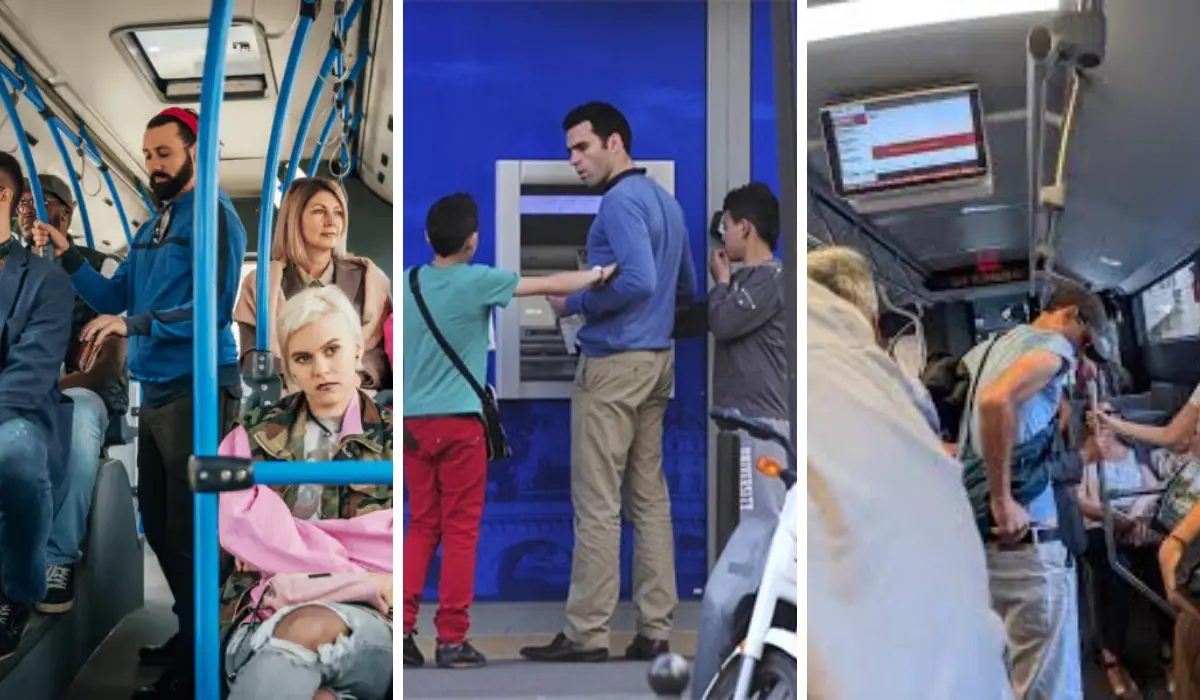
Pickpocket-Proofing in Europe Exposed: Sneaky Scams and How to Beat Them on Your Trip

Pickpocket-proofing in Europe becomes real the moment you land in a crowded metro station and feel someone brush too close. After more than a decade of traveling across the continent, from late-night metro rides in Paris to summer rush hours around Barcelona’s La Sagrada Familia,
I’ve watched how quickly things can go wrong if you are not prepared. If you are wondering how to avoid pickpockets in Europe, the truth is simple. You need awareness, the right gear, and an understanding of how thieves operate in the most visited cities on the continent.
Europe records millions of pickpocket cases every year. Italy alone sees around 463 incidents per million residents, and France sits at roughly 283. The numbers spike in July and August when American tourists, Chinese group travelers, and study abroad students crowd the metros and city squares.
I remember speaking with a police officer near the Colosseum who said they sometimes catch the same offenders several times a month. Most visitors never even feel the moment their wallet disappears.
Over the years, I have worked with local guides in Barcelona, walked night patrols with tourism police in Prague for a story I was writing, and joined awareness tours run by safety volunteers in Paris. The techniques change but the goal stays the same. Thieves look for distracted tourists, people with luggage, drunk travelers, or anyone checking maps on their phones.
This guide brings together everything I have learned from real moments on the ground. You will see how scams work, where theft rates spike, and which anti-theft bag or RFID wallet actually helps. And by the time you reach the end, you will know how to use pickpocket-proofing in Europe with confidence and keep your trip stress-free.
The Reality of Pickpocket-Proofing in Europe: Statistics and Hotspots
How Common Is Pickpocketing in Europe?
I learned early in my travels that pickpocketing here is far more organized than most visitors expect. Italy leads Europe with around 463 thefts per million people.
France sits at 283. Spain and the Czech Republic follow close behind. Summers are always the peak season. July afternoons around the Trevi Fountain feel like a magnet for thieves who count on crowded walkways and distracted tourists holding ice creams, cameras, and phones.
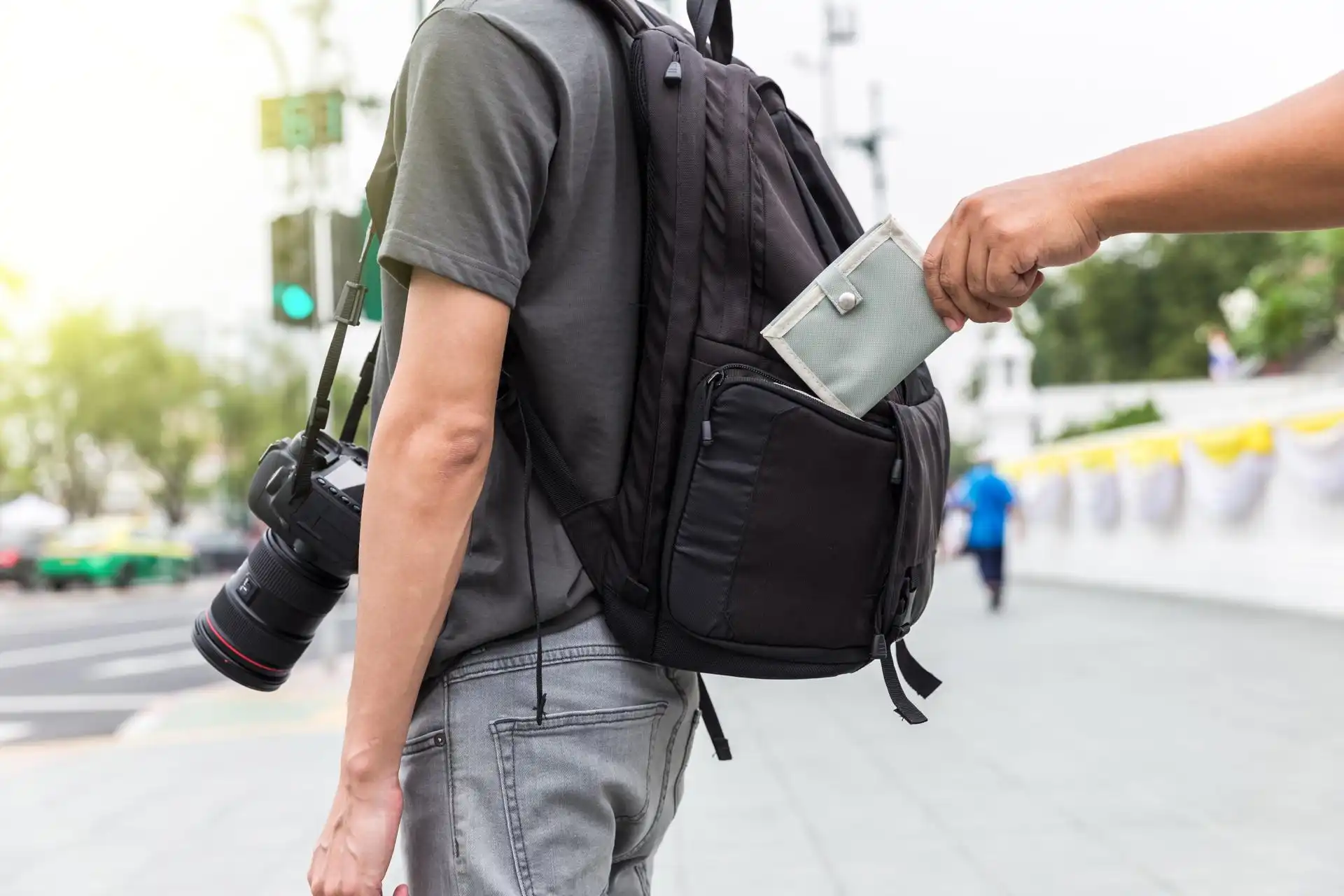
There are clear patterns. Evenings around metro stations tend to be riskier. Transferring between lines in Paris Châtelet or rushing through Rome Termini increases your chances of meeting someone who knows exactly how to blend in. It is not violent crime, but sleight of hand perfected over decades.
When I compare this to other places I have lived, the difference is sharp. New York and San Francisco have their own street theft problems, but European pickpockets rely more on teamwork and distraction. It reminds me of the quick-hand tricks I once saw in Hanoi’s Old Quarter and the subtle shoulder bumps used in Buenos Aires Microcentro. The method changes, but the calm confidence is the same.
Top 10 European Cities Where Pickpockets Operate
After years of documenting incidents for travel publications and interviewing local officers, these ten cities stand out consistently:
- Barcelona
- Paris
- Rome
- Prague
- Amsterdam
- Florence
- Madrid
- Athens
- Lisbon
- London
Each city has its own hotspots. Barcelona’s metro, La Rambla, and the beaches are notorious. Paris sees theft around the Eiffel Tower, Louvre, Montmartre, and busy metro lines. Rome struggles around Trevi Fountain, Termini Station, and the Colosseum paths.
Tourist volume drives most of this. These cities welcome millions of visitors, and thieves know the patterns. They wait near train stations, escalators, ticket machines, and even quiet corners of popular museums.
Who Are Pickpockets? Understanding Your Adversary
Most travelers imagine a suspicious character lurking in the shadows. Reality is different. Many pickpockets look like regular commuters. Some are teenagers working in small groups. I’ve seen children as young as ten lifting wallets near Charles Bridge in Prague while an adult watched from a distance.
Organized teams operate around Barcelona metro lines. And in Paris, I’ve watched charity clipboard scammers targeting Asian and American tourists with rehearsed greetings.
Their targets are predictable. People with luggage. Drunk tourists leaving bars. Solo travelers checking Google Maps. Study abroad students distracted in stations. Tour groups pausing for photos. If your attention slips, even for a moment, someone nearby is ready to take advantage.
Where Pickpockets Strike: High-Risk Locations
Tourist Attractions and Hotspots
Every time I return to Europe’s major landmarks, I notice the same pattern. Thieves work the choke points. At the Eiffel Tower, they wait near photo spots. Around the Trevi Fountain, they position themselves close to the steps.
On Charles Bridge in Prague, they slip through slow-moving crowds. La Sagrada Familia and the Louvre see similar issues. These attractions pull in huge crowds every day, which gives thieves cover. When people bunch together, even a simple brush of an arm can hide a wallet lift.
Public Transportation Dangers
The metro is the biggest risk in almost every major European city. I have been pushed, crowded, and boxed in more times than I can count. Barcelona’s L3 line, Paris Line 1, and Rome’s A line are the most notorious.
Escalators are common attack points too. Someone stands behind you while an accomplice blocks the top. Turnstiles and ticket machines create easy distractions. Buses and packed trams offer the same risks. The moment the doors open or close, thieves strike.
Other Common Areas
Pickpockets also work restaurants and cafes, especially spots with outdoor seating. Leaving your phone on a table is an invitation. Beaches in Barcelona are another huge risk.
Bags left on towels disappear quickly. Markets and busy shopping streets draw thieves looking for unguarded backpacks. Museums give a false sense of safety, but crowded halls make it easy for someone to get close. ATMs are another favorite, especially when tourists struggle with language or machine instructions.
15+ Pickpocket Scams and Tactics Used in Europe
Distraction Methods and Team Coordination
After years riding metros from Paris to Prague, I’ve seen thieves use distraction as their strongest tool. The bump and lift is the classic move. Someone bumps your shoulder, another hand slides into your pocket. It takes less than two seconds.
The metro rush technique is common on Barcelona’s L3 line. A group surges into the carriage, creates a moment of chaos, lifts valuables, then steps off right before the doors close.
Escalator backup is another tactic I watched in Prague’s Muzeum Station. A person stands close behind you while an accomplice blocks the top. You stop, hesitate, and the person behind you slips a hand into your bag. Turnstile stall works the same way. Someone pretends to struggle with the gate so you slow down. That pause is all they need.
ATMs create ideal confusion. A helpful stranger appears out of nowhere, pointing at the screen, touching buttons, or offering assistance. Meanwhile, someone else focuses on your wallet.
The map distraction scam is common in older city centers. A large paper map covers your view. The hand underneath is what you should worry about.
Fake fights are staged in busy squares. People look up, not down at their bag.
Street performances can hide coordinated teams. One person entertains while two others scout bags. I once tracked a group near the Cologne Cathedral using this method for over an hour.
Bag slashers target backpacks in tight crowds. A clean cut with a razor removes the bottom of your pack. You only notice once your belongings are gone.
Common Scams to Watch For
The charity clipboard scam is everywhere. Paris, Rome, Barcelona, Athens. Someone approaches you with a form and a pen. Their partner uses the clipboard to cover your pockets.
The bird mess scam is another. A stranger sprays liquid on you and pretends you stepped into bird droppings. While cleaning you, they lift your belongings.
Phone table grabs happen fast. Someone walks past your café table, places a paper menu or postcard over your phone, then leaves with both. The helpful tourist scam starts with a kind smile. They offer directions or metro tips. Your guard drops and that is all they need.
The gold ring scam is common around the Seine. Someone pretends to find a ring and demands payment. Forced gift scams target families. Someone ties a bracelet on your wrist, then pressures you to pay. Bag slash incidents rise during summer festivals. A thief slices the bottom of your backpack while another distracts you with conversation.
Case Studies of Real Incidents
I still think about a Barcelona metro case I documented for a travel safety report. A traveler boarded Line 1 during evening rush. A group crowded him from three sides. One bumped his backpack, one held the pole in front, and a third lifted his wallet. The traveler only noticed when he reached for his hotel key card.
Another case happened under the Eiffel Tower. A group of clipboard scammers targeted Chinese tourists waiting in line. They worked in rotation, one distracting, one grabbing, one passing the item to a runner. Police moved them away, but they returned an hour later.
In Prague, a friend of mine was targeted on an escalator near Mustek Station. Someone blocked her at the top. The person behind reached into her bag. She felt the tug and reacted quickly enough to turn around, which made them retreat. Without that awareness, she would have lost her phone.
How to Avoid Pickpockets: Behavioral Strategies
Building Situational Awareness and Vigilance
I learned long ago that the best pickpocket-proofing in Europe starts with your behavior. Awareness is everything. Whenever I enter a metro station, I pause for a moment and observe the people around me. Confident posture helps. Thieves prefer distracted tourists, not someone standing tall and alert.
Avoid heavy drinking in public places, especially in Madrid or Amsterdam nightlife districts. Drunk tourists are easy targets. Keep your bag closed at all times. If someone stands too close for too long, step aside. Trust your instincts. Most victims sense something off right before the theft happens.
Strategies for Walking and Phone Usage
Phones are the new number one target. I have watched thieves grab them from café tables in Rome and from distracted travelers crossing streets in Athens. Never leave your phone on a table. Keep it in a front pocket or a zippered compartment.
Walk with purpose. Slow, hesitant walking signals that you are unfamiliar with the area. When using Google Maps, step aside and stand with your back against a wall. It reduces blind spots. In crowded festivals or markets, carry your bag in front. This advice appears often in “how to avoid pickpockets in Europe reddit” conversations, and for good reason.
Group vs. Solo Traveler Tactics
Groups have natural protection. Friends can watch each other’s bags, especially in metros or markets. Rotate who stands on the outside of the group. Keep an eye on luggage, especially when boarding trains.
Solo travelers need extra caution. I’ve traveled alone across Italy, Spain, and the Netherlands many times. The trick is staying aware without looking tense.
Keep valuables secured and avoid opening your wallet in public spaces. In high-risk cities like Barcelona or Paris, I always switch to a smaller anti-theft bag when walking long distances.
Best Anti-Theft Bags for Europe Travel (Pacsafe vs Travelon)
Key Features of Anti-Theft Bags
After testing dozens of bags over the years, I always look for a few key features. Slash-proof materials prevent razor cuts. Locking zippers stop quick openings. RFID blocking adds protection for cards. Cut-proof straps help in crowded spaces where thieves yank bags off shoulders.
Crossbody bags work well for most travelers. Backpacks are fine if they have locking zippers. Fanny packs or bum bags can be useful on metros. I recommend bags with secret compartments for passports and emergency cash. These features matter when dealing with the best pickpocket-proofing in Europe.
Pacsafe Bags Detailed Review
Pacsafe is the brand I trust most for travel safety in Europe. The Metrosafe LS100 is one I used across Barcelona’s metro for two weeks. The steel mesh built into the fabric survived a slash attempt during a crowded transfer. The Citysafe line is great for urban travel. Every zipper locks. The straps are reinforced. And the bags balance weight well.
Here is a quick comparison based on my field experience:
| Model | Features | Price Range | Best For |
|---|---|---|---|
| Metrosafe LS100 | Slash-proof, RFID blocking, locking zippers | Mid | Daily city walks |
| Citysafe CX | Larger size, hidden pockets | Mid | Long sightseeing days |
| Venturesafe | Extra secure straps | High | Backpack-style travel |
Pacsafe bags cost more than some travelers expect, but they work. I have used them in Barcelona, Rome, Paris, and Amsterdam without a single successful theft.
Travelon and Other Options
Travelon bags are reliable and more affordable. I often suggest them for study abroad students or backpackers. Their locking zippers and cable locks are simple but effective. Crossbody designs keep everything close to your body. Some models include carabiners for extra security on trains.
Compared to Pacsafe, Travelon feels lighter and easier to carry for long days. They are not as slash-resistant, but still solid for most European trips. For travelers on a budget, Travelon remains one of the best anti-theft bag choices.
Money Belts and Hidden Pockets: What Actually Works
Types of Money Belts and Usage
After traveling through more than forty countries, I can say money belts still work when used correctly. They are not meant for constant access. They are for storage. Four main types appear most in Europe:
• Slim waist money belts worn under clothing
• Neck pouches for passports and emergency cash
• Security socks with hidden compartments
• Arm cuffs with zip pockets
Waist belts are the most practical. I used one through Rome’s metro during a week-long assignment and never felt it dig into my skin. Neck pouches work well under jackets, especially in cooler months around Prague or Amsterdam. Arm cuffs are good for runners or people who prefer light packing.
Do money belts really work? Yes, if you do not treat them as regular wallets. Keep your daily spending cash elsewhere. Your money belt should hold backup cards, emergency euros, and your passport.
Hidden Pockets and Alternatives
Hidden pockets are smart additions. I’ve used sew-in pockets inside jeans, hidden pocket scarves on colder trips, and underwear with built-in compartments. Each works depending on your clothing and season.
Layering helps. For example:
• Daily cash in a front pocket
• Backup cards in a hidden pocket
• Passport in a neck pouch
• Emergency funds in your hotel safe
These setups stop even coordinated teams using tactics like the bump and lift or the map distraction scam. Hidden pockets also help travelers searching for long-term security, especially those following “how to avoid pickpockets in Europe reddit” threads.
Pickpocket-Proof Clothing and Accessories
Clothing with Built-In Security
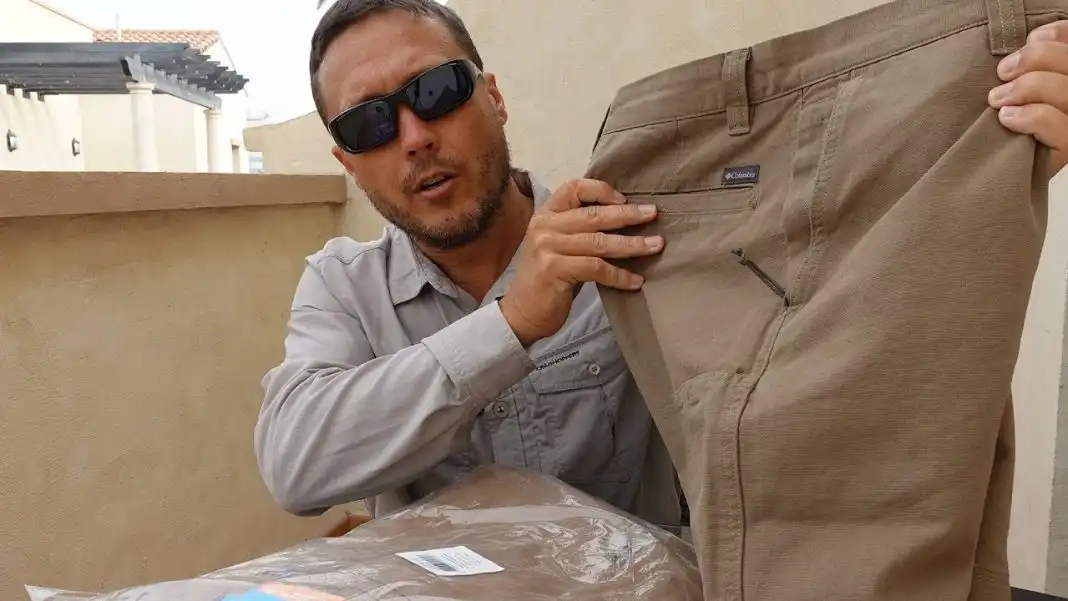
Some destinations require more than a regular outfit. I learned this during several summers in Barcelona and during a project in Paris. Pickpocket-proof clothing works best when you move through crowded metros or tourist attractions like Charles Bridge or Trevi Fountain.
Reliable brands include:
• Bluffworks pants with hidden zip pockets
• SCOTTeVEST jackets with interior compartments
• Clever Travel Companion shirts
• North Face and Columbia travel pants
• Helly Hansen outerwear
These clothes hide valuables without looking obvious. Pickpocket-proof pants help when backpacks are risky. Jackets with interior pockets secure phones and passports. On cooler evenings in Amsterdam or Florence, a zipped inner pocket can replace an anti-theft bag entirely.
Accessories for Extra Protection
A few accessories make a big difference. A dummy wallet is something I always carry in busy areas. It distracts thieves if they reach for your pocket. Front pocket wallets also reduce grab risks. Slim wallets fit easily in hidden pockets or tight compartments inside Pacsafe or Travelon bags.
Other helpful accessories include:
• Carabiners to secure zippers
• Cable locks for backpacks
• RFID blocking wallets for metro tickets and cards
These small tools support the larger system of pickpocket-proofing in Europe that every traveler should follow.
Smart Money Management to Minimize Theft Risk
Splitting Cash and Cards
One of the best ways to reduce risk is simple money distribution. Never keep cash and cards in one place. I learned this during a long research trip across Italy. A traveler in our group lost everything because he kept all his cards in a single wallet.
Use this split system:
• Daily cash in a small front wallet
• Backup cards in a money belt
• Extra euros in your hotel safe
• Emergency funds in a hidden pocket
This setup limits your losses even if someone uses the bump and lift or bag slash tactic.
Digital and RFID Protection
Digital wallets are becoming useful across Europe. Apple Pay and Google Pay work in most major cities. They reduce the need to open your physical wallet in public spaces like ATMs or ticket machines.
RFID protection helps avoid digital theft. Many modern anti-theft bags include RFID layers. If not, carry an RFID blocking wallet. It stops unauthorized scans, especially in places with crowded metro queues.
Budget Tiers for Security
Some travelers think pickpocket prevention is expensive. It does not have to be. Here is a simple cost breakdown:
• Free methods: Clothing layers, front pockets, awareness
• Under $50: Slim wallets, hidden pockets, basic neck pouch
• $50 to $150: Travelon anti-theft bag, RFID wallet, cable locks
• $150+ : Pacsafe bags, pickpocket-proof clothing
Each tier helps with pickpocket-proofing in Europe. Choose based on your travel style, destination, and length of stay.
Protecting Your Phone, Passport, and Electronics
Securing Valuables in Accommodations
Over the years, I’ve stayed in everything from boutique hotels in Paris to small pensions in Florence. The rule that never changes is simple. Do not carry everything every day. Hotel safes work well for passports, backup cards, and extra cash. If the safe looks unreliable, wrap your valuables and place them deep inside your luggage with a simple cable lock. It discourages quick grabs from opportunistic staff or other guests.
If you plan to move around a lot, consider leaving unnecessary electronics behind. Tablets, extra lenses, or secondary phones only increase risk.
For longer trips, I keep digital copies of my passport, insurance, and bookings stored in the cloud. It helps when dealing with embassy staff or filling out reports after theft.
On-the-Go Protection
Phones are the top target in Europe now. I’ve watched thieves swipe them off restaurant tables in Athens and from distracted travelers on trams in Amsterdam. Keep your phone in a zipped pocket. When you take photos near places like Charles Bridge or the Eiffel Tower, hold the phone tightly. Thieves often grab devices from your hand during selfie moments.
For passports, use hidden pockets or neck pouches. Never carry your passport in your backpack during day trips. Cameras need protection too. I use short straps that keep them close to my chest. Keep jewelry minimal and avoid anything flashy in crowded nightlife areas.
What to Do If You Get Pickpocketed in Europe
Immediate Steps After Theft
If a thief manages to get your wallet or phone, act fast. Contact the local police immediately. Even if the chance of recovery is low, a police report helps with embassy procedures and travel insurance claims.
Freeze your cards through your banking app or by calling your bank. I’ve seen travelers wait too long, and the thieves used the cards within minutes.
If you need translation help, use hotel staff or translation apps. Many police stations in major cities like Barcelona, Paris, and Rome have English-speaking staff available during the day.
Long-Term Recovery
Embassy support becomes your lifeline if your passport is stolen. At the U.S. Embassy in Paris, the process was surprisingly fast when I accompanied a traveler who lost everything near the Louvre. Bring photocopies or digital copies of your passport if you have them.
Travel insurance helps with emergency funds and lost items. Companies like Travel Guard usually respond quickly when you submit a police report. If your phone is gone, borrow a device from your hotel or fellow travelers until you get a replacement. Always keep emergency cash separate so you can still move between cities if needed.
City-Specific Tips: Barcelona, Paris, Rome & More
Avoiding Pickpockets in Barcelona
Barcelona remains the city where I’ve personally seen the highest number of theft attempts. The metro is the main danger, especially around L1 and L3 lines. Beaches like Barceloneta attract bag snatchers who watch for tourists leaving belongings on towels. Around La Sagrada Familia, teams use bump and lift tactics. Keep your anti-theft bag in front and use locking zippers. If you search for “how to avoid pickpockets in Europe Barcelona,” most locals will tell you the same advice.
Staying Safe from Pickpockets in Paris
Paris has different patterns. Around the Eiffel Tower and Louvre, the charity clipboard scam is widespread. Teams distract Chinese and American tourists with forms while a partner scans pockets. On the metro, Line 1 and Line 4 see the most incidents. Keep your phone hidden while boarding, especially during busy hours. At Montmartre and around Sacré-Cœur, forced gift scams target couples and families.
Rome Pickpocket Hotspots to Avoid
Rome’s biggest problem is crowd density. Trevi Fountain is always full, even during late evenings. While documenting behavior there, I counted four pickpocket attempts in less than an hour.
The Colosseum area attracts bag slashers and map distraction teams. Rome Termini Station has some of the highest theft rates in Italy. Use a crossbody anti-theft bag, stay close to your belongings, and avoid showing your wallet in public.
Prague and Other Cities
Prague is more subtle. Charles Bridge sees pickpockets blending with tourists who stop for photos. Metro escalators are another hotspot due to the long ride up. Thieves use escalator backup tactics. In Amsterdam, bikes create chaos and distraction. Thieves grab phones from hands or open unzipped backpacks in busy streets.
Florence sees most incidents around the Duomo and Ponte Vecchio. Madrid has issues along Gran Vía and in crowded tapas bars. Athens is known for theft around Omonia Square and metro stations. Lisbon’s trams, especially Tram 28, attract pickpockets who use bump and lift techniques. London sees more bag grabs on public transport during rush hours.
Anti-Theft Travel Gear: Product Recommendations
Best Gear by Category
After years moving through metros, ferry terminals, and packed city squares, I’ve tested almost every type of anti-theft travel gear on the market. Certain items consistently reduce risk.
For bags, Pacsafe and Travelon stay at the top. Their slash-proof materials, locking zippers, and cut-resistant straps make a real difference in places like Barcelona, Rome, and Paris. I’ve used a Pacsafe Metrosafe in crowded lines near the Louvre and never felt nervous about razor threats.
Pickpocket-proof clothing also helps. Bluffworks pants, SCOTTeVEST jackets, and Clever Travel Companion shirts offer secure pockets for passports, cash, and phones.
For accessories, slim RFID wallets, dummy wallets, and cable locks provide extra layers of protection. These items support your overall pickpocket-proofing in Europe setup, especially when you travel through hotspots like Charles Bridge or the Trevi Fountain area.
Cost-Benefit Analysis
Travelers sometimes hesitate to invest in safety gear, but a small cost upfront can save hundreds later. Based on my experience, here is a simple effectiveness overview:
| Category | Effectiveness | Cost Level | Notes |
|---|---|---|---|
| Pacsafe Bags | Very High | High | Best for metros and crowded attractions |
| Travelon Bags | High | Medium | Great value for study abroad students |
| Pickpocket-Proof Clothing | High | Medium | Good for long-term travelers |
| RFID Wallets | Medium | Low | Blocks unauthorized scans |
| Dummy Wallet | Medium | Low | Useful in high-risk areas |
| Cable Locks | Medium | Low | Secures backpacks in transit |
Pacsafe offers the strongest defense, especially in cities with high pickpocket statistics like Barcelona or Paris. Travelon gives solid protection at a lower price. Clothing and accessories fill the gaps depending on your travel style.
Additional Resources and Checklists
Pre-Departure Checklist
Before heading to Europe, make sure your setup covers the essentials. Pack at least one anti-theft bag, an RFID blocking wallet, and a hidden pocket item such as a money belt or neck pouch. Make digital backups of your passport, insurance details, and bookings. Study the high-risk areas of the cities you plan to visit. A little preparation helps you avoid pickpockets in Europe more effectively.
Daily Checklist
Small habits matter. Each morning, split your cash. Keep backup cards hidden. Lock zippers with a carabiner. Place your phone in a front zipper pocket. Check your surroundings before stepping into metros, escalators, or ticket machine areas. These routines take seconds but reduce your risk across the continent.
Post-Theft Checklist
If something goes wrong, follow these steps:
• Freeze your cards
• File a police report
• Visit your embassy if your passport is gone
• Contact your travel insurance provider
• Secure emergency funds
• Change all important passwords
Most travelers recover quickly when they act fast and remain calm.
Extras
I often share a quick vulnerability quiz with my tour groups. It helps people understand their weak spots and adjust their habits before entering crowded areas. Pair this guide with city-specific articles and deeper breakdowns of scams in Europe for complete protection.
Final Thoughts
After spending years moving through Europe’s busiest metros, crowded festivals, narrow medieval streets, and major landmarks, one thing stays constant. Pickpockets depend on distraction, confidence, and routine. Travelers who prepare well and stay aware rarely become victims.
The methods in this guide come from real moments, from watching teams operate near La Sagrada Familia to speaking with officers in Prague and observing summer crowds around the Trevi Fountain.
Good pickpocket-proofing in Europe is not about fear. It is about smart habits. Carry the right anti-theft bag. Keep your phone secured. Use hidden pockets. Learn the common scams so you can recognize them instantly. When you understand how thieves work, their tricks lose most of their power.
Europe remains one of the best places in the world to explore. You can enjoy every museum, market, and metro ride with confidence when you build a simple routine. Stay aware in crowded spaces. Protect your valuables with intention. Move through each city with the same mindset locals use every day.
With these strategies, you will see the continent the way it should be experienced, without stress holding you back. Safe, prepared, and fully present for the moments that matter.
FAQs About Pickpockets in Europe
How do you spot a pickpocket in Europe?
Watch for lingering behavior, constant scanning, unnecessary crowding, or people who appear to “accidentally” bump into you. Teams often move in coordinated patterns.
What do pickpockets target most?
Phones, wallets, passports, and small electronics. Phones are the number one target now.
Should you wear your backpack in front in Europe?
Yes, in crowded metros, markets, and tourist attractions. It protects against bag slash and quick zipper openings.
Are pickpockets dangerous in Europe?
Most are not violent. They focus on speed and distraction, not confrontation.
How should you carry money safely in Europe?
Split your cash. Keep daily money in a small wallet and backup funds in a money belt or hidden pocket.
What is the safest way to carry cash in Europe?
Use a mix of hidden pockets and small front wallets. Avoid pulling out large amounts in public.
How do you protect your phone from pickpockets?
Keep it in a zippered pocket or anti-theft bag. Never leave it on café tables or open backpacks.
What is the safest bag for Europe travel?
Pacsafe crossbody bags offer the strongest protection, especially in metro-heavy cities.
How common is pickpocketing in Europe?
It’s extremely common in top cities like Barcelona, Paris, Rome, and Prague, especially during summer.
Where do pickpockets operate most?
Tourist attractions, metros, beaches, markets, busy squares, escalators, and ATMs.
How do pickpockets work in teams?
One causes a distraction, another grabs the item, and a third runs with it. The roles rotate.
What are the signs someone is targeting you?
Crowding, watching your hands, staying too close, or trying to divert your attention.
Do money belts really work?
Yes. They protect backup cash and passports when used correctly under clothing.