How to Start Flight Training in South Florida?

If you live anywhere between Miami and Fort Lauderdale, learning to fly is far more practical than it looks online. South Florida gives you something most parts of the U.S. cannot. Reliable weather. Busy airspace. And a dense cluster of flight schools close to home.
Choosing a solid flight school Pembroke Pines means you can train close to home while still enjoying classic South Florida views—Keys‑blue water to the south, downtown skylines to the east, and Everglades stretching out to the west.
Airports like North Perry in Pembroke Pines put you right in the middle of general aviation activity. You train in real conditions, talk to real air traffic controllers, and fly routes pilots actually use. Add more than 300 flyable days a year and short lesson blocks that fit around work, and How to Start Flight Training in South Florida stops being a big life change and starts feeling like a weekly habit you build.
Understanding Your Flight Training Goals
Before you call a flight school or book a discovery flight, you need one thing clear. Your goal. Everything else flows from that decision.
Most students fall into one of three paths:
• You want to try flying once and see how it feels
• You want a private pilot license for personal travel
• You want aviation as a career
If you only want the experience, a discovery flight is enough. If your goal is a private pilot license, you are looking at consistent training, ground study, and a few months of commitment. If your goal is airlines or commercial flying, you will need a longer-term plan that includes instrument, commercial, and instructor ratings.
Your goal affects:
• How often you need to fly each week
• Which flight school fits you best
• Whether Part 61 or Part 141 training makes sense
• Your realistic budget and timeline
Many students in South Florida start as hobby pilots and change direction later. That is normal. The key is to start with a clear short-term goal so your early training stays focused and efficient.
First Steps to Start Flight Training in South Florida
Once your goal is clear, the process becomes straightforward. South Florida flight schools follow a similar onboarding path, whether you train near Miami, Fort Lauderdale, or Pembroke Pines.
Start with these steps, in this order:
- Research local flight schools
Look for schools near your home or job. Short drives matter more than fancy marketing. Check training aircraft, instructor availability, and student reviews. - Visit schools in person
Walking the ramp tells you more than a website. You see aircraft condition, instructor interaction, and how busy the school actually is. - Book a discovery flight
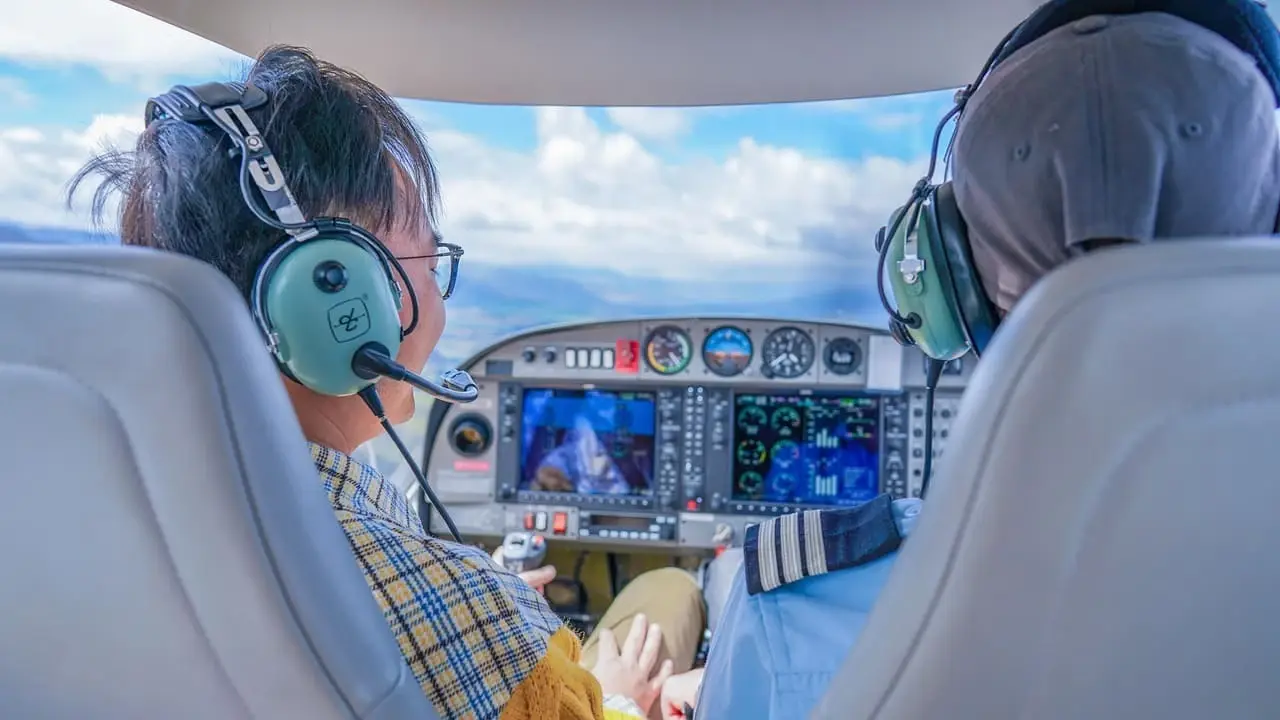
This is your real first lesson. You fly for 30 to 60 minutes with an instructor, handle the controls, and see if the environment fits you. Prices usually fall between 150 and 250 USD in South Florida. - Schedule a consultation
A good school will sit down with you and explain training structure, costs, and scheduling expectations. This is where Part 61 versus Part 141 is usually discussed. - Apply for an FAA medical certificate
You need at least a third-class medical before solo flight if you plan to earn a private pilot license. Many students complete this early to avoid delays. - Apply for a student pilot certificate
This is done online through IACRA. Your flight school or instructor usually helps with the process.
At this stage, do not rush into packages or long-term payments. Focus on consistency first. Flying two to three times per week matters more than anything else when starting flight training in South Florida.
Choosing the Right Flight School in South Florida
South Florida has no shortage of flight schools. That is a good problem, but only if you know how to choose. The right school keeps you progressing. The wrong one slows you down and costs more over time.
Start with location. A school close to home or work wins almost every time. Short drives make it easier to fly two or three times per week, which directly affects how fast you finish.
Next, understand the training structure.
• Part 61 schools offer flexible schedules and pacing. This works well for students with full-time jobs.
• Part 141 schools follow an FAA-approved syllabus with stricter timelines. These often appeal to career-focused students.
Neither option is better by default. What matters is instructor availability and aircraft access. A modern, well-maintained fleet with enough airplanes prevents schedule gaps. Ask how often aircraft go down for maintenance and how backups are handled.
Instructor consistency matters more than people expect. Training with one instructor helps you progress faster and avoids repeating lessons. Ask about instructor turnover and average student load.
Also check:
• FAA approvals and local reputation
• Simulator access for weather and instrument prep
• Ground school support, online or in person
• Student reviews from people training at your airport
If you are training near North Perry Airport, choosing one solid flight school in Pembroke Pines and staying there is one of the easiest ways to control both cost and timeline.
What Day-to-Day Flight Training Looks Like
Flight training in South Florida follows a predictable rhythm. That structure is what makes progress measurable.
A typical lesson lasts about 1.5 to 2 hours total.
• 20 to 30 minutes of ground briefing
• About 1 hour in the aircraft
• A short post-flight debrief
Early lessons focus on basic aircraft control. You practice takeoffs, landings, and pattern work. Most training stays west of the field at first, where the Everglades give you open airspace and fewer distractions.
As skills build, lessons expand.
• Maneuvers at higher altitudes
• Navigation along the coastline
• Communication with Miami Approach
• Flying near controlled and busy airspace
This environment forces you to learn radio work, weather judgment, and traffic awareness early. These are skills pilots in quieter regions often learn much later.
Training aircraft are usually Cessna 172s or similar trainers. They are simple, forgiving, and ideal for building confidence. Each lesson ends with clear feedback so you know exactly what to fix next time, which keeps progress steady.
Flight Training Requirements and Eligibility
Flight training in the U.S. has clear requirements. Knowing them early prevents surprises later.
For a private pilot license, you must meet the following:
• Minimum age of 17
• Ability to read, speak, write, and understand English
• FAA third-class medical certificate or higher
• Student pilot certificate
• Minimum of 40 flight hours, though most students need more
• Passing scores on FAA knowledge and practical exams
Medical certificates come in three classes. Most private pilots need only a third-class medical. Career pilots eventually require first or second class medicals, depending on their path.
If you are not a U.S. citizen, additional steps apply.
• TSA background approval
• Passport and visa documentation
• Possible M-1 or F-1 student visa for full-time programs
Your flight school usually guides you through these steps. The key is to start paperwork early so training momentum does not stall.
South Florida schools handle international and local students every day, so the process is routine as long as you plan ahead.
Costs of Flight Training in South Florida
Cost is the question everyone asks, and the answer depends on consistency more than talent. In South Florida, a realistic budget for a private pilot license usually falls between 12,000 and 18,000 USD.
Here is where that money goes:
• Aircraft rental, typically billed hourly
• Instructor time, billed separately or bundled
• Fuel, which is usually included in rental rates
• FAA written exam and checkride fees
• Books, charts, and online ground school
• Medical exam and paperwork costs
Hourly rates vary by airport and aircraft type, but many schools around Miami and Pembroke Pines land in similar ranges. Package deals can look attractive, but they only work if you fly often. If you train once every few weeks, prepaid hours tend to expire or get wasted.
Financing options exist.
• Monthly payment plans
• Scholarships for career-track students
• Aviation-specific student loans
The most common cost mistake is stretching lessons too far apart. Skills fade quickly. Relearning maneuvers adds hours, and hours add cost. Flying two or three times per week almost always costs less overall, even though it feels faster and more intense.
How Long Flight Training Takes?
The FAA minimum for a private pilot license is 40 hours. In the real world, most students finish closer to 55 to 70 hours, especially in busy airspace like South Florida.
Timeline depends on frequency.
• Two to three flights per week: about 4 to 8 months
• One flight per week or less: often a year or longer
Weather in South Florida helps more than people realize. With more than 300 flyable days a year, cancellations are rare compared to other regions. That consistency allows momentum, which shortens total training time.
Career programs move faster but require structure. Accelerated paths demand near-daily flying and study. Hobby pilots usually progress at a steadier pace that fits around work and family.
The biggest variable is scheduling discipline. Students who treat training like an appointment, not a hobby, finish sooner and spend less.
Common Beginner Mistakes to Avoid
Most new pilots struggle for the same reasons. The good news is that they are easy to avoid.
The most common mistakes include:
• Flying too infrequently
• Switching instructors or schools mid-training
• Delaying the FAA written exam
• Skipping ground study between lessons
• Underestimating total budget
Waiting until the end to take the written exam is especially costly. Knowledge gaps slow flight lessons and increase instructor time. Passing the exam early lets flight time focus on skills, not theory.
Another mistake is chasing the cheapest hourly rate. A slightly higher rate with better scheduling and instructor availability often costs less overall.
Consistency beats everything. Same instructor. Same school. Same weekly schedule. That pattern keeps training smooth and predictable.
Why South Florida Is Ideal for Flight Training
South Florida gives student pilots advantages that are hard to match elsewhere in the U.S. The biggest one is weather. With more than 300 flyable days each year, training stays consistent. Fewer cancellations mean fewer relearning sessions and lower total cost.
The airspace also works in your favor. Training near Miami, Fort Lauderdale, and Palm Beach puts you in busy, controlled environments from day one. You learn radio communication, traffic awareness, and airspace management early. These skills translate directly to real-world flying and future ratings.
Geography adds variety.
• Coastal routes along the Atlantic
• Inland practice over the Everglades
• Short cross-country flights between multiple airports
You also train alongside a large aviation community. Instructors, students, mechanics, and career pilots move through the same airports daily. That exposure builds confidence and creates connections, especially for students considering professional paths.
For many pilots, South Florida becomes a long-term training base rather than a temporary stop.
What Happens After You Earn Your First License
Earning a private pilot license changes how you move around Florida. Airports you once drove past become destinations. One-hour flights replace long highway trips.
Most new pilots start by:
• Renting aircraft from their home school
• Flying friends or family on short trips
• Practicing landings at nearby airports
• Building confidence in varied weather
From there, you can add ratings. An instrument rating expands when and where you can fly. Commercial and instructor certificates open doors to paid flying and hour building.
Many pilots build time as instructors at the same schools where they trained. Others fly for business, personal travel, or weekend escapes. Even without a career goal, your license becomes a practical tool, not a novelty.
Training does not stop after the check ride. It evolves with your needs and comfort level.
Conclusion: Turning “Someday” Into a Real Schedule
If you live in the Miami to Fort Lauderdale corridor, starting flight training is far more accessible than it seems. Schools are close. Weather is reliable. Lessons fit into real schedules.
The biggest step is not money or talent. It is committing to consistency. A discovery flight becomes a lesson. Lessons become a routine. That routine turns hours into a license.
Choosing one flight school in Pembroke Pines or nearby and sticking with it keeps training simple and affordable. Over time, the cockpit stops feeling unfamiliar and starts feeling normal.
Once that happens, South Florida stops being traffic and coastline below you. It becomes a launch point.
Frequently Asked Questions
How long does it usually take to get a private pilot license in South Florida?
Most students flying two or three times per week finish in four to eight months. Training less often usually extends the timeline.
How much should I budget for training at a flight school in Pembroke Pines?
A realistic range is 12,000 to 18,000 USD, including flight time, exams, and materials.
Can I start flight training while working a full-time job?
Yes. Many students train early mornings, evenings, or weekends. Consistency matters more than timing.
Do I need perfect English to train at a South Florida flight school?
You need clear communication skills for radio and instruction, but native-level fluency is not required.
What is the best first step if I am unsure about flying?
Book a discovery flight. It is the fastest way to know if flight training is right for you.