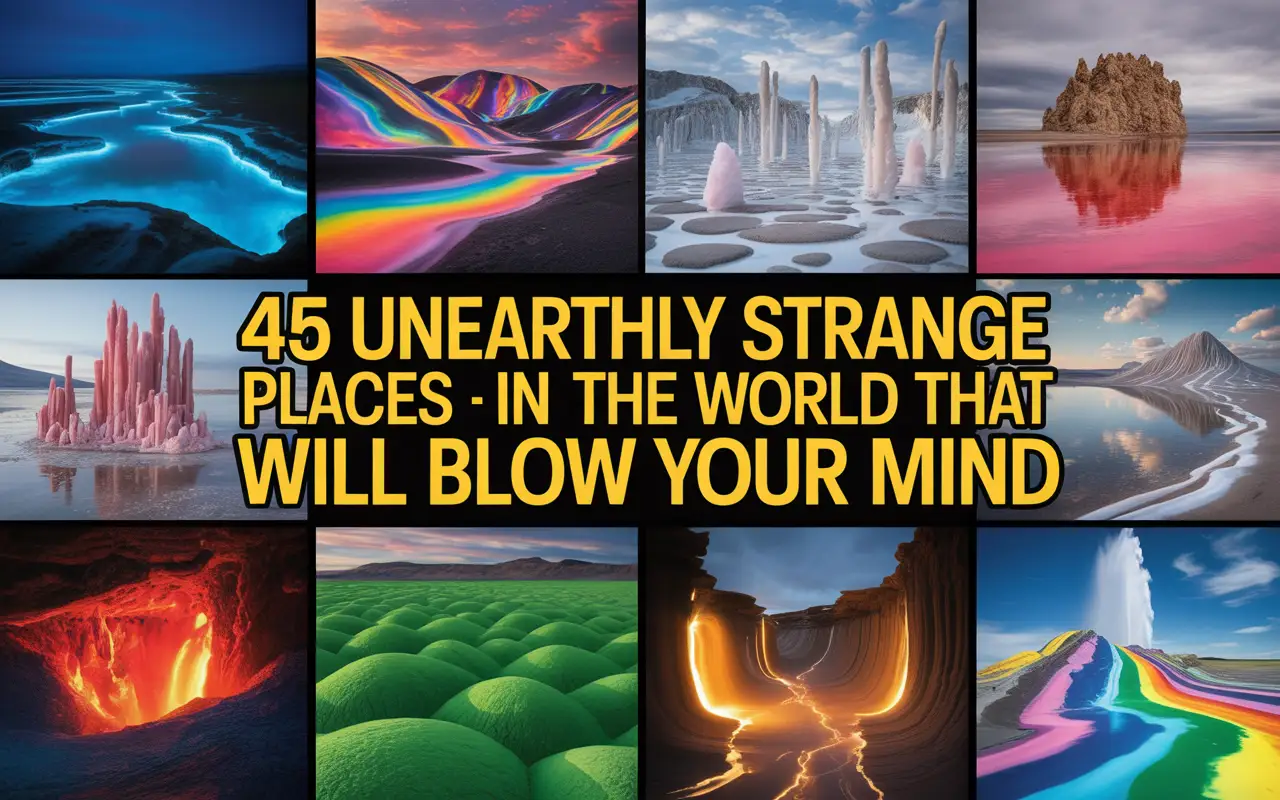
45 unearthly Strange Places in the World That Will Blow Your Mind

You think you’ve seen the world. Then you start looking at the strange places in the world that make no sense at all. These spots challenge what you know about nature, history, and how our planet works. Some feel like science fiction. Others look like an artist painted them by accident. A few hide questions that researchers still cannot fully answer.
This guide brings you forty-five strange places in the world that feel unreal at first glance. You will see natural wonders shaped by minerals, heat, and time.
You will read about unexplained mysteries. You will find abandoned worlds that refuse to disappear. Every place earns its spot for 2025. Your list of places to visit will probably change the moment you finish section one.
strange places in the world & Natural Wonders You Won’t Believe Exist
1. Giant’s Causeway, Northern Ireland
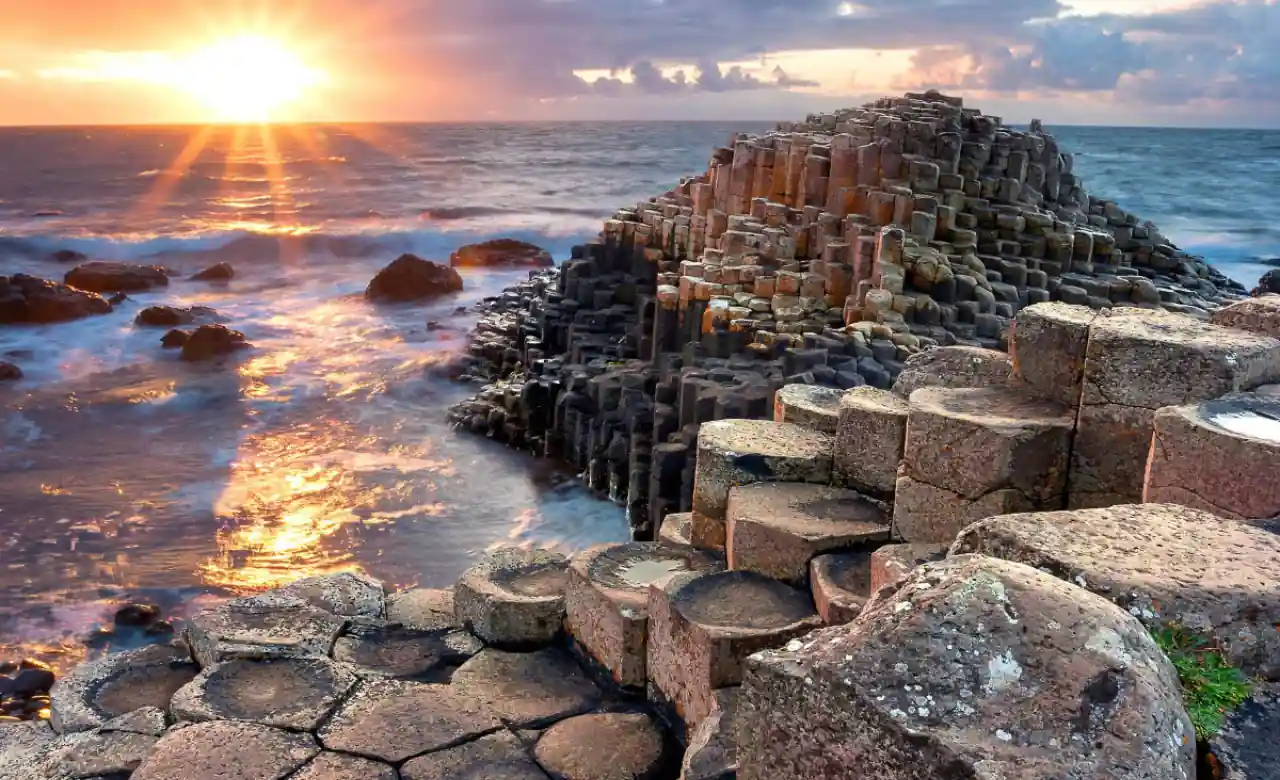
Giant’s Causeway looks engineered, but every stone is natural. More than forty thousand basalt columns rise from the coast. Each one fits neatly beside the next, almost like tiles. Cooling lava created this layout. Over time the rock contracted and cracked into geometric shapes.
The scene inspires legends. Some say a giant built the pathway to Scotland. Others believe the coast hides marks from ancient battles. The cliffs and water add to the atmosphere, especially on cloudy days.
Researchers call the formation one of the top 10 strange places in the world. The pattern appears in many strange places in the world map collections. It is also a strong choice if you want natural wonders shaped by pressure, heat, and time. The entire coastline feels different from anything you expect in Europe.
2. Zhangye Danxia Rainbow Mountains, China
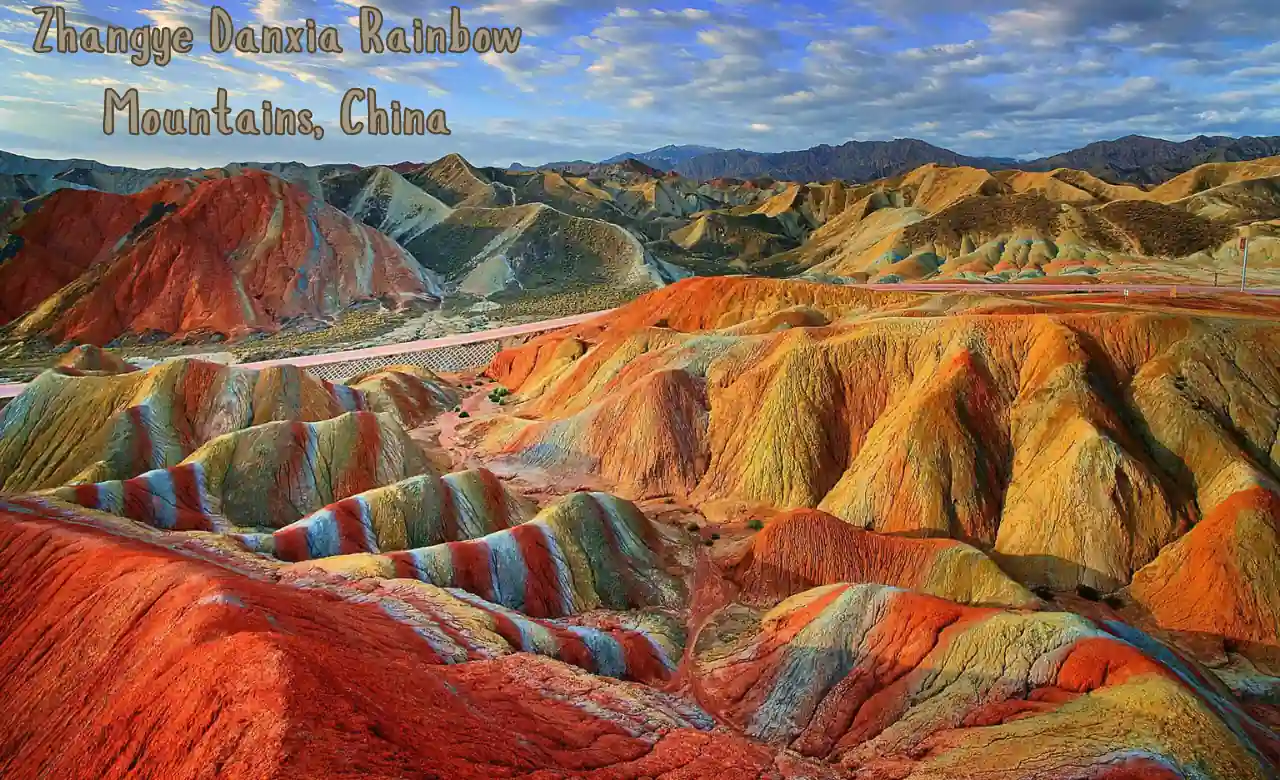
The colors hit you first. Red, green, gold, and purple stretch across rolling hills. Each layer formed as minerals settled and shifted over millions of years. Rain, wind, and sunlight shaped the soft curves. The result feels like a giant painting.
Zhangye Danxia appears in galleries of 7 unique places in the world. The mountains look unreal from every angle. The colors become brighter after rain. They fade slightly during dry seasons. This simple change creates a new scene each month.
Visitors walk along designated platforms to protect the surface. The layered cliffs are fragile. You see the full effect from high viewpoints. These mountains often appear beside the Tianzi Mountains and Zhangjiajie landscapes in lists of strange places in the world to visit.
3. Montaña Arcoíris (Rainbow Mountain), Peru
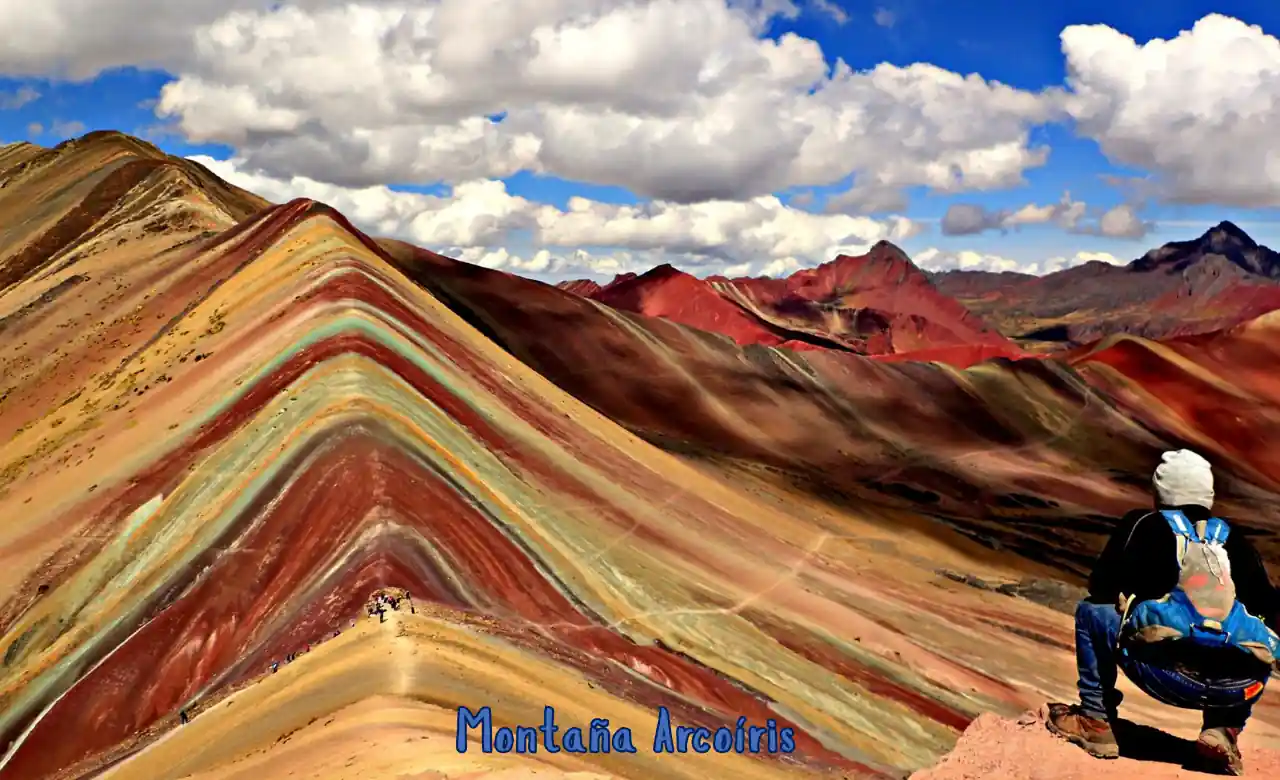
Rainbow Mountain rises above the Peruvian Andes with clear stripes of red, gold, and turquoise. Each color comes from different minerals, such as iron oxide and copper. The summit sits at high altitude, so the climb feels slow. You stop often to catch your breath and take in the shapes around you.
The surface looks smooth from a distance. Up close you see rough grains and thicker layers. Snow sometimes covers the top, but the colors still show through. Hikers consider this place a highlight in the region. It also ranks high in guides about 11 of the strangest places on Earth.
Local communities protect the trails. Horses are available for those who need them. Clear weather gives the best view, though clouds can make the mountain appear softer. Every angle feels like a scene from a different planet.
4. Chocolate Hills, Philippines
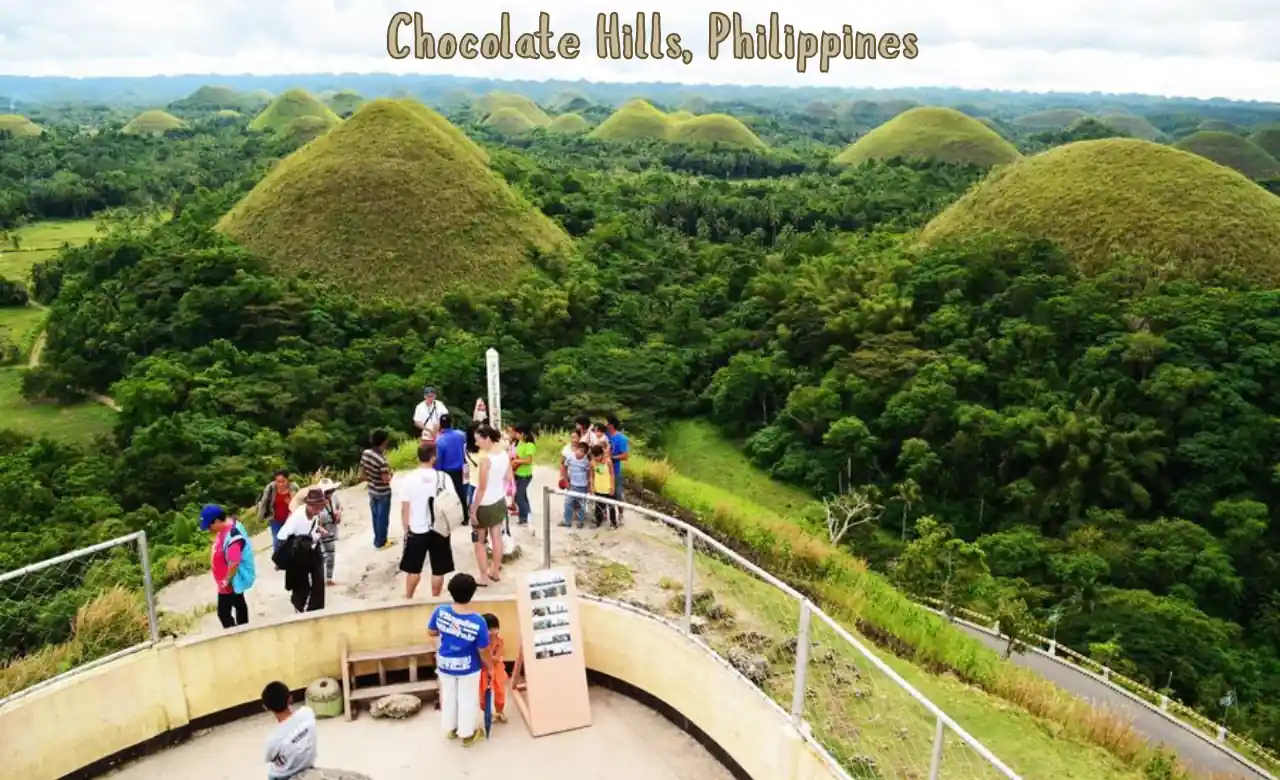
The Chocolate Hills cover a wide stretch of Bohol Island. More than one thousand mounds rise from the ground. Each hill has a perfect cone shape. During the dry season the grass turns brown. That is where the name comes from.
Scientists say these hills formed from coral deposits and erosion. Local stories mention giants throwing rocks at each other. The mix of myth and geology keeps this place popular with visitors. The uniform shapes make the area a strange sight, especially from the main viewing deck.
The hills often appear in strange places in the world to visit lists. They match locations like Richat Structure and Easter Island for visual impact. Morning light brings out soft shadows. Sunset gives each mound a gold tint. Both views work well if you want to understand why these hills look so unusual.
5. Salar de Uyuni, Bolivia
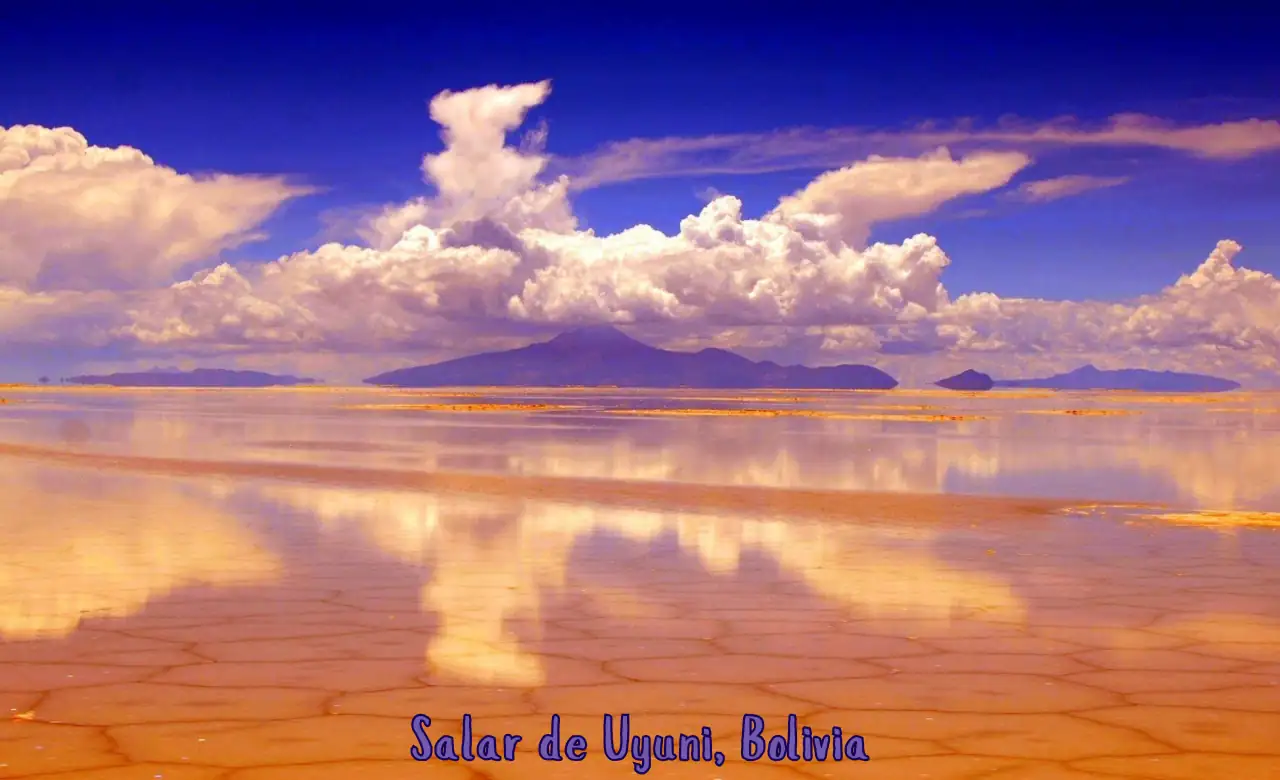
Salar de Uyuni stretches across more than ten thousand square kilometers. The surface feels endless. The salt forms bright white patterns similar to cracked tiles. During the dry season you can walk across the flat ground and see nothing but horizon.
Rain changes everything. A thin layer of water turns the salt flat into a mirror. Sky and land blend into one giant reflection. People often travel here to capture this effect. It creates some of the most striking photos in South America.
The flatness makes it one of the top 5 strange places in the world for natural symmetry. It also appears in guides about strange places in the world to live because of its remote setting. Small hotels built from salt blocks sit on the edges. The landscape feels quiet, bright, and unreal.
6. Lake Hillier, Australia
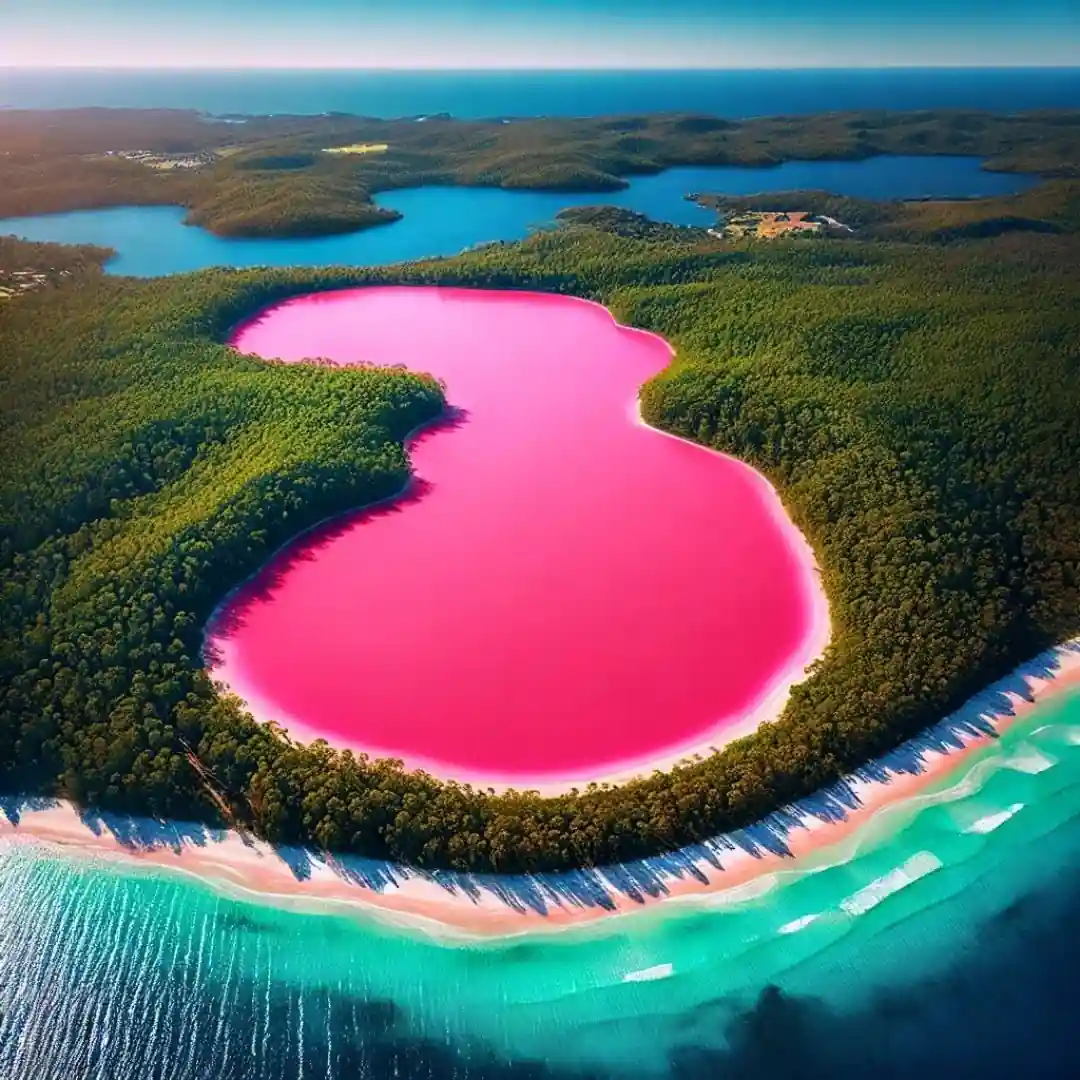
Lake Hillier shocks you with its solid pink tone. The color stays the same all year. It does not fade with clouds or sunlight. The lake sits beside the deep blue Indian Ocean, so the contrast looks unreal from above.
Scientists point to Dunaliella salina algae, halobacteria, and possible chemical reactions. None of these fully settle the debate. This is why Lake Hillier appears in guides like 7 most mysterious and unexplored places on Earth. The lake shows no danger to wildlife. Birds and nearby vegetation continue as normal.
You cannot swim in the water because of conservation rules. Scenic flights from Esperance give the best view. This spot shows up often in strange places in the world map searches because the color looks impossible. Travelers pair it with Lake Natron, Lake Kivu, and other unusual lakes when planning long trips.
7. Spotted Lake, British Columbia, Canada
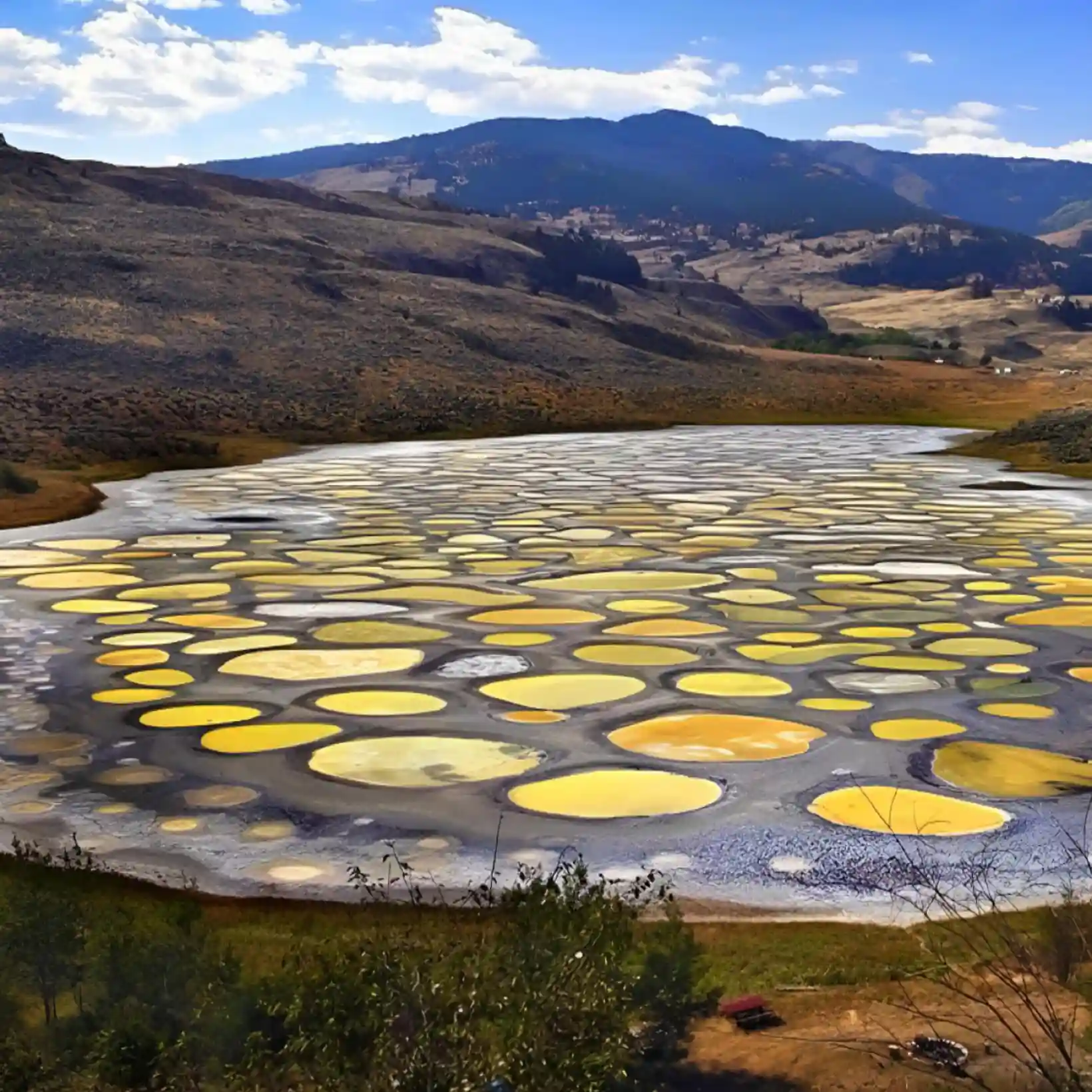
Spotted Lake changes its appearance with the seasons. In summer the water evaporates. Minerals settle into round pools that form green, yellow, and blue circles. Each one has a different mineral mix. The effect looks like giant polka dots spread across the ground.
Local Okanagan communities consider the lake sacred. Visitors view it from a distance to protect the land. The area has high levels of magnesium sulfate, calcium, and sodium. These minerals create the strange shapes seen in photos.
Spotted Lake often appears beside Richat Structure and Danakil Depression in lists of strange places in the world to visit. The colors shift daily depending on heat and sunlight. The circles feel almost artificial, which is why travelers add it to their top 10 strange places in the world journals.
8. Champagne Pool, New Zealand
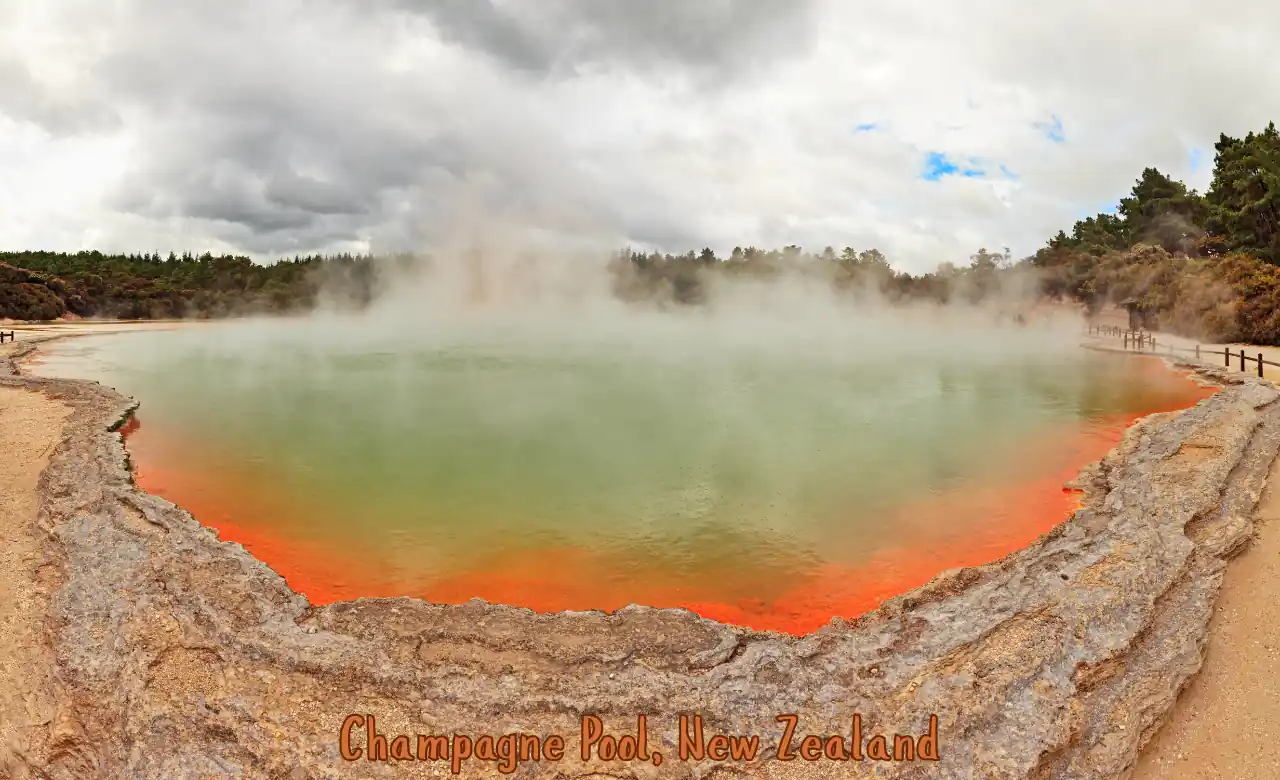
Champagne Pool sits inside the Waiotapu geothermal zone. The orange rim circles a pool filled with green and gold water. Bubbles rise constantly due to carbon dioxide escaping from deep underground. The pool measures about sixty meters across and stays hot throughout the year.
Minerals like arsenic and antimony create the strong colors. The surface looks soft, but the ground around it changes with heat and pressure. Visitors follow marked paths. Steam drifts across the air and gives the place a surreal feel.
Champagne Pool is one of New Zealand’s strongest natural wonders, often grouped with Waitomo Caves and Moeraki Boulders in global lists. It appears in strange places in the world to visit because the bubbling effect resembles sparkling drinks. You hear a soft crackling sound as the gases rise. The colors shift under sunlight, giving each visit a different look.
9. Richat Structure, Mauritania
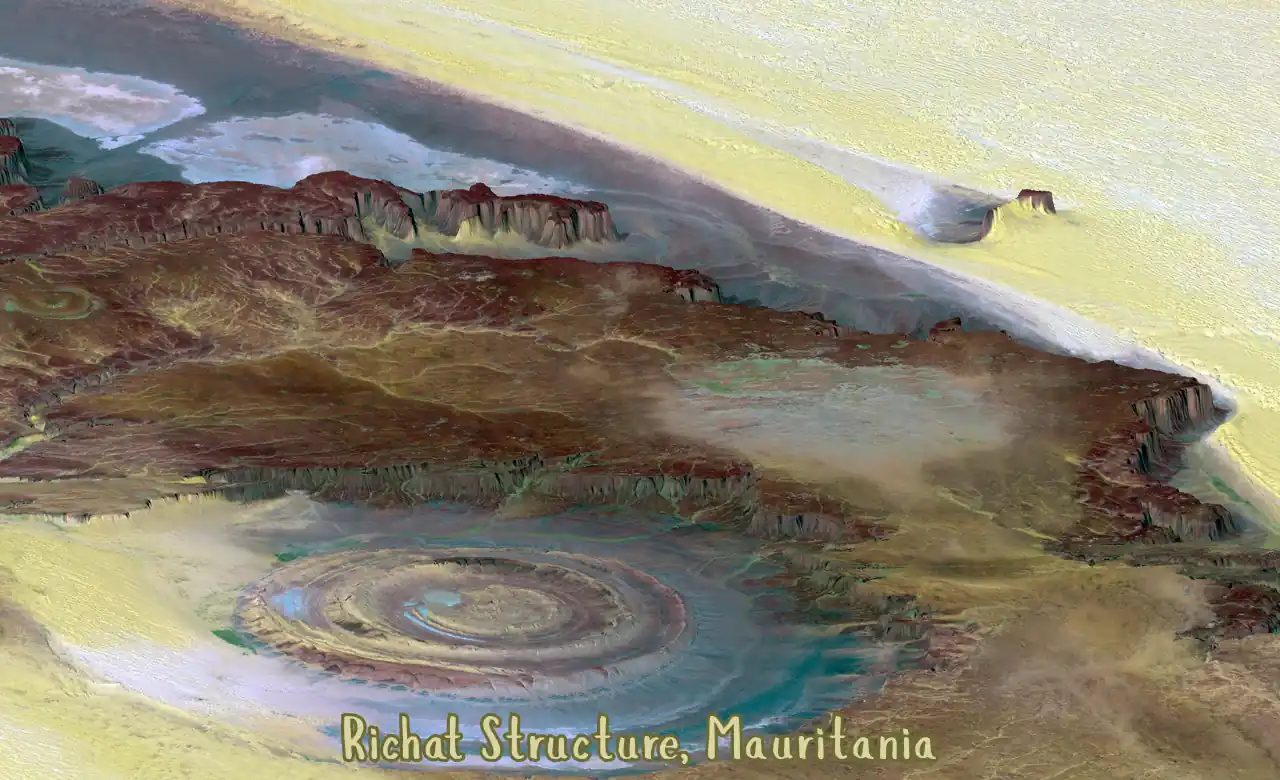
The Richat Structure stretches nearly forty kilometers across the Sahara. From the ground it looks like a simple slope. From above it becomes a giant eye. Concentric rings spiral outward in perfect circles. Astronauts use it as a visual marker from space.
Early theories blamed a meteor impact. Later studies suggest erosion shaped a large dome over millions of years. Salt, wind, and pressure carved the rings. The exact timeline remains open to discussion. The scale alone makes it one of the 11 strangest places on Earth.
Travelers pair this site with Egypt’s desert routes and Socotra Island when exploring remote regions. The structure stands in open desert, so the view feels vast and quiet. Photos from drones and satellites make the rings clear. It continues to attract researchers and travelers searching for lugares inusuales across Africa.
10. Green Bridge of Wales, United Kingdom
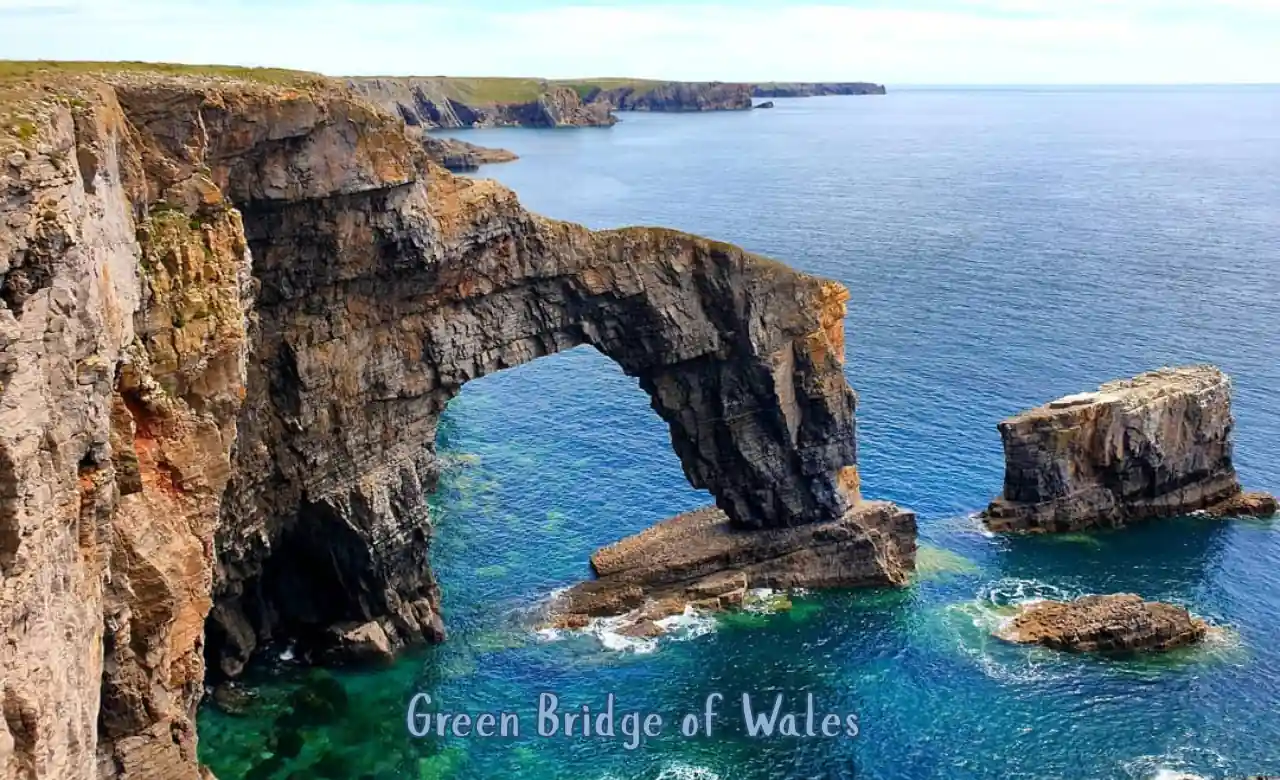
The Green Bridge of Wales stands along a rugged coastline carved by waves. A tall natural arch rises from layered limestone. Wind, saltwater, and time cut away the rock until a bridge-shaped formation remained. The arch looks delicate, but it holds its shape well.
The location sits inside a military training zone. Access depends on scheduled openings. When the road is open, the path leads to a viewpoint above the sea. The cliffs around the arch attract seabirds and wildlife.
Travelers include the bridge in their lists of 7 unique places in the world because it resembles a man-made structure. Photographers compare it to arches in Arches National Park and the Giant’s Causeway for natural symmetry. The entire Pembrokeshire coast feels calm, so the bridge stands out even more against the slow waves.
Mysterious and Unexplained Places
11. Bermuda Triangle, Atlantic Ocean
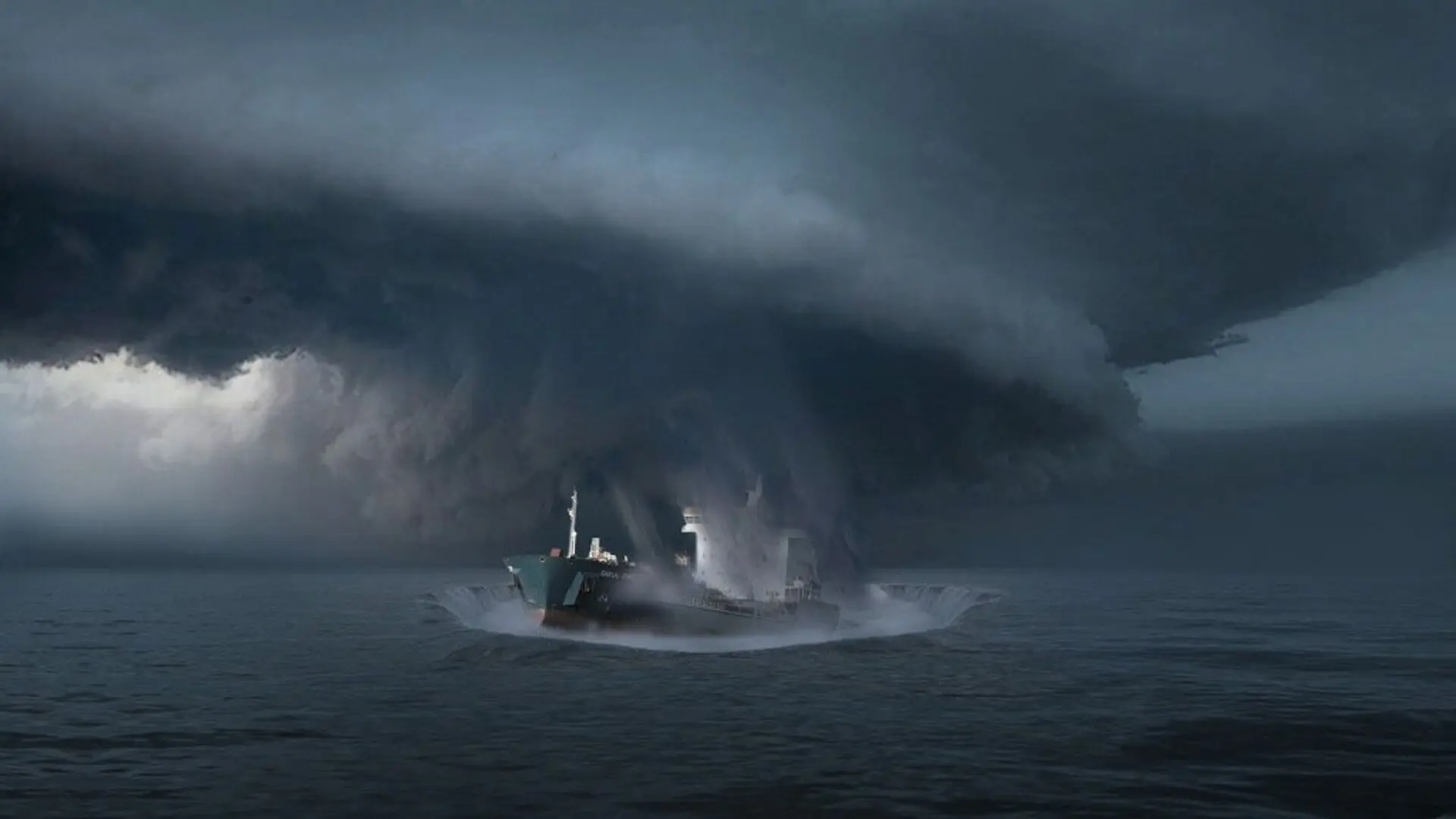
The Bermuda Triangle stretches between Bermuda, Miami, and Puerto Rico. This region covers about five hundred thousand square miles. Many stories mention ships and planes that disappeared without warning. Some reports describe strange magnetic shifts.
Others reference sudden storms and fast-moving currents. Most vessels travel through safely. Yet the unanswered cases remain part of global conversations. The area often appears in guides about the 7 most mysterious and unexplored places on Earth. It also ranks high in strange places in the world map searches because people want to spot the exact lines that form the triangle.
Scientists look at weather data, methane pockets, and human error. Travelers come for the legends. Both groups add to the mystery that keeps this location in the top 10 strange places in the world.
12. Plain of Jars, Laos
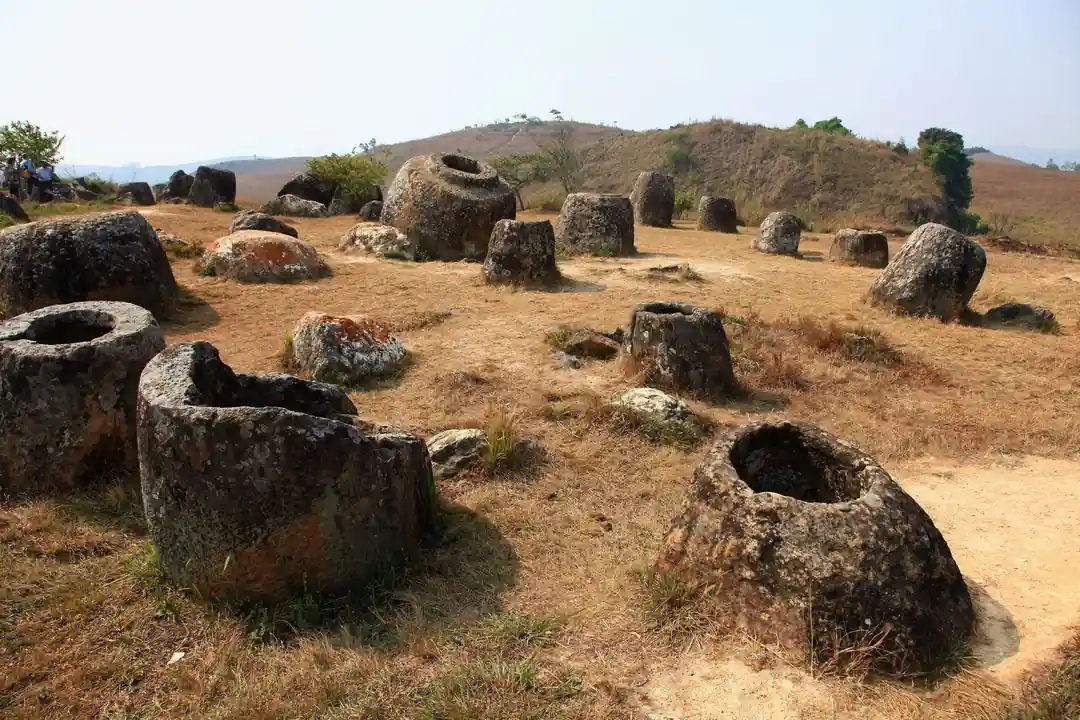
The Plain of Jars spreads across the Xieng Khouang Plateau. Thousands of stone jars stand in clusters. Some jars weigh several tons. Others are small enough to move by a few people. Their purpose remains unclear. Burial rituals, ancient storage, and forgotten cultural practices are common theories.
Bombing during past conflicts damaged large areas. Clearance teams continue to make the fields safe. Visitors walk only on marked paths. The open landscape gives the jars a lonely and dramatic feel.
Researchers compare this site to Stonehenge and the Stone Spheres of the Diquís because of the unanswered questions. It also appears in global lists covering 11 of the strangest places on Earth. The silence around the jars adds weight to the entire valley.
13. Nasca Lines, Peru
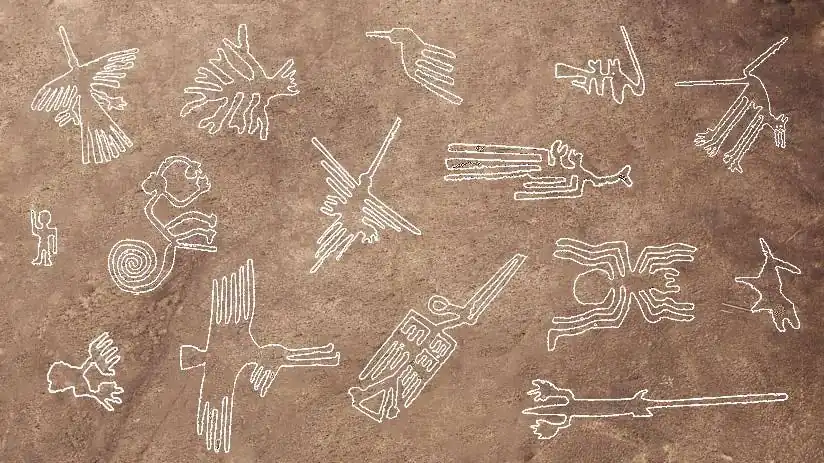
The Nasca Lines stretch across the dry Nazca desert. These massive geoglyphs form shapes of animals, plants, and geometric patterns. Some figures reach more than two hundred meters. The lines stay visible because the region has almost no rain or wind.
Experts believe the Nasca people created the designs more than two thousand years ago. The method is simple. Dirt is cleared to reveal lighter sand beneath. The accuracy is the part that confuses researchers. The shapes are best seen from small planes or viewing towers.
New geoglyphs appear every few years through satellite scans and cosmic ray technology. This discovery cycle keeps the site in lists of strange places in the world to visit. The scale and precision make it a core entry in any ancient mystery guide.
14. Devils Tower, United States
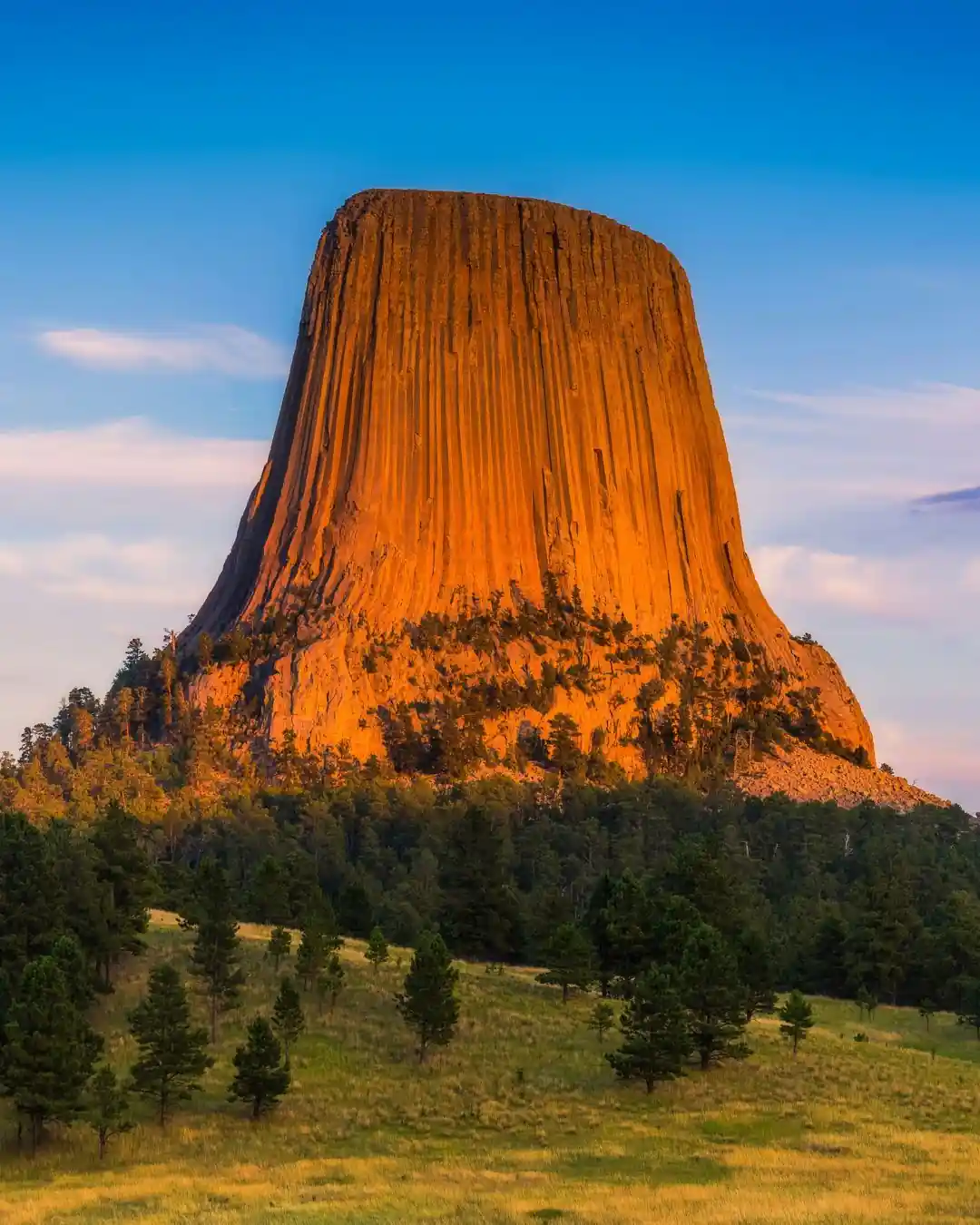
Devils Tower rises above Wyoming as a massive column of volcanic rock. The surface looks like long vertical lines carved by giant tools. The tower formed when magma cooled and cracked. Erosion exposed the structure over time.
Native American tribes consider the tower sacred. Stories mention bears clawing the rock while trying to reach children. Climbers follow strict routes to protect the columns. The National Park Service manages the trails and access points.
This monolith appears beside Giant’s Causeway and Zhangye Danxia in lists of strange places in the world because the pattern looks unnatural. The setting makes it even more dramatic. Flat land surrounds the tower, so the rise feels sudden and powerful.
15. Lake Natron, Tanzania
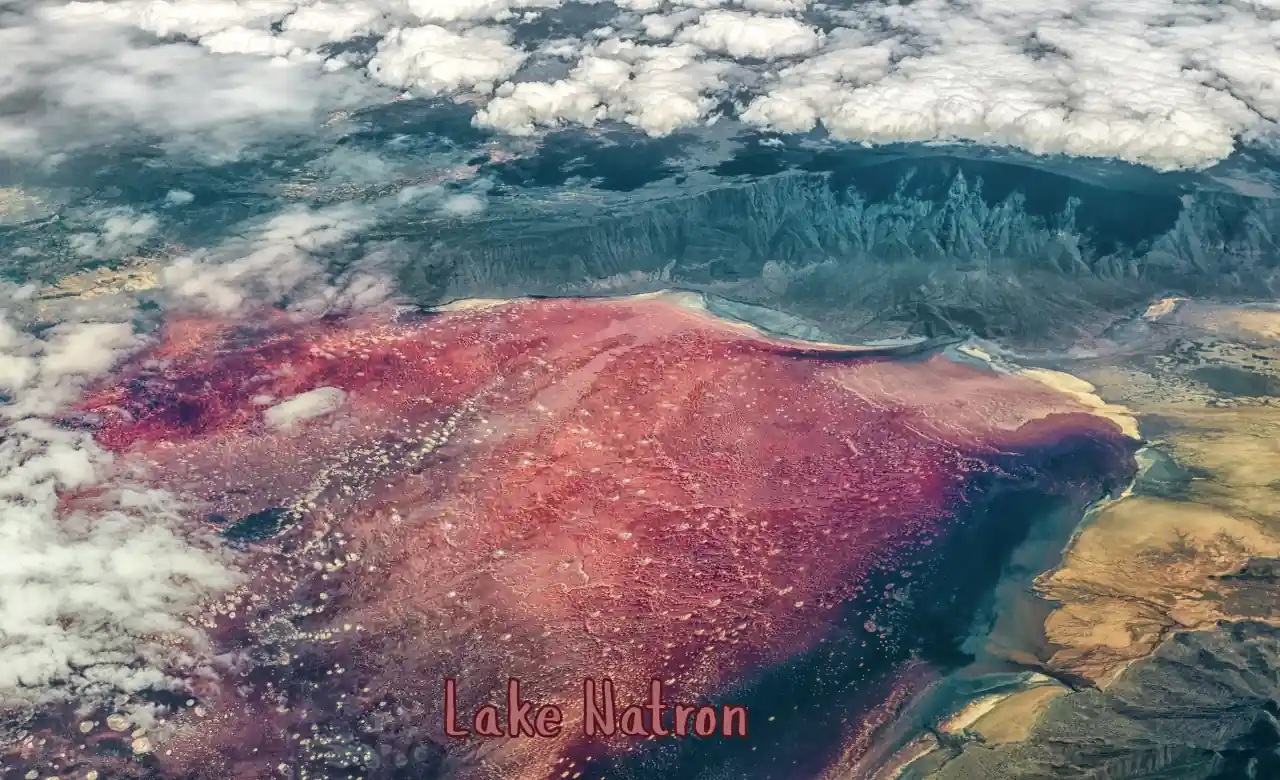
Lake Natron sits near the Kenyan border. The water reaches temperatures above one hundred degrees Fahrenheit. The pH level climbs close to eleven. The conditions preserve animals that fall in, leaving them hardened like statues. This effect created the name “Petrifying Lake.”
Flamingos thrive here because they can handle the heat and alkalinity. They gather in large groups during breeding seasons. The red tint in the water comes from salt-loving organisms. The color changes with sunlight.
Lake Natron often appears beside Lake Nyos and Lake Kivu in guides about dangerous lakes. It also ranks high in global lists of strange places in the world to visit because of its eerie, still surface. The landscape feels empty, bright, and severe.
16. Lake Nyos, Cameroon
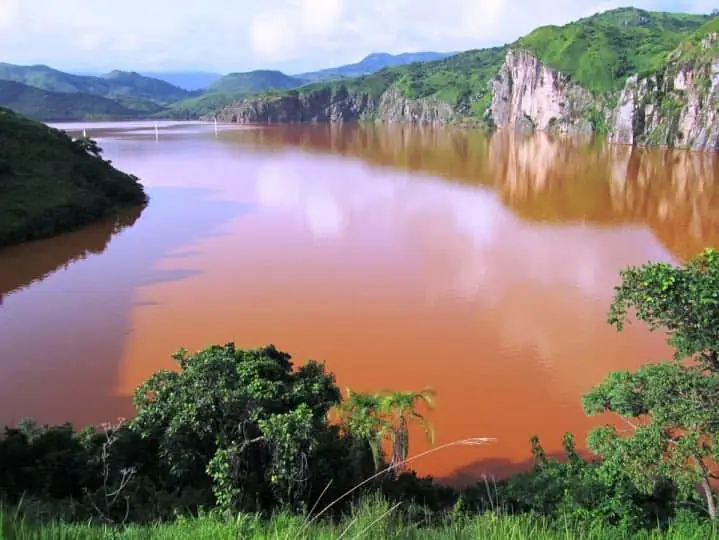
Lake Nyos looks peaceful, but its history is one of the most alarming on record. In 1986 a sudden release of carbon dioxide rose from the lake and moved through nearby villages. The gas displaced oxygen and caused a deadly wave of suffocation. Scientists call this a limnic eruption.
The lake sits in a volcanic region. Gas builds up beneath the water. Pressure changes can trigger sudden releases. Degassing tubes now help reduce the risk. Monitoring teams track the lake year-round.
Lake Nyos often appears beside Lake Kivu when discussing dangerous and strange places in the world. The calm surface hides everything happening below. The event remains a key subject in research and narration about natural hazards.
17. Lake Kivu, Rwanda and DR Congo
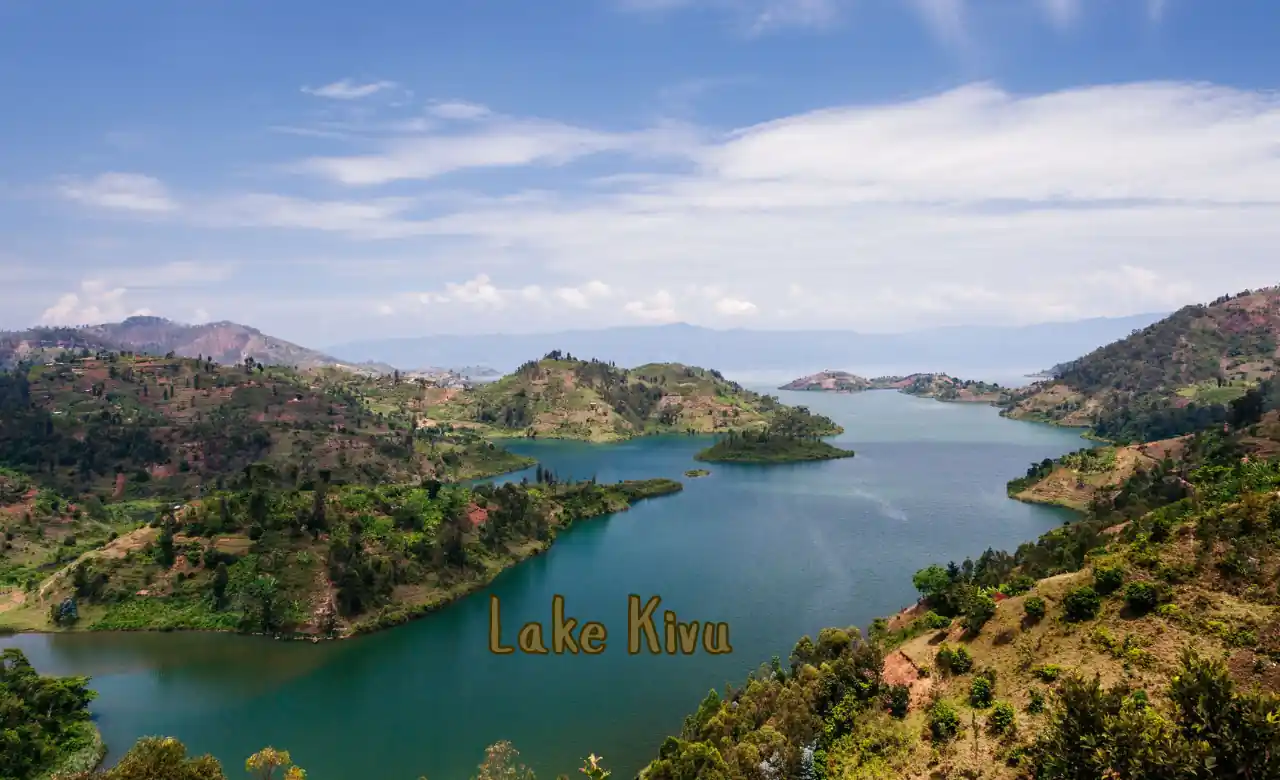
Lake Kivu stretches between Rwanda and the Democratic Republic of the Congo. The water contains large amounts of methane and carbon dioxide. These gases sit in deep layers. Under certain conditions they can rise quickly and release into the air. This makes Kivu similar to Lake Nyos, but on a much larger scale.
Communities live along the shoreline. Fishing boats move across the water each morning. A gas extraction project now converts some methane into energy. This helps reduce pressure inside the lake.
Lake Kivu appears in lists of strange places in the world to visit because of its hidden risks and unique chemistry. It also fits guides about lugares más calientes and geological pressure zones. The view looks calm, yet the science underneath tells a different story.
18. Lake Maracaibo, Venezuela
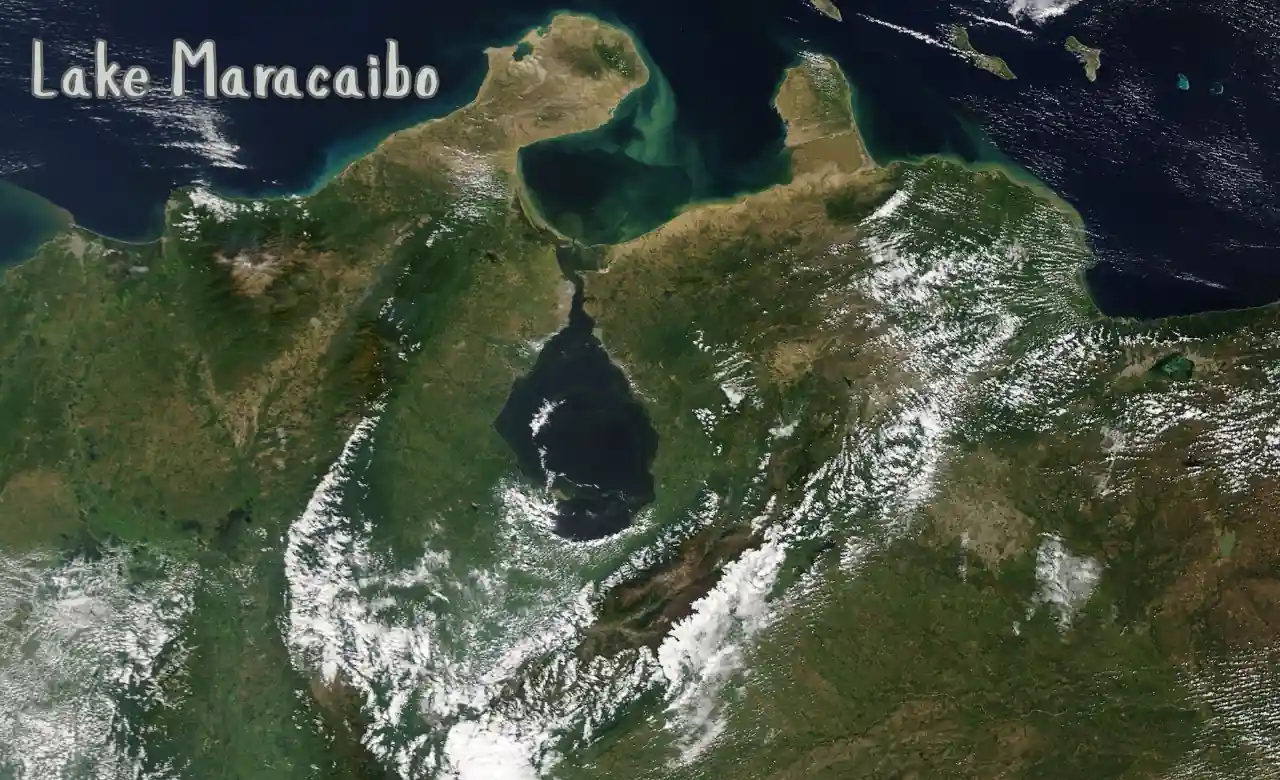
Lake Maracaibo hosts one of the most intense lightning displays on Earth. Storms form almost every night. Bolts strike repeatedly for hours. The phenomenon is called Catatumbo Lightning. Heat, humidity, and mountain winds create perfect conditions for constant flashes.
Fishermen use the glow as a natural navigation light. Photographers travel here to capture long exposures. Scientists study the weather patterns, but the full mechanics remain partly unexplained.
This lake appears in many lists titled 11 of the strangest places on Earth. The sky lights up so often that some call it a permanent storm. The region holds records for lightning frequency. The effect is dramatic enough to inspire episodes, audio lessons, and even podcast discussions about extreme weather.
19. Hollow Earth Monument, Spain
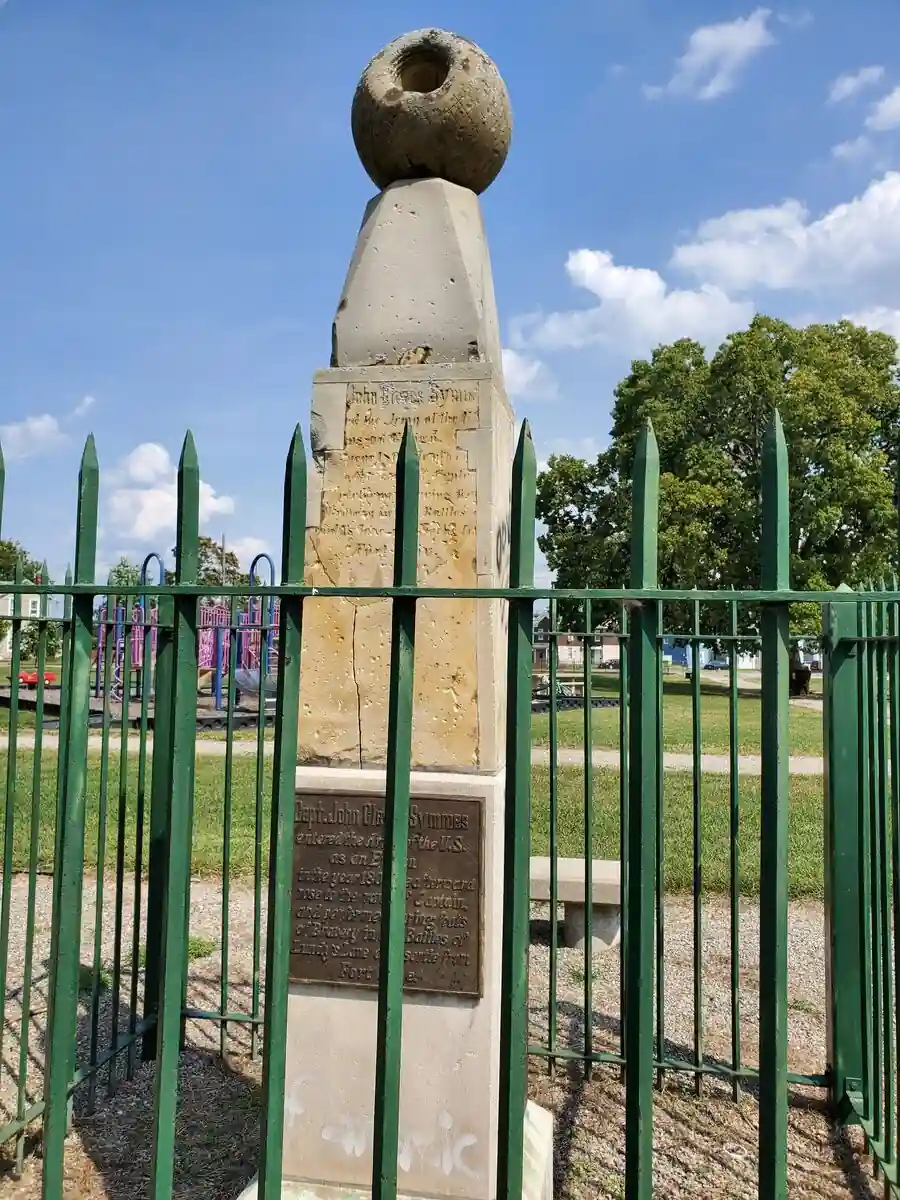
The Hollow Earth Monument stands on a quiet hill in Spain. The concrete globe represents an old idea once believed by explorers. Early thinkers imagined the planet filled with open spaces, hidden lands, and interior worlds. Modern science rejects the concept, but the monument keeps the theory alive as cultural memory.
Visitors come out of curiosity. The hillside is peaceful. The structure feels out of place, which adds to its appeal. It appears in collections of strange places in the world map searches because the idea behind it once shaped many fictional works.
Writers link it to Edgar Allan Poe, early polar expeditions, and concept-driven museums like We the Museum. The site feels like a reminder of how people once viewed Planet Earth.
20. El Ojo, Argentina
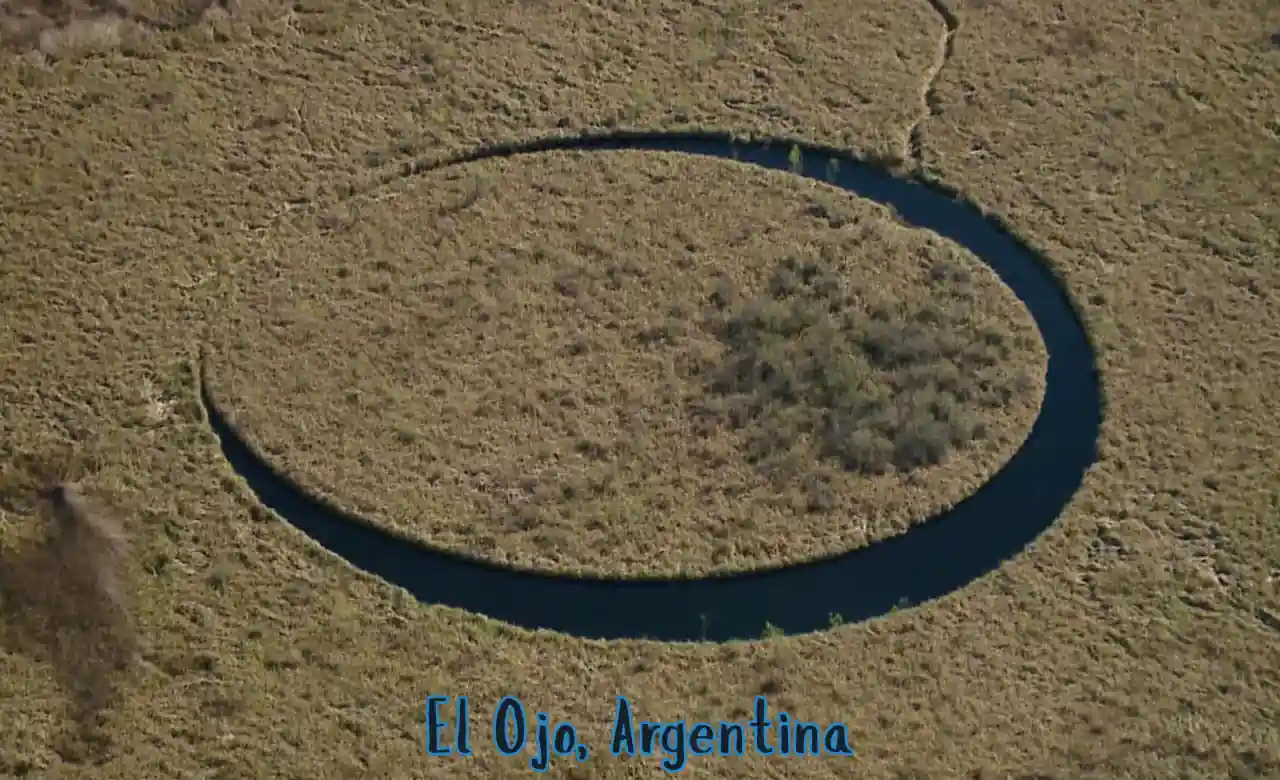
El Ojo sits in the Paraná Delta near Buenos Aires. It is a near-perfect circular island. Satellite images showed the shape rotating slowly over time. The movement is real. The island stays round while drifting in the marsh.
The cause remains unclear. Water flow, plant density, and pressure under the soil may play a part. The region feels isolated. Access requires a boat trip through narrow channels.
El Ojo appears in guides about strange places in the world to visit because its rotation is unusual. Travelers compare it to the Eye of the Sahara and other circular formations. The slow movement makes the island feel alive. Researchers continue to track its position.
21. Darvaza Gas Crater, Turkmenistan
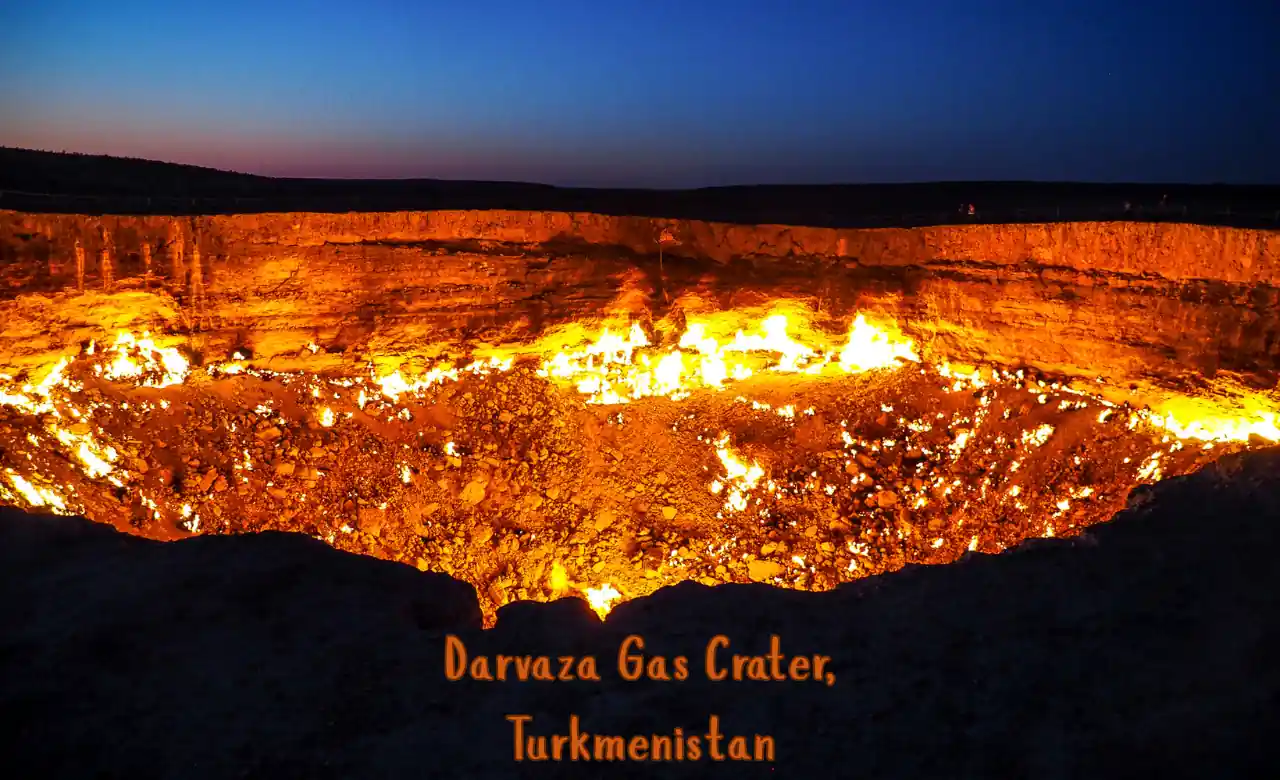
Darvaza Gas Crater lights up the Karakum Desert with constant flames. The ground collapsed during a drilling project in the 1970s. Engineers set the gas on fire to prevent toxic spread. The fire never stopped. Decades later the crater still burns.
The glow is visible from far away at night. Heat rises in waves. The rim feels unstable, so people stand back. The scene feels like an open furnace. Travelers often call it the Gates of Hell. The name fits once you see the red light against dark sand.
This crater appears in top 10 strange places in the world lists because nothing else burns like it. The site also shows up in Atlas Obscura Podcast episodes and desert exploration guides. The area stays quiet, with only wind and fire filling the space.
22. Danakil Depression, Ethiopia
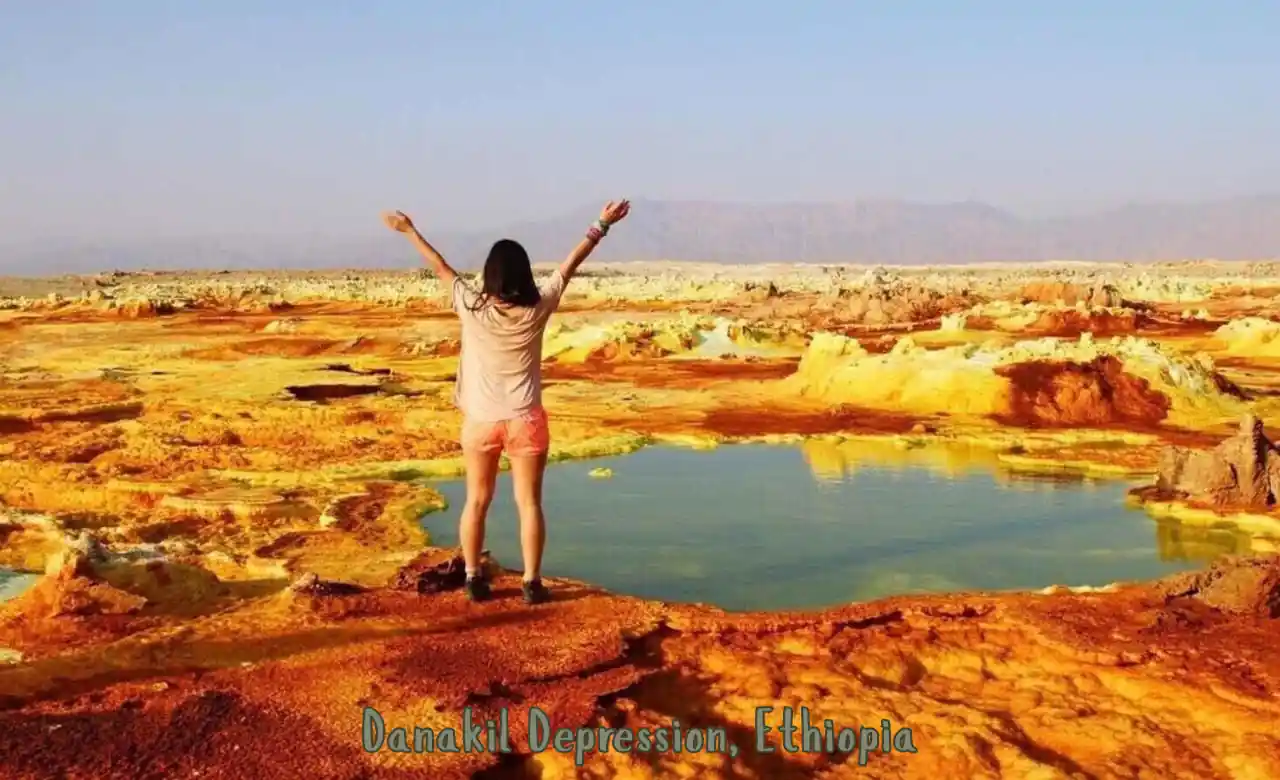
The Danakil Depression sits more than one hundred meters below sea level. Heat rises past fifty degrees Celsius. Pools glow yellow, green, and orange. Minerals push through the ground. Gas escapes from cracks. The setting feels alien.
Three tectonic plates meet here. Lava lakes, salt flats, and acidic springs spread across the region. Some areas shift daily as pressure changes below. Travelers visiting the depression often mention the strong smell from sulfur vents. The ground looks solid but can break without warning.
Danakil appears in guides about lugares más calientes and geological extremes. Researchers compare its terrain to Mars. Its bright colors match other strange places in the world like Badab-e Surt and Richat Structure. The region remains one of Earth’s toughest environments.
23. Yellowstone Hydrothermal Zones, United States
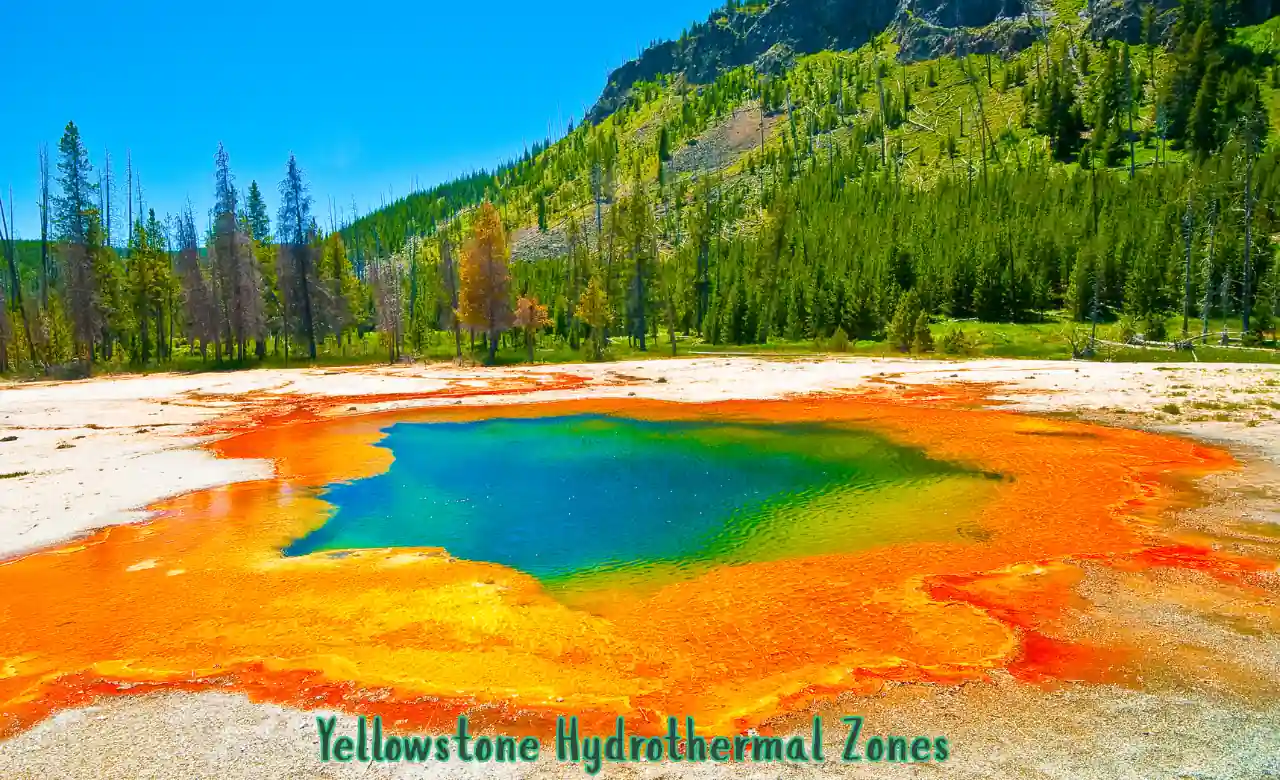
Yellowstone National Park is home to geysers, hot springs, mud pots, and steaming vents. The ground moves, cracks, and shifts with underground heat. Water boils in colorful pools lined with minerals and microbes. Old Faithful draws attention, but the entire thermal area matters.
Beneath the park sits a massive volcanic system. Pressure builds and releases in cycles. The National Park Service monitors activity daily. Some springs change color as bacteria respond to heat. Others overflow and carve new channels.
Yellowstone appears in collections of strange places in the world because the ground feels alive. The mix of color, steam, and pressure makes it one of the planet’s strongest natural wonders. The area connects to discussions about planetary science and extreme ecosystems.
24. Kawah Ijen Blue Fire, Indonesia
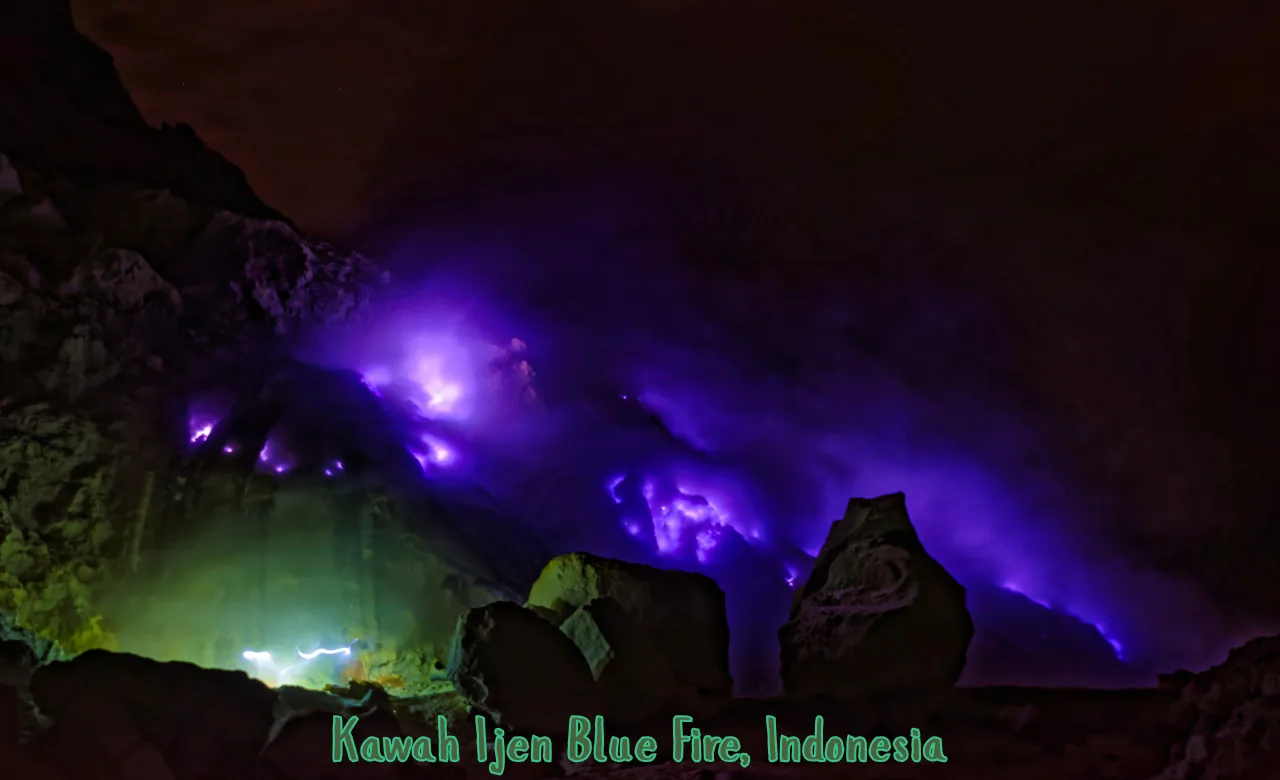
Kawah Ijen is known for its electric blue flames. They appear at night as sulfuric gases escape from cracks and ignite. The flames can reach several meters high. Liquid sulfur flows down the slopes and glows in low light. The effect feels like blue lava.
Miners work in the crater. They carry sulfur blocks by hand. The air burns your lungs without proper masks. The lake inside the crater is one of the most acidic lakes on Earth. The wind shifts quickly, making the journey risky.
Kawah Ijen appears in lists of strange places in the world to visit because of its rare blue fire. Few volcanic systems produce this chemical reaction. Travelers often pair this site with Champagne Pool and Lake Natron when exploring unusual geothermal areas.
25. Victoria Falls Lunar Rainbow, Zambia
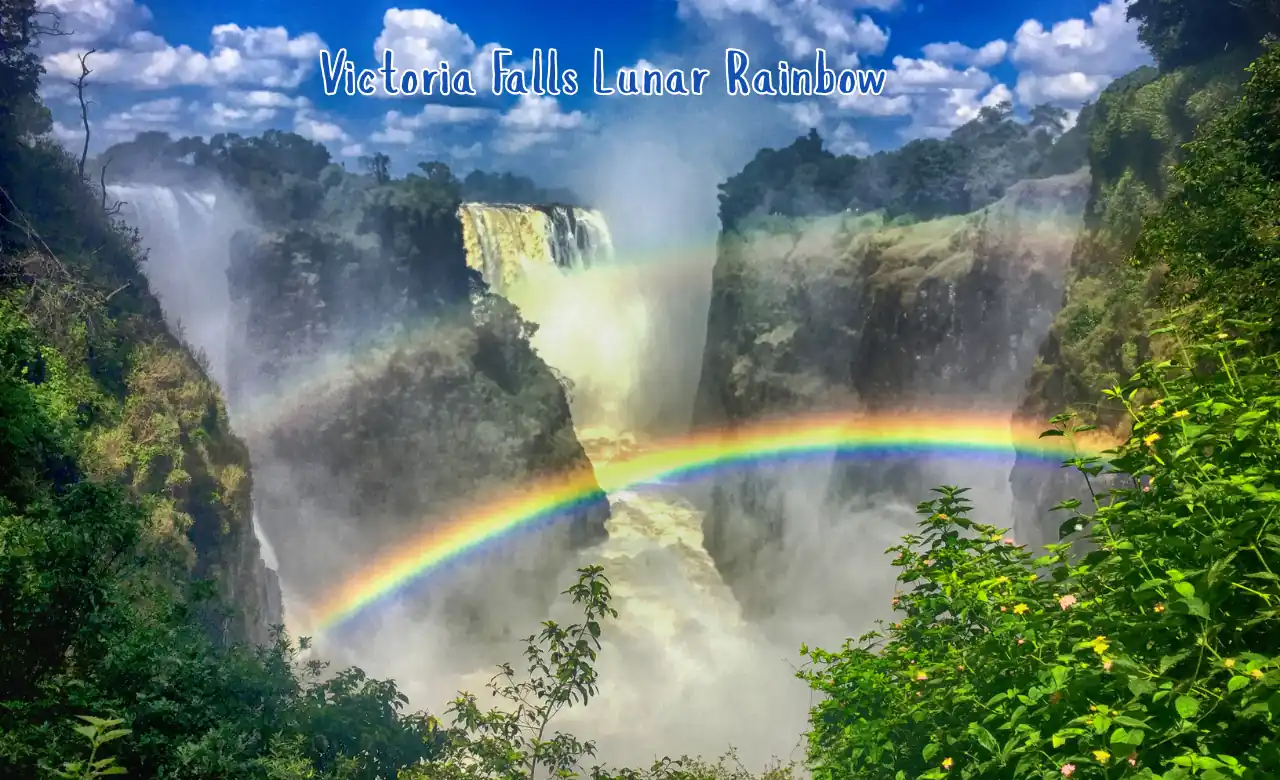
Victoria Falls produces lunar rainbows on clear nights. Moonlight reflects through heavy spray and forms white arcs across the sky. The effect appears only during strong water flow. It is rare, quiet, and bright. The falls roar while the rainbow sits still.
Visitors watch from designated viewpoints. The mist rises high above the gorge. On some nights the arc looks full. On others it fades at the edges. The color is soft, almost silver. Photographers wait for the right moon phase to capture the scene.
This phenomenon appears in guides about 7 unique places in the world because no other waterfall shows lunar rainbows this often. Travelers often combine it with trips to Lake Maracaibo, another site known for light-based natural displays.
Fiery, Extreme, and Dangerous Natural Phenomena
26. Champagne Pool, New Zealand
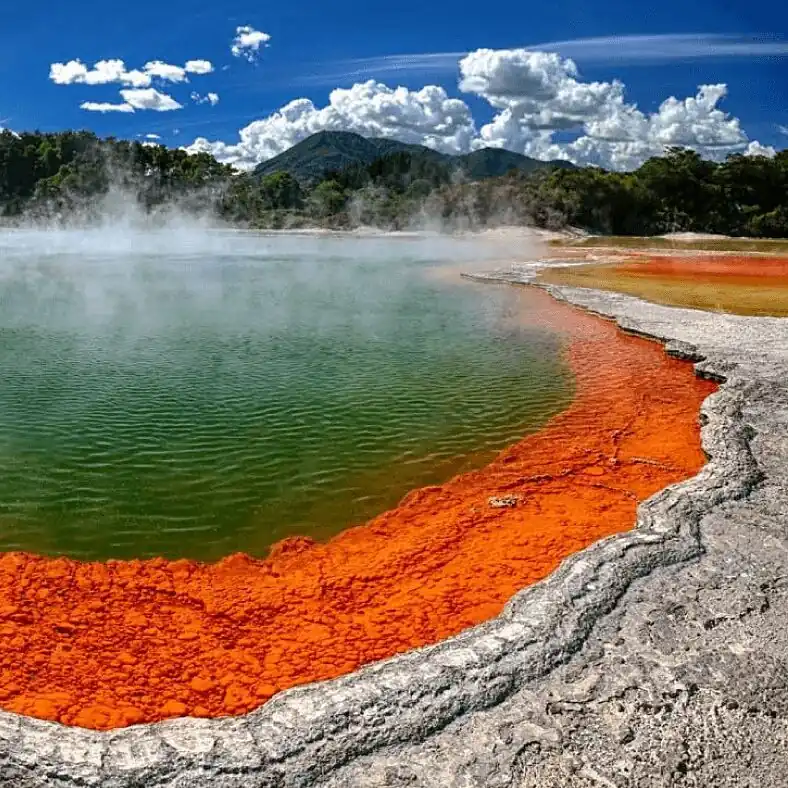
Champagne Pool sits in Wai-O-Tapu on New Zealand’s North Island. The water bubbles constantly from rising carbon dioxide. Orange mineral edges surround the pool. The color comes from arsenic and antimony deposits. Heat rises from deep volcanic chambers below.
The pool’s temperature stays near 74 degrees Celsius. Steam covers the surface most mornings. The landscape feels delicate. Boardwalks guide visitors safely around the edge. Microbial life creates bright patterns along the rim.
Champagne Pool appears in guides about natural wonders because of its strange colors and constant bubbling. It also fits lists of lugares inusuales and geothermal extremes. Travelers often pair it with Waitomo Caves or the Moeraki Boulders to see New Zealand’s unusual terrain.
27. Montaña Arcoíris (Rainbow Mountain), Peru
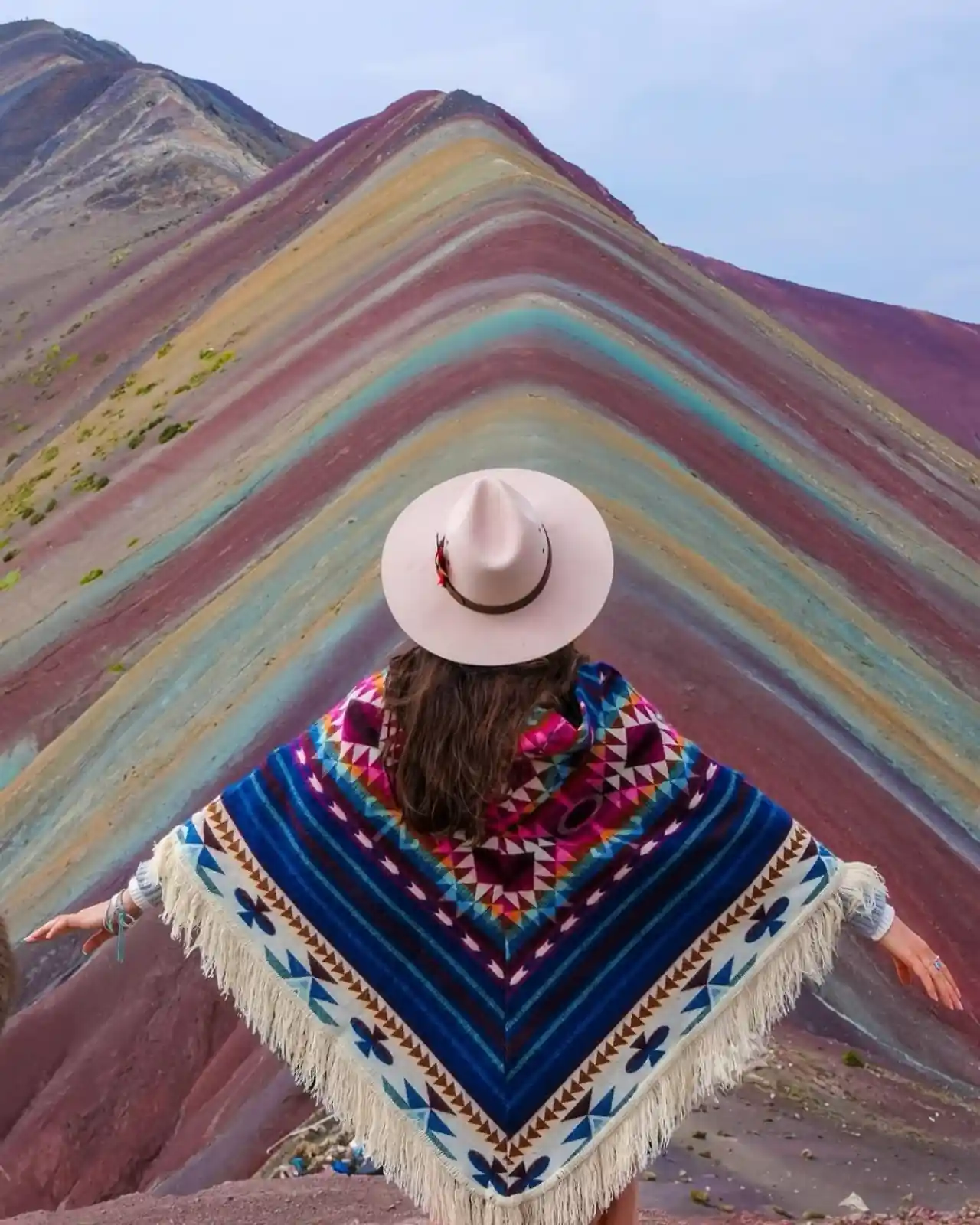
Montaña Arcoíris rises high in the Peruvian Andes. The slopes show stripes of red, yellow, green, and purple. The colors come from mineral layers shaped by ancient weather patterns. The mountain sits above 5,000 meters, so the air feels thin.
Hikers take several hours to reach the viewpoint. Many stop along the way to adjust to altitude. When sunlight hits the ridge, the colors brighten sharply. Clouds move fast, sometimes covering the entire scene.
Rainbow Mountain appears in top 10 strange places in the world lists for its surreal look. It often appears alongside Zhangye Danxia in China, another multicolored formation. The trail leads through quiet valleys with grazing alpacas and deep blue skies.
28. Salar de Uyuni, Bolivia
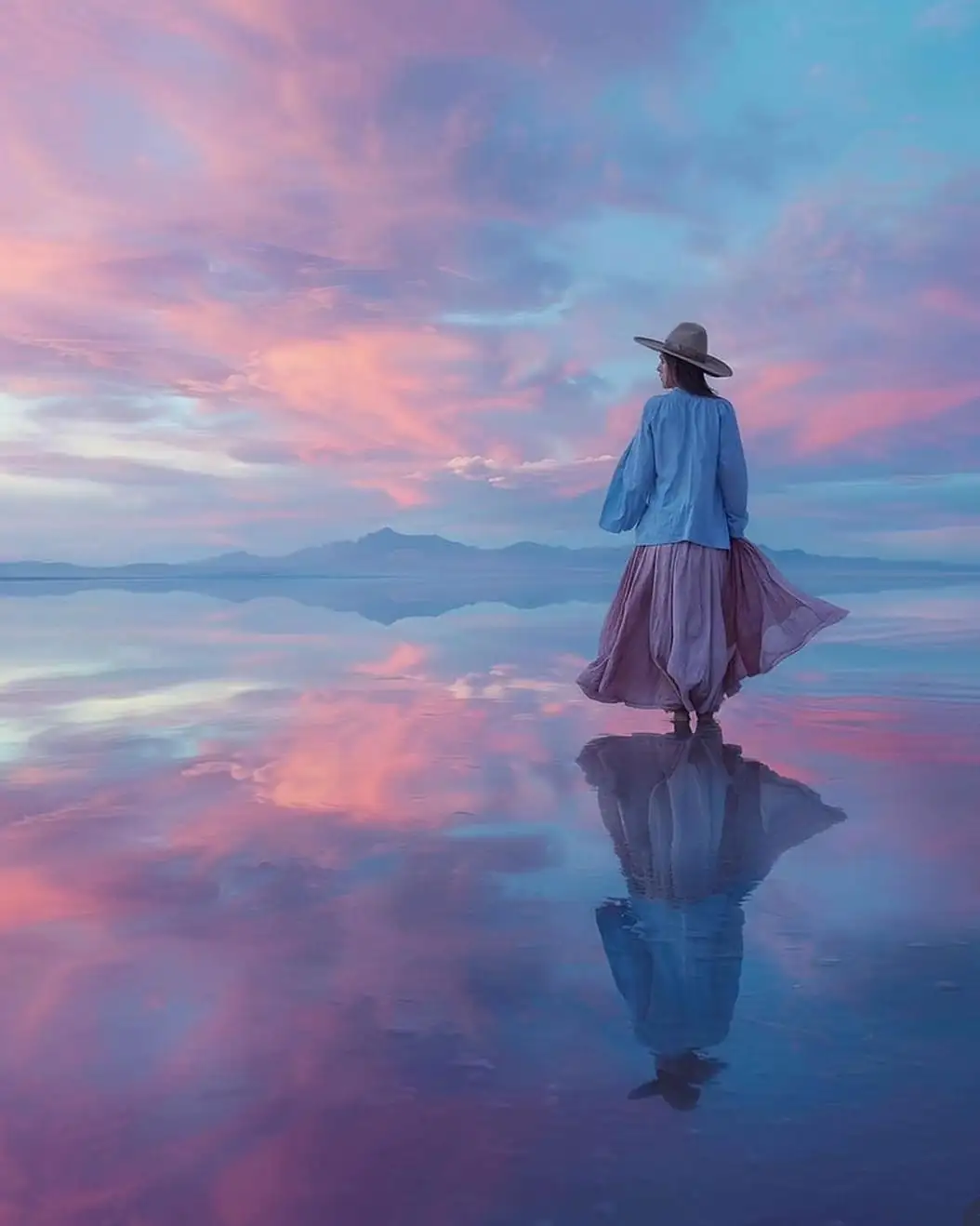
Salar de Uyuni is the world’s largest salt flat. The surface stretches for thousands of square kilometers. During the dry season the ground forms white geometric tiles. In the wet season a thin layer of water covers the salt. It turns the flat into a perfect mirror.
People walk across the reflective surface and feel like they’re floating. Cars move slowly to avoid soft spots. The area once held ancient lakes. Evaporation left behind thick salt crusts mixed with lithium deposits.
Salar de Uyuni fits lists of 7 unique places in the world because no terrain reflects light the same way. Photographers come for sunrise and sunset. The effect appears in documentaries, travel podcasts, and research about extreme landscapes.
29. Blood Falls, Antarctica
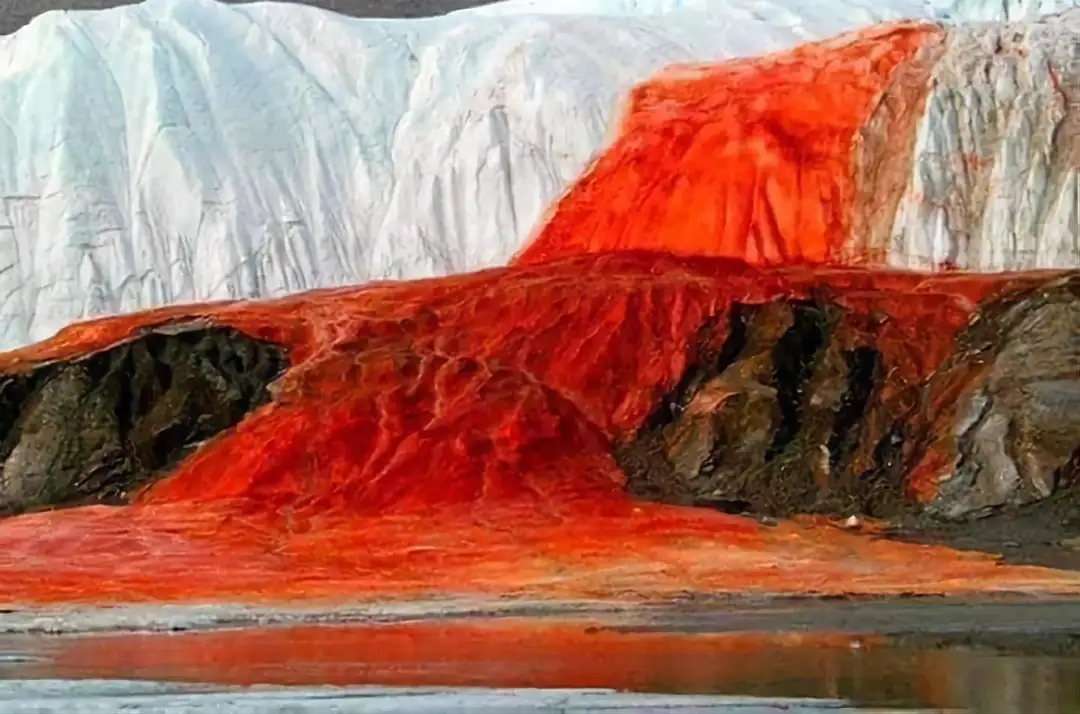
Blood Falls pours out from Taylor Glacier in Antarctica. The water appears red. It flows from underground pockets filled with iron-rich brine. When the water touches air, the iron oxidizes and turns crimson. The scene looks dramatic against the white ice.
Antarctica holds some of the coldest environments on Earth. Yet microbes live inside the salty water beneath the glacier. Scientists study these organisms to understand survival in extreme conditions. The falls stay frozen part of the year. When they thaw, the color becomes stronger.
Blood Falls appears in lists about the 7 most mysterious and unexplored places on Earth. The site also ties into research about cosmic ray technology and early Earth ecosystems. Its remote location keeps it quiet and untouched.
30. Silent Bay of Jokulsarlon, Iceland
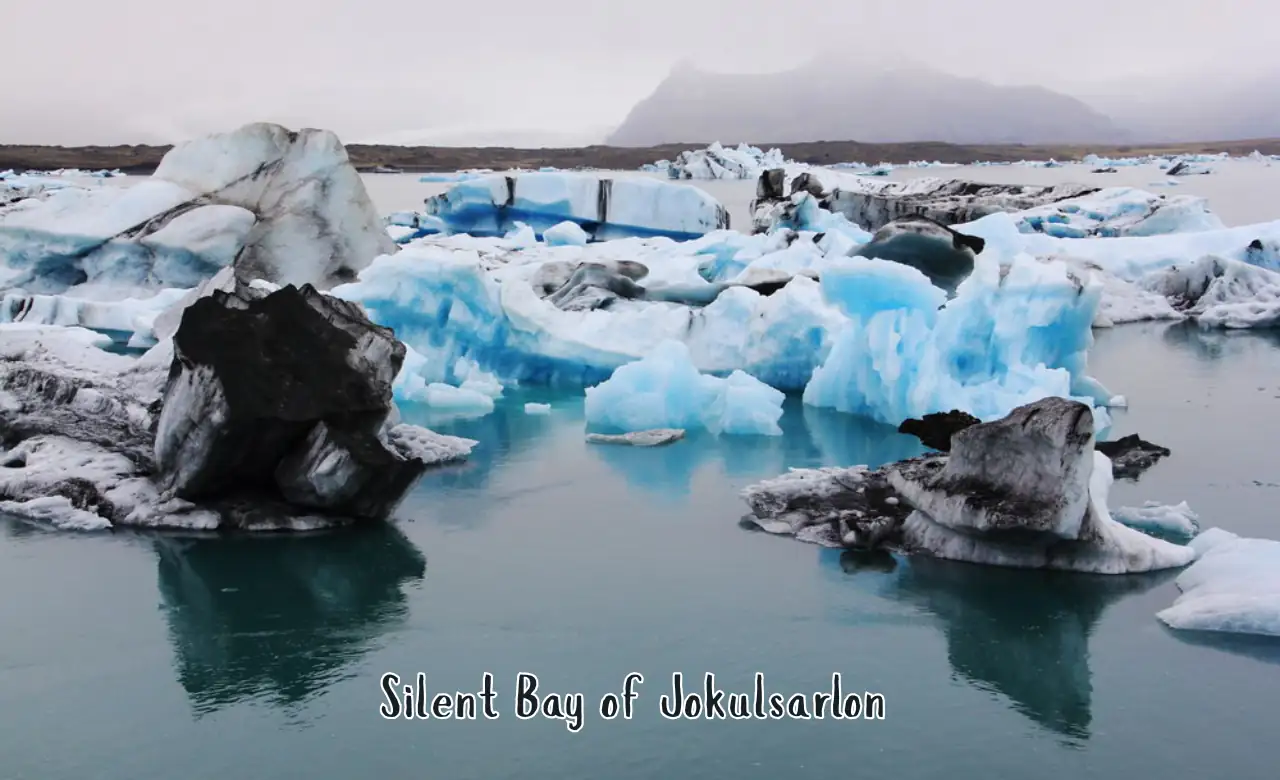
Jokulsarlon Glacier Lagoon sits at the edge of Vatnajökull National Park. Icebergs drift across calm water. The surface stays quiet even during large ice breaks. The lagoon connects to the Atlantic, so tides move ice back and forth.
Blue ice forms from compressed snow. Some pieces look black because of volcanic ash trapped inside. Seals swim near the mouth of the lagoon. Birds circle overhead. The scenery feels cold, still, and endless.
Jokulsarlon appears in guides about strange places in the world map collections because of its silent movement. Some travelers compare it to Antarctica or Baffin Island. The lagoon also highlights climate change, as melting patterns shift each year.
31. Eternal Flame Falls, New York
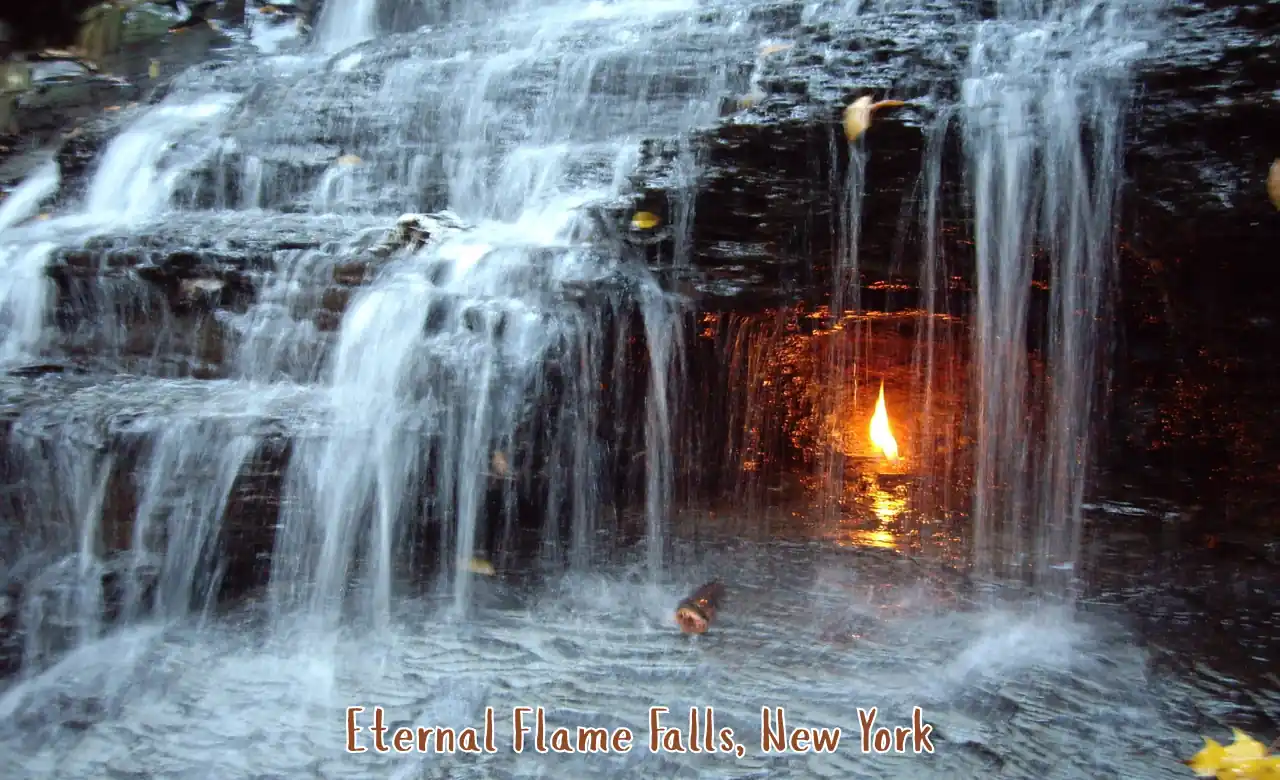
Eternal Flame Falls sits inside Chestnut Ridge Park in New York. A small flame burns behind a thin waterfall. Natural methane gas escapes from cracks in the shale. When lit, the flame stays alive until water or wind puts it out. Visitors often relight it if it goes dark.
The contrast looks unreal. Cold water drops over warm orange light. The flame flickers through the spray. On some days the gas pressure changes, making the flame shift or shrink. The path to the falls is short but rocky.
Eternal Flame Falls appears on lists of strange places in the world to visit because the fire-and-water mix feels impossible. It often appears in discussions of natural gas seeps and geological pressure pockets, alongside Lake Nyos and Lake Kivu cases.
32. Coober Pedy, Australia
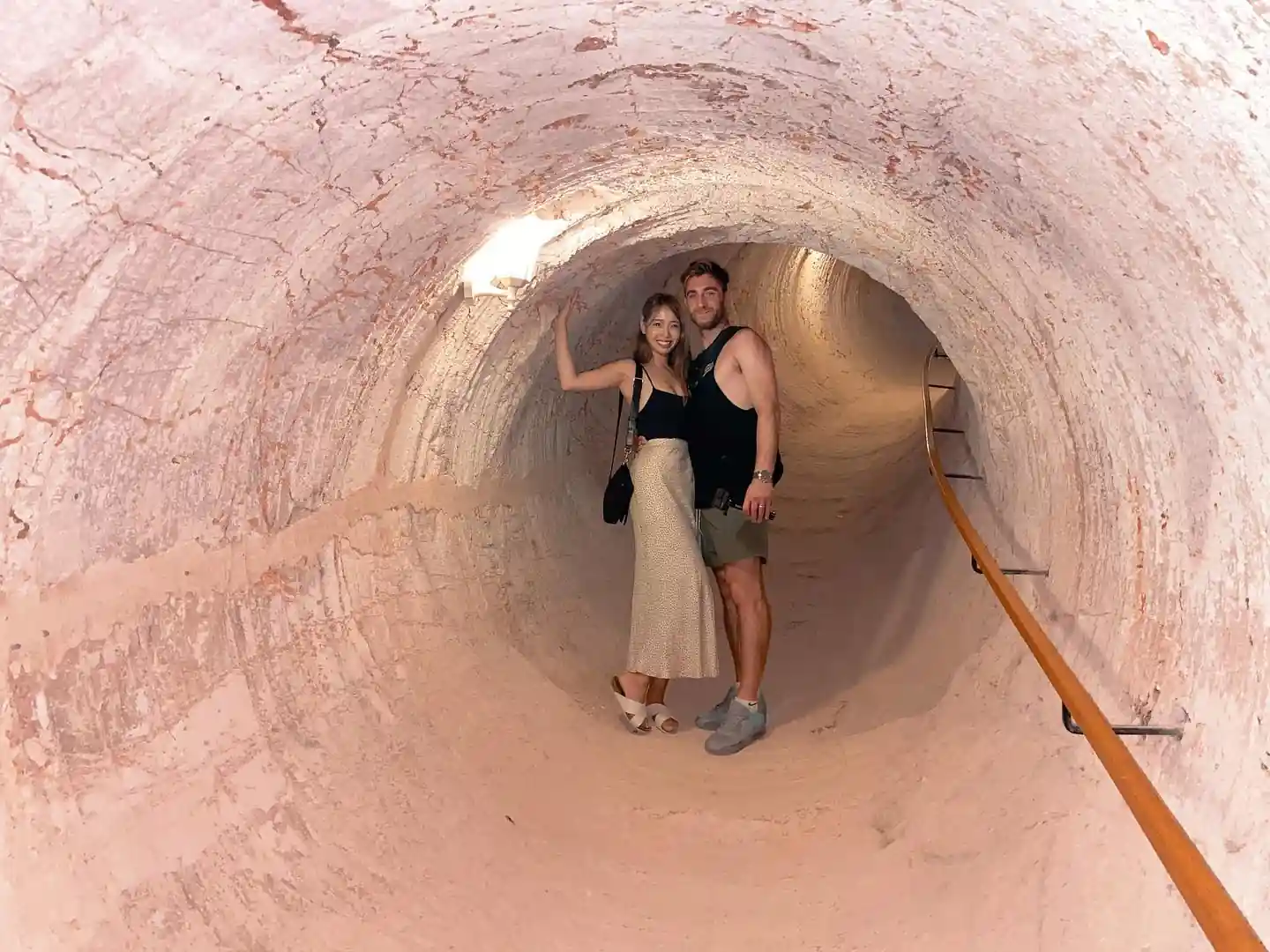
Coober Pedy is a mining town in the Australian Outback. Temperatures rise high during the day, so many homes sit underground. Residents carve living spaces into sandstone. The rooms stay cool without air conditioning. The town looks quiet on the surface, but most life happens below.
Shops, churches, and hotels operate underground as well. Mining tunnels run through the region. Opal discoveries shaped the town’s history. Visitors explore dugouts and abandoned shafts with local guides.
Coober Pedy appears in lists of strange places in the world to live because of its unusual architecture and extreme heat. The area also links to themes like lugares más calientes and desert survival. The landscape looks empty yet holds a full community beneath.
33. Yungas Road, Bolivia
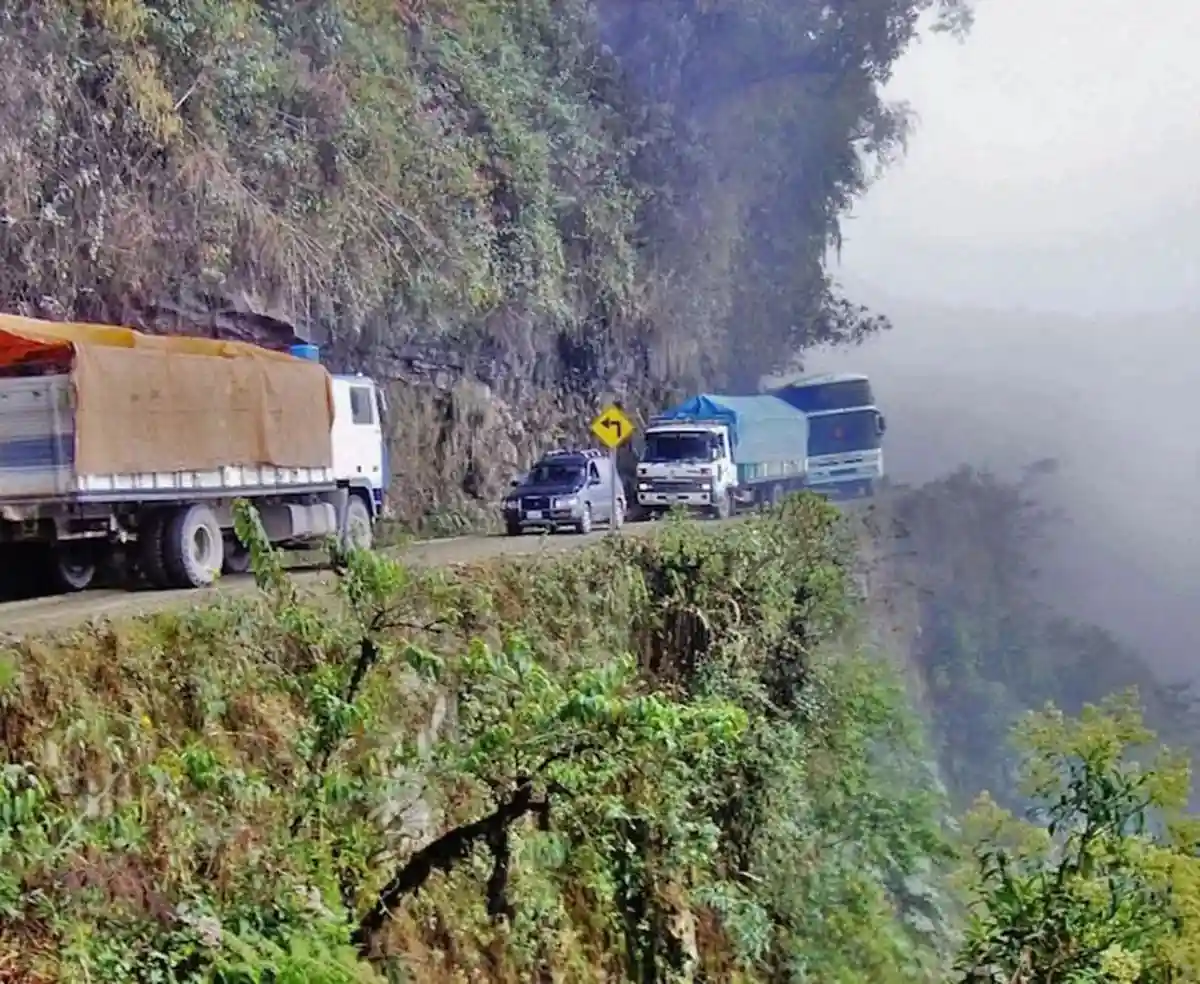
Yungas Road connects La Paz and Coroico. The cliffs drop sharply. Fog often covers the route. Rain makes the dirt slippery. The narrow width allows only one vehicle at a time in many sections. The road’s history includes hundreds of accidents. This earned it the title “Death Road.”
Cyclists ride the route for the thrill. Views open across deep valleys. Waterfalls spill onto the road in some areas. Landslides can occur after heavy storms. The humidity rises the lower you go.
Yungas Road appears in top 5 strange places in the world lists because few roads carry this much risk. It also appears in National Park Service discussions about trail safety and erosion control. The mix of beauty and danger keeps travelers curious.
34. Birch Bark Church, Wisconsin
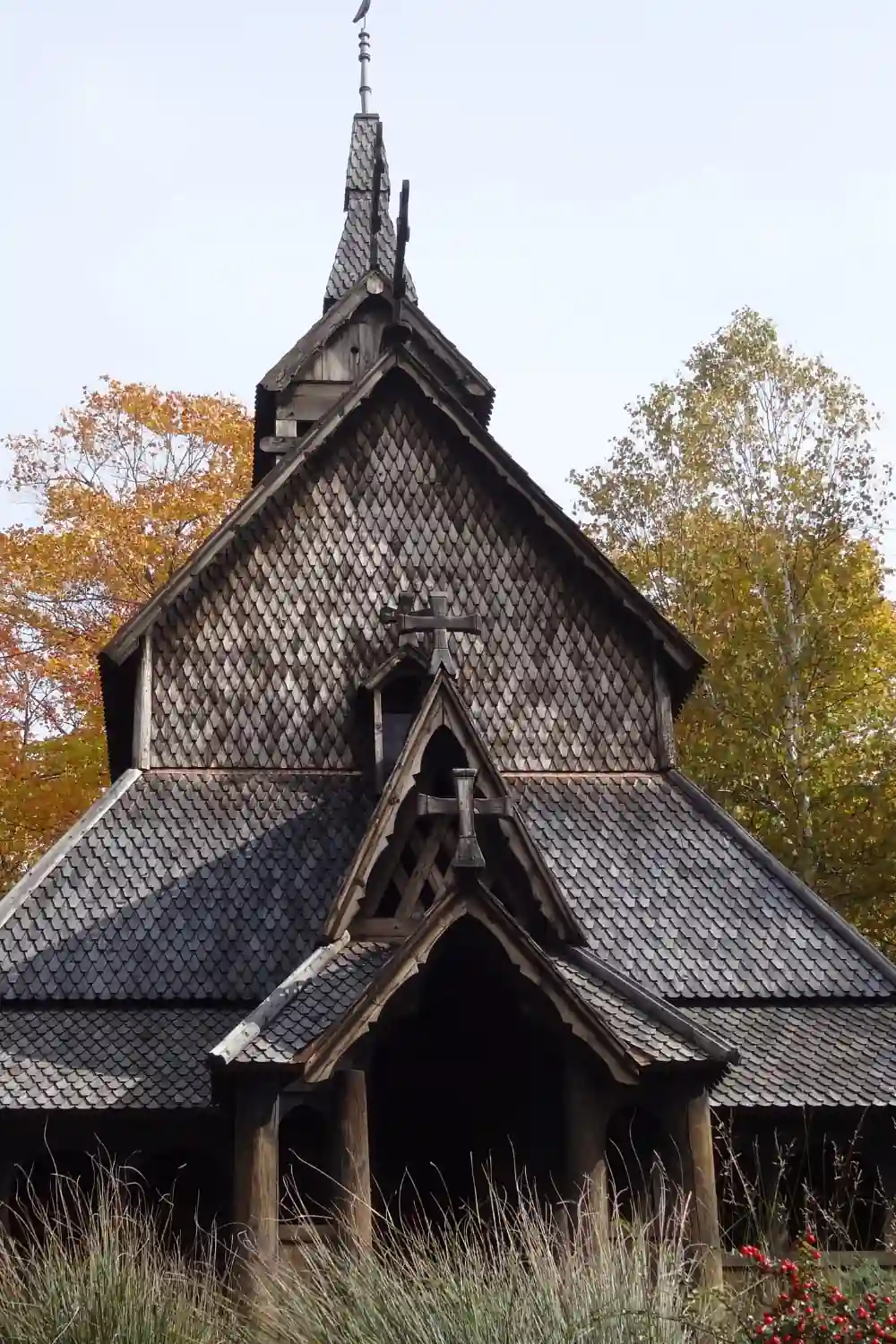
Birch Bark Church stands near the Great Lakes region. Native American communities built it using traditional materials. Birch bark covers the frame. Wooden poles hold everything in place. The structure feels light but strong.
Inside, the air stays cool. The scent of natural wood fills the space. Cultural events, prayer gatherings, and seasonal ceremonies still happen here. The church honors the heritage of the Ojibwe people.
Birch Bark Church often appears in guides about cultural institutions and museum stories, especially those tied to Native American trade routes. The design feels simple but sacred. The building remains one of the most unique historical sites in the region.
35. Peñón de Vélez de la Gomera, Spain–Morocco Border
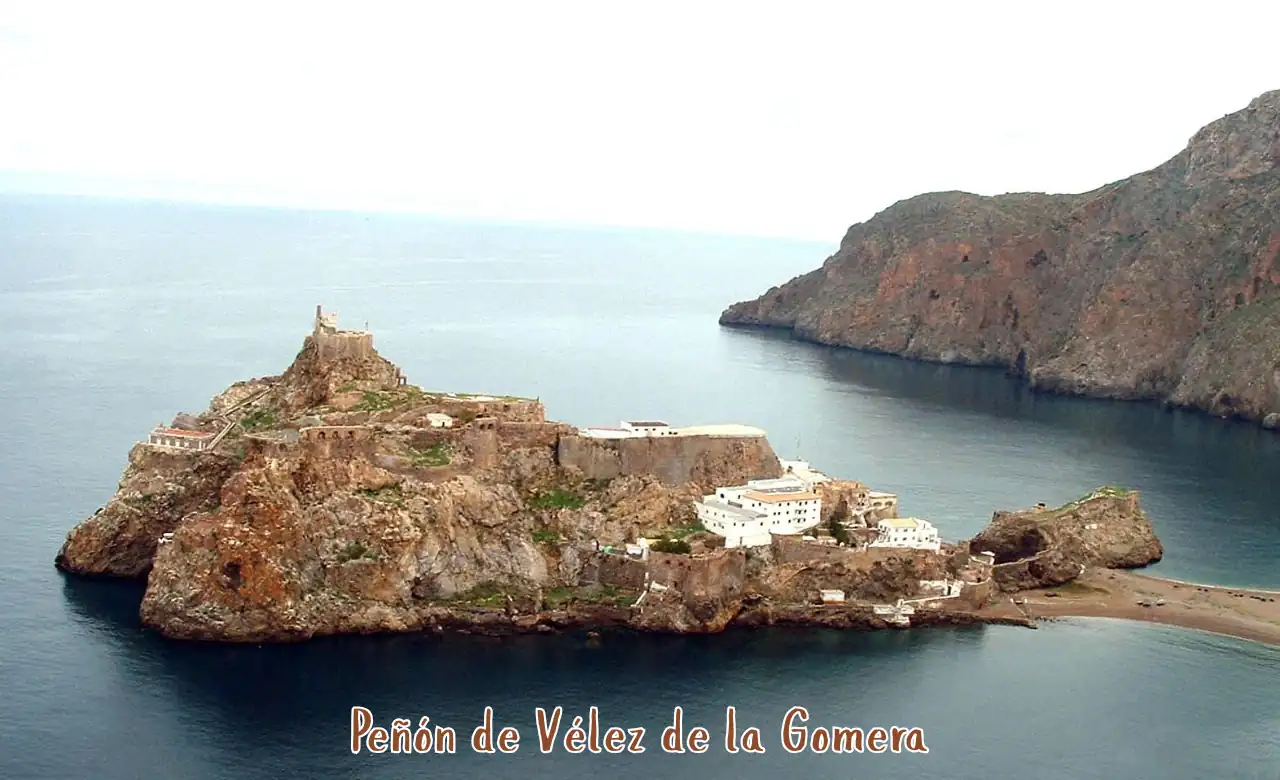
Peñón de Vélez de la Gomera is a small rocky peninsula controlled by Spain. It once stood as an island. A sandbar formed naturally in the 1930s and connected it to Morocco. This made it one of the world’s shortest international borders, only a few dozen meters long.
The rock holds military structures and steep cliffs. Access is restricted. The surrounding coastline looks sharp and rugged. Waves crash hard against the base.
This site appears in strange places in the world map searches because of its unusual geopolitical shape. Travelers often compare it to Bir Tawil and other border anomalies. The area remains quiet, with limited civilian presence.
36. Bir Tawil, Africa
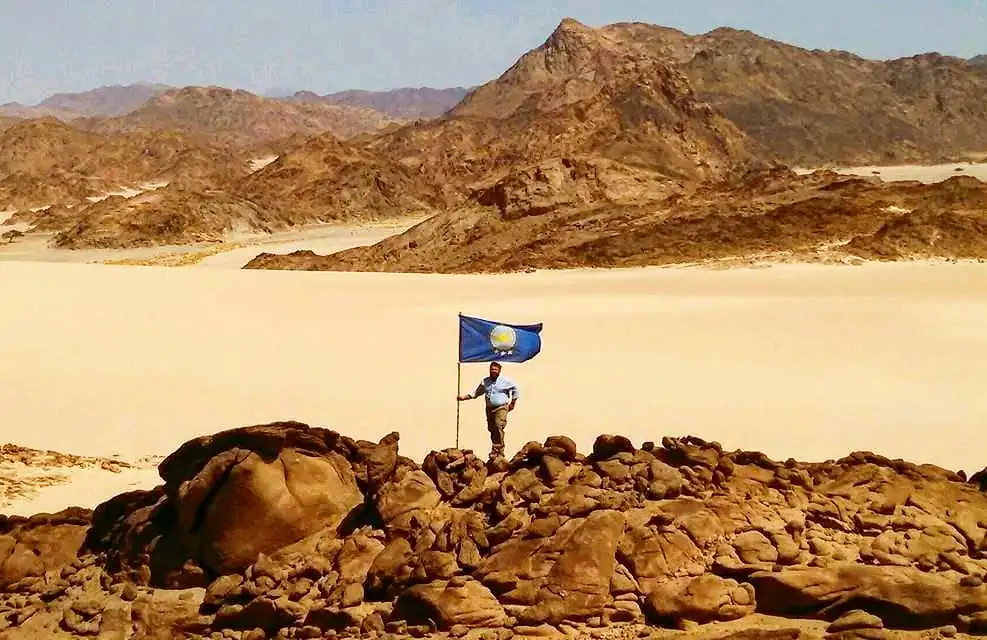
Bir Tawil is one of the strangest pieces of land on Planet Earth. No country claims it. Egypt and Sudan disagree on border lines, leaving Bir Tawil unclaimed. That makes it a rare example of terra nullius. The land is dry, empty, and shaped by desert winds.
Travelers describe the region as silent. There are no towns or roads. Only sand, scattered rocks, and heat. Some explorers attempted to “declare” micro-kingdoms here, including the well-known online claim of the “Kingdom of North Sudan,” but none hold legal status.
Bir Tawil appears frequently in strange places in the world map searches because of its political oddity. The nearby Egyptian desert adds to the feeling of isolation. The land remains untouched and unsettled, making it one of the truly unexplored areas on Earth.
37. Ernst Thälmann Island, Cuba
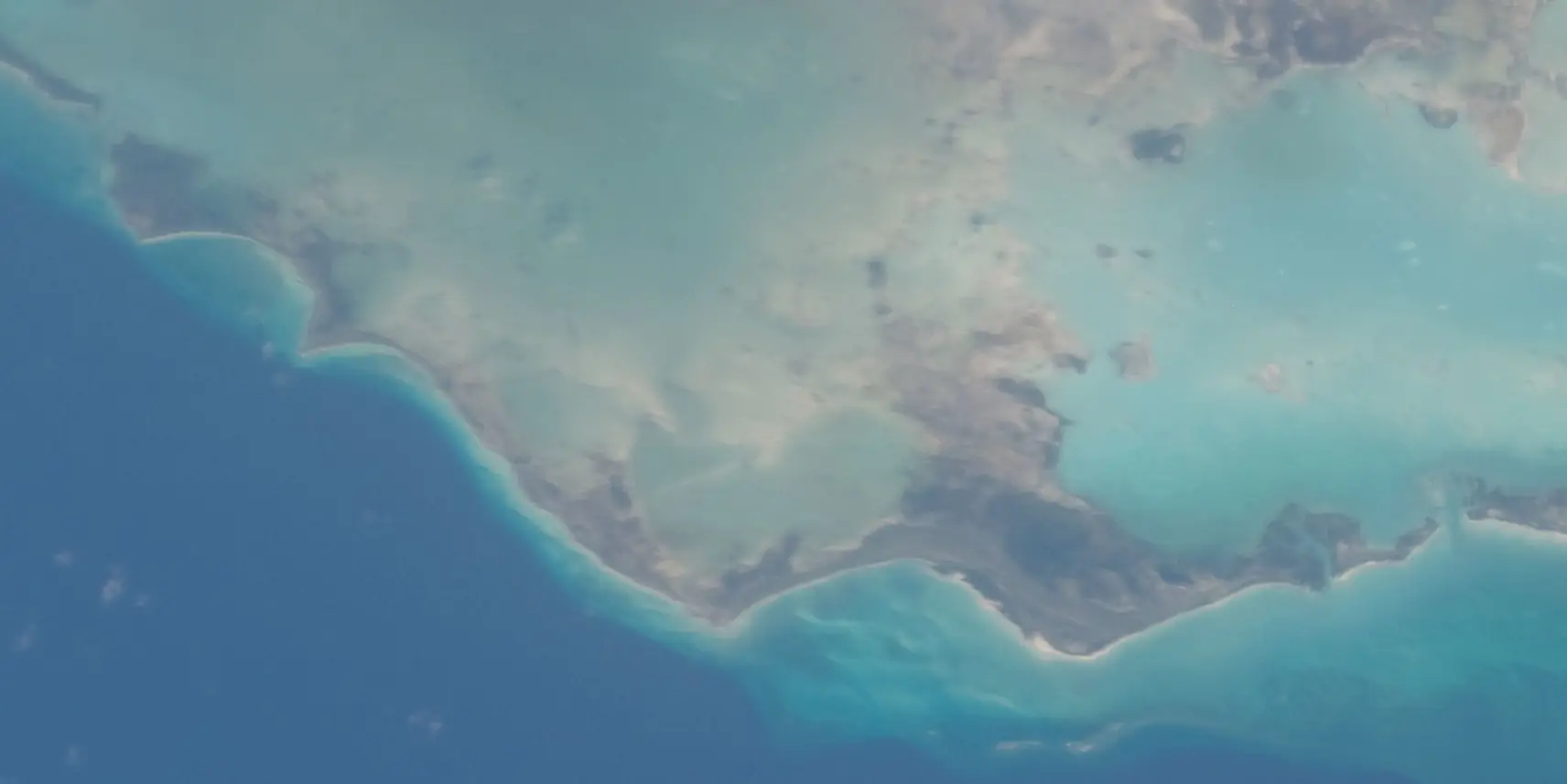
Ernst Thälmann Island looks like a normal Caribbean island, but its identity is unusual. In the 1970s East Germany “gifted” the island to Cuba during a diplomatic visit. Some documents treated it symbolically. Others implied real ownership. After German reunification the claim became unclear.
The island sits off the southern coast of Cuba. Palm trees line the shore. Waves break quietly on long stretches of sand. A statue of German politician Ernst Thälmann once stood here, though storms damaged it.
This site appears in guides about strange places in the world to visit because its political story feels surreal. It also shows up next to entries like Peñón de Vélez de la Gomera and Devil’s Island penal colony, places shaped by history rather than nature.
38. Baffin Island, Canada
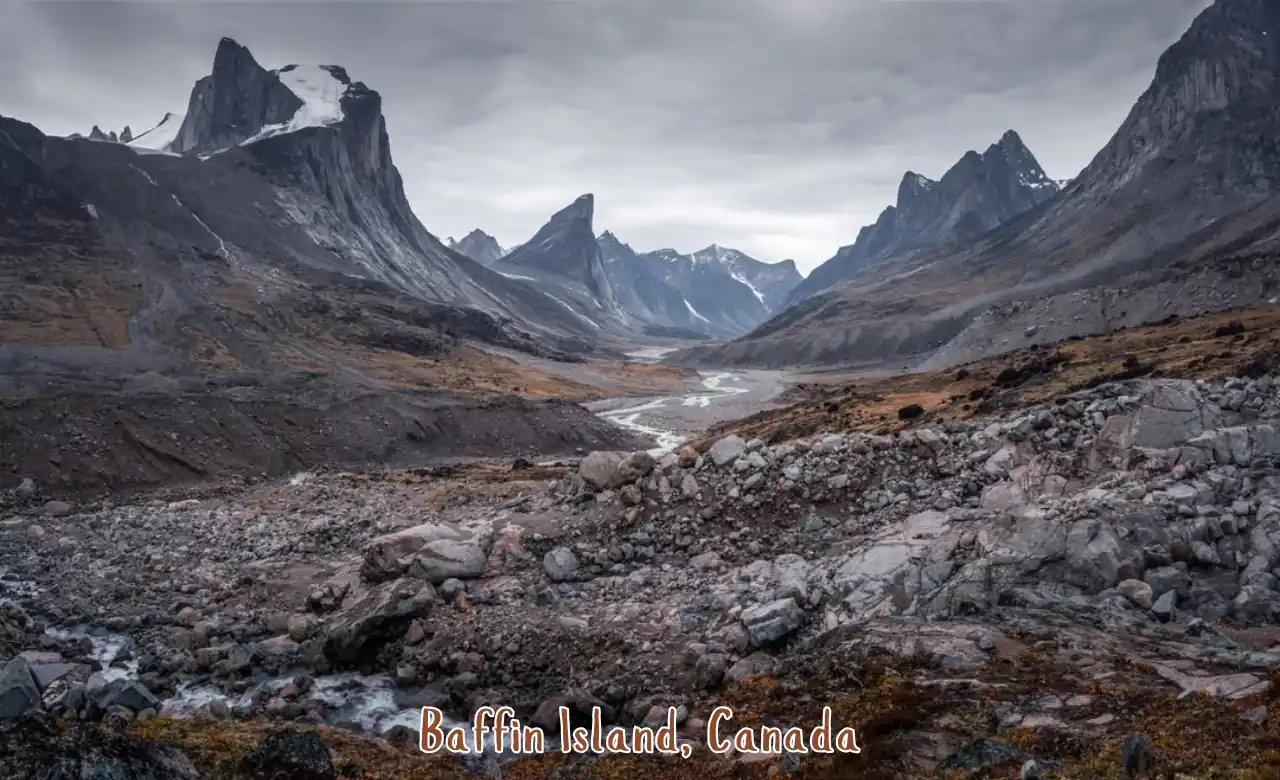
Baffin Island sits deep in Arctic territory. Snow covers much of the landscape. Mountains rise sharply. Fjords cut through the coast. In winter the region feels endless and frozen. The cold ranks it among the lugares más fríos on the planet.
Communities here rely on traditional Inuit knowledge. Wildlife includes polar bears, Arctic foxes, and narwhals. Long stretches of darkness define winter. In summer the sun barely sets. The landscape feels untouched, like a world before modern development.
Baffin Island appears in lists of strange places in the world because the environment seems otherworldly. It often gets compared with Antarctica, the Terra Nova Antarctic Expedition routes, and high-latitude mystery zones like the Richat Structure when discussing remote extremes.
39. Boulders Beach, South Africa
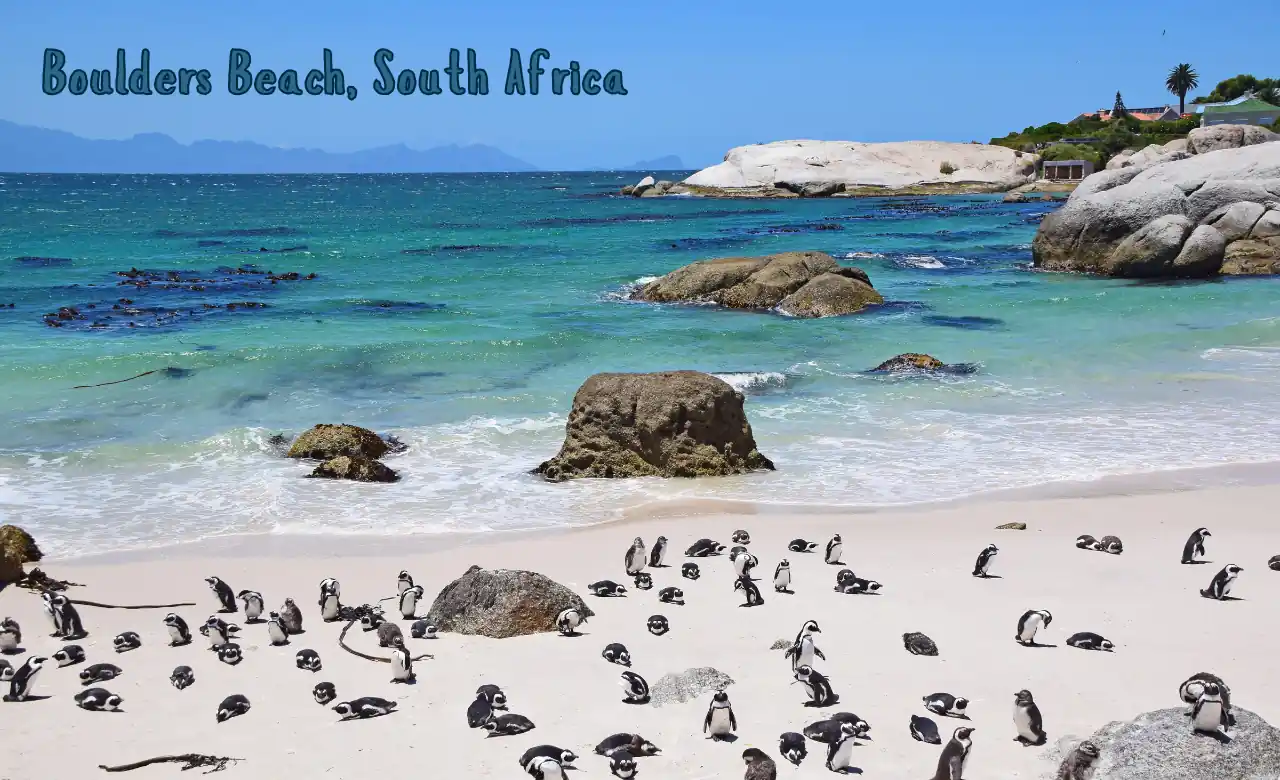
Boulders Beach is famous for its colony of African penguins. The birds walk freely between granite rocks. Clear blue water surrounds the shore. The contrast feels unusual. Penguins usually live in colder climates, not sunny beaches.
Boardwalks protect nesting areas. Visitors watch penguins swim, dive, and rest. The granite boulders create hidden pools. Families come for calm waves, though the beach remains a wildlife zone first. Swimming areas sit away from breeding spots.
Boulders Beach appears in lists of natural wonders because the location feels unexpected. The setting also ties into environmental studies and coastal conservation work. It remains one of the most charming yet strange places in the world to visit in southern Africa.
40. Hacienda Nápoles, Colombia
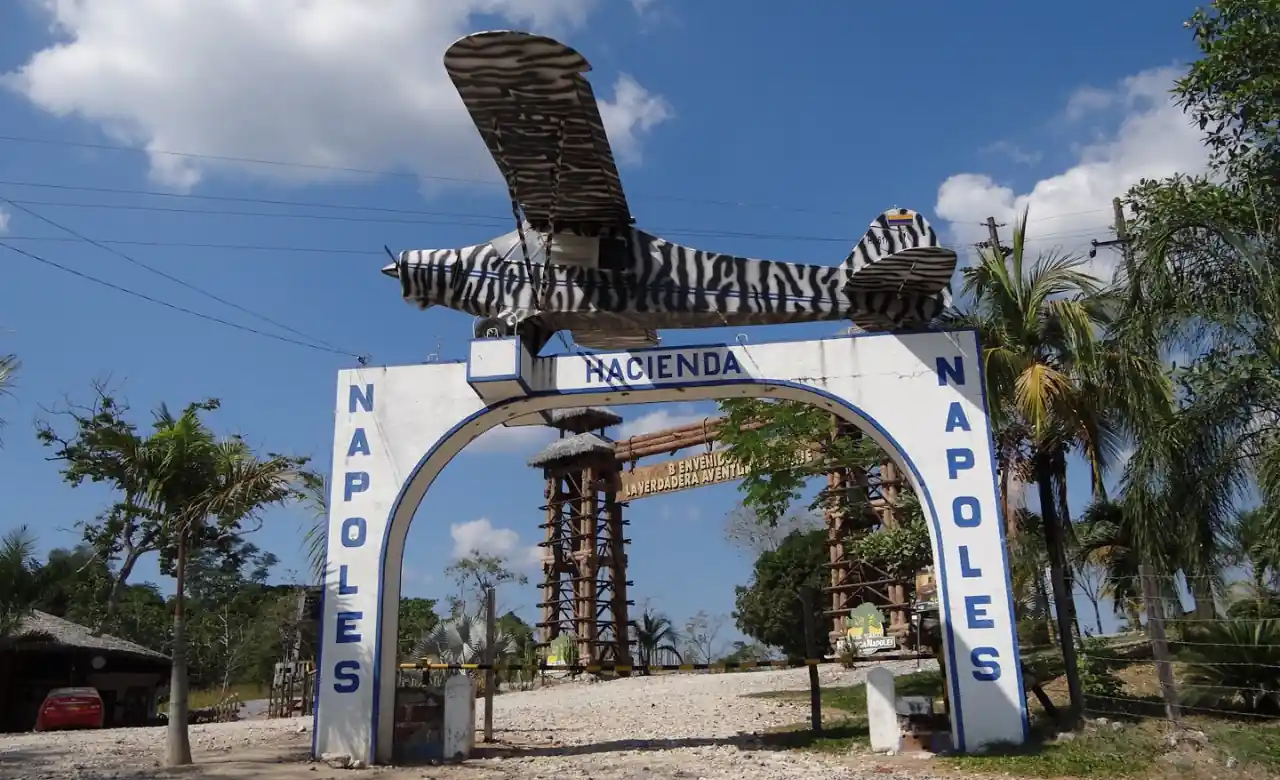
Hacienda Nápoles once served as the private estate of Pablo Escobar. The property held exotic animals, private runways, and unusual architecture. After Escobar’s death the estate changed hands and later became a theme park and wildlife attraction.
Visitors now walk past dinosaur statues, old jeeps, and restored buildings. Some remnants of the past remain, including Escobar’s old car and a few surviving structures. Hippos introduced during the estate’s operation still roam the surrounding region. Their presence continues to spark global debate.
Hacienda Nápoles appears in lists of strange places in the world map searches because of its mix of history, wildlife, and crime legacy. The setting feels surreal, blending tropical scenery with remnants of Colombia’s most controversial figure.
41. Devil’s Island Penal Colony, French Guiana
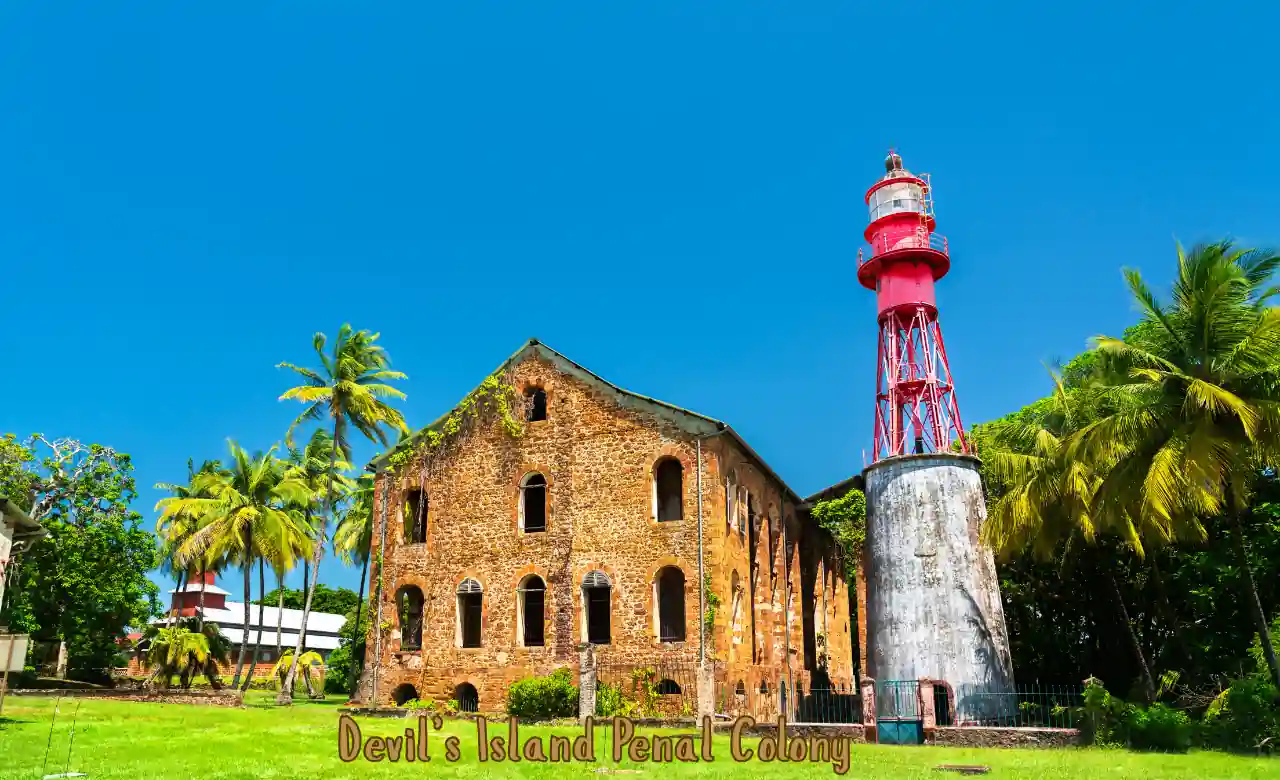
Devil’s Island was once part of a harsh French penal system. Prisoners lived in isolation. Many never returned. The island sits off the coast of French Guiana. Dense jungle surrounds old stone buildings. Waves crash hard on the rocky shore.
The colony opened in the 19th century. Conditions were severe. Heat, illness, and rough terrain made escape nearly impossible. Some buildings still stand today. Moss covers walls. Rusted bars remain in place. The silence adds to the eerie feeling.
Devil’s Island often appears in guides about strange places in the world because of its dark history. It also links to World War Two relocations and discussions of political prisoners. The location remains remote, making the site feel frozen in time.
42. Akon City, Senegal
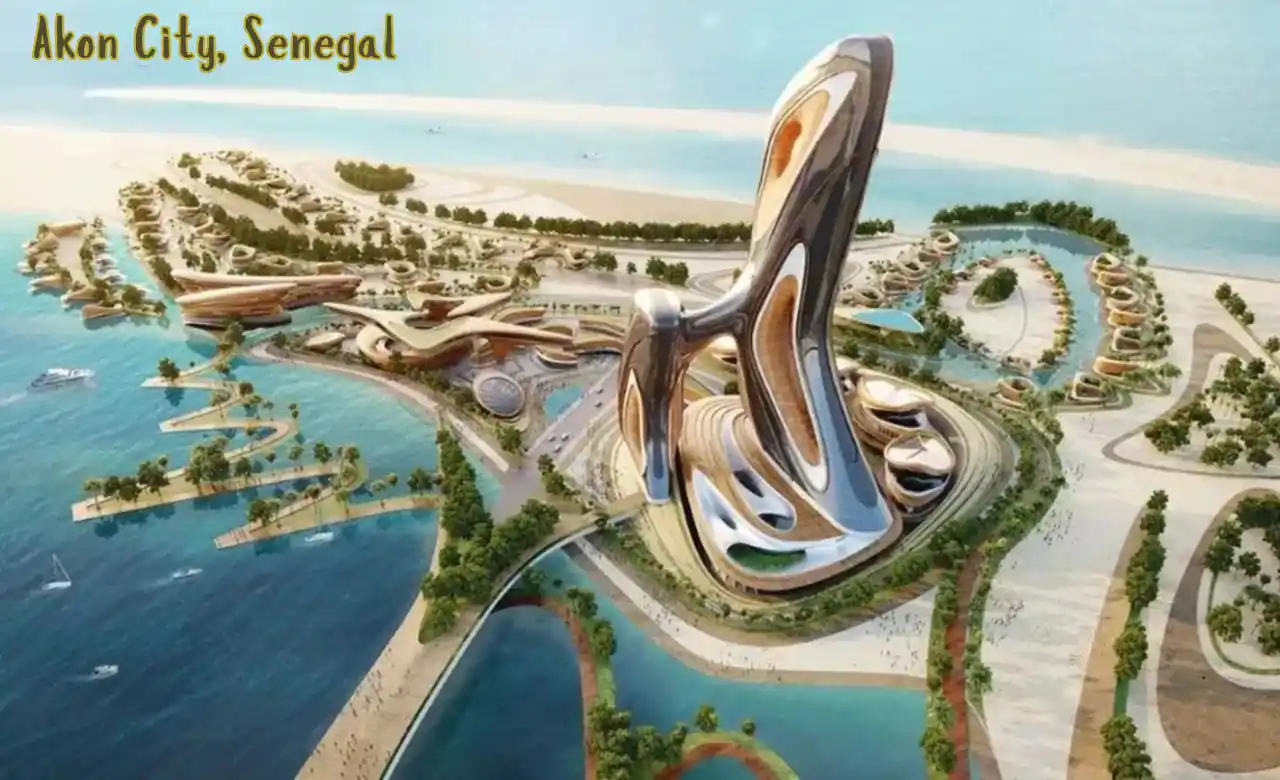
Akon City is a planned futuristic development backed by the singer Akon. The project aims to create a tech-forward, sustainable city near Dakar. The design includes tall towers, modern transit, and renewable energy systems. Construction phases remain ongoing, but the concept alone gained global attention.
Renderings show smooth white buildings shaped by curves. The style feels almost sci-fi. Investors see it as an example of Africa’s potential for large-scale innovation. The land covers several square kilometers. Proposed zones include technology hubs, housing districts, and tourism centers.
Akon City appears in strange places in the world to visit discussions because of the contrast between vision and reality. Some compare it to public housing utopia experiments or ambitious United Nations urban programs. The project remains symbolic of futuristic dreams in West Africa.
43. Sinai Desert, Egypt
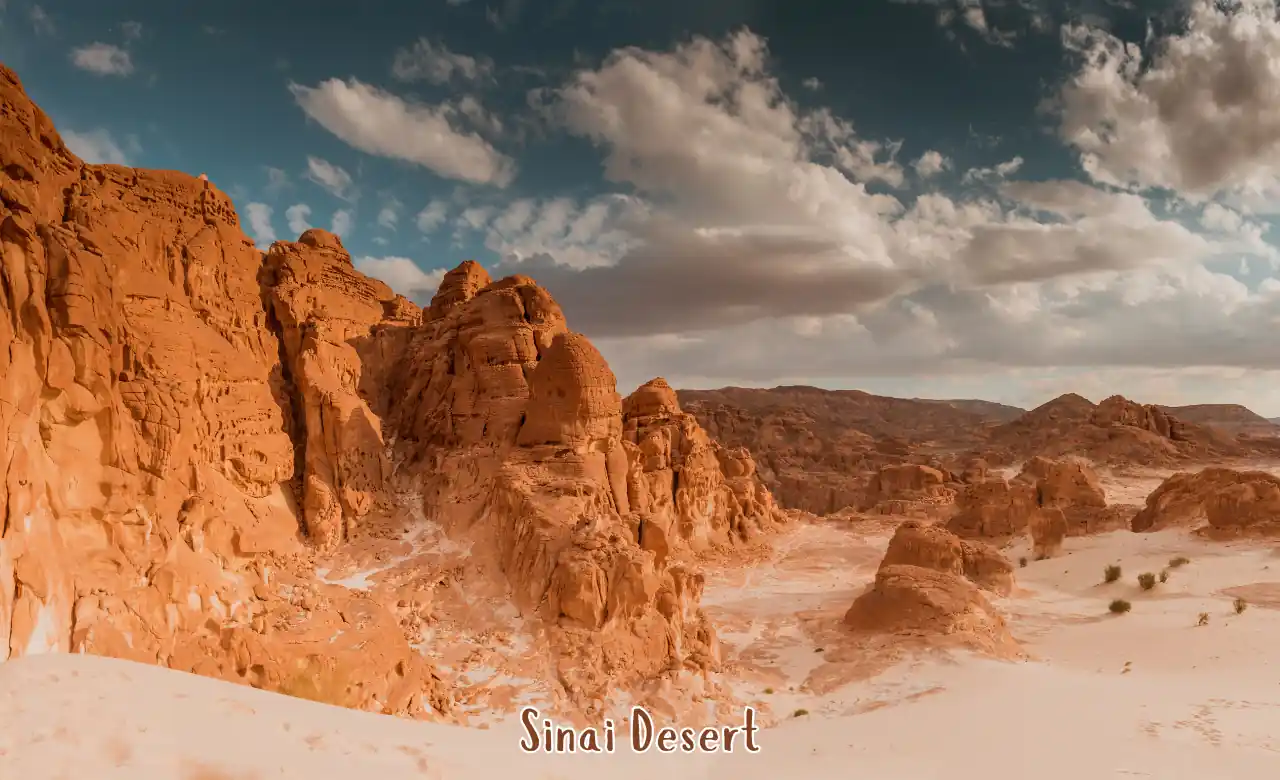
The Sinai Desert sits between Africa and Asia. Sand, rock, and mountains stretch for miles. Temperatures shift sharply between day and night. Bedouin communities live here using traditional knowledge passed through generations. The land feels open and quiet.
Trails lead through valleys shaped by wind and time. Some routes follow ancient trade networks. Stories link the region to religious history, including events tied to Moses. Sharp cliffs rise along the Red Sea. Sunlight paints the mountains in gold, orange, and deep red.
Sinai appears in top 10 strange places in the world lists because of its dramatic geology and deep cultural layers. It also connects to the Sinai Desert film sets like the End of the World Cinema location and nearby abandoned structures.
44. Palácio de Ferro, Angola
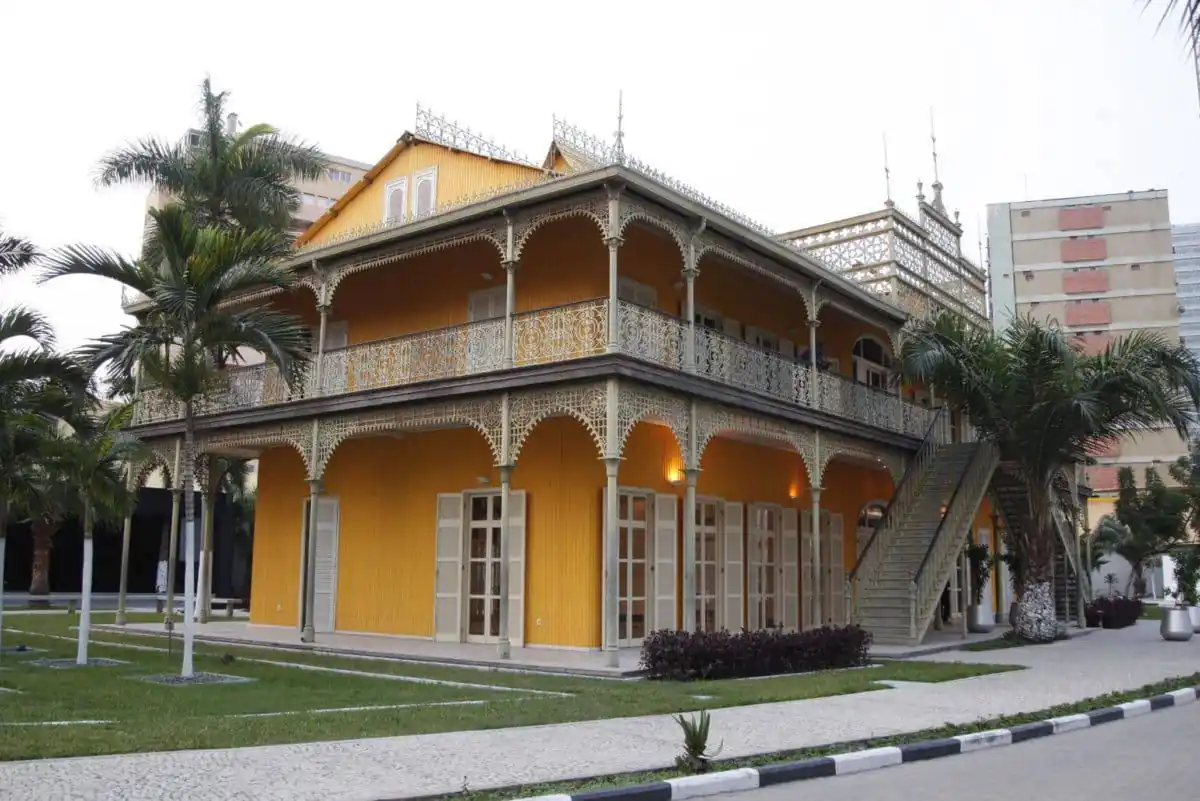
Palácio de Ferro stands in Luanda. The building’s design is credited to Gustave Eiffel, though debate continues. The structure uses iron panels, arches, and decorative frames. It looks different from surrounding architecture, adding to its mystery.
Some believe the building was meant for Madagascar and arrived in Angola by mistake. Others think the shipment changed during colonial transitions. The building sat abandoned for years. Restoration brought back its yellow exterior and metal detailing.
Palácio de Ferro appears in lists of strange places in the world map searches because of its uncertain origin. It fits discussions tied to Museums in Strange Places and cross-continental design exchanges. Today it serves as a cultural space where visitors gather for art events.
45. Cuilcagh Legnabrocky Trail, Northern Ireland
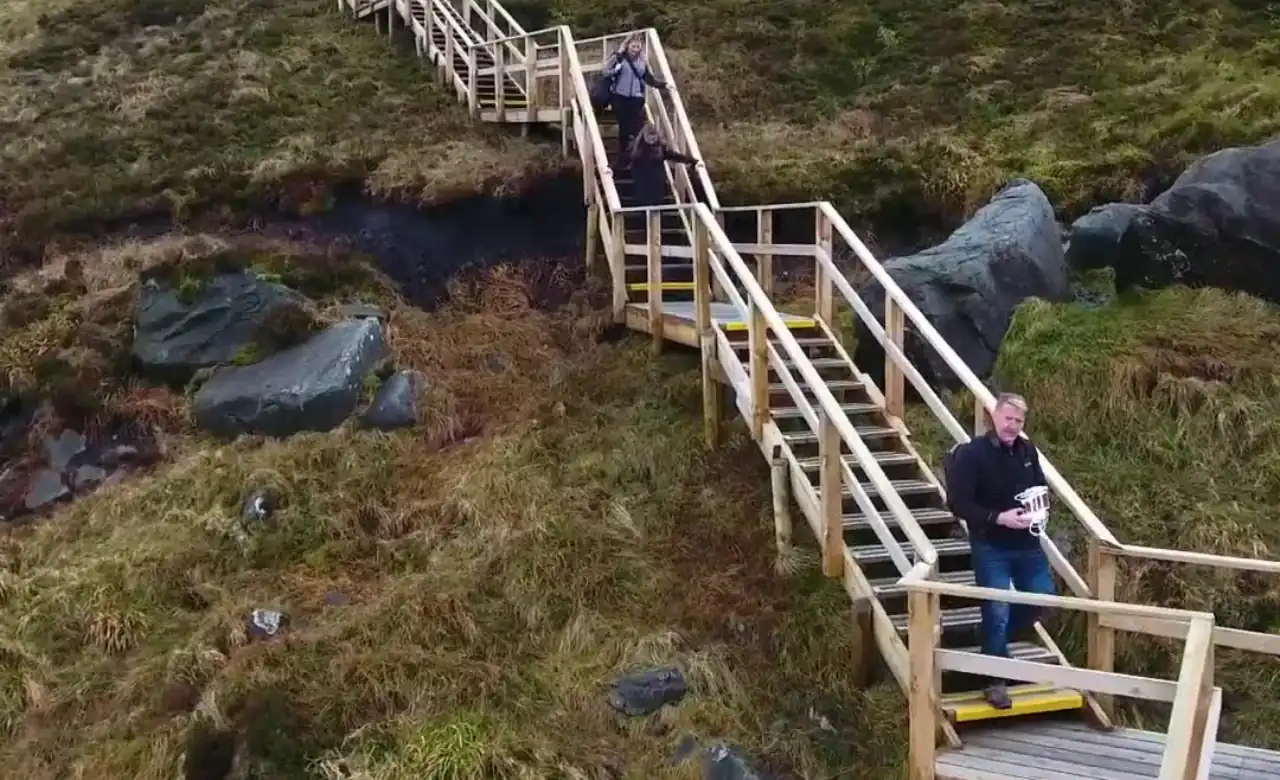
The Cuilcagh Legnabrocky Trail is known as the “Stairway to Heaven.” A long wooden boardwalk rises across bogland. The trail climbs steadily toward Cuilcagh Mountain. Views open over lakes and rolling hills. Wind moves across the wide landscape.
The boardwalk protects sensitive peatland from erosion. The trail gained attention after social media posts showed its dramatic scenery. Some compare its look to Zhangjiajie or Tianzi Mountains because of the elevated walkway leading to a high viewpoint.
Cuilcagh appears in 7 unique places in the world discussions because the experience feels surreal. Fog sometimes covers the upper path. On clear days the horizon stretches far across Northern Ireland. The trail remains one of the region’s most photographed natural wonders.
Final Thoughts
Strange places in the world pull you in for different reasons. Some feel surreal because of their colors. Others unsettle you with silence, heat, or stories that never fully make sense. Each one reminds you that Planet Earth is far more unpredictable than it looks on a map.
You don’t need to visit all 45 places at once. Start with what calls you. Maybe a volcanic crater. Maybe a glowing waterfall. Maybe a forgotten island with a tangled past. These destinations stay with you because they don’t behave like normal landscapes.
Travelers often search for the top 10 strange places in the world or the 7 most mysterious and unexplored places on Earth. But real curiosity begins when you look at places that sit outside the usual lists. Some are remote. Some require long travel days. All give you stories you won’t forget.
FAQs About Strange Places in the World
1. What is the most unusual place on Earth?
Many travelers consider the Darvaza Gas Crater in Turkmenistan the most unusual because it burns nonstop in the middle of the desert.
2. What are the most unique places on the planet?
Places like Salar de Uyuni, Blood Falls, Lake Hillier, and Socotra Island rank high for their rare colors, ecosystems, and extreme landscapes.
3. What are some very strange places on Earth that barely anyone knows about?
Bir Tawil, El Ojo, Whale Bone Alley, and the Stone Spheres of the Diquís stay under the radar but remain incredibly unusual.
4. Why are certain places in the world considered strange or mysterious?
They show rare natural events, unexplained formations, unusual colors, or histories that don’t have clear answers.
5. What are some of the strangest places in the world?
The Bermuda Triangle, Devil’s Bridge, Coober Pedy, Zhangye Danxia, and the Island of the Dolls appear on most global “strangest places” lists.
6. Which countries have the strangest natural or man-made attractions?
China, Bolivia, Turkmenistan, the United States, and Japan often rank highest for extreme landscapes and unusual creations.
7. What makes the Door to Hell in Turkmenistan unique?
It’s a flaming gas crater that has burned continuously for decades, creating a massive fire pit in the Karakum Desert.
8. Which strange places are known for paranormal or unexplained activity?
The Bermuda Triangle, Area 51, Marfa Lights, and Loch Ness remain hotspots for unexplained sightings and eerie stories.
9. How is travel safety managed when visiting remote or dangerous strange places?
Visitors follow guided tours, keep distance from unstable ground, and follow local safety rules for volcanic, desert, or high-altitude areas.
10. Are any strange places in the world safe to live in?
Yes. Towns like Coober Pedy and regions like Baffin Island have stable communities adapted to extreme environments.
11. Which strange places are best for photography?
Rainbow Mountain, Zhangye Danxia, Salar de Uyuni, and Blood Falls offer dramatic colors and surreal landscapes ideal for photos.
12. What strange attractions come from human history rather than nature?
Hacienda Nápoles, Devil’s Island penal colony, Coral Castle, and Palácio de Ferro stand out for unusual human stories and origins.