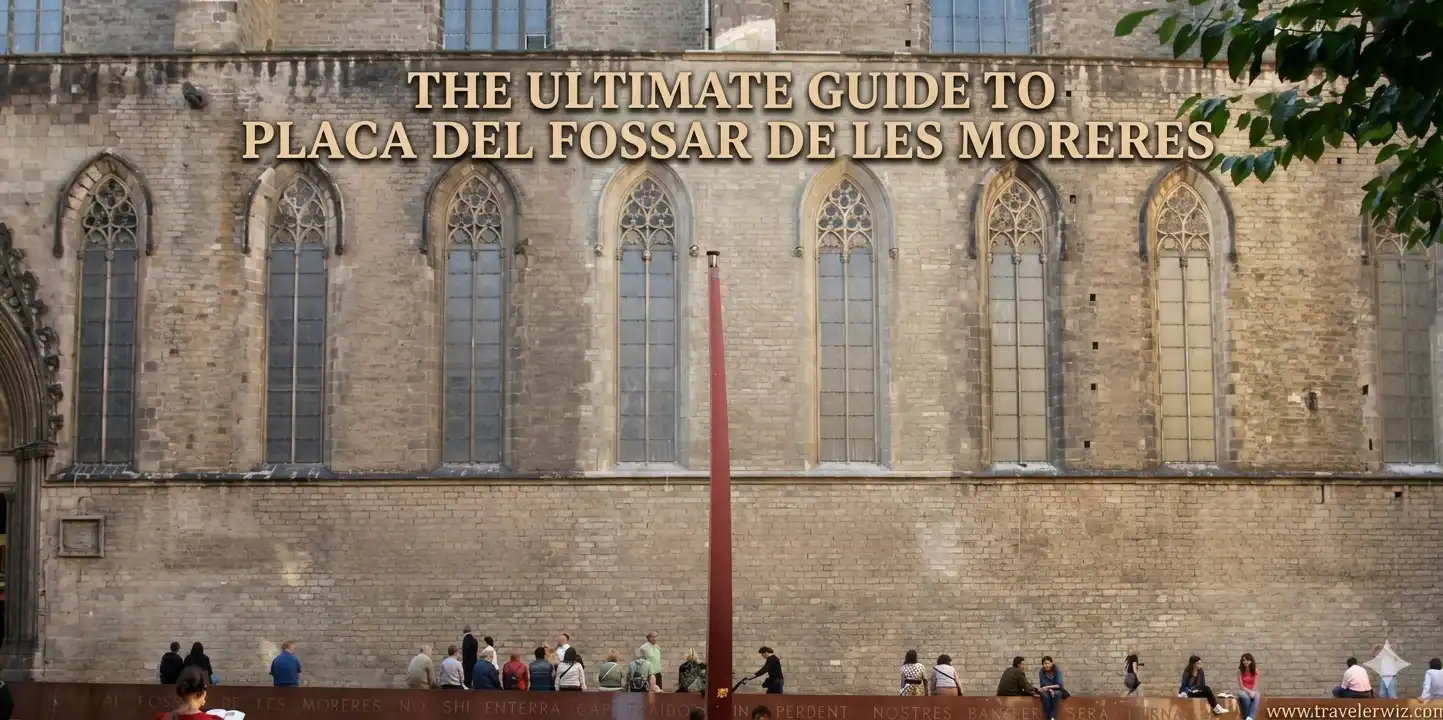
The Ultimate Guide to Placa del Fossar de les Moreres

Right behind the stunning Santa Maria del Mar lies a hidden memorial square few tourists notice, but its story will stop you in your tracks.
This small square in the Ribera neighborhood marks the end of Catalan independence after the Siege of Barcelona (1714), when the city fell, and centuries-old institutions were dismantled.
Today, Placa del Fossar de les Moreres Barcelona stands as a powerful symbol of resilience, memory, and identity, especially during La Diada.
If you are exploring El Born’s hidden gems, learning about Barcelona’s history in 1714, or simply walking past Santa Maria del Mar, this Barcelona memorial square is the best place to pause, reflect, and experience the city beyond typical tourist spots.
Let’s get to know more about this place!
📍 Where Is Plaça del Fossar de les Moreres Located?
Plaça del Fossar de les Moreres is located in the El Born district of Barcelona, directly behind Santa Maria del Mar and a short walk from Passeig del Born. The square sits in the historic Ribera neighborhood, one of the city’s most culturally significant areas.
It is within walking distance of major attractions like Museu Picasso and the Gothic Quarter, making it easy to include in a Barcelona walking itinerary.
✔️ How to Get There
The easiest way to reach Plaça del Fossar de les Moreres is by metro. Take Line L4 (yellow line) to Jaume I Metro Station, then walk 6–7 minutes through the El Born neighborhood. The route passes historic streets that connect the Gothic Quarter with Ribera, placing the square in a central tourist area.
If you’re visiting on foot from Barcelona Cathedral or Palau de la Música Catalana, you can reach the square in under 15 minutes. The street Carrer del Fossar de les Moreres leads directly to the memorial site, improving map search accuracy for variations too.
But if you can’t map out, scroll down to find the landmarks to get there easily.
✔️ Landmarks Near Fossar de les Moreres, Barcelona
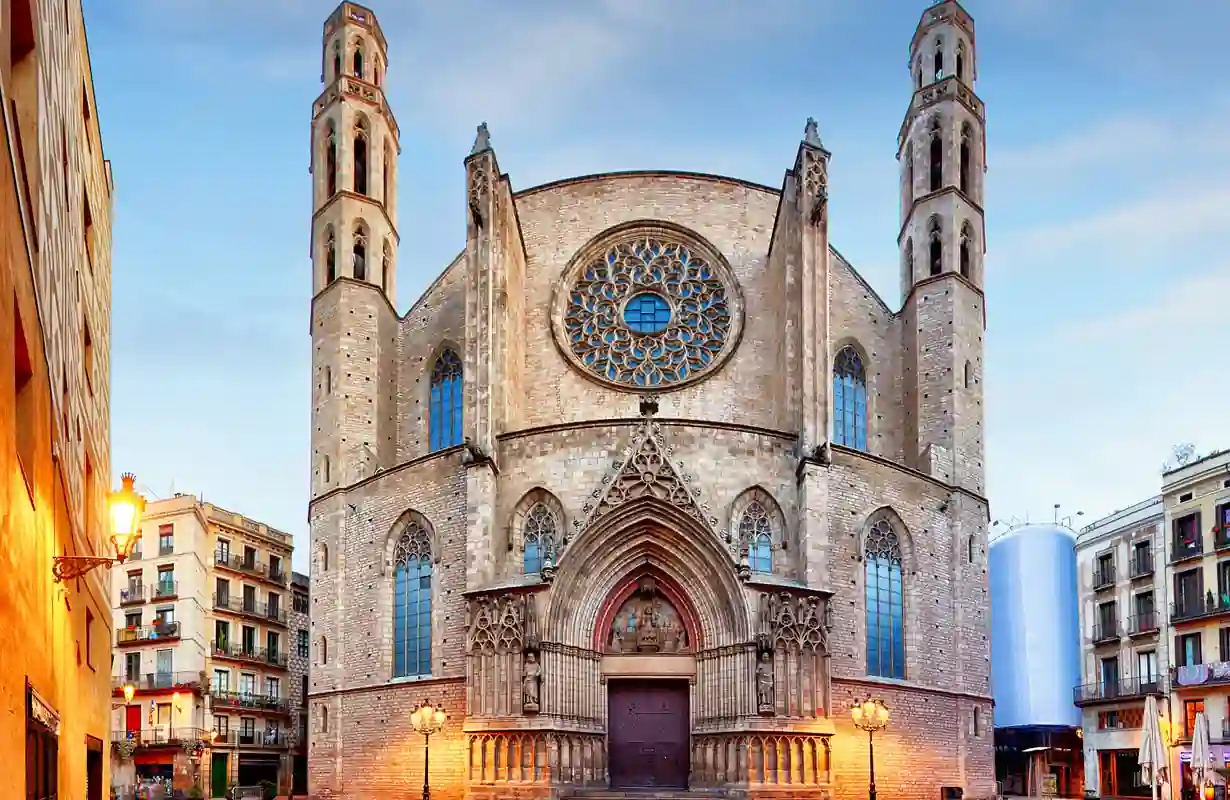
Plaça del Fossar de les Moreres is surrounded by key cultural landmarks in El Born. The square is adjacent to Santa Maria del Mar, one of the finest examples of Catalan Gothic architecture.
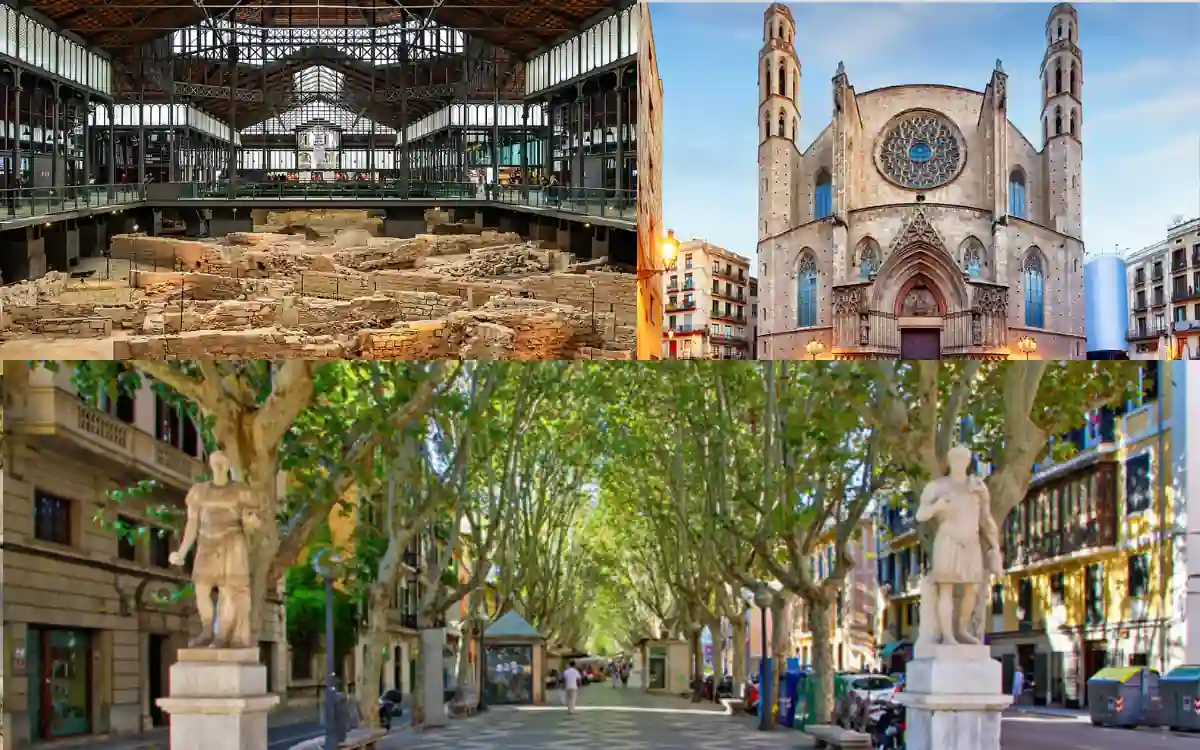
Just a short walk away is Born Centre de Cultura i Memòria, which preserves archaeological remains from the Siege of Barcelona (1714) and provides historical context for the memorial.
The nearby Passeig del Born features restaurants, cafés, and historic buildings, making the area ideal for combining cultural exploration with local dining. Together, these landmarks position Plaça del Fossar de les Moreres as an essential stop on any Barcelona history walking route.
🕰️ History of Plaça del Fossar de les Moreres
Plaça del Fossar de les Moreres isn’t just pretty or quiet, it’s sacred and heavy with memory.
The Beginning of the End: Siege of Barcelona (1714)
In 1714, during the War of the Spanish Succession, Barcelona fell to the army of Philip V after a 14-month siege. This marked the loss of Catalan political autonomy and the decline of institutions linked to the Crown of Aragon. The defeat reshaped Catalonia’s governance, culture, and language, making 1714 a defining moment in Barcelona’s history.
Burial Site of Catalan Defenders
Plaça del Fossar de les Moreres became the burial ground for Catalan soldiers and civilians who died defending the city. Because of this, the square is more than a public space — it is a historical memorial connected to Catalan identity, resistance, and collective memory.
La Diada: Catalonia’s National Day
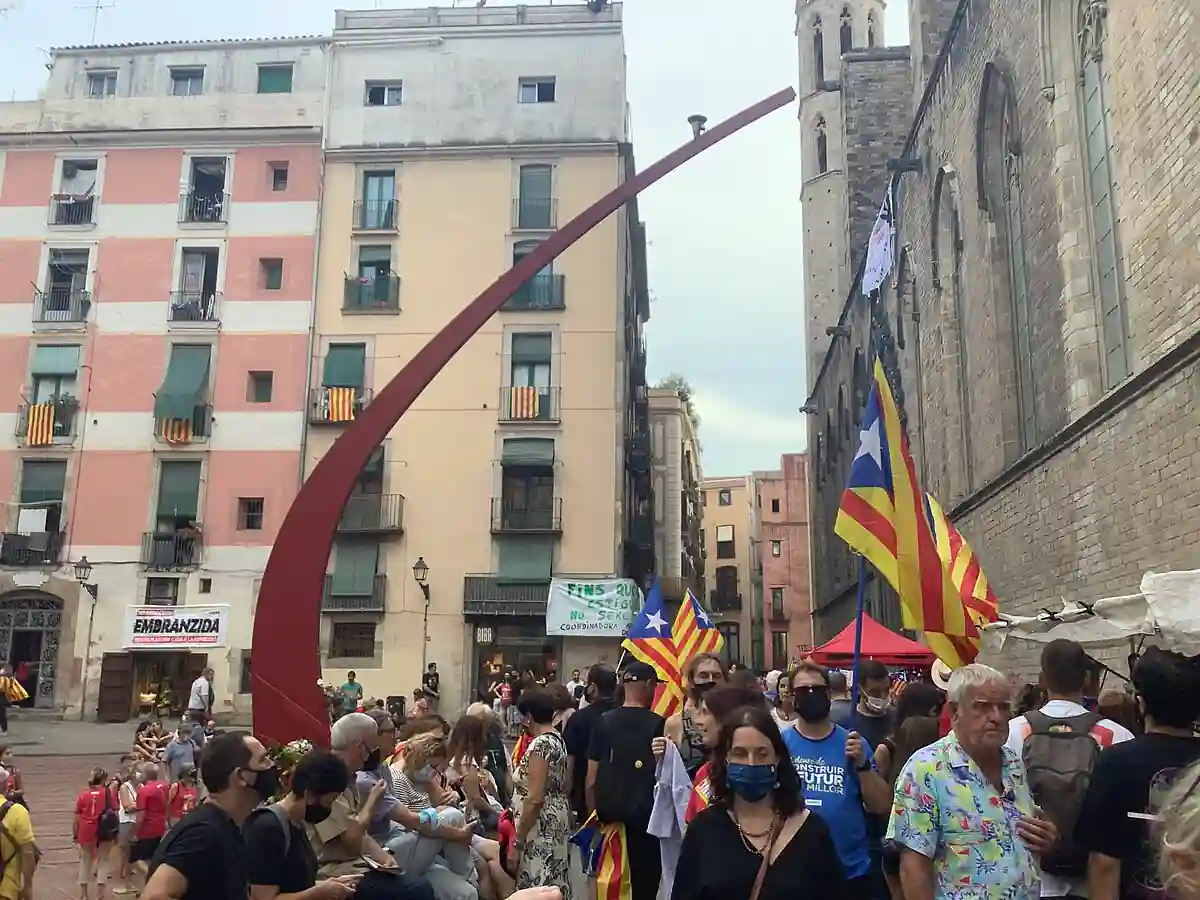
Every year on September 11, the square becomes a focal point for Diada Nacional de Catalunya, commemorating the fall of Barcelona in 1714.
You will see floral tributes, ceremonies, and quiet gatherings that honor Catalan heritage.
Explore more on Via del Governo Vecchio: The Ultimate Guide
🎭 What to See at Plaça del Fossar de les Moreres
Now that you know the history of this place, let’s find out what’s worth visiting there.
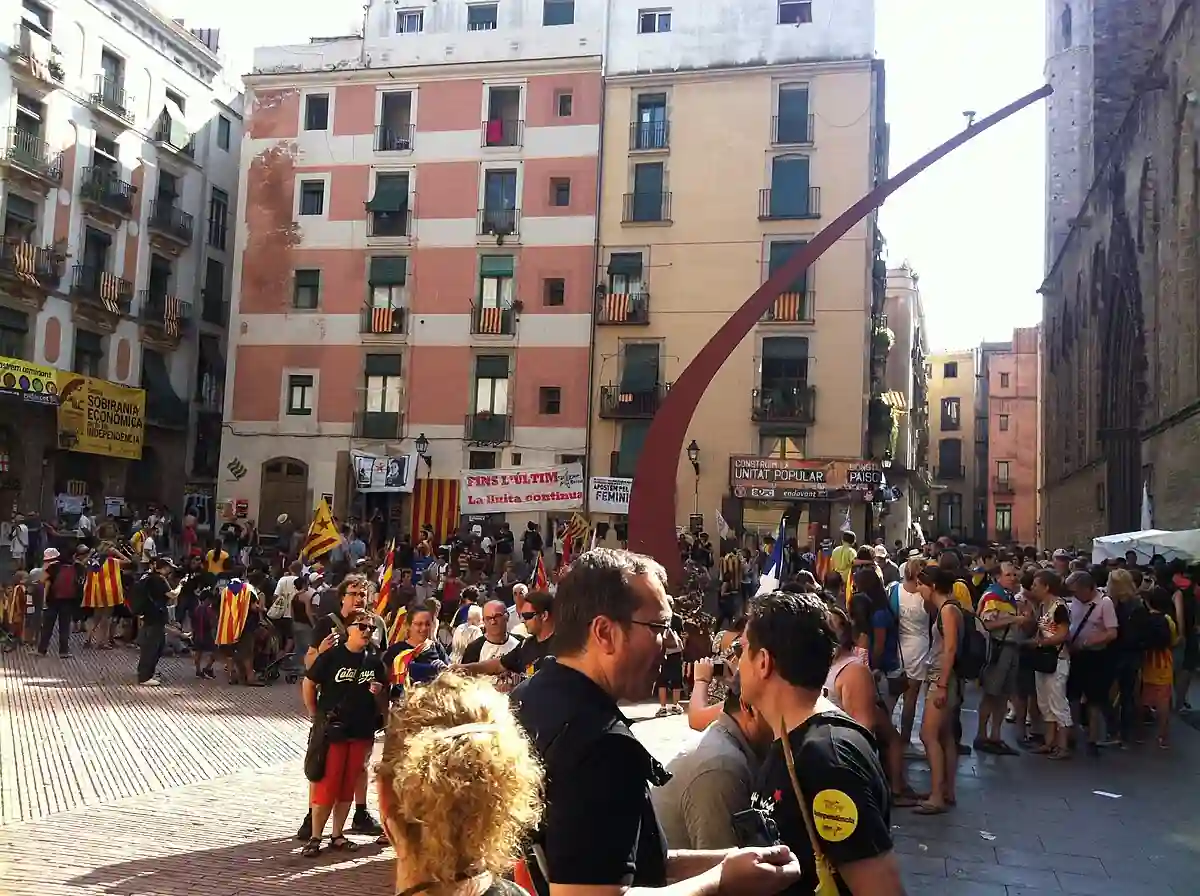
Alright, so now that you know the backstory, let’s talk about what your eyes will actually take in when you stand there. Because while the square is simple in design, every element feels intentional.
✔️ The Eternal Flame & Memorial Poem
At Plaça del Fossar de les Moreres, the engraved poem by Frederic Soler (also known as Serafí Pitarra) expresses loyalty, sacrifice, and Catalan resistance during the Siege of Barcelona (1714).
The famous line honors those who defended Barcelona and reflects the strong connection between memory and identity in Catalan history.
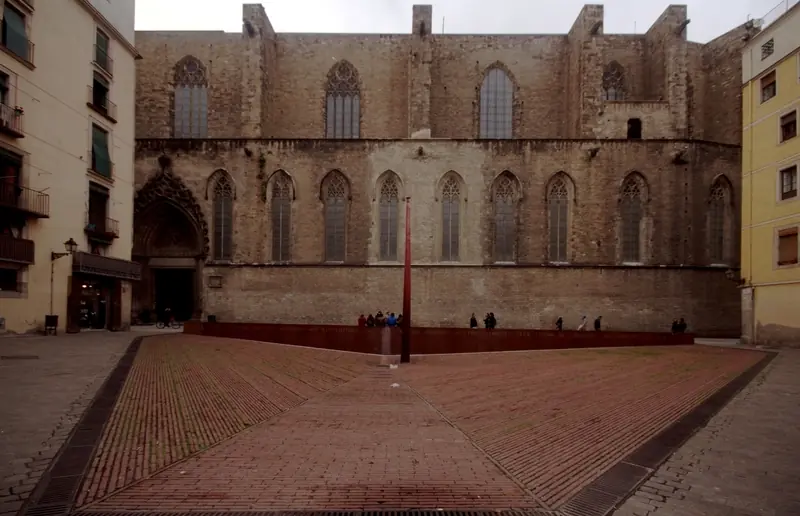
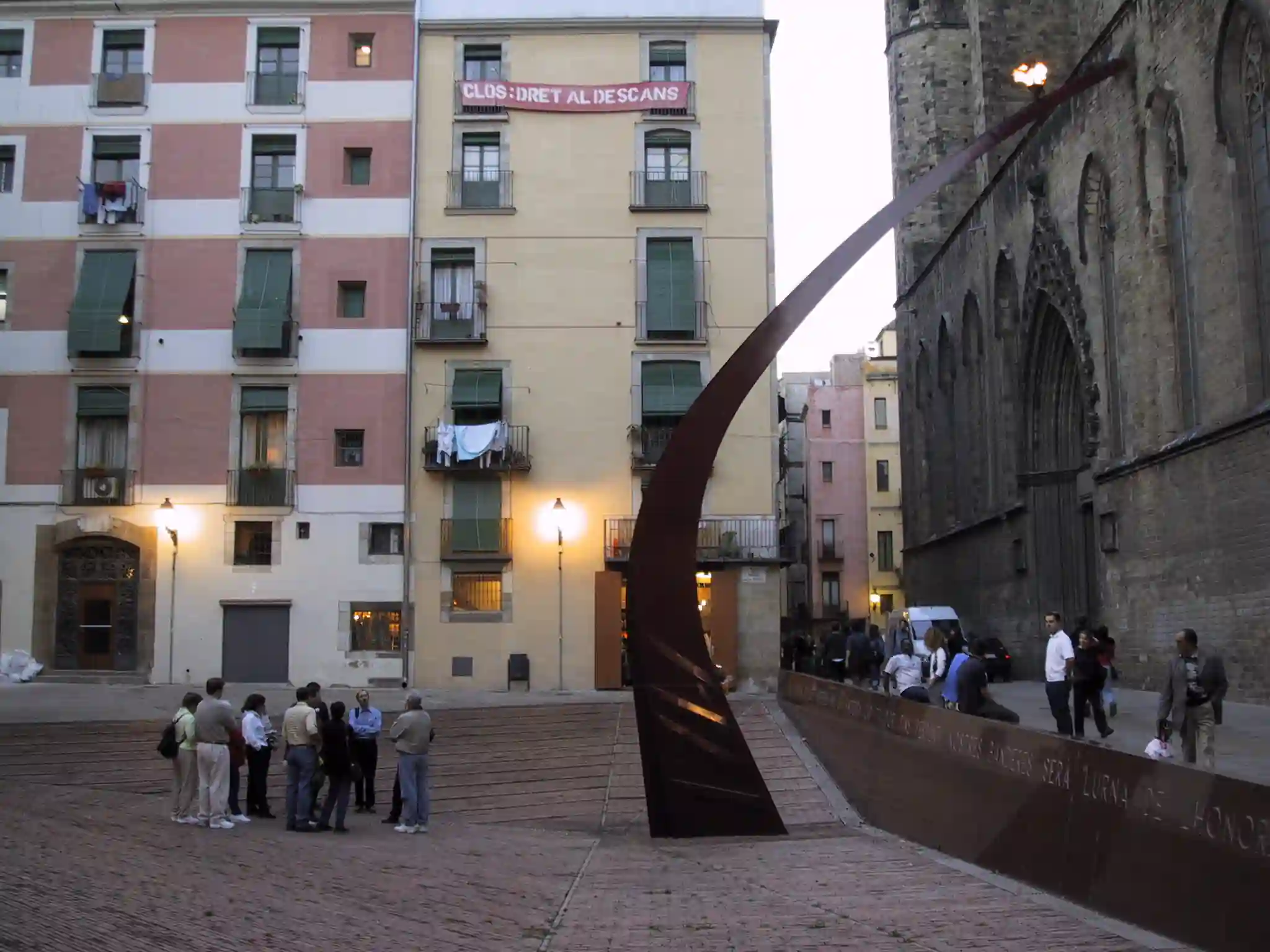
The dark red brick paving represents the bloodshed of 1714, while the eternal flame symbolizes remembrance for the fallen soldiers and civilians.
Fossar de les Moreres is similar to the Tomb of the Unknown Soldier found in many European countries, where anonymous defenders are honored for their role in protecting their homeland.
✔️ Memorial Architecture and Red Brick Symbolism
The square was redesigned by Carme Fiol and Alfons Viaplana, using dark red brick paving to symbolize the bloodshed of the War of the Spanish Succession.
Here, you can find the modern layout contrasts with the Gothic structure of Santa Maria del Mar, visually connecting past and present. Iron columns line the edges of the square, reinforcing the solemn character of the memorial space.
Layout, Architects, and Cultural Atmosphere of Plaça del Fossar de les Moreres
The current layout of Plaça del Fossar de les Moreres was designed by architects Carme Fiol and Alfons Viaplana. It combines modern memorial design with historical symbolism.
The square features dark red brick paving that symbolizes sacrifice during the 1714 Siege of Barcelona, while the iron columns surrounding the space create a structured, solemn atmosphere.
📷 Best Times to Visit Fossar de les Moreres
Choosing the right time to visit Plaça del Fossar de les Moreres can be a game-changer.
- Morning is the quietest time to explore Fossar de les Moreres, making it ideal if you want a peaceful place to reflect on Catalonia’s history.
- Evening and sunset create a different mood, as the warm light highlights the contrast between the square and the nearby Santa Maria del Mar.
- The most meaningful day to visit is September 11, known as Diada Nacional de Catalunya. This annual event commemorates the fall of Barcelona in 1714 and honors the Catalan defenders buried at Fossar de les Moreres.
- Spring and autumn are the best seasons to visit Fossar de les Moreres because of the comfortable weather and moderate crowds in Barcelona.
✔️ September 11 – Catalonia’s National Day

If you’re even a little curious about Catalan identity or politics, this is the day to visit. Known as Diada Nacional de Catalunya, or simply La Diada, it marks the fall of Barcelona during the Siege of 1714.
The plaza becomes the heart of remembrance. You’ll see Catalan flags, floral offerings, and crowds of people gathered in silence—or sometimes song.
There are ceremonies, speeches, sometimes performances. It can be emotional. It can also be… crowded. So, maybe plan ahead if you’re not a fan of being in the middle of large gatherings.
The energy on this day is unlike any other. It’s not loud in the party sense, but there’s a deep current of pride running through everything. Even if you don’t fully grasp the political undertones, you’ll feel the emotion. It’s layered, honest, and real.
🧭 Walking Routes in El Born Near Plaça del Fossar de les Moreres
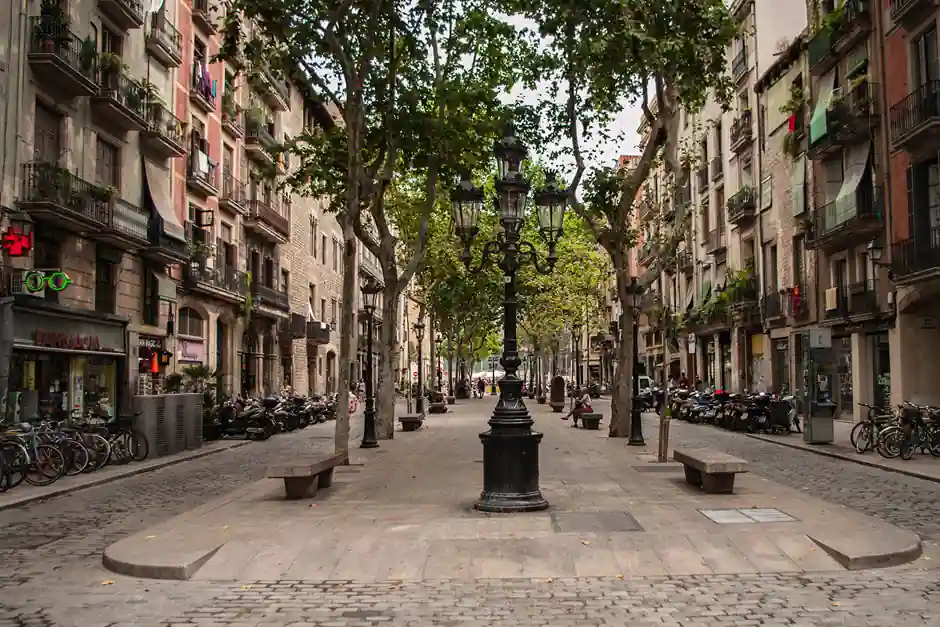
Exploring the historic El Born district on foot is the best way to understand the cultural and historical context of Plaça del Fossar de les Moreres.
Because the area is compact and rich in heritage landmarks, you can easily combine several important Barcelona attractions into one walking route.
✔️ Museu Picasso → Santa Maria del Mar → Fossar de les Moreres
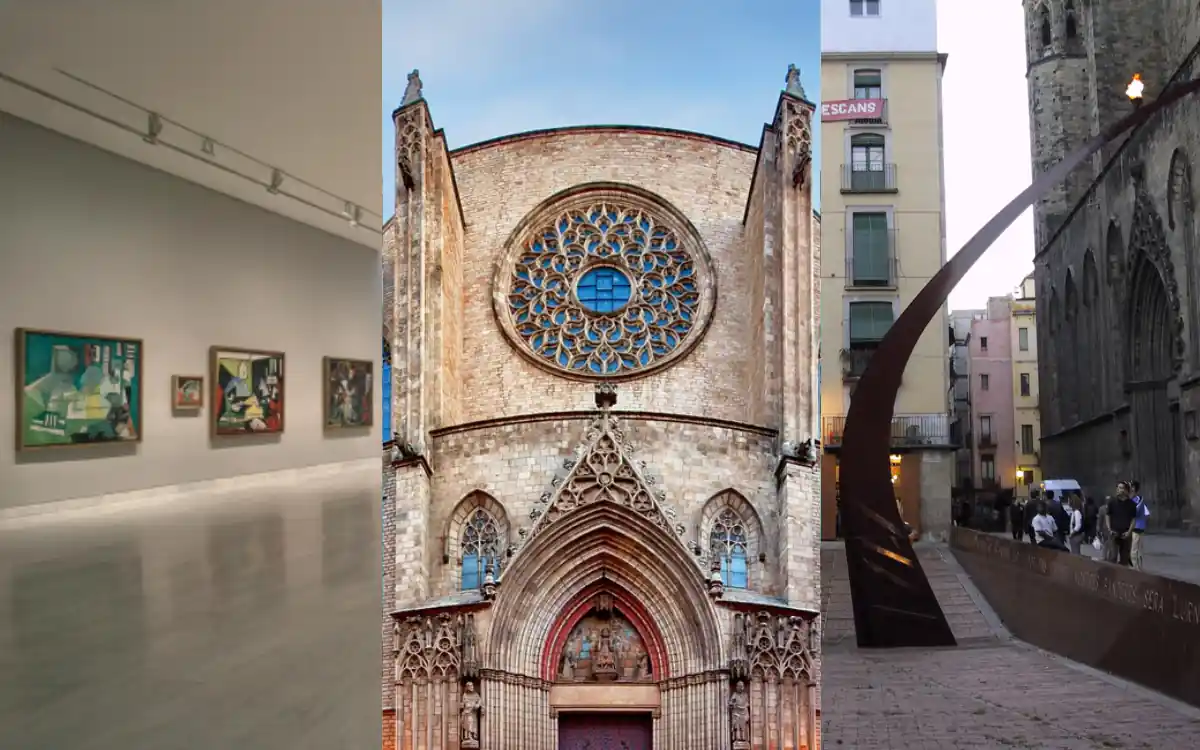
This route begins at Museu Picasso, one of the most visited cultural sites in Barcelona. The museum is located in medieval palaces along Carrer de Montcada, which already gives you a sense of the architectural character of the Ribera neighborhood.
From there, continue walking toward Santa Maria del Mar, a masterpiece of Catalan Gothic architecture known for its historical importance and elegant design. As you move through narrow streets filled with local boutiques and cafés, you will arrive at Fossar de les Moreres, located just behind the basilica.
✔️ Optional Stops: Chocolate Museum, Passeig del Born, El Born CCM
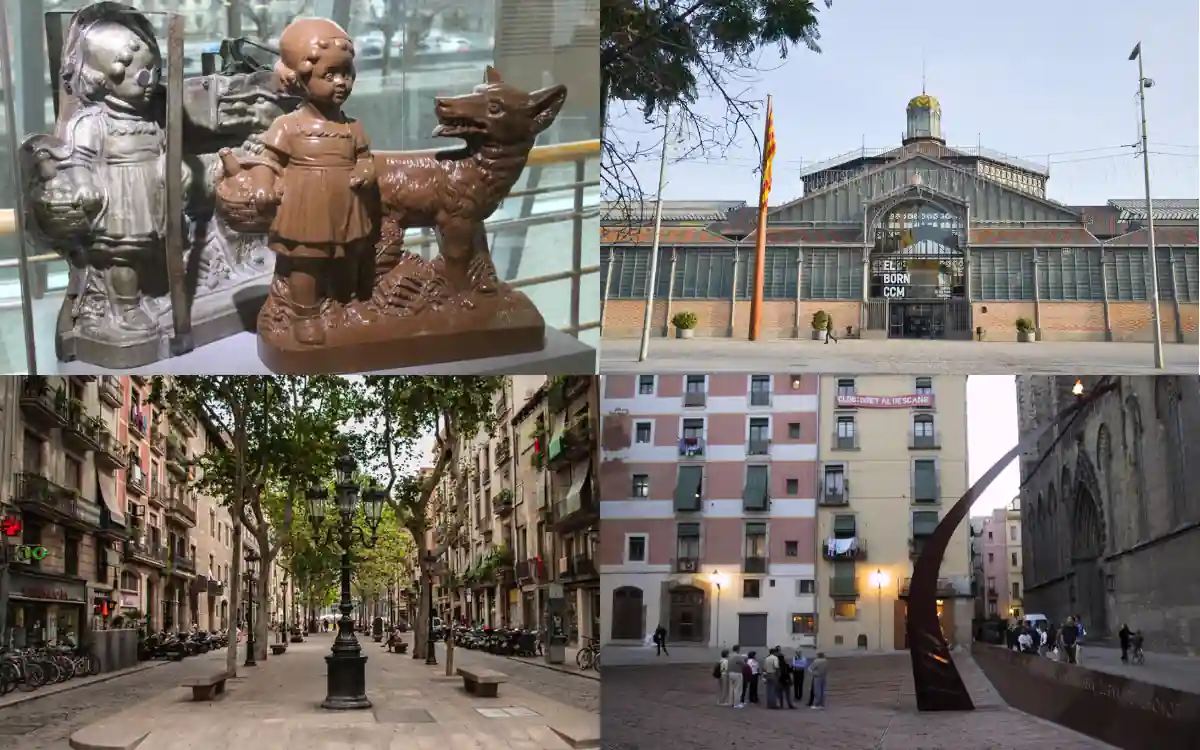
If you want to extend your walking experience, several nearby attractions provide additional cultural context. The Museu de la Xocolata offers a lighter, family-friendly stop that contrasts with the historical tone of the memorial square.
From there, you can continue to Passeig del Born, a lively street known for restaurants, cafés, and historic buildings.
Another important location is the Born Centre de Cultura i Memòria, which preserves archaeological remains from the Siege of Barcelona (1714). Visiting this museum helps you better understand the historical events connected to Plaça del Fossar de les Moreres.
Hidden Gems and Secret Corners in El Born
While walking through El Born, you will also discover hidden squares, small art galleries, and traditional shops that reflect authentic Barcelona culture.
Streets like Carrer de Montcada and nearby alleys often feature medieval architecture, independent designers, and quiet corners that most tourists overlook.
Exploring these hidden gems allows you to experience Barcelona beyond the main attractions, while still staying close to Fossar de les Moreres and other historical landmarks.
🍷 Where to Eat and Drink Nearby
You will find many dining options within walking distance of the Memorial Square.
✔️ Casual Local Spots
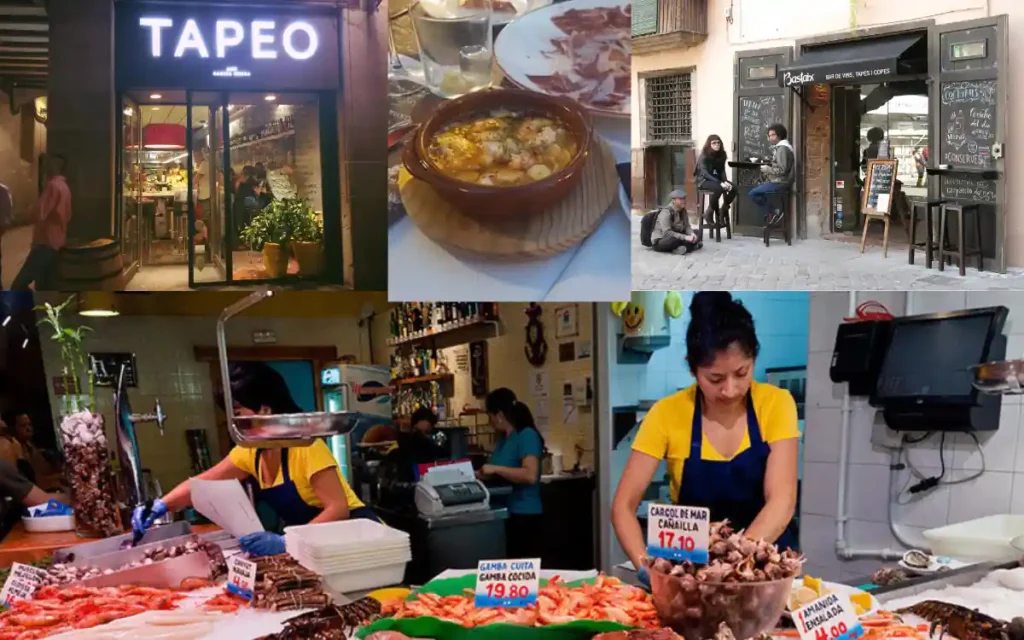
For authentic local flavors, Tapeo is a popular choice known for traditional Spanish tapas and fresh ingredients. Another well-known option is La Paradeta, where you can select fresh seafood and have it prepared immediately.
These restaurants provide a casual dining experience that complements a historical walking tour in El Born.
✔️ Classy Options with a View
If you prefer a more relaxed atmosphere, La Vinya del Senyor offers a wide selection of Catalan wines with views near Santa Maria del Mar. Similarly, El Born Wine Bar combines modern dining with local flavors, making it suitable for visitors who want to enjoy the atmosphere of the El Born district after visiting Fossar de les Moreres.
🧳 Tips for First-Time Visitors
- No public restroom inside the square, but cafés and museums nearby offer facilities
- Keep noise low and avoid disruptive behavior
- Photography is allowed, but maintain a respectful tone
- Flexible itinerary to explore nearby El Born attractions
- Bring comfortable walking shoes for cobblestone streets
- Weather-appropriate clothing for the Barcelona climate
✔️ Respectful Behavior
This one probably doesn’t need to be said, but… let’s say it anyway. The plaça del fossar de les moreres isn’t just another pretty square. It’s a memorial. A space that holds real weight for a lot of Catalans.
So, it’s best to treat it like you would a cemetery or a place of remembrance. Quiet voices. No loud music. Maybe skip the selfie stick.
Definitely don’t bring food and sit down for a picnic there. It might look like just another open plaza, but for locals, it’s sacred ground. A space where Catalan victims of the War of the Spanish Succession were buried. Where Catalan resilience is still honored today.
📝 Conclusion: A Silent Heart of Catalan Memory
Plaça del Fossar de les Moreres is more than a quiet square in El Born. It stands as a symbol of Catalan identity, remembrance, and the legacy of the Siege of Barcelona (1714).
Located beside Santa Maria del Mar, this historic memorial blends culture, architecture, and a meaningful travel experience. If Barcelona is on your travel list, make sure to add Fossar de les Moreres to your itinerary.
You’ll love the vibe!
Frequently Asked Questions
1. What is Plaça del Fossar de les Moreres?
A historic memorial square in El Born, Barcelona, honoring Catalan defenders who died during the Siege of Barcelona (1714). It sits beside Santa Maria del Mar.
2. What does “Fossar de les Moreres” mean?
It means “cemetery of the mulberry trees.” The site was originally a burial ground for victims of the 1714 siege.
3. Is it the same as el fossar de les moreres barcelona or plaça del fossar de les moreres 3?
Yes. These are naming variations or address references for the same memorial square in the El Born district.
4. What’s that poem engraved on the ground?
The famous line from the el fossar de les moreres poema by Frederic Soler reads: “Al fossar de les Moreres no s’hi enterra cap traïdor…” It symbolizes Catalan identity, resistance, and remembrance.
5. Is this square connected to the War of the Spanish Succession?
Yes. Fossar de les Moreres commemorates people who defended Barcelona against the Bourbon army of Philip V of Spain in 1714.
6. Can I just walk in anytime?
No. It is a free public square open all day. Visitors are expected to maintain respectful behavior, as this is a cultural memorial site.
7. How do I get there using public transport?
Take Metro Line L4 to Jaume I Station. From there, it is a 5–7 minute walk through El Born via Carrer del Fossar de les Moreres.
8. What else can I see nearby?
Nearby landmarks include Born Centre de Cultura i Memòria and Museu Picasso, all within walking distance.
9. Is it worth visiting if I’m not into history?
Yes. The square’s architecture, symbolism, and peaceful atmosphere make it a meaningful stop even for casual travelers exploring Barcelona.
10. What’s the best time of day to visit?
Morning offers fewer crowds and a reflective atmosphere, while evening provides softer light for photography. Visiting during Diada Nacional de Catalunya (September 11) offers a deeper cultural context.