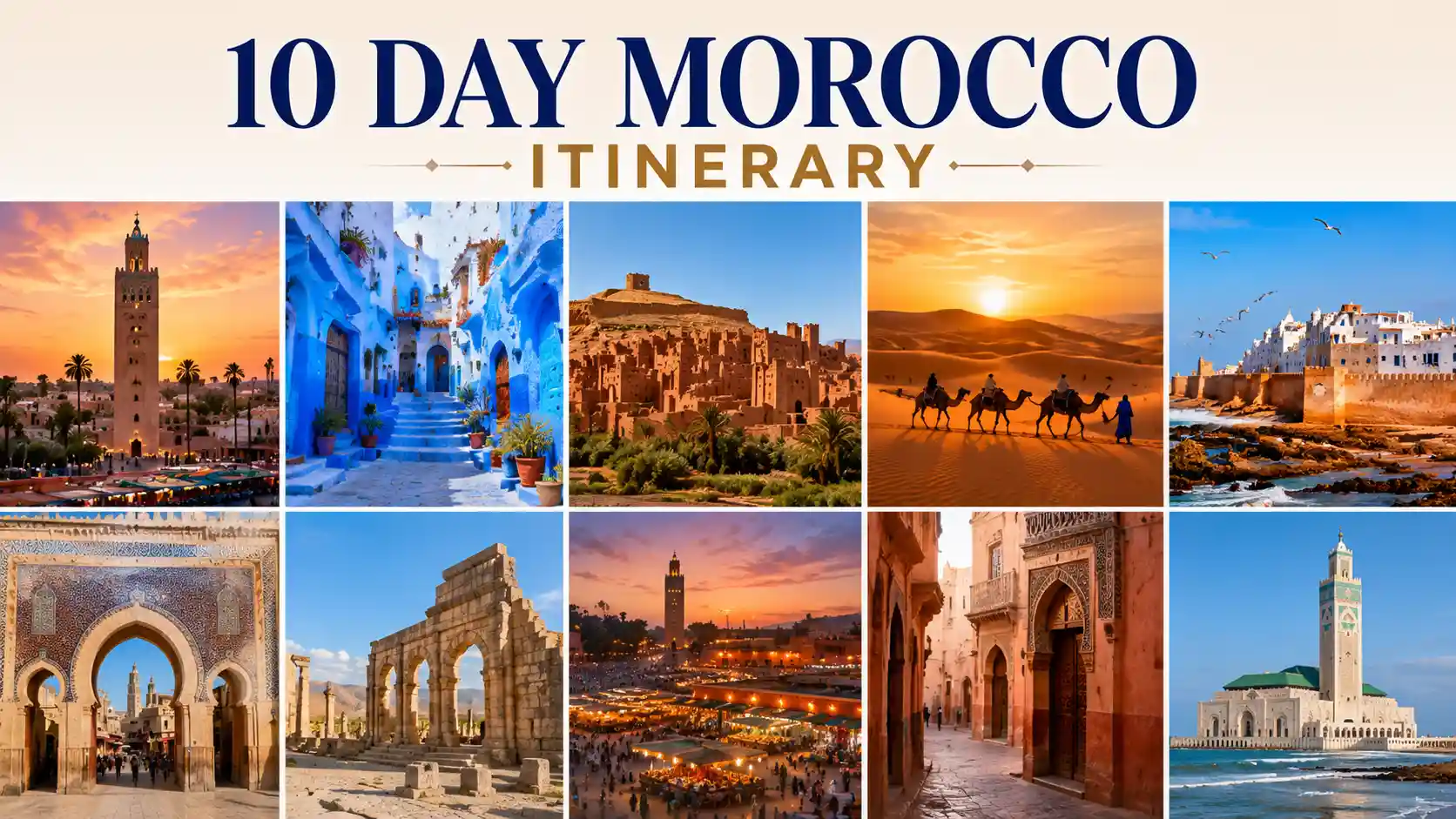
The Ultimate 10 Day Morocco Itinerary: Why 7 Days Just Isn’t Enough

Sponsored Content: This article was submitted by a paid partner. TravelerWiz maintains editorial independence, and paid links within this content are marked accordingly per search engine guidelines.
Planning our first trip to North Africa was like a vivid scene in my memory: the maps on the wall, a large number of tabs opened on my browser, and lots of coffee. I guess a week would be sufficient for seeing it all: the cities, deserts, and food experiences.
However, I soon found out that the distances in Morocco are much larger than they appear. Seven days would be insufficient to visit both Fes and the Sahara.
That’s why a well-structured Ultimate 10 Day Morocco Itinerary — one that includes both the imperial cities and the desert — makes all the difference between a rushed trip and a genuinely immersive one. Joining a curated small-group tour for the Fes-to-desert leg is worth considering — the logistics on Day 5 alone (a 7–8 hour drive) are significantly easier with an experienced driver who knows the route.
The 7-Day Dilemma: What You Lose by Rushing
Let’s look at the math behind a seven-day trip. Morocco isn’t a small country, it has mountains, ancient winding roads, and vast deserts that take real time to cross. With only one week, you’re forced into a tough trade-off: two very different versions of the country.
The Northern Imperial Route: When you choose to visit coastal cities, Rabat, Chefchaouen’s blue streets, and Fes, you will never get to see the Sahara. It is entirely omitted.
The Southern Desert Route: You begin in Marrakech, cross the Atlas Mountains, get to see stunning gorges and discover the desert, but you miss the northern cities and the coast.
The 10-Day Solution: The Perfect Golden Loop
Adding just three extra days changes everything. It turns mere trip planning into a smooth, immersive experience down to every detail.
The Comprehensive 10-Day Route Matrix
| Day | Starting Point | Destination | Core Culinary & Cultural Feature |
| Day 1 | Casablanca | Rabat | Coastal architecture, fresh Atlantic seafood, and royal history |
| Day 2 | Rabat | Chefchaouen | Rif mountain landscapes and indigo-washed residential streets |
| Day 3 | Chefchaouen | Fes | Ancient Roman mosaics and imperial Moroccan monument gates |
| Day 4 | Fes | Fes | Medieval artisan markets and historical Islamic universities |
| Day 5 | Fes | Merzouga Desert | High-altitude cedar forests and sunset Sahara camel trekking |
| Day 6 | Merzouga | Sahara Immersion | Nomadic lifestyle encounters and traditional spiritual music |
| Day 7 | Merzouga | Dades Valley | Massive limestone canyon walls and volcanic rock formations |
| Day 8 | Dades Valley | Marrakech | Historic desert fortresses and global cinematic film studios |
| Day 9 | Marrakech | Marrakech | Cobalt-blue botanical gardens and open-air street theater |
| Day 10 | Marrakech | Departure | Marketplace interactions and private airport transfers |
The Detailed Day-by-Day Morocco Experience
Traveling Morocco is quite a task in just 10 days. And you probably won’t be able to see the real beauty if you confine it to 7 days. There is a lot to experience, from the oldest cities to deserts and mountains. Planning to follow this exact route without the stress of self-driving? Browse curated Morocco luxury desert tours that cover this full 10-day loop from Casablanca.
Day 1: Casablanca → Rabat (The Coastal Gateway)
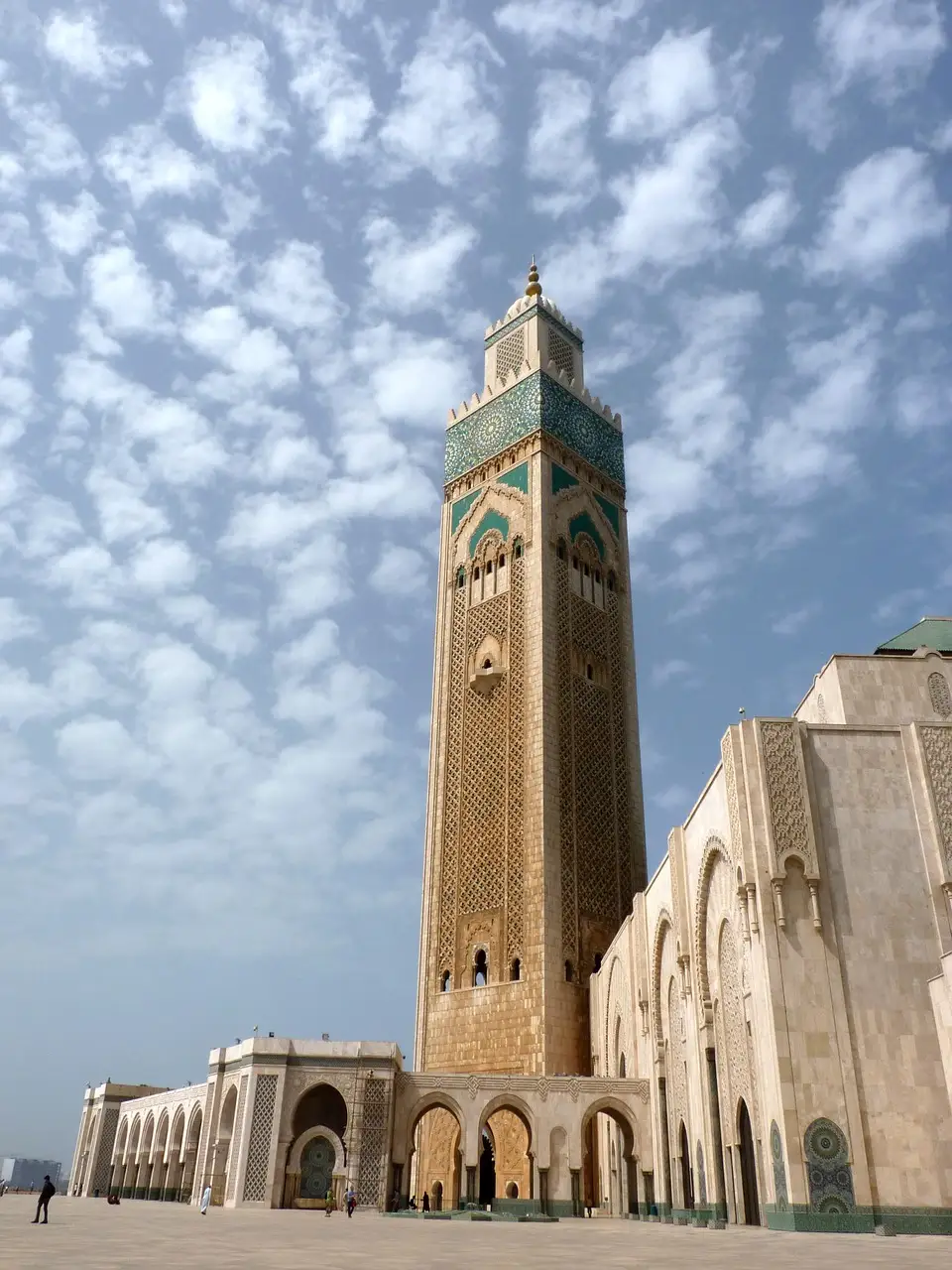
We wanted to experience Morocco from the coast, so our day one began at Casablanca. Here, you’ll find Morocco’s coastline through the Atlantic Ocean. And the real show stealer is Hassan II Mosque that is situated right above the sea. The best thing is that this is one of a few mosques that are open for non-muslims as well. However, try to visit with a guided tour. Wear clothing that covers knees and shoulders; and remove shoes before entering the mosque.
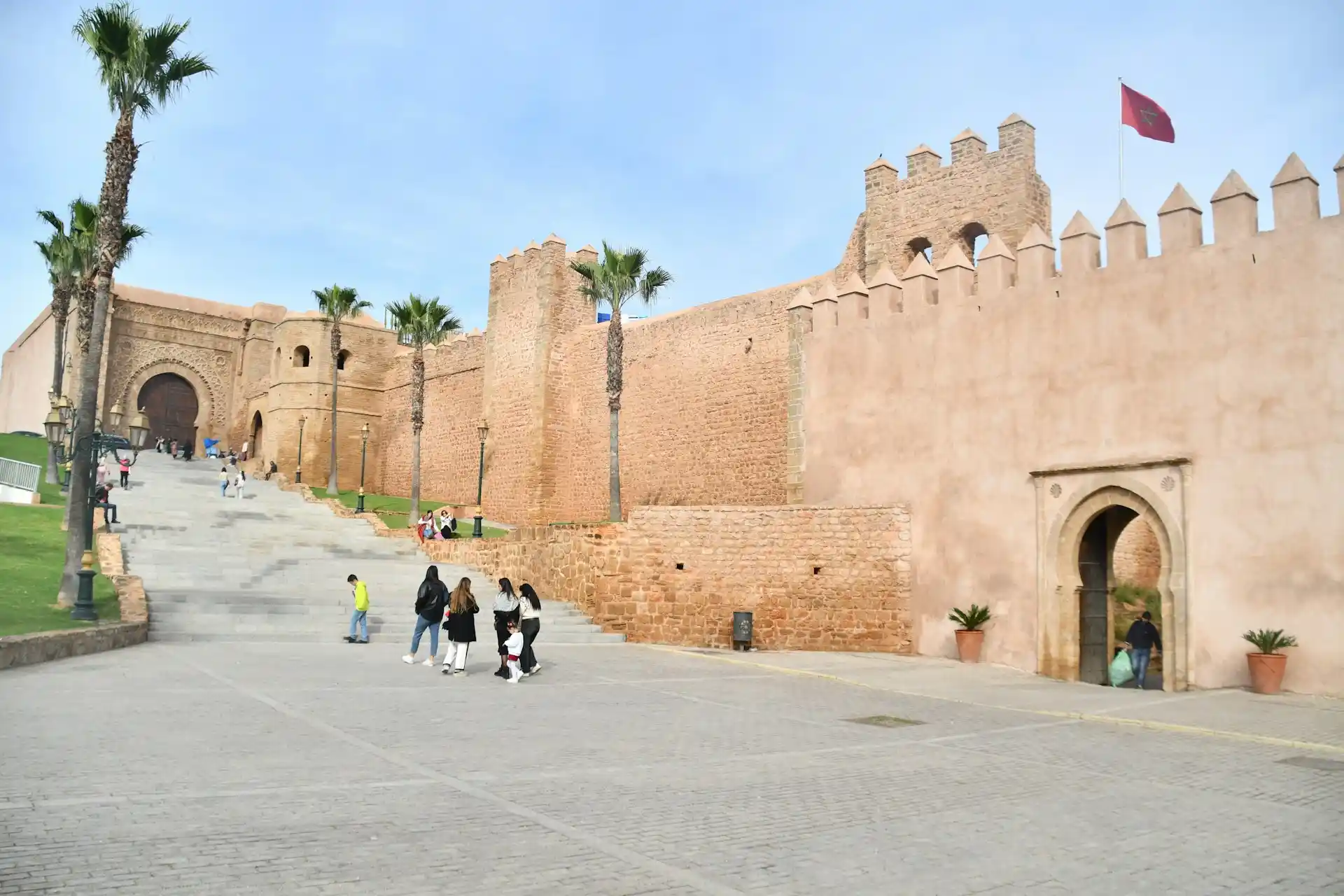
After exploring the mosque, we travelled North along the coast to Rabat. There, we visited the Hassan Tower and the Mausoleum of Mohammed V, which was an amazing combination of modern and traditional art. We ended our day in the peaceful atmosphere of the capital.
You can enjoy fresh Atlantic seafood at the Rabat Marina or a traditional tagine in the Oudayas Kasbah.
- Drive Time: 1.5 hours (86 km / 53 miles) via the A1 highway.
If you’re thinking of extending your trip beyond this itinerary, our guide to Morocco beach holidays on a budget covers the best coastal options along the Atlantic and Mediterranean.
Day 2: Rabat → Chefchaouen (Into the Rif Mountains)
From Rabat, we went to Chefchaouen to see the mountains of Morocco. We visited the Rif Mountains, and watched beautiful green views along the way. The roads narrow as you climb into the mountains, so take your time and enjoy the views rather than rushing.
By afternoon, we arrived in Chefchaouen, the well-known Blue Pearl of Morocco. Take permission from photography locals first. Some residents prefer anonymity, while others may request a small tip of about 5 to 10 MAD.
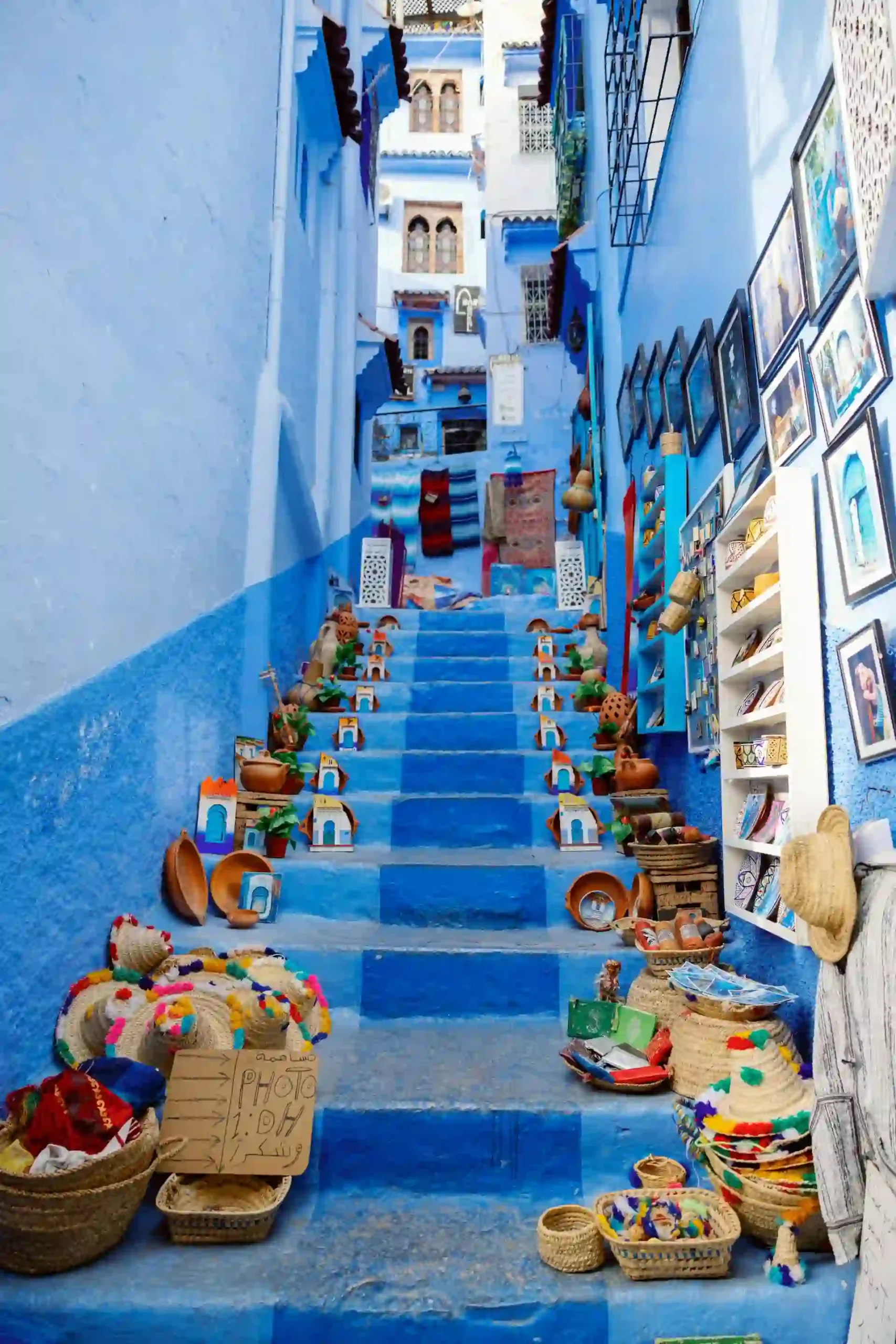
We explored its beautiful blue-painted streets, and small cafés near Outa el-Hamma Square. Then, we went up to the Spanish Mosque and saw the whole city glow at the top of the mosque. It takes about 45 minutes to get to the Spanish Mosque. And it gets crowded really quick, so make sure you arrive earlier.
- Drive Time: 4 to 4.5 hours (250 km / 155 miles).
Day 3: Chefchaouen → Volubilis → Meknes → Fes (The Ancient Roots)
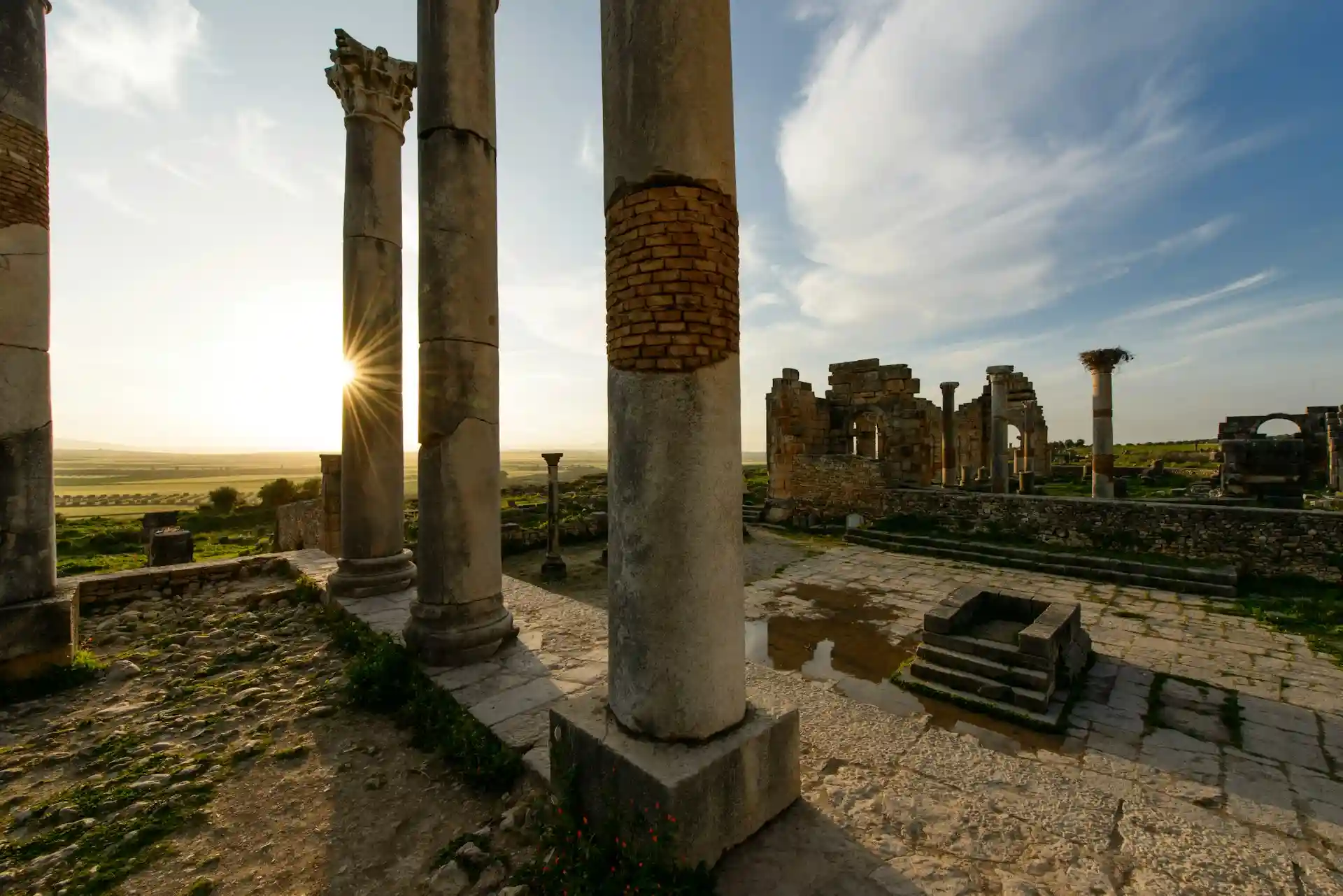
We drove towards the northern plains and first visited the Roman ruins of Volubilis. Here, stone arches and mosaics still reflect a strong history. We then went further to Meknes, a place where we admired its magnificent gates and old buildings. Finally, we reached Fes in the evening. We entered into a traditional riad inside the old medina.
Drive Time: 4.5 hours total driving time split across the day (Chefchaouen ➔ Volubilis: 2.5 hours | Volubilis ➔ Meknes: 45 mins | Meknes ➔ Fes: 1 hour).
Insider Tip: Volubilis offers very little shade. Bring an umbrella for sun protection, wear a hat, and carry plenty of water. Hiring an official guide at the gate is highly recommended to understand the history of the mosaics.
Day 4: Fes Exploration (The Medieval Core)
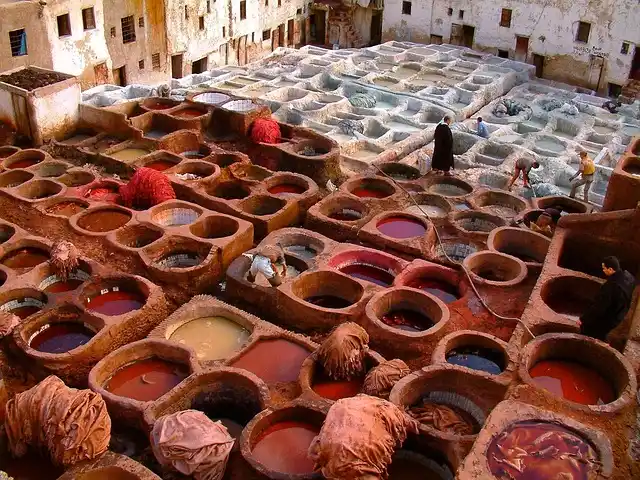
I always get fascinated by this side of Morocco and there are good reasons for it. We spent the whole day strolling Fes el-Bali, one of the oldest still inhabited medieval cities in the world. We passed through its maze-like alleys with a local historian, visited Al-Qarawiyyin University, and stood above the famous Chouara Tanneries. Alongside, we explored The Jewish Mellah and the areas of artisans in which daily life followed every day the traditions of centuries-old times.
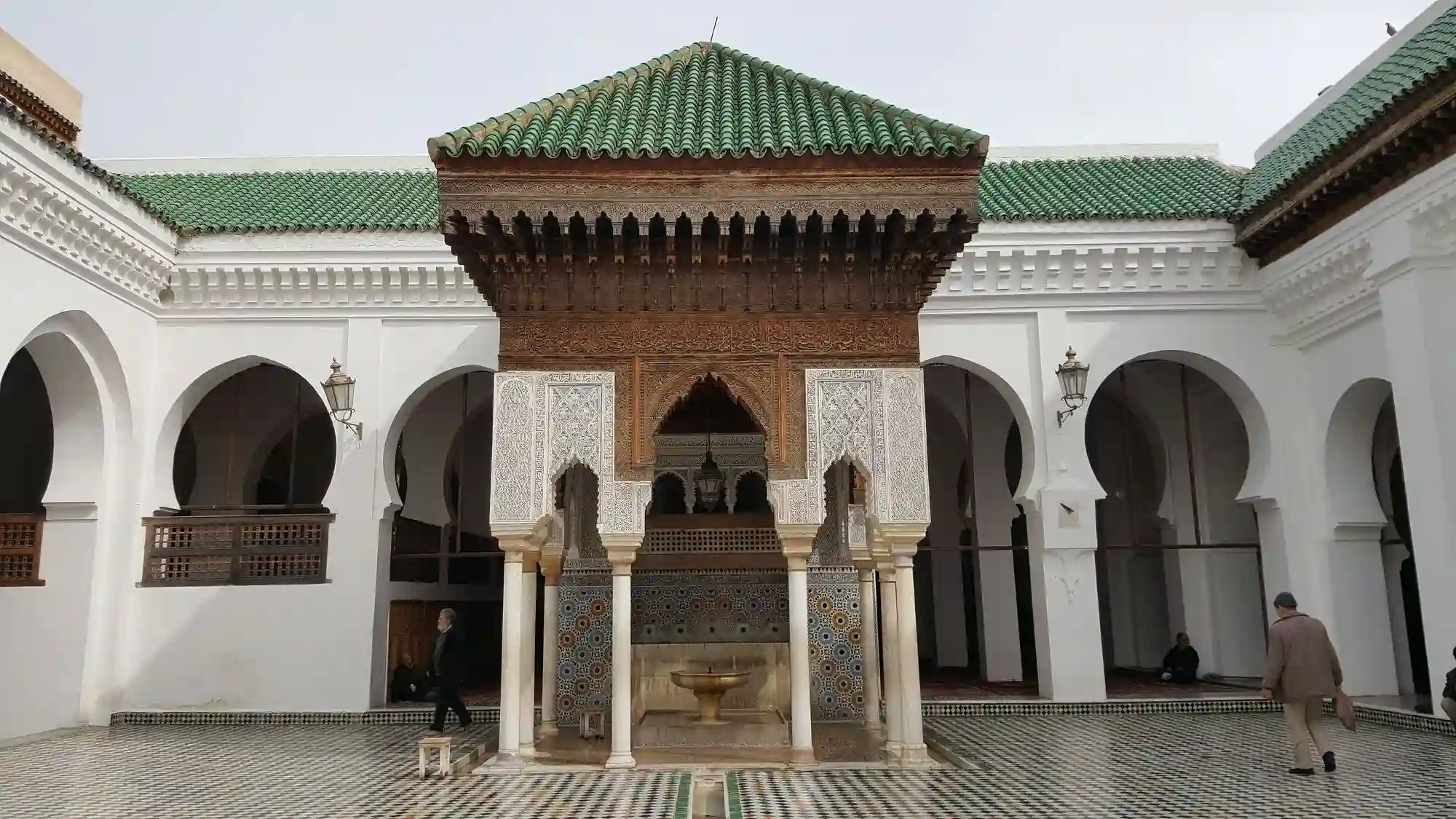
Fes is the best place to buy authentic leather products, ceramics, and copperware. You can get anything at reasonable prices. Start bargaining with 30 to 50% of initial cost.
- Walking Distance: 10,000–15,000 steps through uneven, narrow alleys.
Insider Tip: When I visited the Chouara Tanneries, the pigeon droppings and limestone used to treat leather created a very pungent odor. Merchants on the viewing terraces offered me fresh mint leaves to inhale.
Day 5: Middle Atlas → Sahara Desert (The Great Transition)
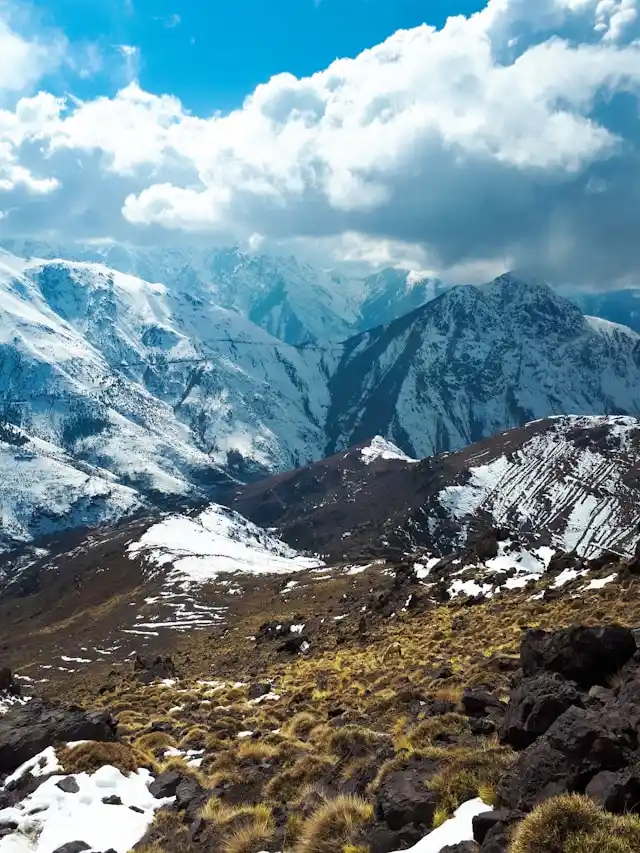
After visiting Fes, I went towards the Middle Atlas Mountains. I stopped at Ifrane and saw different cedar forests, which were inhabited by the wild Barbary macaques.
I kept exploring the Ziz Valley till evening. By sunset, I was in Merzouga and riding camels to the Erg Chebbi dunes. At the end, I reached the desert camp.
- Drive Time: 7 to 8 hours (470 km / 292 miles). This is the longest driving day of the trip.
Day 6: Sahara Immersion (Dunes & Culture)
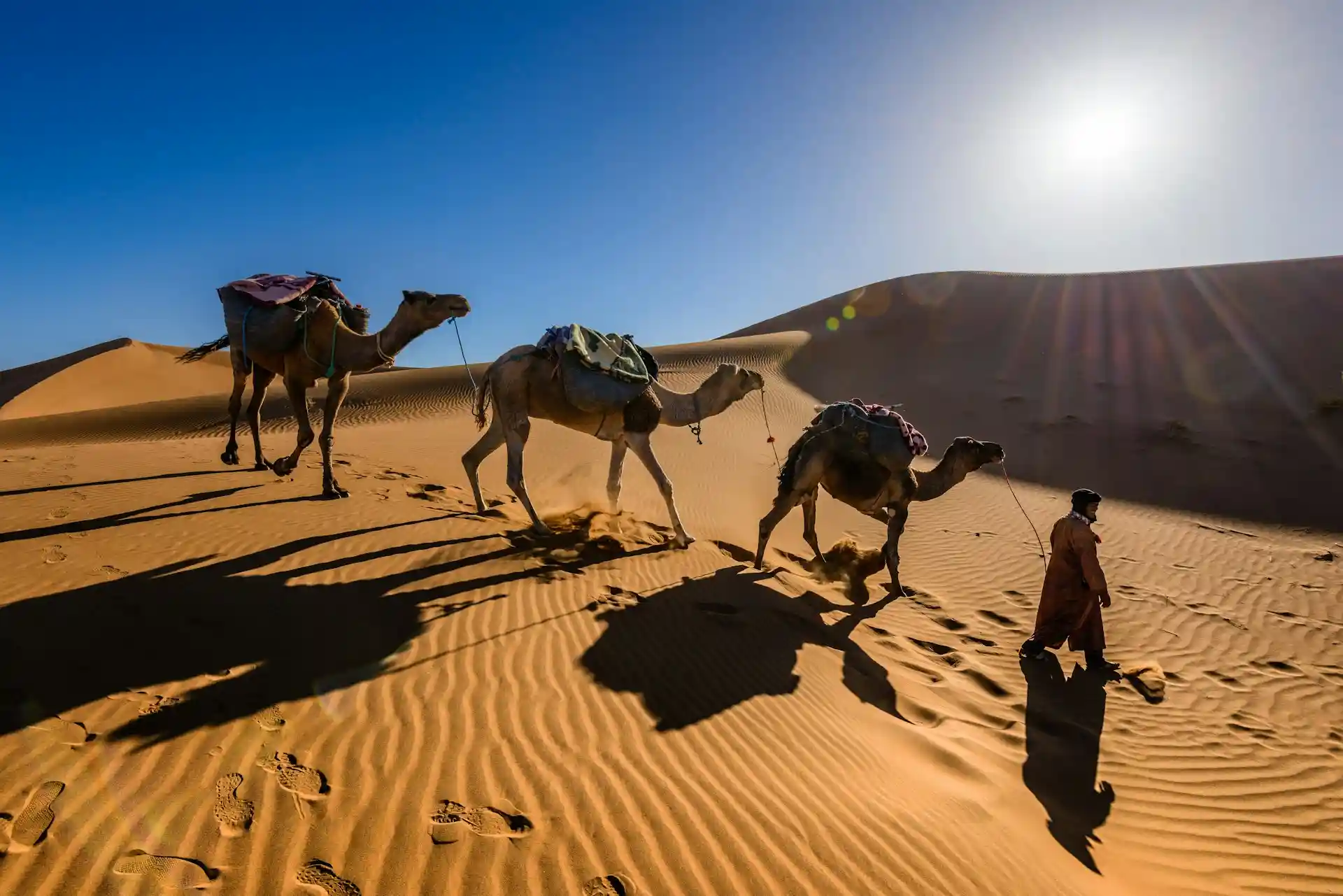
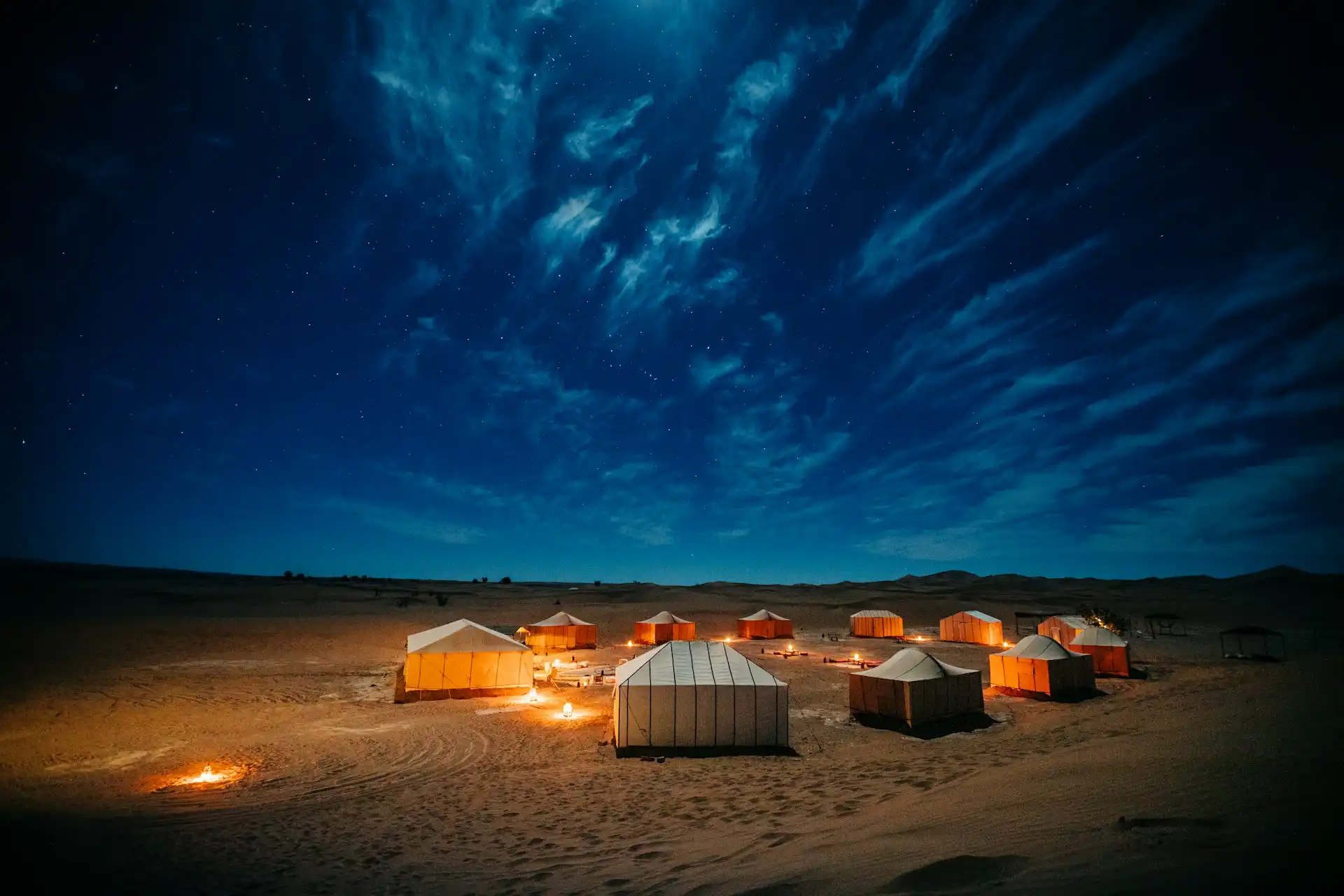
A 10 Days tour is a must to watch the beauty of the Sahara desert. In the Sahara, we saw the stunning sunrise over the dunes. After that, we visited the Nomad families, and had tea with them in their traditional tents. Moreover, we enjoyed the Gnawa music in Khamlia and discovered desert oases and secret landscapes by 4×4.
Desert temperatures swing dramatically — daytime highs can exceed 40°C (104°F) while nights drop to 15°C (59°F) even in summer. Pack both light daytime layers and a warm jacket for the evening camp.
Insider Tip: When visiting the Gnawa musicians in Khamlia, entry is free but a collective tip for the performers is 50–100 MAD per group.
Day 7: Rissani → Todra Gorge → Dades Valley (Canyons & Kasbahs)
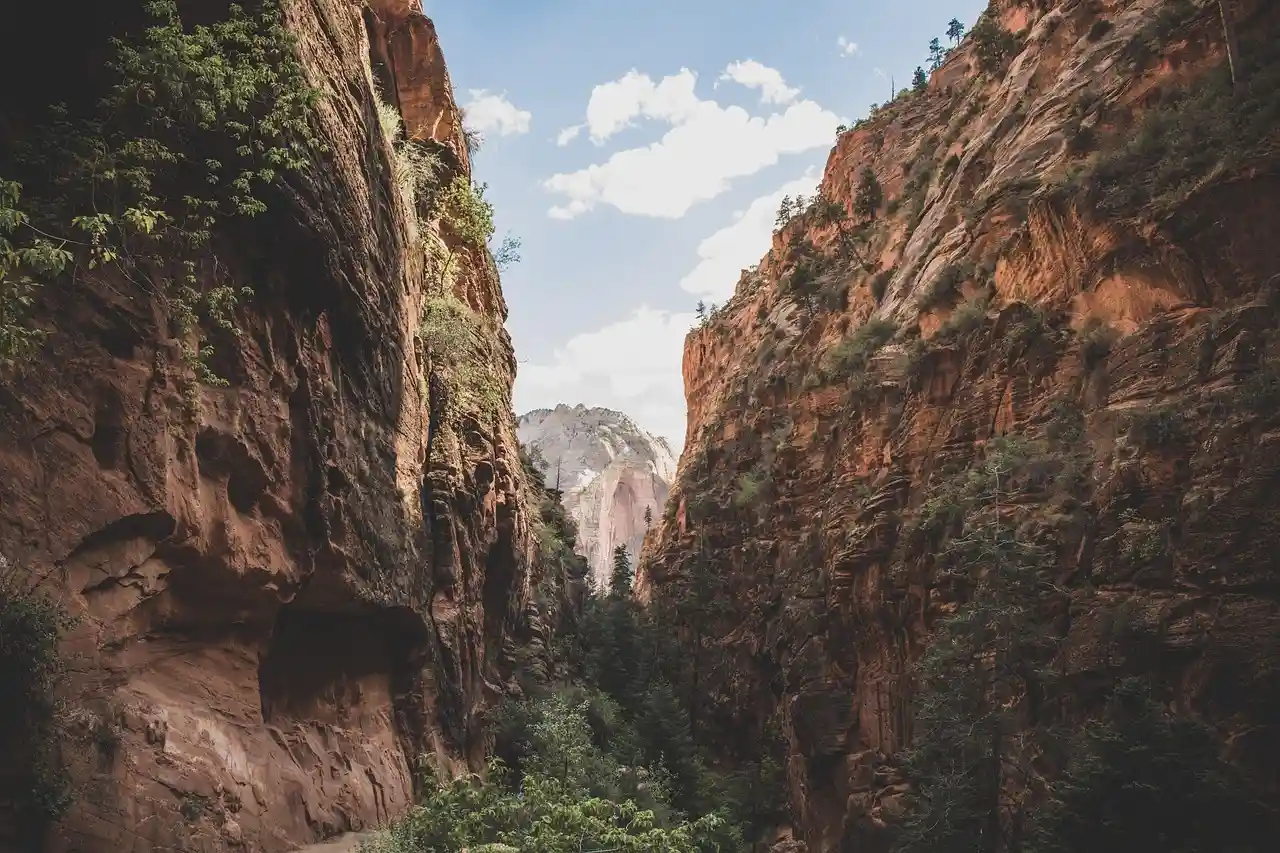
We started day 7 by visiting canyons and kasbahs. And the highlight of this day was Todra Gorge. It’s a 300-meter-high limestone cliff wall. The temperature inside the canyon is much lower since the sun hardly reaches the floor. So, make sure you carry a light jacket at this point.
After spending a good 4 hours there, we then visited Dades Valley at noon. On your way, you will see winding rocks surrounded by rock formations and ancient kasbahs.
- Drive Time: 4 hours (260 km / 161 miles).
Day 8: Ait Ben Haddou → Marrakech (The High Atlas Pass)
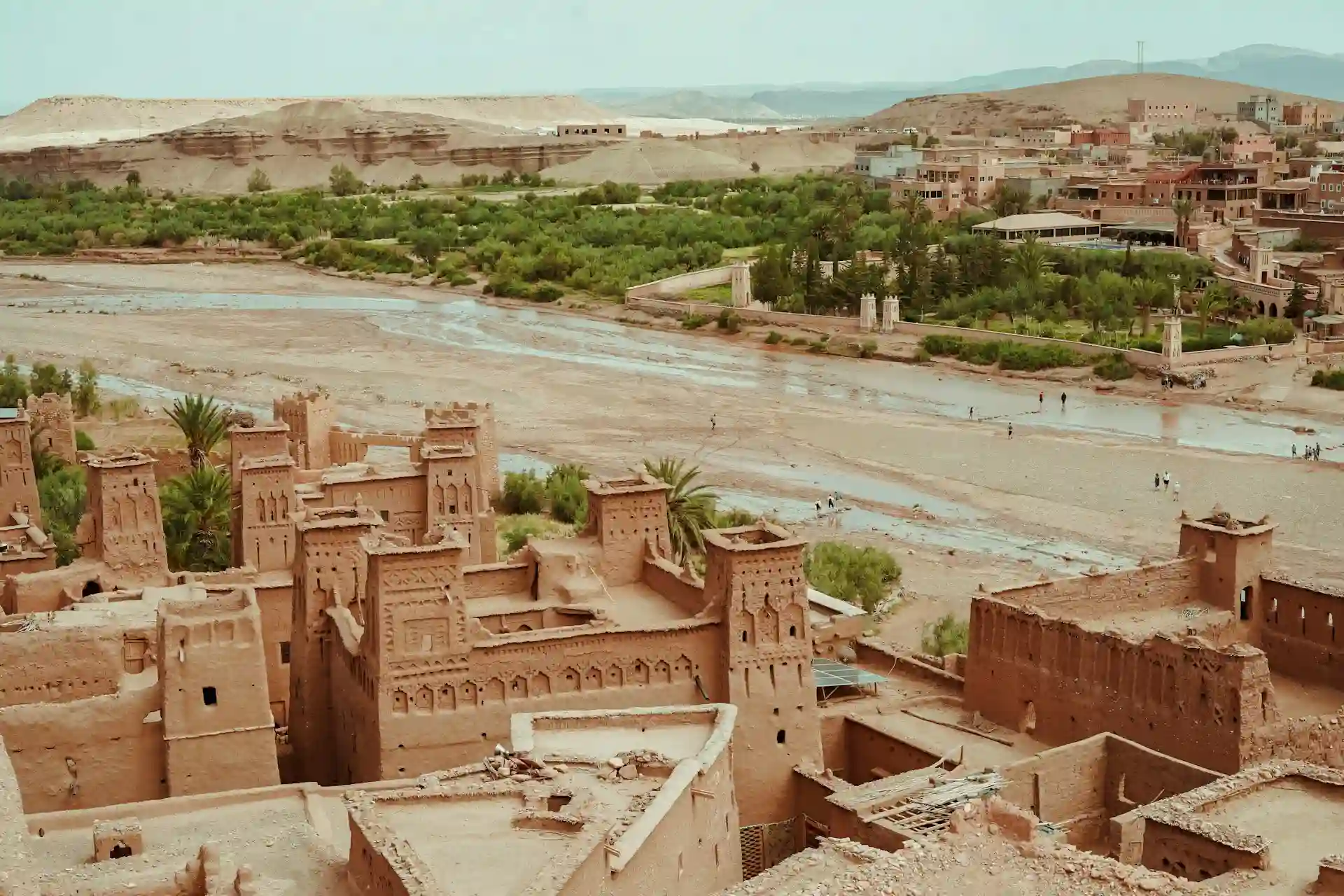
People often miss this place if they have limited time. But, it turns out to be the best places to visit in Morocco. We traveled through the Rose Valley and made a stop at the place known as Ouarzazate or “Hollywood of Africa”.
We explored the ancient fortresses of Ait Ben Haddou, walking through the narrow clay building alleyways. Afterward, we crested the High Atlas Mountains via Tizi n’Tichka Pass. The Tizi n’Tichka Pass reaches an elevation of 2,260 meters (7,415 feet). The road is full of hairpin bends and there is always construction going on. Drive slowly and take extra caution — avoid this route entirely after dark, as the hairpin bends and active construction make night driving genuinely dangerous.
We got to Marrakech by the time the sun had gone down, and the scenery changed from the desert colors to the vibrant urban colors.
- Drive Time: 5 hours (200 km / 124 miles) via the Tizi n’Tichka Pass.
Day 9: Marrakech Discovery (The Red City)
We started day 9 at the tranquil Majorelle Gardens, then decided to go to Marrakech’s historical monuments. We visited Bahia Palace, Saadian Tombs, and the Koutoubia Mosque. After the sunset, we went to visit the Jemaa el-Fnaa square, the place where you can see whole city life through narrators, and food vendors.
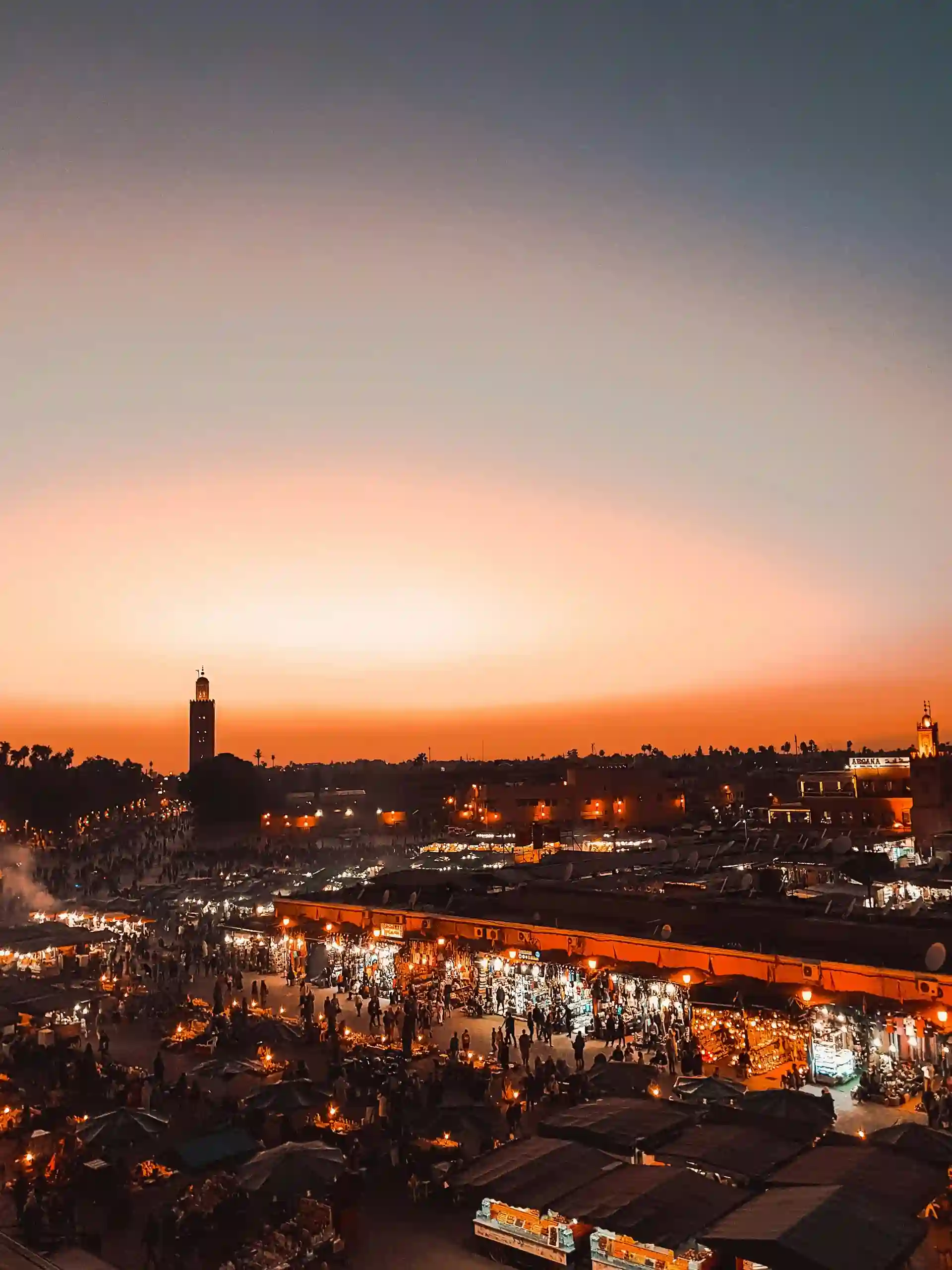
At night, we watched the square get filled with street performers. If you stop to enjoy musicians, acrobats, or magicians, they ask you for money. If someone offers to apply henna, always agree on the price before they start — unexpected charges are common once the design is begun.
Insider Tip: Reserve tickets for your morning entry into the Majorelle Garden online a few days beforehand.
Day 10: Departure
We slowly spent our last morning in Marrakech having breakfast on a riad terrace. Our final walk was through the medina. We also bought some souvenirs and enjoyed the last moments of the trip till we left for the airport.
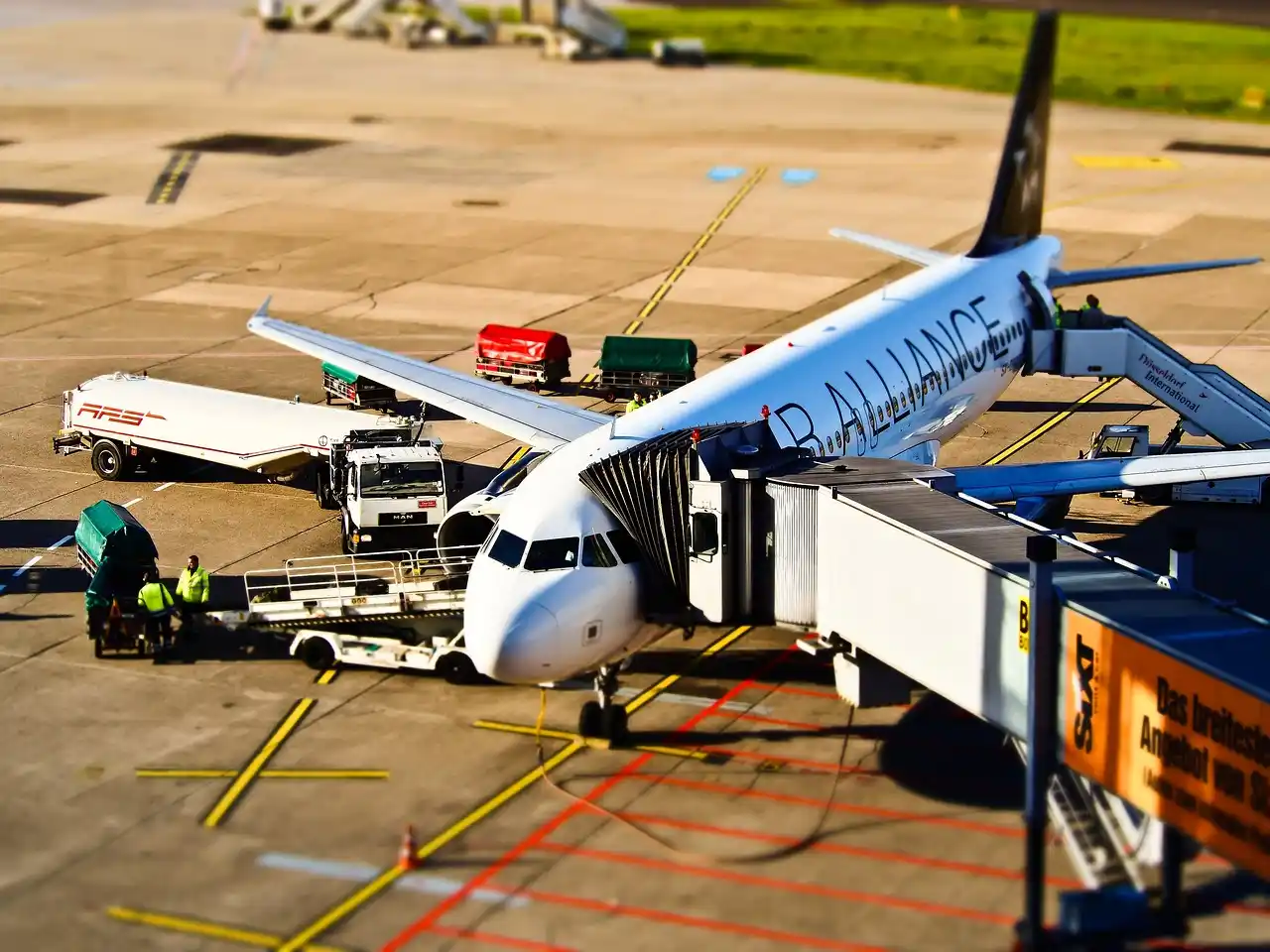
Remember: The Moroccan Dirham (MAD) is a closed currency. It isn’t possible to exchange it outside Morocco. Use up your leftover money or convert it back into your home currency at the airport before going through the security check. Memories of deserts, mountains, ancient cities and remarkable experiences stayed with us for a long time after finishing the trip. That’s how we left Morocco. If the country teaches you anything, it’s that it rewards the traveler who slows down — and ten days is just enough time to begin understanding why.
Security, passport control, and boarding pass takes a lot of time, so make sure you arrive early for your international flight.
Now that you know what your 10-day Morocco itinerary looks like, let’s get to know what is the best time to visit Morocco.
Best Time to Follow This 10-Day Morocco Itinerary
| Season | Time Period | What to Expect | Recommendation |
| Spring | March–May | Pleasant temperatures, blooming landscapes, and beautiful scenery across cities and countryside | Best time to visit |
| Fall | September–November | Cool and comfortable days with pleasant evenings, ideal for sightseeing | Highly recommended |
| Summer | June–August | Extremely hot temperatures, especially in desert regions | Avoid if possible |
| Winter | December–February | Mild daytime temperatures with colder nights and fewer tourist crowds | Good for budget-friendly and quieter travel |
Essential Logistics & Travel Advice
- Cash is King: Major hotels and fancy restaurants generally do take credit cards but markets, taxis, and food stalls run completely on cash. Have lots of small notes (20, 50, and 100 MAD).
- Tipping Culture (Bakshish): Tipping is part of the culture. As a guide: tip about 10% at informal dining places. Give 2, 5 MAD to bathroom attendants. For private drivers and local city guides, keep around 50 or 100 MAD each day.
- Staying Connected: Buy a local eSIM (Maroc Telecom or Orange) at the airport terminal. The network is good, but it is weak in some areas.
Wrap Up
Morocco is a beautiful land filled with snowy mountains, Roman ruins, and huge deserts. This is a place that really supports slow and mindful travel, where you can enjoy the depth of the experience.
If you do a quick 7-day trip, you get exhausted in no time. Just adding three more days can turn it into a pleasant 10-day cycle that is very pleasant, comfortable, and even more unforgettable.
Prefer a fully guided experience through the imperial cities? Our detailed guide to private Morocco tours covers everything you need to know about traveling Morocco with a dedicated local guide.
Frequently Asked Questions
Is 10 days enough for Morocco?
Yes, 10 days is the ideal minimum for covering Morocco’s highlights without rushing. It gives you enough time to visit the northern imperial cities, cross the Middle Atlas, experience the Sahara, and end in Marrakech — the route most travelers remember longest.
How much does a 10-day Morocco trip cost?
A mid-range 10-day Morocco trip typically costs $1,200–$2,000 per person including accommodation, transport, guided tours, and meals. Budget travelers can manage on $600–$900 by staying in hostels and eating locally. Luxury riads, private desert camps, and guided tours push costs to $3,000 and above.
What is the best route for Morocco in 10 days?
The most rewarding 10-day route runs Casablanca → Rabat → Chefchaouen → Fes → Sahara Desert → Dades Valley → Marrakech. This golden loop covers the coast, the blue city, the medieval medina, the desert, and the Red City without backtracking.
Do I need a visa for Morocco?
Citizens of the US, UK, EU, Canada, and Australia do not need a visa for stays under 90 days. Check your country’s specific entry requirements before traveling as policies can change. A valid passport with at least 6 months remaining validity is required.
Is Morocco safe for solo travelers?
Morocco is generally safe for solo travelers, including solo women, when standard precautions are followed. Stick to well-traveled medina routes, use registered guides in Fes and Marrakech, and book reputable riads. The cities covered in this itinerary — Rabat, Chefchaouen, Fes, Marrakech — are among the most visited and well-monitored in the country. Before you go, also read our guide to common Morocco solo travel mistakes — it covers the specific pitfalls first-timers encounter in the medinas and desert.
What currency does Morocco use?
Morocco uses the Moroccan Dirham (MAD). It is a closed currency, meaning it cannot be exchanged outside Morocco. Exchange money on arrival at the airport or at banks in the city. Always carry small notes for markets, taxis, and tips — most vendors do not accept cards.