19+ Best Things to Do in Mexico You Absolutely Can’t Miss (2026)

If you’re searching for the best things to do in Mexico, prepare for a country that completely exceeds expectations. Mexico isn’t the kind of destination you visit once and move on from. It pulls you in fast.
One day you’re exploring ancient Mayan ruins surrounded by jungle, the next you’re eating street tacos that somehow taste better than any restaurant meal back home. Then suddenly you’re swimming in crystal-clear cenotes, wandering through colorful colonial cities, or watching the sunset on a beach that feels almost unreal.
What makes Mexico unforgettable is how quickly the experience changes from one region to another. Every place feels different, which is exactly why planning a trip here can feel overwhelming.
This guide covers 19 of the best things to do in Mexico in 2026 that are actually worth your time, not just the overhyped tourist stops.
| Traveler type | Best Mexico destination | Why it fits | When to go |
| First-time visitor | Cancun + Riviera Maya | Easiest entry point — English widely spoken, infrastructure excellent, beach + ruins combination | Nov–Apr (dry season) |
| Beach lovers | Tulum or Cancun | Caribbean turquoise water, white sand, cenotes for swimming. Tulum for boutique; Cancun for party. | Dec–Mar (clearest water) |
| Culture & history | Mexico City + Oaxaca | World-class museums, pre-Columbian ruins, living indigenous traditions, incredible food | Oct–Apr (dry, cooler) |
| Foodies | Mexico City + Oaxaca + San Cristobal | CDMX has multiple world-ranked restaurants; Oaxaca is the cradle of Mexican cuisine | Year-round |
| Adventure & nature | Huasteca Potosina + Chiapas | Waterfalls, cenotes, canyons, jungle, and colonial towns. Most undervisited region. | Nov–Apr |
| Couples / romance | Tulum or Los Cabos | Tulum: eco-chic jungle beach. Cabos: luxury resorts, dramatic desert coast | Nov–Mar |
| Budget travelers | Mexico City + Oaxaca + Guanajuato | Colonial cities with extraordinary culture at very low cost. Best value-per-experience in Mexico. | May–Sep (rainy but cheap) |
| Families with kids | Cancun + Riviera Maya | Calm Caribbean water, all-inclusives handle logistics, cenotes for kids, Chichen Itza day trip | Dec–Apr (school breaks) |
Best Things to do in Mexico In 2026
Mexico is one of those very few places that is much larger than most people might expect. Starting their day with an exploration of ancient pyramids, then having street food for lunch, and finishing their day by swimming in freshwater.
If you are thinking of traveling in 2026, you have to look for destinations that provide you with something to remember. Scroll down to find the best things to do in Mexico:
1. Visit the Ancient Ruins of Chichén Itzá
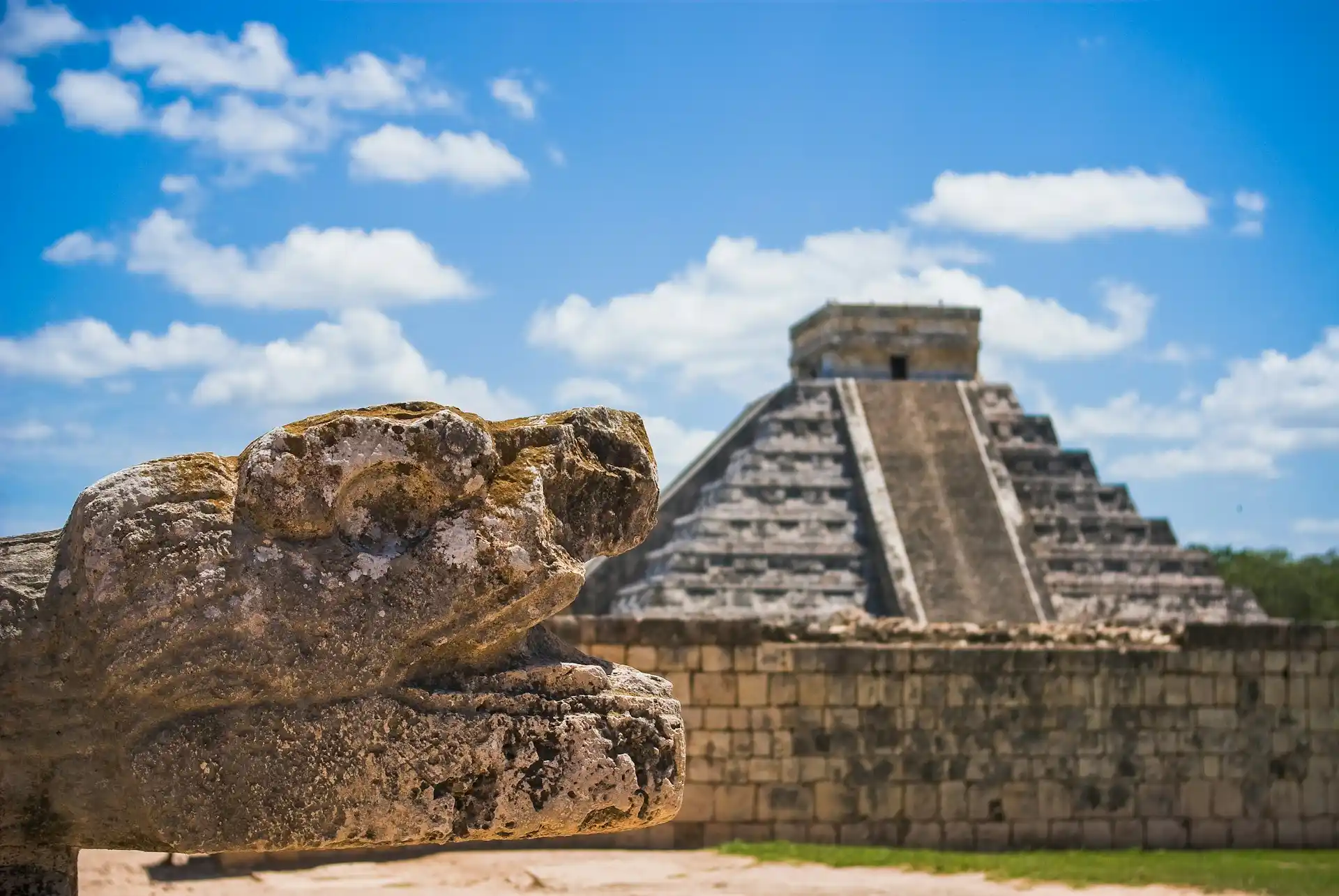
Best Time to Visit: November to March (Arrive precisely at 8:00 AM)
Cost: $697 MXN
Best Restaurants: Oxtun, Hacienda Chichen, and Restaurante Selva Maya
Chichén Itzá should be the first one on your travel list. It is a very peaceful, famous, and beautiful place for visitors. The most common one is the Great El Castillo pyramid. Once you reach its front, you will learn why it’s known as one of the Seven Wonders of the World. The architecture is very unique due to acoustic illusion. If you clap at the base of El Castillo, it mimics the chirp of the Quetzal bird.
In fact, the Mayan city of Chichén Itzá is bigger than people think it is. The Great Ball Court, the Sacred Cenote, where people made offerings, and the temple ruins are located on the sides of the main pyramid. It is ideal to visit it right after it opens. In the middle of the day, trips from Cancún start coming here, and the environment changes entirely.
For a full day trip guide including cenote stops and Valladolid, our Cancun guide covers Chichén Itzá in detail alongside the best combination routes from the coast.
2. Experience Mexico City
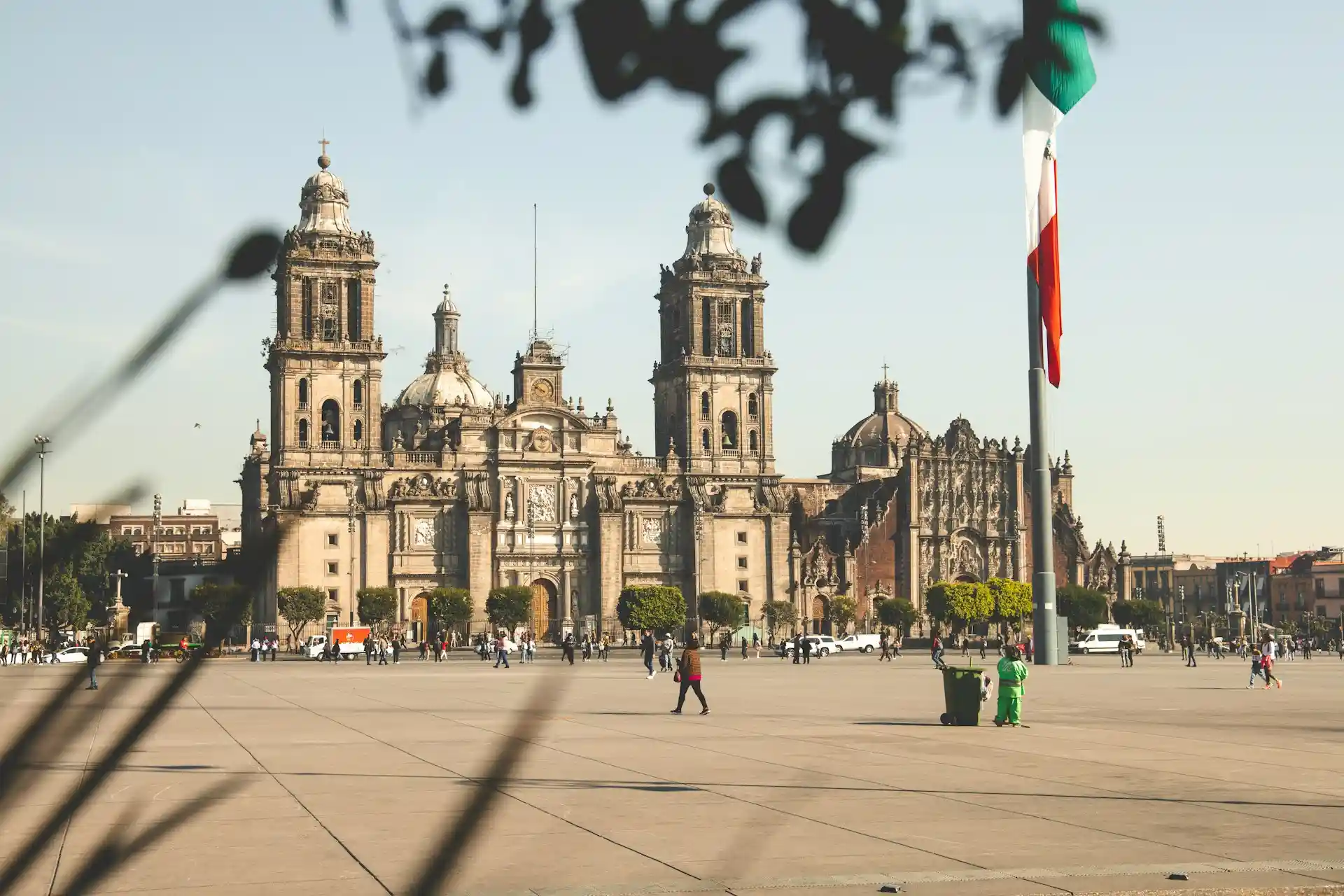
Best Time to Visit: October to April (Dry, cooler months)
Cost: Budget Travelers $40–60 USD/Day | Mid-Range $80–150+ USD/Day
Best Restaurants: Pujol, Quintonil, and El Vilsito
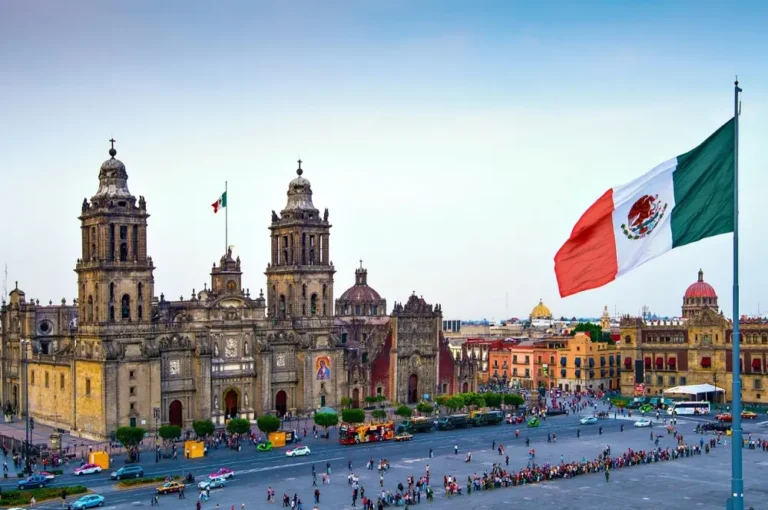
If Chichén Itzá shows ancient civilization, then Mexico City offers fun, entertainment, and creativity all at once. The city is huge, loud, entertaining, and is impossible to cover in just two days. Even if you spend a whole week here, there are still a few places left. Besides this, it’s one of the safest cities in Mexico.
Nearby Zócalo, you will see huge colonial buildings, situated directly beside ancient Aztec ruins. The contrast perfectly captures Mexico City itself, a combination of old and modern existing together. The Museo Nacional de Antropología is among the best museums anywhere in the world, and allows you to view the civilization of the country more closely.
Besides historical places, another reason for enjoyment here is visiting the nearby areas, such as:
- Roma
- Condesa
- Coyoacán
These areas are very attractive. There, you can spend a lot of time just walking through different places, sitting at cafes, visiting book shops, and at the end go to small taco spots instead of expensive restaurants. If you want art and culture, make sure to buy tickets to the Frida Kahlo Museum in advance, as they sell very quickly.
Take a boat ride through Xochimilco to see a different side of the city. It feels festive, joyful, and a pure Mexican experience. Music plays from passing boats, families celebrate birthdays, and food vendors float by selling snacks and drinks directly on the canals.
Street food is just as essential to the Mexico City experience as any museum or neighborhood walk. Tacos al pastor are the starting point — marinated pork slow-cooked on a vertical spit, carved onto fresh corn tortillas with onion, cilantro, salsa, and a slice of pineapple.
El Vilsito in Narvarte runs until the early hours and is one of the most consistently recommended spots in the city. The best taquerías in Roma and Narvarte are easy to identify — look for the one with the longest line of locals and plastic stools out front.
For a neighborhood-by-neighborhood breakdown of where to stay, eat, and explore, our Mexico City neighborhoods guide covers Roma, Condesa, Polanco, and beyond.
3. Explore Teotihuacán
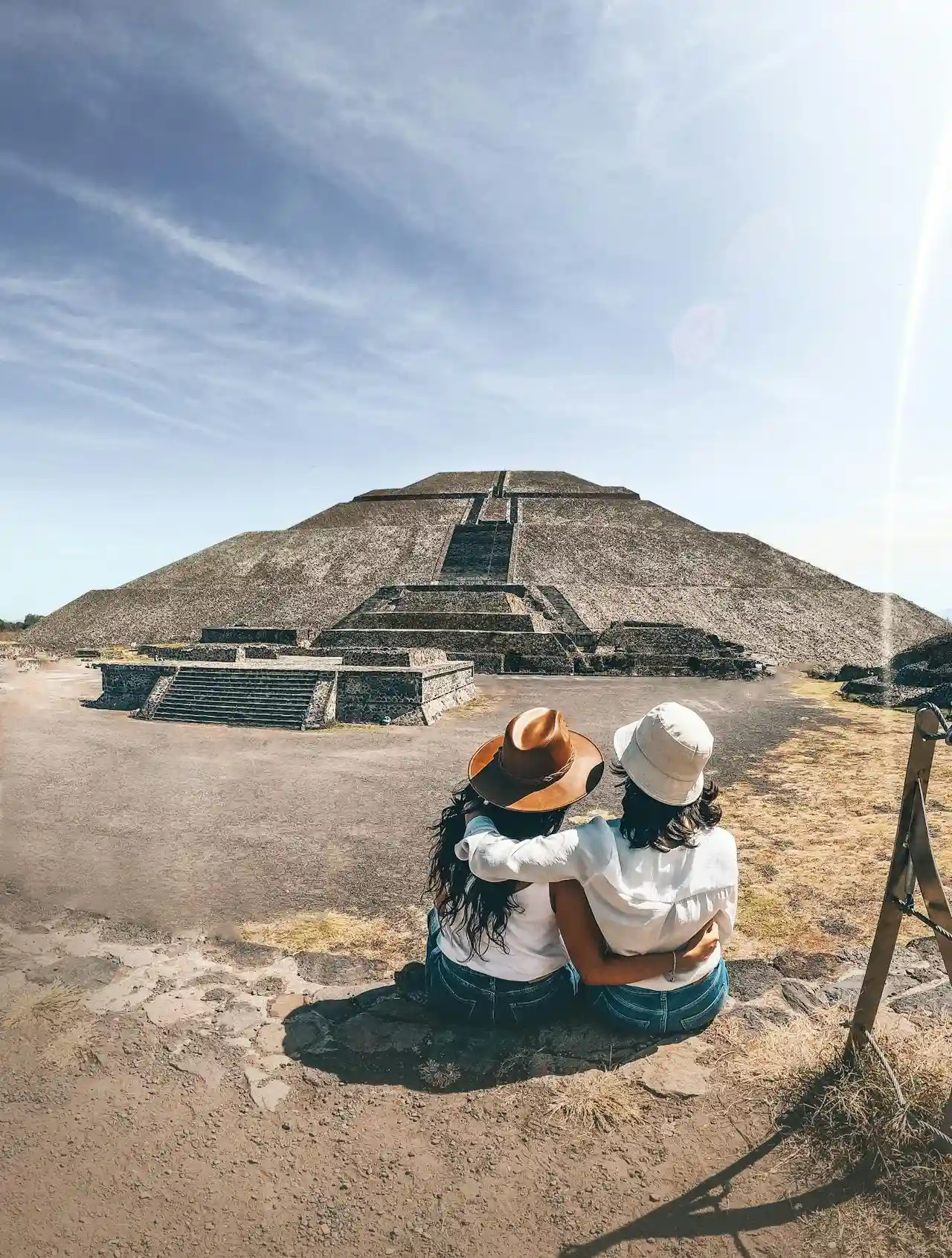
Best Time to Visit: November to April (Cooler dry season; arrive by 8:00 AM)
Cost: $210 MXN (Standard INAH foreign admission fee)
Best Restaurants Nearby: La Gruta, Gran Teocalli, and Tlacaelel
Near the capital, you can get another amazing experience at Teotihuacán. The standard operating hours for the Teotihuacán Archaeological Zone are strictly 8:00 AM to 5:00 PM. So, make sure you’re at the gate earlier to beat the crowd.
Here’s the truth: you can’t understand how beautiful the city is unless you visit it yourself. At its peak, Teotihuacán was one of the biggest cities in the ancient world, yet there is discussion on who built it in reality. Climbing the pyramids and watching the ruins before people arrive adds more to the joy and fun.
You can’t expect any tour to be completed without exploring the food. But it does not mean to be eaten only inside the classic restaurants. You can still enjoy delicious foods from street taquerías with plastic stools and handwritten menus.
4. Discover Oaxaca City
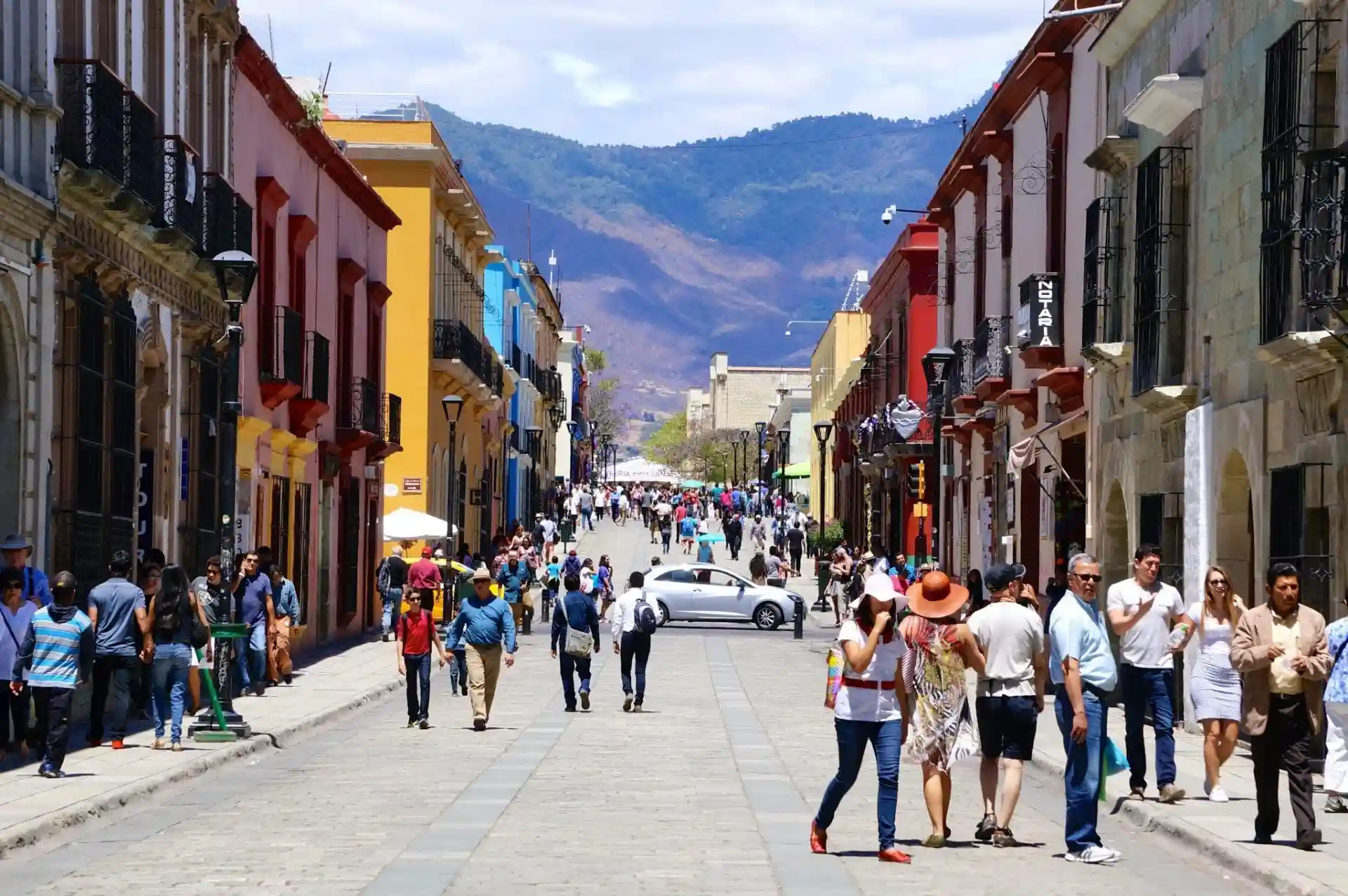
Best Time to Visit: October to March (Dry weather with pleasant temperatures)
Cost: Budget Travelers $35–70 USD Per Day
Best Restaurants: Casa Oaxaca, Los Danzantes, and Levadura de Olla Restaurante
Oaxaca City is the ideal destination for anyone who craves delicious cuisine, traditions, and culture. Many people prefer Oaxaca over the largest tourist places in the country because it seems connected to Mexico.
Oaxaca is very famous for its food. A few of the best options are:
- Mole
- Tlayudas
- Mezcal
- Local chocolate
Besides these, there are various traditional markets filled with street food. When you just walk here, you feel something pleasant in every step.
Make sure to take a morning trip up to Monte Albán, a breathtaking ancient Zapotec city carved directly into a mountain high above the valley floor. The panoramic 360-degree views of the surrounding mountains are enough to make the journey unforgettable.
The INAH admission fee for foreign adults is $210 MXN. This single ticket grants you access to the main archaeological plazas, the grand pyramids, and the excellent on-site Museo de Sitio. Check the INAH official site for current pricing and opening hours before your visit as fees update periodically.
5. Relax in Beautiful Tulum
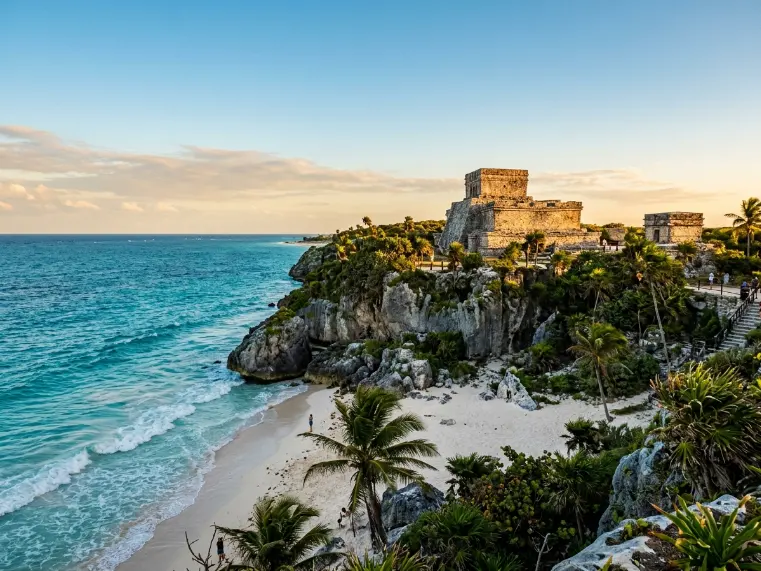
Best Time to Visit: December to April (Dry season with clear skies)
Cost: ~515 MXN (~$28 USD) base entrance fees per person
Best Restaurants: Hartwood, Arca, and Taquería Honorio
If you’re a beach enthusiast, Tulum should be at the top of the list. It’s one of the best Mexican beach towns, and the most popular of the sights in Mexico are the Mayan ruins perched atop a sparkling turquoise Caribbean ocean.
Although these ruins are smaller, like those at Chichén Itzá, the Tulum is special due to its archaeological history. This area is open for public visit during the morning, and in the evening, a descent under the cliffs is possible for sea-going. There are also bikes for hire to take in the lovely beaches surrounding.
Tulum’s ruins are compact enough to explore in a morning, which leaves the afternoon free for the beaches directly below the cliffs. Rent a bike from town and follow the coastal road south — each beach feels slightly different, and the further you ride the quieter it gets.
- Being on a ferry to Isla Mujeres
- Swim around the Pearland coral reefs
- Going to the MUSA Underwater Museum.
For a dedicated guide to the ruins, cenotes, and beach clubs, our complete Tulum guide covers everything from day trips to nightlife.
Best Beaches and Coastal Experiences
The coast of Mexico has two types of landscape. Everyone loves it, its beaches are beautiful, it has fresh water, and it’s a nice blue color; that’s the Caribbean. The contrasts are sharply set against the Pacific bay and the pounding, crashing waves, as well as serene seaside communities.
The amazing feature of the Mexican beaches is that every beach feels different. Some beaches are full of adventure, some with peace, and some offer just entertainment anyway.
6. Isla Mujeres
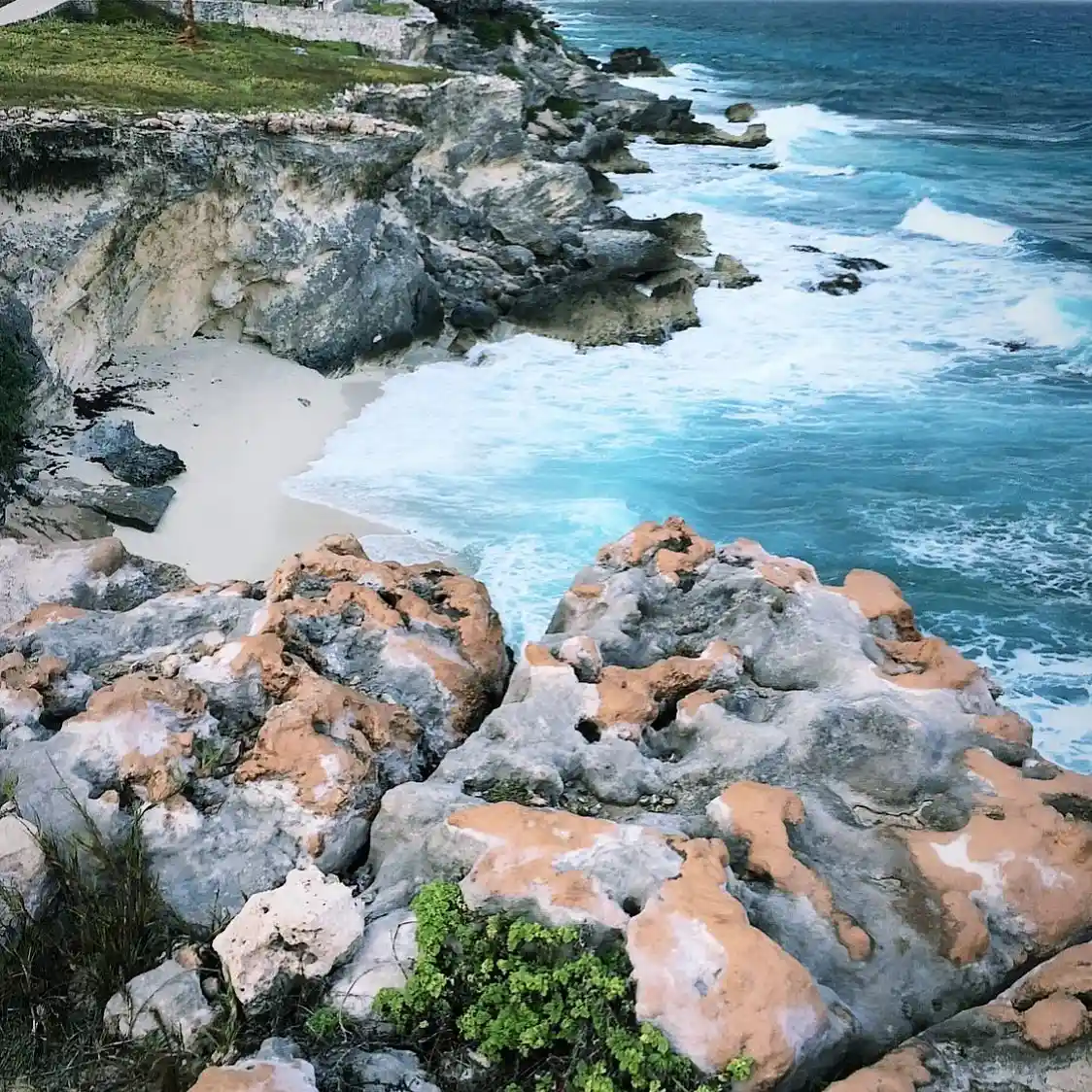
Cost: Budget Travelers $30–$65 USD/Day (additional cost for water activities)
Water Activities: Snorkeling at Punta Sur & Manchones Reef, exploring the MUSA Underwater Museum, and seasonal swimming with Whale Sharks.
Visiting a beach is the best thing to do in Mexico and Isla Mujeres should be on the top of list. It’s one of those islands where you visit once, but you want to spend more time there.
The most beautiful in Mexico and the most popular in Isla Mujeres is Playa Norte. When you need some peace, it must be in clear water.
You can hire golf vehicles and visit the island to stop and adore the beauty, hidden beaches, and go to certain restaurants to sample their seafood specialties. Snorkeling at Punta Sur is the best way to watch corals if you’re planning Mexico on a budget.
I highly recommend spending some nights in Isla Mujeres because once tourists leave, it feels more natural. Isla Mujeres is also one of the strongest day trips from the coast — our guide to day trips from Cancun covers the ferry schedule, entry costs, and how to combine it with whale shark swimming.
7. Zipolite
Cost: Budget Travelers $25–$50 USD/Day (Bungalows and beachfront palapas are highly affordable)
Water Activities: Surfing reliable beach breaks, rough-water bodyboarding, offshore wildlife boat safaris, and calmer cove swimming in neighboring bays.
Zipolite represents the complete opposite of polished Caribbean vacations. The adorable little seaside town is so pure, so independent, and so removed; this is an Oaxaca town.
Beaches are wide, big, and sparsely populated with touristic resorts, but are populated by small eateries, small hotels, and cafes. Swimming in the Pacific Ocean can be dangerous, and at the same time, a very important activity here that makes the Pacific Ocean different.
Yes, in Zipolite, it is possible to take an afternoon just sitting and enjoying the waves slapping the shore as you take in a drink that cools your hands and body! For those looking to take some time for themselves without having to deal with the hustle of resorts, this peaceful atmosphere of Zipolite is the perfect place.
Furthermore, there are short trips to be had to nearby places, including:
- Mazunte
- San Agustinillo.
This is also renowned for its beauty and sunny beaches.
8. Mazunte
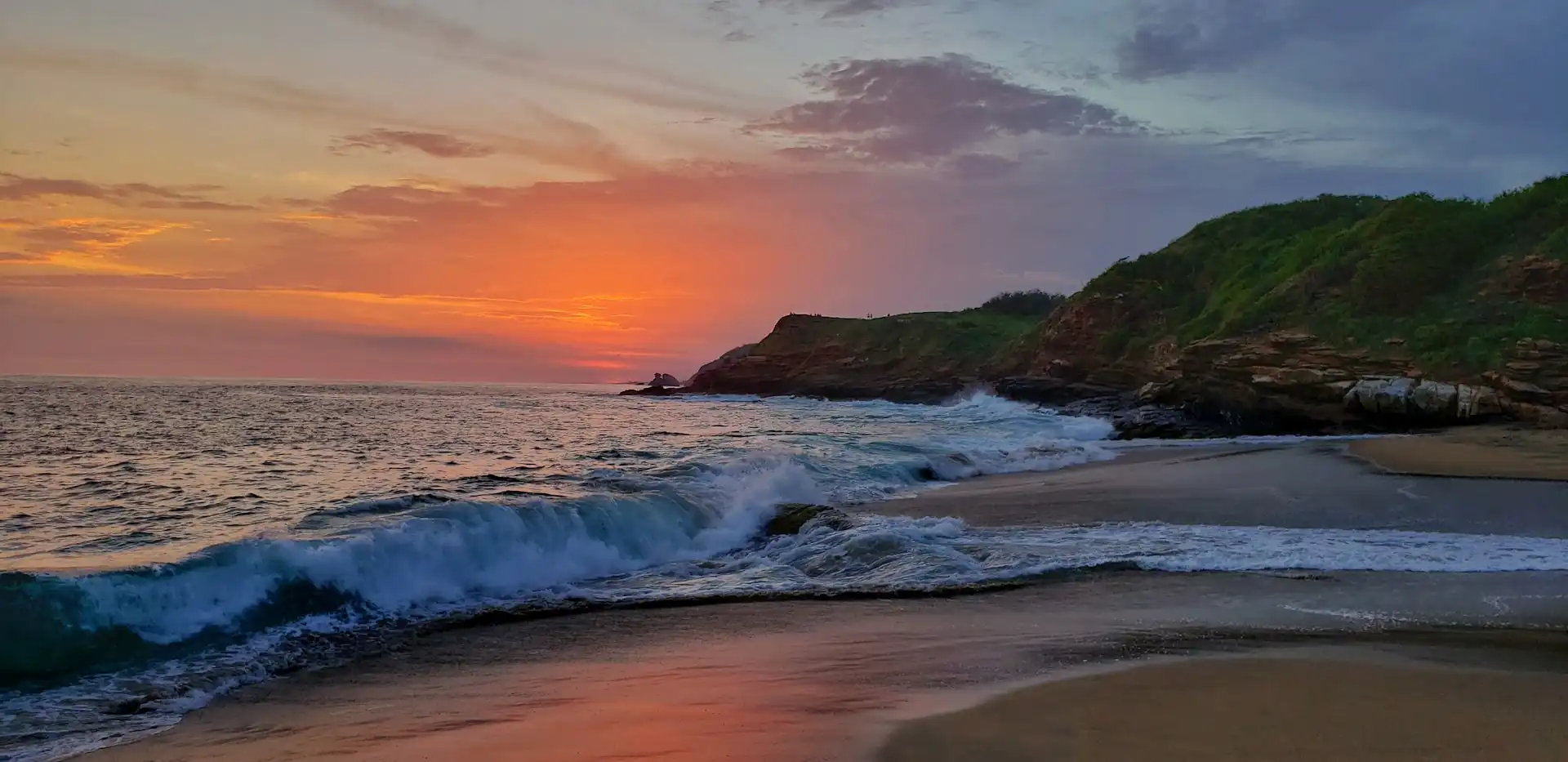
Best Time to Visit: Late October to December
Cost: Budget Travelers $25–60 Per Day
Best Restaurants: Estrella Fugaz, Cenzontle, La Empanada
Mazunte sits just a few kilometers from Zipolite and feels even quieter. There are no resort hotels, no organized beach clubs, and no particular schedule to follow. The Pacific rolls in hard, the sunsets are long, and the pace of the town actively discourages rushing.
From June through December, olive ridley sea turtles nest on the beaches nearby — particularly at Playa Escobilla, one of the largest nesting sites in the world. The Mexican Turtle Center in Mazunte runs conservation programs that visitors can observe responsibly. Combined with Zipolite and San Agustinillo just up the coast, this stretch of Oaxacan coastline makes a convincing argument for skipping the Caribbean entirely on a second Mexico trip.
9. Bahías de Huatulco
Cost: Budget Travelers $35–$70 USD/Day, Baseline Huatulco National Park Conservation Fee: $125 MXN (~$7 USD) per person.
Water Activities: Multi-bay snorkeling cruises, coral reef scuba diving, whitewater river rafting, and guided coastal kayaking.
Huatulco is one of the many beaches in Mexico that has not been properly discovered yet. Not only a large beach, but it also has 9 bays along the Pacific coast.
Some beaches provide a wide variety of restaurant selections and snorkel trips, while some look almost spotless. All of the beaches here are apparently pristine and not as visited as other beaches, as most of the area is preserved due to its natural values.
Have fun on a boating trip on the river or sea, you have opportunities to sail across the bays, to dive into the clear seawater, to explore the beach, and do all kinds of boating activities. This is also famous for the mountain grown sea foods and coffee.
So, if you are in search of a beach resort with amazing facilities in Mexico, then Huatulco could be your top choice.
10. Holbox
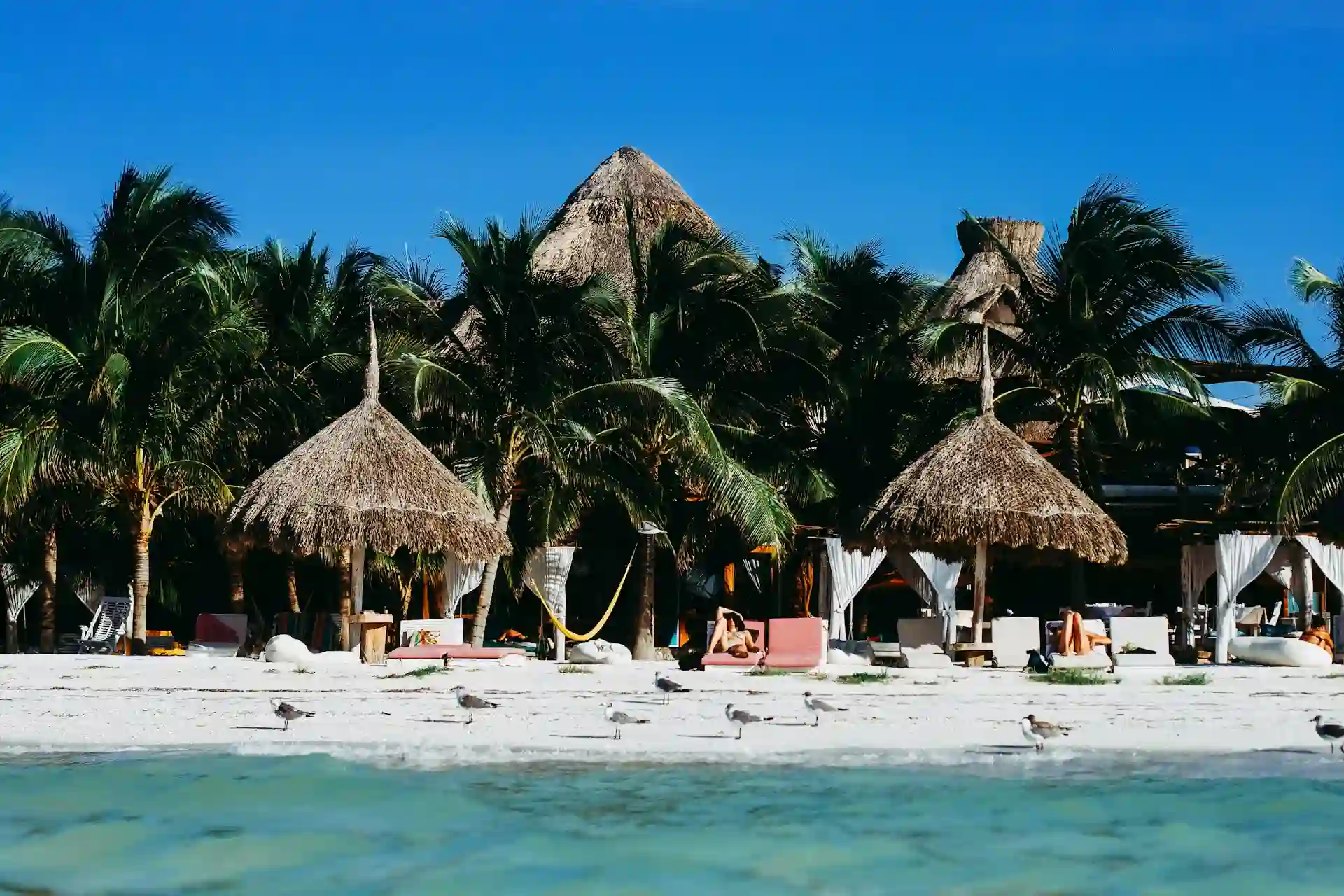
Cost: Budget Travelers $40–$75 USD/Day
Water Activities: Swimming with Whale Sharks (June to September), nighttime bioluminescence kayaking, mangrove birdwatching boat tours, and kitesurfing.
Holbox, unlike many of Mexico’s beaches, is unique regarding its environment. First of all, there are no vehicles, roads, or traffic.
The roads are sandy, the beaches are serene despite being crowded with many people and the way transportation is provided is by bicycle and golf cart. Resorts and fun will be dispensed with in favor of Nature and relaxation.
If you do visit Holbox, you’ll have the opportunity to see some rare animals. Off the island in the waters from June until September, whale sharks are seen. You can swim amongst the world’s largest animals! The whale shark season runs June through September with regulated tour group sizes to protect the animals. The Mexico Tourism Board lists certified operators that follow conservation guidelines — avoid unlicensed tours that allow more than two swimmers per shark.
For timing, tour options, and what to expect in the water, our Cancun guide covers whale shark swimming with practical booking advice for the Isla Mujeres departure point.
Holbox Island provides habitat for numerous types of bioluminescent plankton, flamingoes and mangroves. So, if you are a beach person and you enjoy having a breezy walk down the beach, this place is for you.
11. San Miguel de Allende
Best Time to Visit: October to April
Cost: Mid-Range $60–120 USD/Day
Best Restaurants: Marsol, Bovine, and La Parada
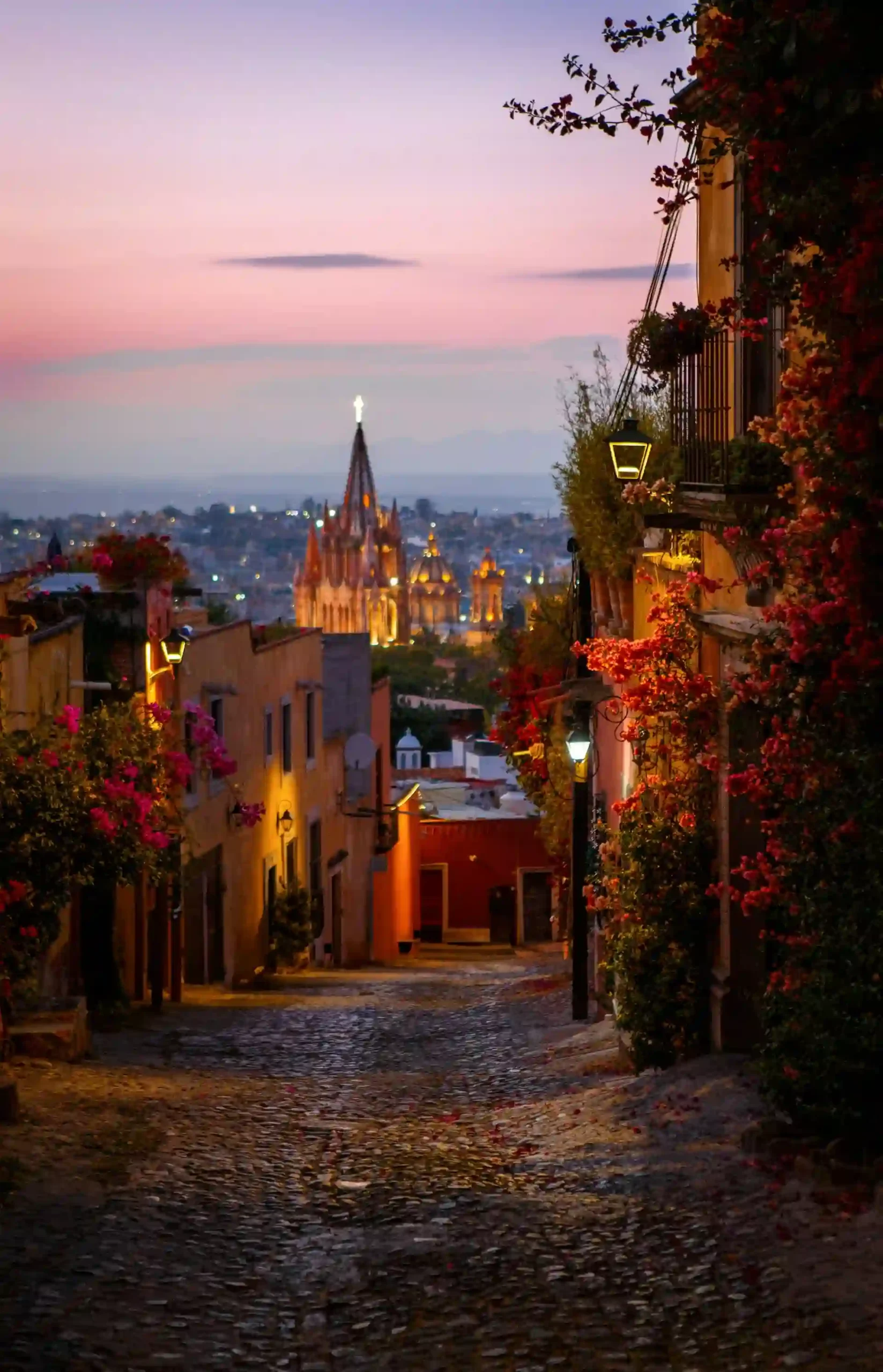
San Miguel de Allende is one of those colonial cities that photographs almost too well. The rose-colored Parroquia de San Miguel Arcángel dominates the main square, and the surrounding streets of terracotta rooftops, bougainvillea, and cobblestones create a visual consistency that few Mexican cities match. It earned its UNESCO World Heritage status for exactly this reason — the city center has been preserved in a way that feels lived-in rather than museum-like.
Beyond the architecture, San Miguel has developed a serious food and arts scene over the past decade. The Thursday organic market at Parque Juárez is one of the best in central Mexico, and the rooftop bars along Canal Street offer some of the most photographed sunset views in the country. It works well as a standalone destination or as a stopover between Mexico City and Guanajuato.
12. Copper Canyon (Barranca del Cobre)
Best Time to Visit: October to March (cooler, drier conditions)
Cost: Budget Travelers $40–80 USD/Day including Chepe train segments
Best Restaurants: El Divisadero, Mission Restaurant Creel, and local Rarámuri food stalls
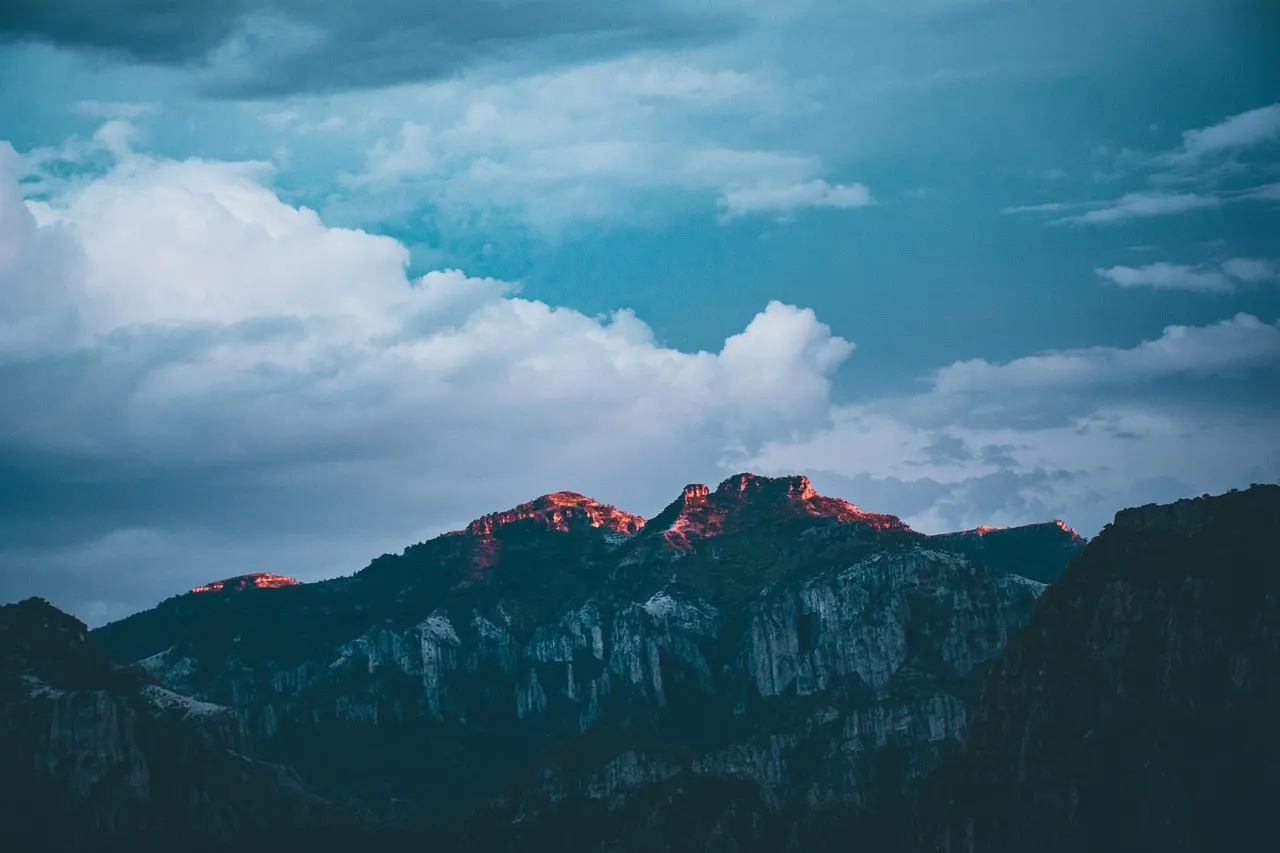
Copper Canyon in Chihuahua state is four times larger than the Grand Canyon and remains one of the most undervisited major natural landmarks in North America. The canyon system is home to the Rarámuri indigenous communities who have lived here for centuries, and visiting responsibly means engaging with local guides rather than independent exploration of the deeper canyon sections.
The star of any Copper Canyon trip is the Chepe Express train — one of the most scenic rail journeys in the Americas — running from Los Mochis on the Pacific coast through dramatic canyon country to Chihuahua City. The Chepe Express is operated by Ferromex — schedules, stops, and ticket booking are available on the Chepe Express official site. Book the Los Mochis to Creel segment at minimum, which covers the most dramatic canyon sections.
The full journey takes two days and the train stops at Divisadero, where the canyon viewpoint alone justifies the entire trip. October through March offers the most comfortable temperatures for exploring both the rim villages and the canyon floor.
Free Things to do in Mexico
Among the few places that offer a chance for tourists to enjoy their time at the beach, learn about the history and culture, taste delicious foods, and enjoy the urban setting without having to spend money continuously is Mexico. Here are some of the things to do in Mexico City without spending a penny:
13. Explore Historic City Centers
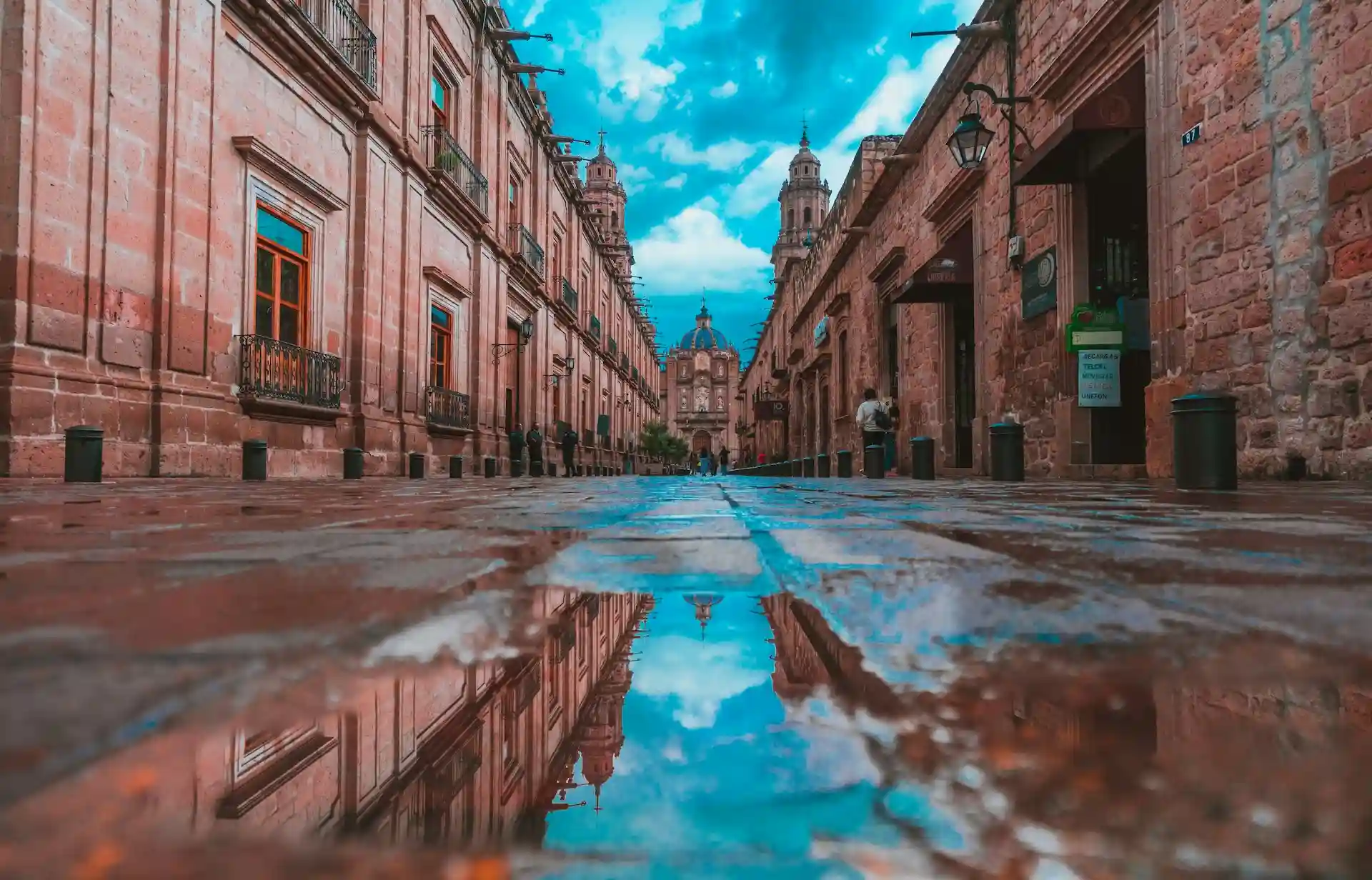
Without a doubt, one of the most appealing free activities in Mexico is strolling the historic centers of its colonial cities.
Cities like Oaxaca, Guanajuato, Puebla, and Mérida all have stunning central plazas, colonial churches, and public art that reward slow exploration on foot — all completely free to enjoy.
When tourists visit Mexico, these places are all the more interesting in light of their historical background. So, it would be ideal for everybody to visit these areas in their free time just to learn about the past history of these areas.
Despite the street being one of the most special elements in Latin American cities, many street players, musicians, market vendors, and festivals recognize the vitality of Mexico City’s Zócalo.
14. Relax on Public Beaches
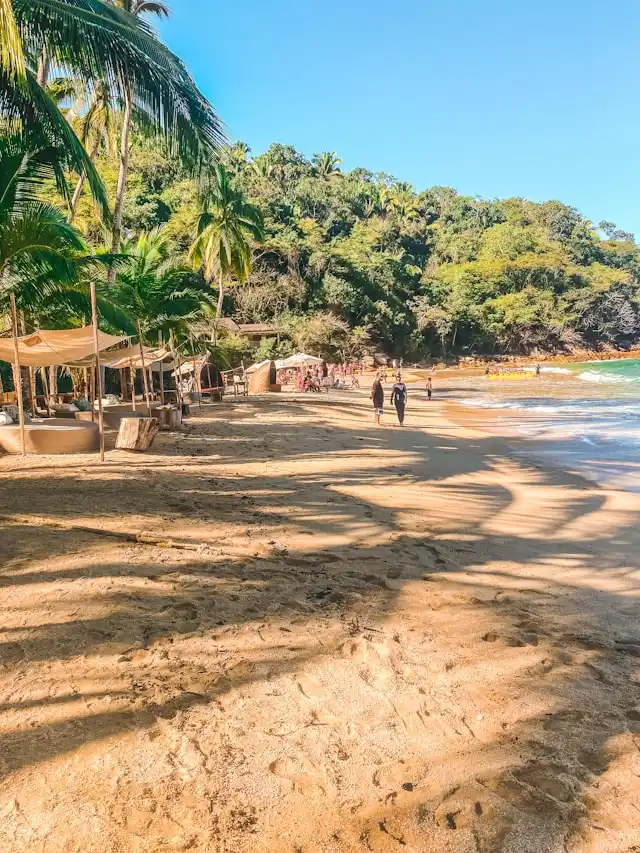
It has numerous kilometers of coastline that are available to all individuals. One of the best activities to do in Mexico is to have fun on the beach. For those who want a reasonable and fun trip through Mexico, beaches come first in the list.
They offer stunning views, which can be enjoyed at different places like:
- Playa Delfines in Cancun
- Beaches in Puerto Vallarta
- The Pacific Coast of Oaxaca.
Public beaches are a tourist favorite, and when it comes to Cancun, Mexico. It’s wonderful sunsets, clear blue sea, and great beaches that don’t require any membership at the beach club.
For couples’ fun, you can enjoy with your partner at public beaches with things like swimming, walking, and sunset beach views. If you are with kids or toddlers, then you should definitely visit the public beach in Mexico.
15. Visit Local Markets
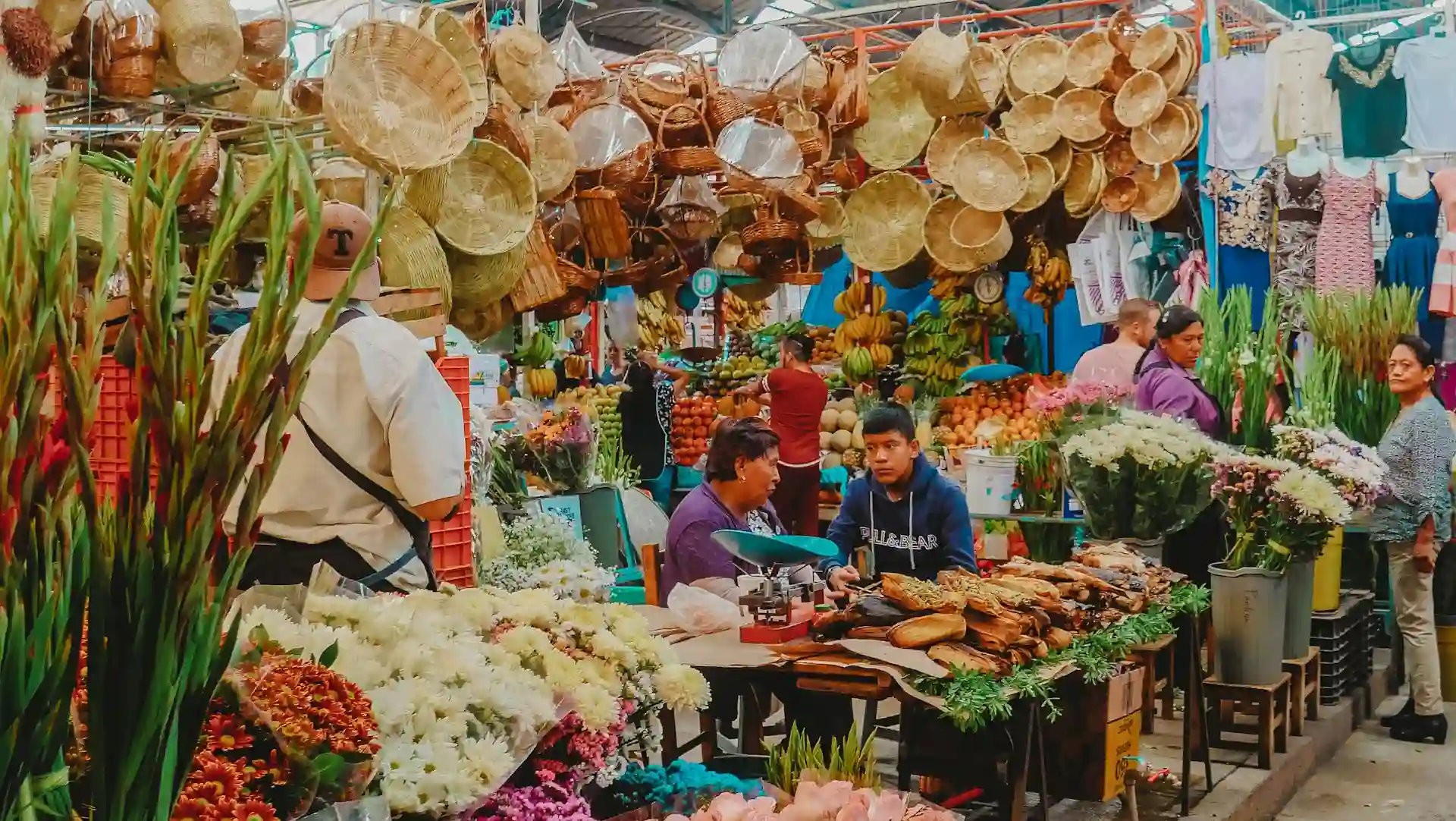
Some of the best ways in which tourists can experience the culture of Mexico include going to local markets. The markets provide visitors with an insight into the culture, cuisine, arts, and traditions of Mexico, even without any purchase.
The local markets include spices, fresh fruits, traditional goods, and food stalls in places such as the Mercado de San Juan and Mercado Benito Juárez markets of Mexico. Tourists to Mexico must put local markets on their bucket lists since they offer experiences that are much better than shopping in tourist-oriented commercial areas.
The cuisine of each part of Mexico is unique and differs from that of others, thus making local markets one of the most unique activities in Mexico.
16. Attend Free Festivals and Public Celebrations
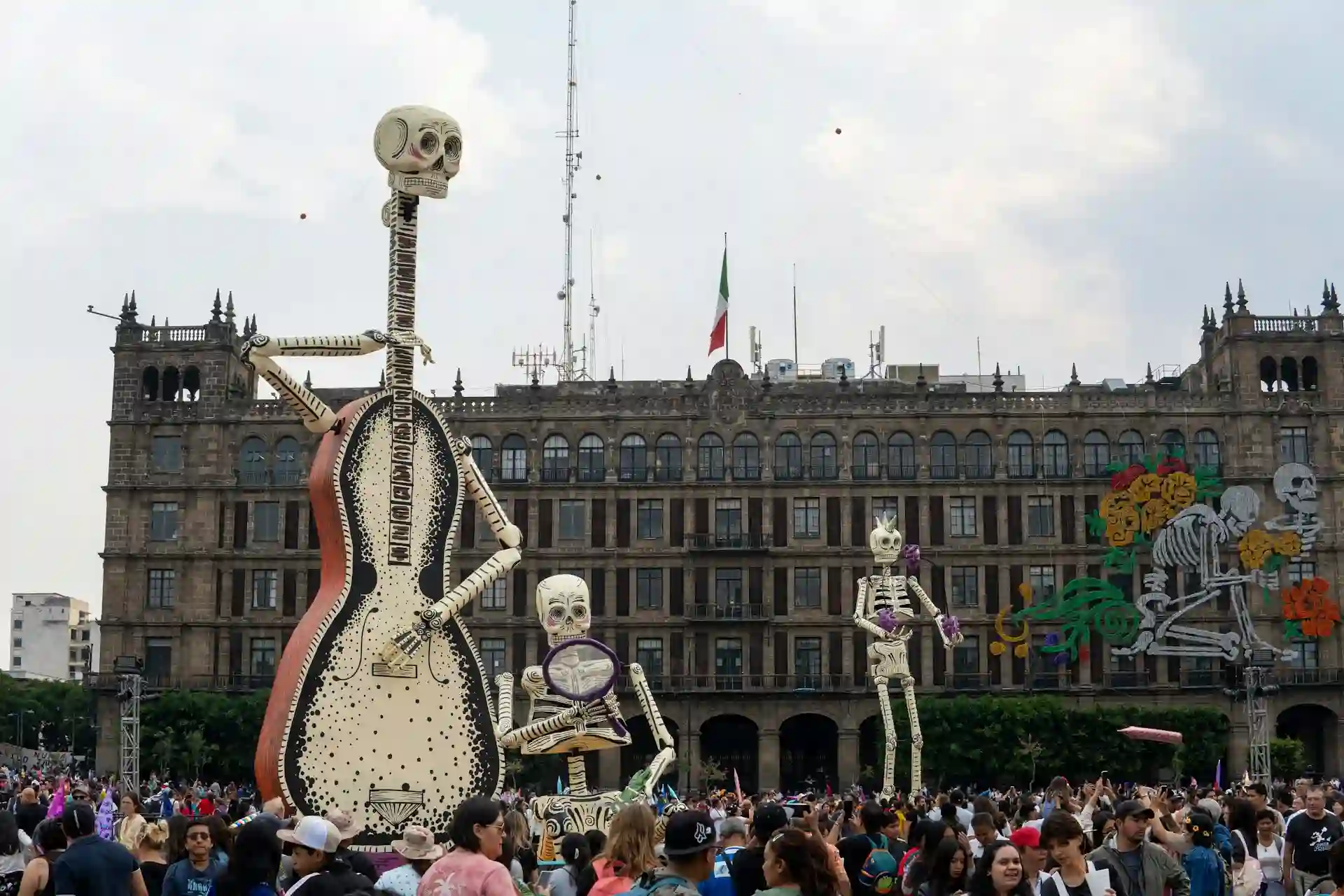
Public events are quite famous in Mexico, where whole cities get transformed into outdoor parties. Processions, music, dances, firework displays, and other cultural events that are available for free are a part of the holiday season, either celebrating Día de los Muertos or independence days, or religious festivals held in different regions of the country.
They are considered the best things to do in Mexico since they offer visitors the opportunity to participate in local traditions rather than visiting various tourist attractions. Unfortunately, public festivals become the highlight of their vacations, but do not occur to tourists in search of attractions in Mexico.
17. Walk Along Waterfront Promenades
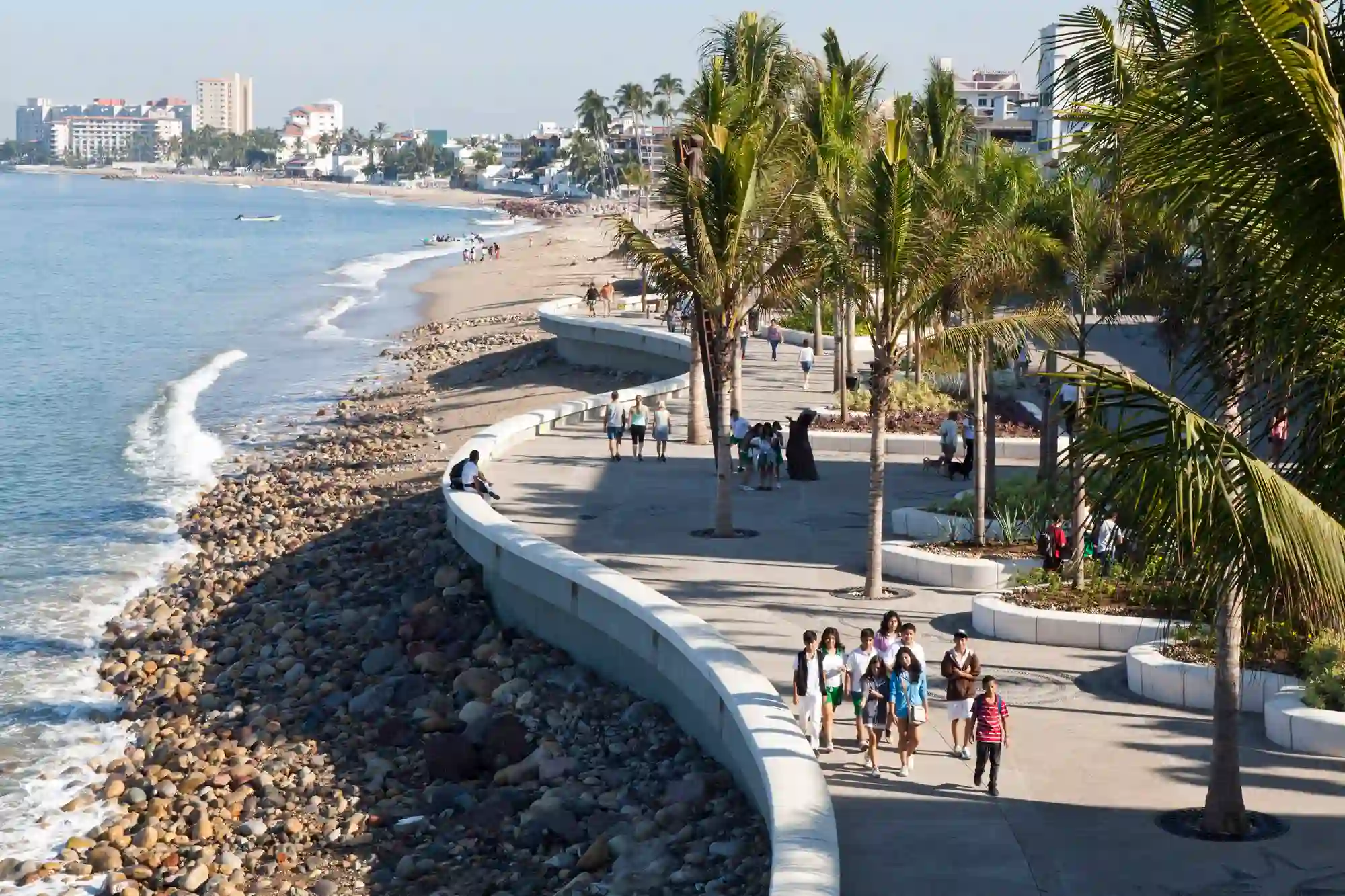
One of the easiest and most enjoyable activities to do in Mexico is to walk along the malecóns. Most Mexican coastal cities share such seaside zones.
The nightlife, entertainment, sculptures, and panoramic view of the Malecón of Puerto Vallarta are all unique. Mazatlán, Veracruz, and La Paz are some of the other cities in Mexico with similar features. Local people commonly go out at night to take part in leisure activities, which do not require many resources.
The ideal activity for couples to do in Mexico is to go for a walk at night on the beach.
18. Discover Public Art and Free Museums
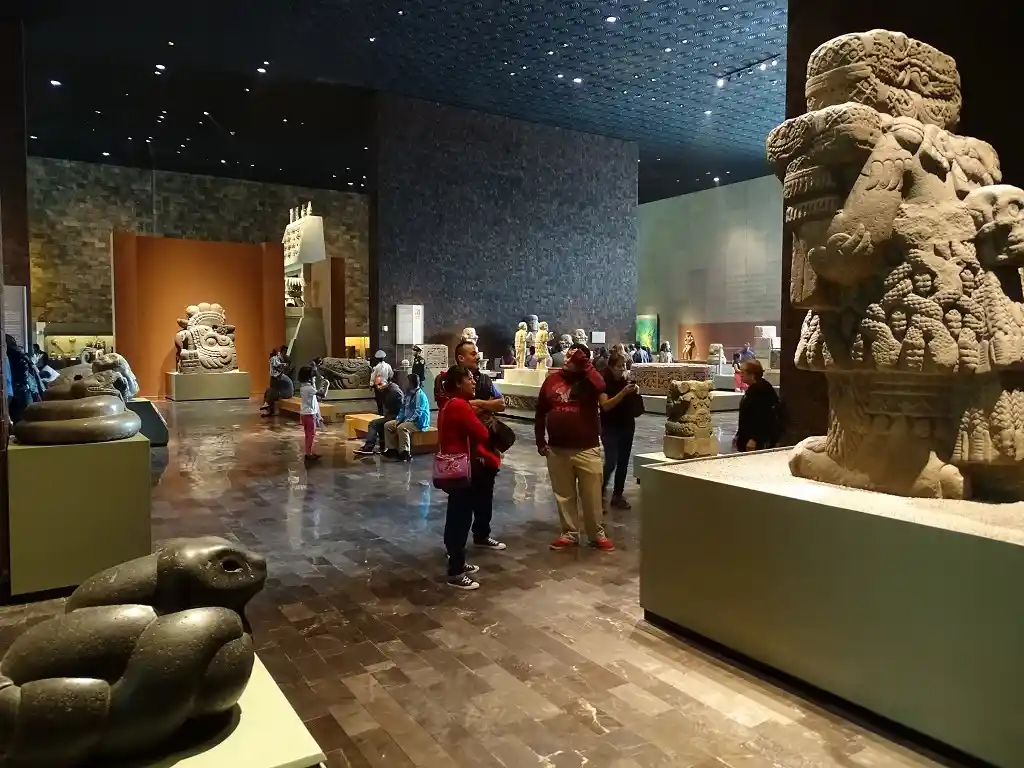
There are many free museums and galleries in Mexico, which offer the opportunity to explore Mexico’s diverse cultural heritage. Free museum days, street art exhibitions, and public art murals are common throughout the entire country.
Works by the renowned painter Diego Rivera and others can be seen in the public buildings of Mexico City. Since Mexico City’s streets and public spaces have such close connections with the art and culture of the city, visiting these neighborhoods forms another one of the best activities in Mexico City.
19. Explore Nature and Adventure Areas
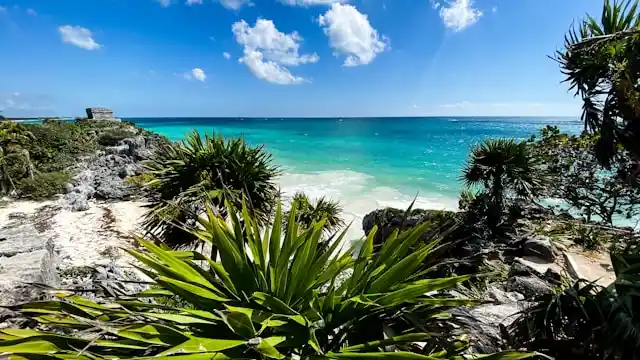
Visiting these locations does not always require one to pay exorbitant amounts of money to join tour groups for the thrill of adventure. The joy and pleasure in this are found by exploring nature through scenic hikes, waterfalls, and even cliffs in the coastal areas.
There are many locations where hikers can enjoy the sights in places similar to those located in Monterrey, Oaxaca, Chiapas, or even central Mexico. As it offers travelers the chance to experience a whole different side of Mexico, it’s becoming one of the top things tourists need to do.
Nature, culture, beach, and city exploration all go hand in hand to provide travelers the most memorable trips to the best places in Mexico. Most of the tourist spots and attractions in the country are cheap and quite common throughout Mexico.
Discover the dishes and culinary experiences in Mexico
Mexico’s food culture is one of the richest in the world and holds UNESCO Intangible Cultural Heritage status. Every region tastes different — what you eat in Oaxaca bears almost no resemblance to what lands on the table in Baja California. Here’s where to eat and what to order across the country’s most distinct culinary regions:
| Place | Experience / Food Offered | Price Range (USD) | Pro Tip |
| Mexico City (CDMX) | Street Taco Tour: Al Pastor (spit-roasted pork with pineapple), Blue Corn Tlacoyos, and Suadero | $15 – $40 | In Mexico City, as in other cities, find stalls that have the longest lines of people at the stands, i.e., the “Taco at the Stand” is better than what the restaurant in that stall can offer you. |
| Oaxaca City | Anthological snacking: Tasting the “7 moles of Oaxaca” (Negro, Rojo, Coloradito, etc.) and handmade Tlayudas. | $20 – $60 | Head to Mercado 20 de Noviembre and stroll down the “Pasillo de Humo” (Smoke Alley) to enjoy freshly grilled meats. |
| Mérida (Yucatán) | Yucatecan Classics: Cochinita Pibil (slow-roasted pork in banana leaves), Panuchos, and Sopa de Lima. | $15 – $45 | Have a crunchy crepe with cheese and Nutella (Marquesita) from a street food stall in the main plaza at night. |
| Puebla | Colonial Gastronomy: Original Chiles en Nogada (walnut sauce) and Mole Poblano. | $20 – $55 | The distinctive dish of Puebla is seasonal; much of it, like the Chiles en Nogada, is best enjoyed from July to September. |
| Guadalajara | Birria & Tequila: Spicy goat or beef stew (Birria) and “Drowned” Sandwiches (Tortas Ahogadas). | $10 – $35 | Eat your Torta Ahogada at Santa Tere market, but be careful—the “hot” salsa is legendary for its intensity. |
| Baja California | Ensenada Fish Tacos: Freshly battered fish or shrimp tacos of crema and slaw. | $5 – $20 | Go to the fish market (Mercado Negro) to get the freshest fish then stroll to a friend’s place for the original style of taco. |
| Mexico City (Polanco) | Fine Dining: World class courses of taste, based on the use of native ingredients such as Pujol or Quintonil. | $150 – $300+ | Reservations are necessary for these areas, 2-3 months ahead of time. If they are down, consider these “taco bar” lunch choices. |
Now that you know the best things to do in Mexico, let’s get to know what the country offers in each season.
Mexico by Season
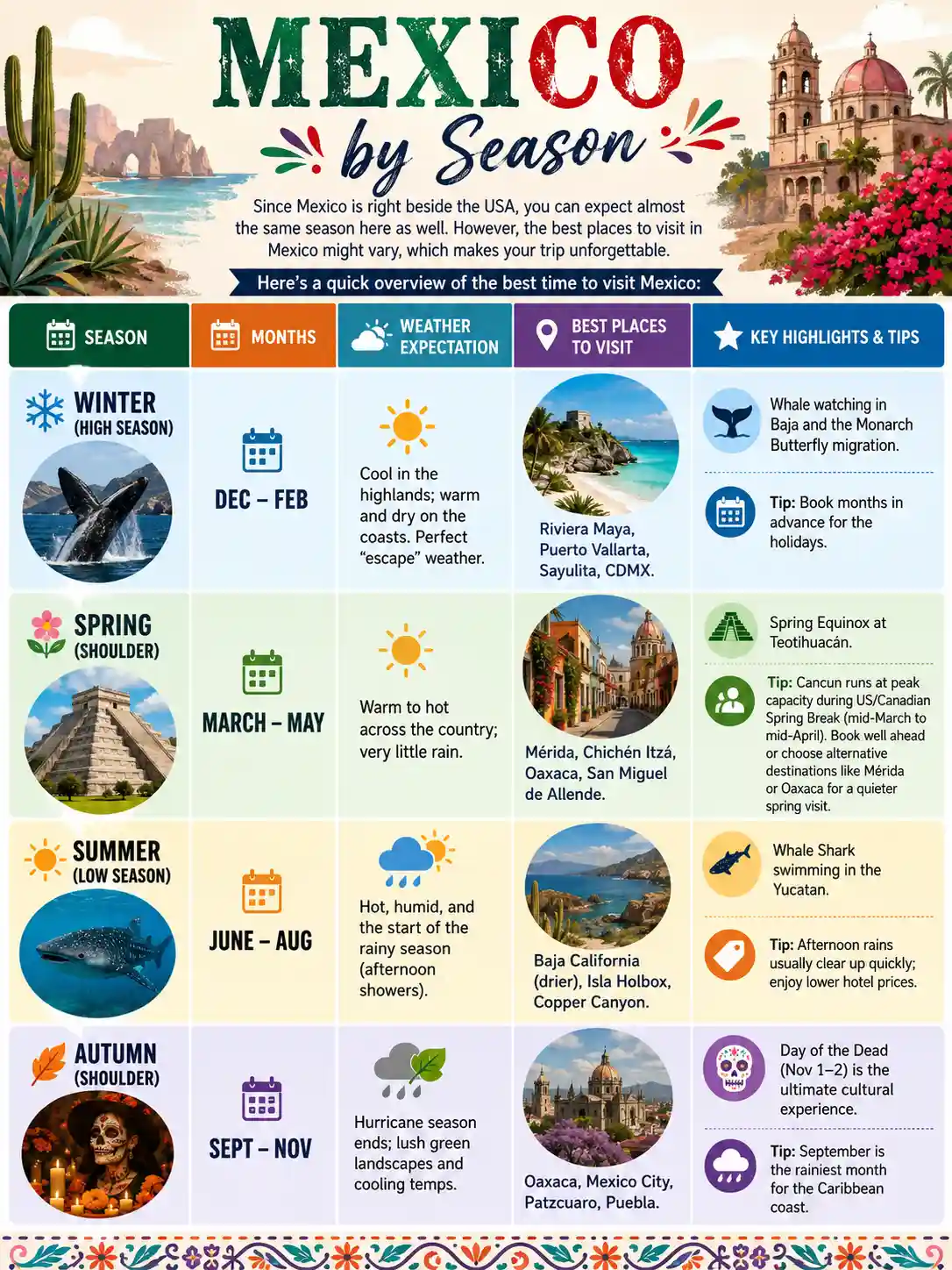
Since Mexico is right beside the USA, you can expect almost the same season here as well. However, the best places to visit in Mexico might vary, which makes your trip unforgettable. Here’s a quick overview of the best time to visit Mexico:
| Season | Months | Weather Expectation | Best Places to Visit | Key Highlights & Tips |
| Winter (High Season) | Dec – Feb | Cool in the highlands; warm and dry on the coasts. Perfect “escape” weather. | Riviera Maya, Puerto Vallarta, Sayulita, CDMX. | Whale watching in Baja and the Monarch Butterfly migration. Tip: Book months in advance for the holidays. |
| Spring (Shoulder) | March – May | Warm to hot across the country; very little rain. | Mérida, Chichén Itzá, Oaxaca, San Miguel de Allende. | Spring Equinox at Teotihuacán. Tip: Cancun runs at peak capacity during US/Canadian Spring Break (mid-March to mid-April). Book well ahead or choose alternative destinations like Mérida or Oaxaca for a quieter spring visit. |
| Summer (Low Season) | June – Aug | Hot, humid, and the start of the rainy season (afternoon showers). | Baja California (drier), Isla Holbox, Copper Canyon. | Whale Shark swimming in the Yucatan. Tip: Afternoon rains usually clear up quickly; enjoy lower hotel prices. |
| Autumn (Shoulder) | Sept – Nov | Hurricane season ends; lush green landscapes and cooling temps. | Oaxaca, Mexico City, Patzcuaro, Puebla. | Day of the Dead (Nov 1-2) is the ultimate cultural experience. Tip: September is the rainiest month for the Caribbean coast. |
For water activities — cenotes, snorkeling, and open ocean swimming — late spring through early summer offers the clearest conditions before peak hurricane season begins. November through March remains the safest all-round choice for first-time visitors, covering the full dry season across both coasts. If budget is the priority, May through September brings significantly lower hotel rates and thinner crowds at most major sites outside the beach resorts.
Travel Tips to Visit Mexico
If you’re traveling to Mexico now, here are some tips to consider:
- Visit Mexico during the dry season for better weather and easier travel. For a full month-by-month breakdown of weather, crowds, and pricing across every region, our best time to visit Mexico guide covers the full calendar in detail.
- Carry some cash because smaller towns and local markets may not accept cards.
- Use official taxis or ride apps in major cities for safer transportation.
- Avoid drinking tap water and stick to bottled or filtered water.
- Try local street food, but choose busy vendors with high customer turnover.
- Book popular attractions and tours early during peak travel seasons.
- Pack lightweight clothing, sunscreen, and comfortable walking shoes.
- Use biodegradable sunscreen when visiting beaches and cenotes.
- Stay aware of tourist scams in crowded areas and transportation hubs.
Final Thoughts
That’s all you need to know about the best things to do in Mexico. From the beautiful beaches to historical ruins and cenotes, Mexico never fails to mesmerize its visitors. And the best part is that every new city or place will feel like a new country because each corner of Mexico is different from the others. If you’re planning your first Mexico trip or returning for more, our complete Mexico travel guide covers beaches, safety, and the best times to visit across every region.
Frequently Asked Questions
What should you not miss in Mexico?
Mexico is an absolute beauty, and everything is worth visiting. But here are some places you should not miss at all:
Oaxaca City
Isla Holbox
Bernal
Isla Mujeres
Puerto Vallarta
Celestun
Lago de Pátzcuaro
For a safety overview before you travel, our Mexico safety guide for 2026 covers regions, transport, and practical precautions by destination.
How do you say “hi” in Mexico?
There are different ways to say Hi in Mexico, but the most common one is Hola.
Is $1000 enough for a week in Mexico City?
Yes, compared to the United States, Mexico is not very expensive. The food, transportation, and accommodation are cheap. So, $1000 would be enough for a week in Mexico.
How far does $100 go in Mexico?
At current exchange rates, $100 USD converts to roughly 1,700–1,800 Mexican pesos. In practical terms that covers 2–3 nights in a budget hostel, 15–20 street tacos, several local bus or metro rides, and a cenote entry fee — making it genuinely useful spending money for a full day of budget travel outside the resort zones. In Mexico City or Oaxaca specifically, $100 stretches considerably further than in Cancun or Tulum where tourist pricing applies to most things.
What’s the prettiest city in Mexico?
Guanajuato is known for its many alleyways and beautiful mountain views, so it’s considered the most colorful city in Mexico. Oaxaca City has become one of the most popular cities in Mexico because of its incredible food and vibrant culture.
What is the cheapest month to go to Mexico?
You can visit Mexico in May-June and September-October, as these are the cheapest months to travel.
Is 4000 pesos enough for a week in Mexico?
For a mid-range traveler, 4000 pesos would be enough for a week in Mexico. You can comfortably get a mid-range hotel, a reasonable taxi, and enjoy the food.